
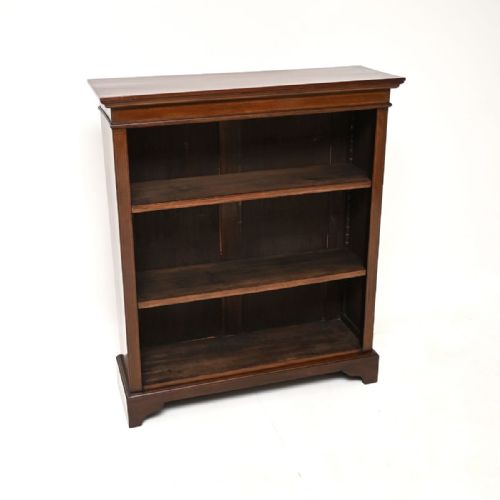
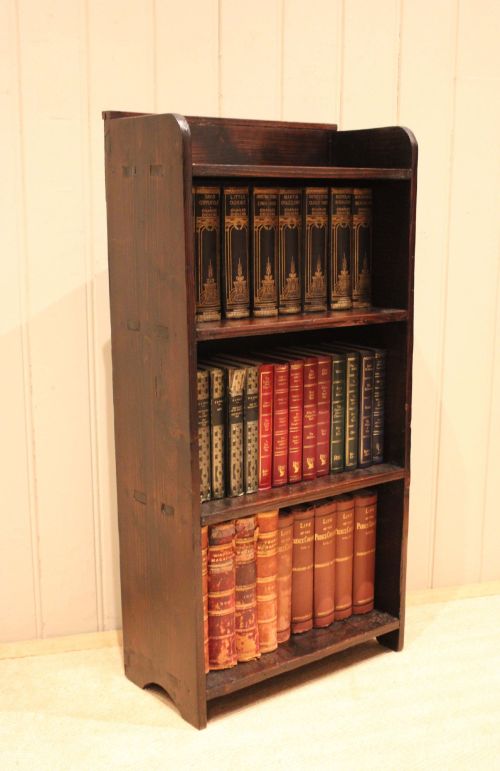
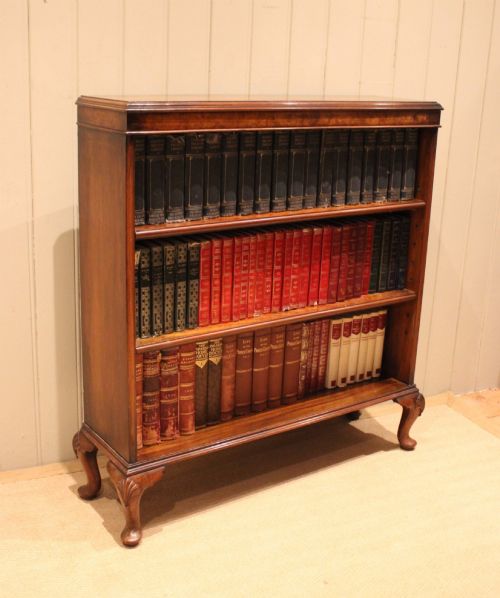
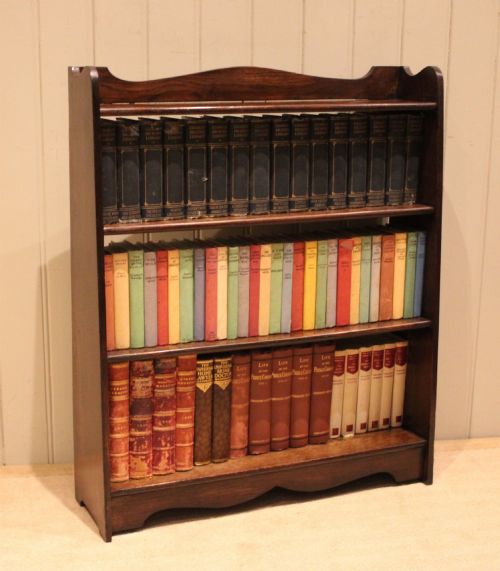
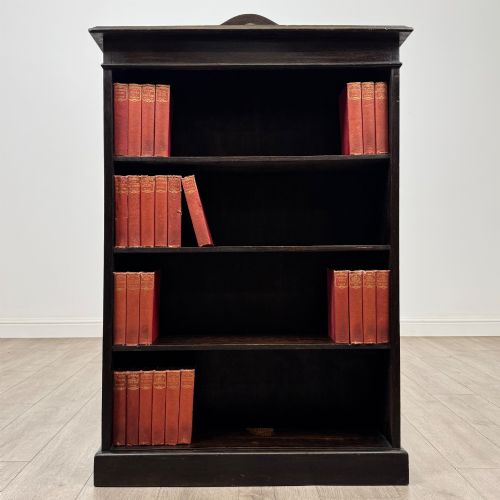
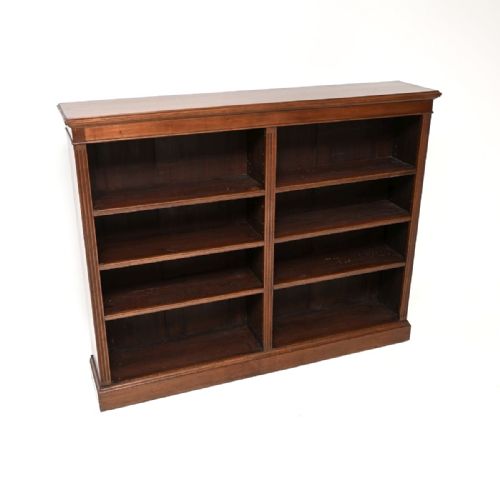
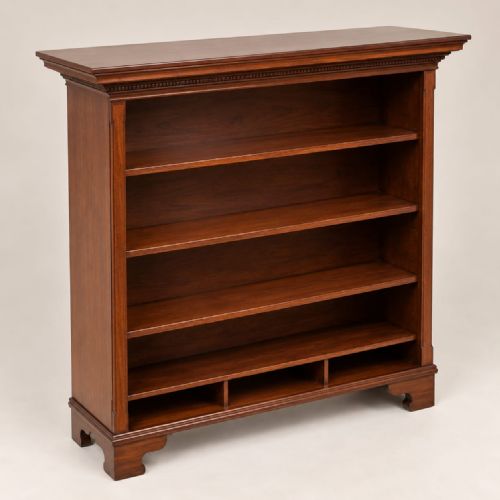

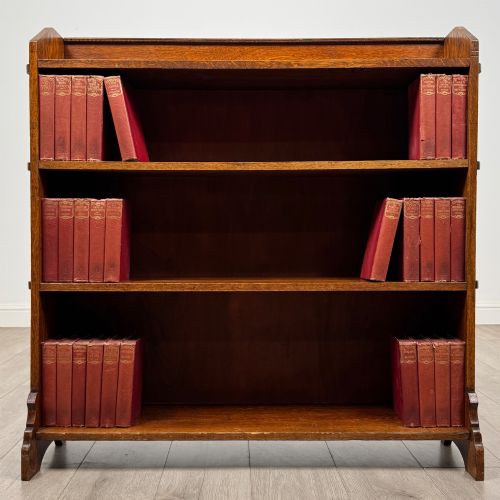
Vintage Wooden Shelving Unit
A vintage wooden shelving unit brings practical display space and architectural character to a room through traditional timber construction.
Vintage Wooden Shelving Unit
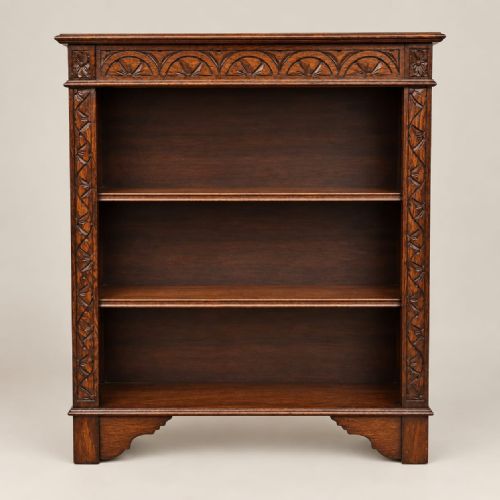
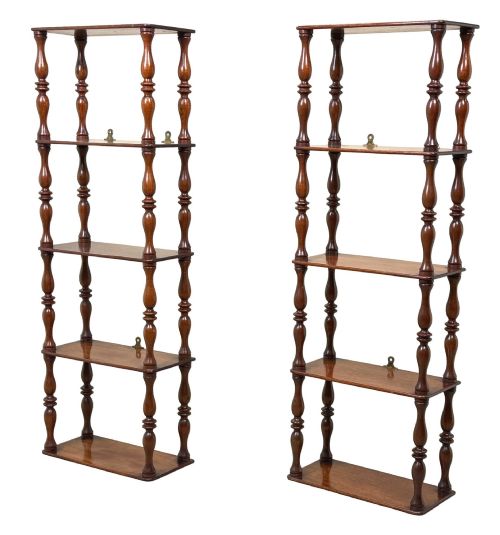
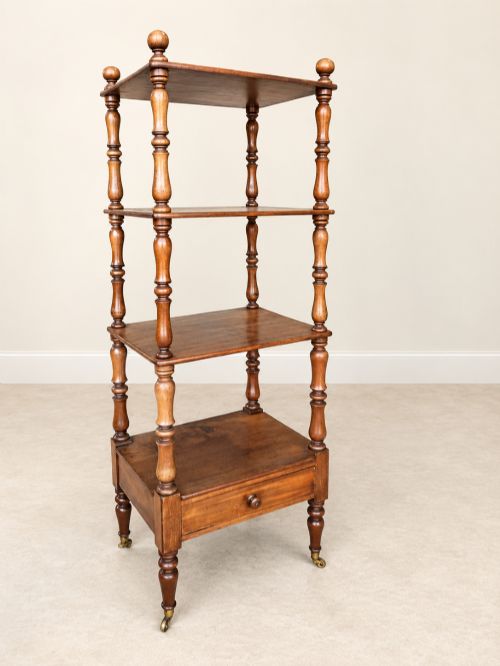
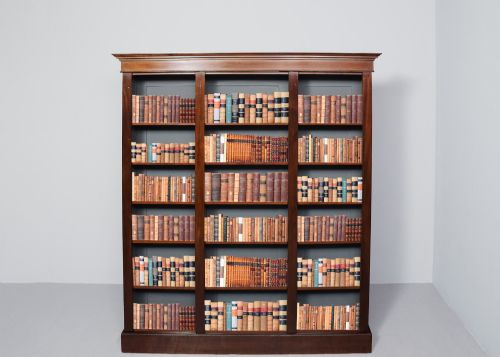
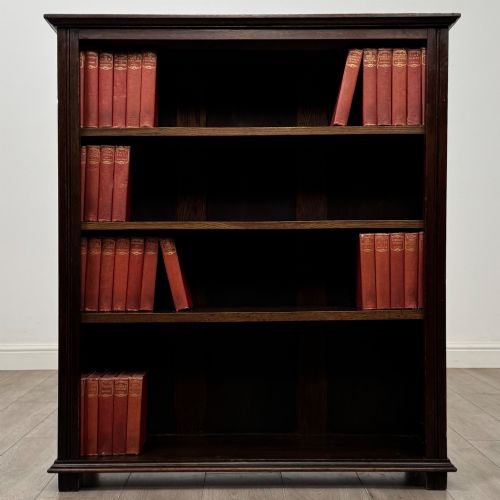
A vintage wooden shelving unit encompasses open bookcases, wall shelves, whatnots, and etageres sourced primarily from the Victorian, Edwardian, and Regency periods alongside later twentieth-century decades. Buyers examine pieces ranging from compact rustic pine boards to tall library bookcases built to house extensive collections.
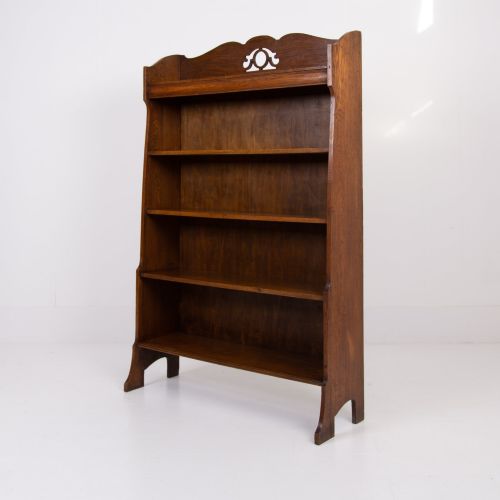
The pieces appearing most frequently take the form of open bookcases and tiered shelving units constructed in oak, mahogany, and walnut. These functional items serve domestic storage needs while displaying the distinct proportions and timber figures characteristic of their respective eras.
Construction and materials
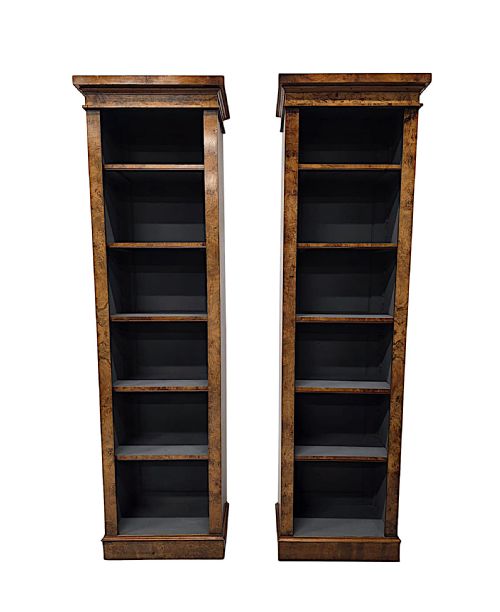
Cabinet makers utilised hardwoods such as oak, mahogany, walnut, and satinwood alongside softer pine, often selecting burr walnut veneers for decorative grain patterns on display surfaces. Brass hardware appears as functional fittings and decorative accents on selected pieces.
Joinery methods range from simple rustic assembly to refined cabinet work featuring adjustable shelves, inlaid details, and open-backed or angled structures designed for specific domestic settings.
Listings feature pieces spanning the Regency, Victorian, Edwardian, and Art Deco periods, constructed in oak, mahogany, walnut, pine, and satinwood.
Assessing the execution
The standard of timber selection and preparation dictates the visual depth of each unit, particularly where figured mahogany or burr walnut veneers catch the light. Superior examples display careful matching of wood grain across panels and shelves.
Refinement in structural joinery, such as smoothly operating adjustable shelf mechanisms and crisp inlay work, separates standard utility furniture from finer cabinet-maker output.
Heals
The Vintage Wooden Shelving Unit Glossary
- Open bookcase
- A shelving unit without doors, designed for accessible book storage and display. These pieces form the core of the available selection.
- Waterfall bookcase
- A tiered shelving unit where each successive shelf steps back from the one below it. The profile creates a descending stepped effect.
- Whatnot
- A multi-tiered open furniture piece used for displaying small objects and books. They appear across nineteenth and twentieth-century designs.
- Etagere
- A piece of furniture consisting of a set of open shelves for displaying ornaments. These units often feature slender upright supports.
- Inlay
- A decorative technique where contrasting pieces of wood or brass are inserted into the primary timber surface. Edwardian and earlier pieces frequently utilise this method.
Vintage Wooden Shelving Unit: Frequently Asked Questions
What is a vintage wooden shelving unit?
A vintage wooden shelving unit is an item of antique or mid-century furniture designed to hold books and decorative objects using timber construction. These pieces span multiple decades and include open bookcases, wall-mounted shelves, and tiered étagères.
Such items reflect the design priorities of periods ranging from the Regency era through to the Art Deco movement, utilising woods like oak, mahogany, and walnut.
How do I adjust the shelves?
Many period bookcases feature adjustable shelves supported by wooden ratchets, brass studs, or vertical slots cut into the interior sides. These systems allow owners to alter shelf heights to accommodate different book sizes.
Careful handling of the timber boards ensures the support mechanisms and lining pins remain undamaged during adjustment.
Are these units suitable for modern books?
Older shelving units vary in depth and height, meaning larger modern art volumes or heavy folios may require specific bookcase depths. Measuring the shelf depth before purchase ensures proper fit for oversized items.
Open configurations provide flexible access, though wall clearance and floor space must be considered in contemporary rooms.
How do I care for the wood?
Maintaining these pieces involves regular dusting with a soft, dry cloth and avoiding placement near direct heat sources or strong sunlight. Excessive dryness can cause timber to split or veneers to lift.
Applying appropriate wax feeds the grain and protects the polished surface without building up sticky residues over time.