
Vintage Wooden Press
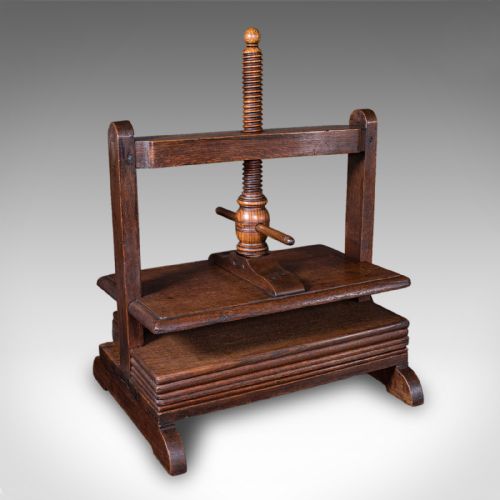
A vintage wooden press brings solid mass and steady utility to a room, offering generous storage through centuries of craftsmanship.
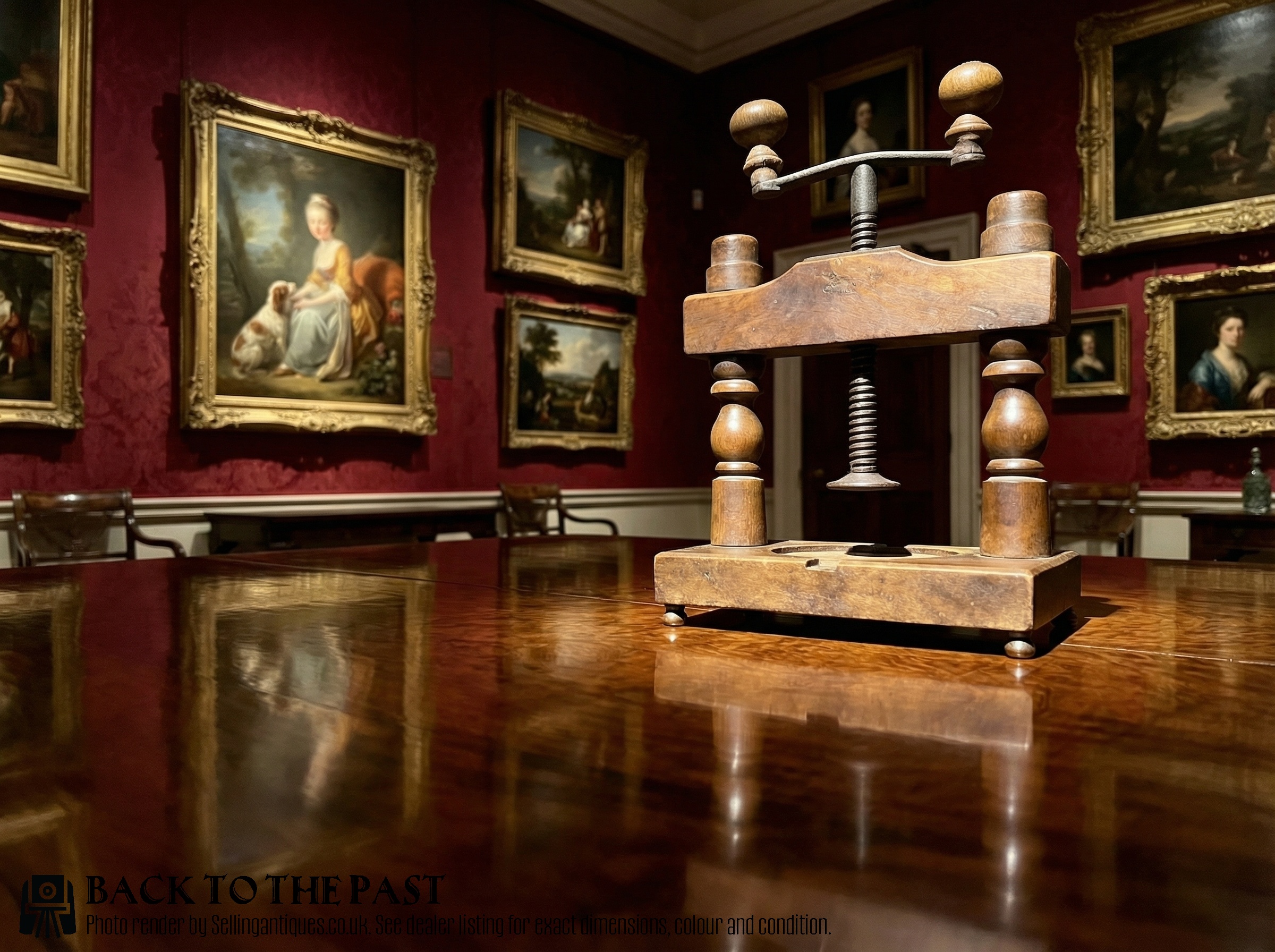
Vintage Wooden Press
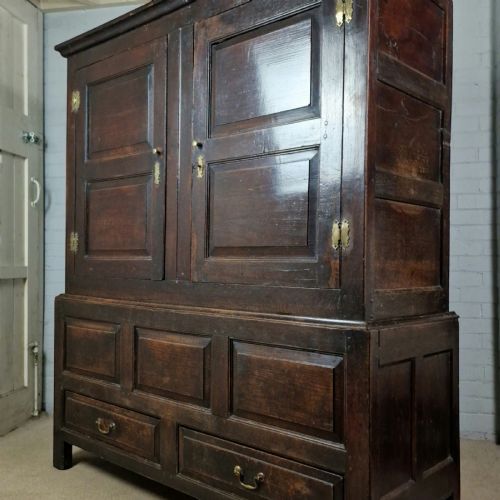
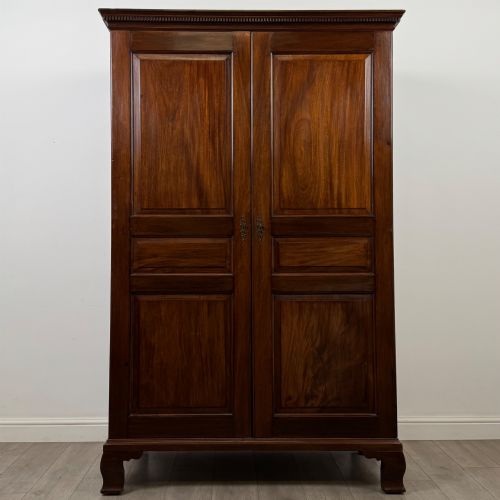
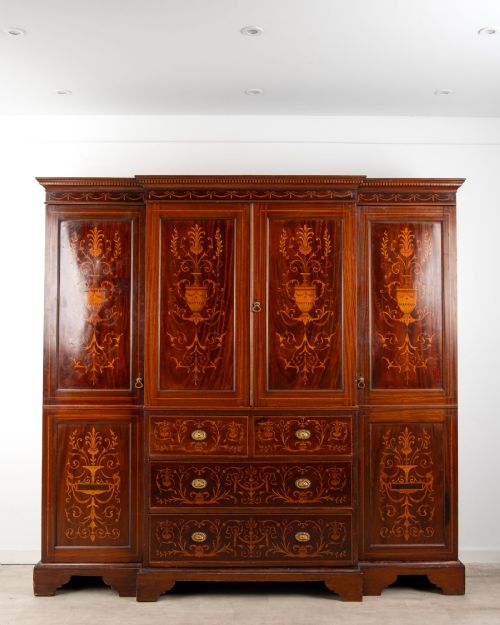
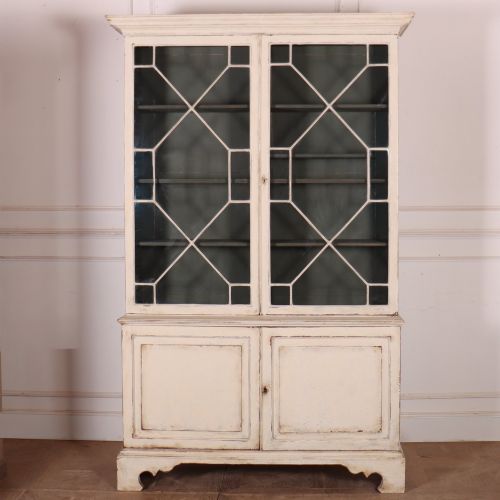
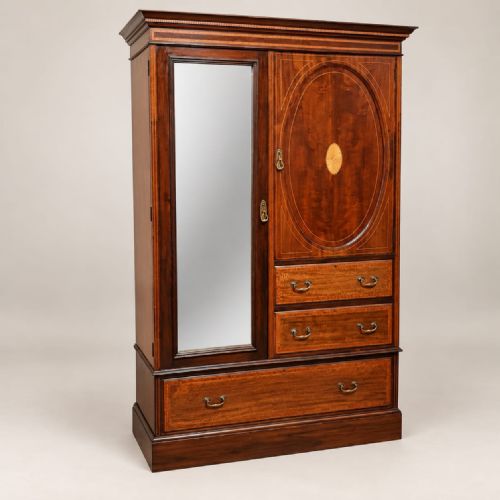
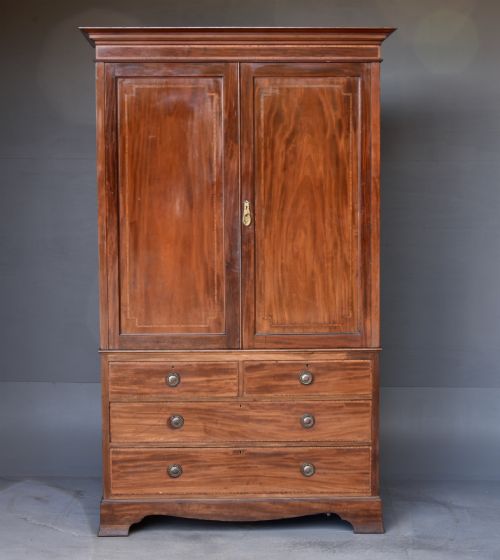
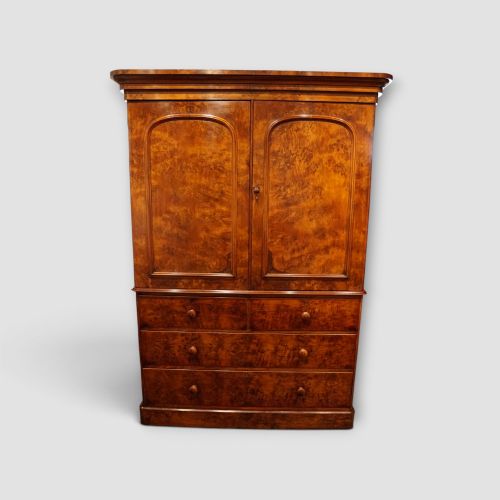
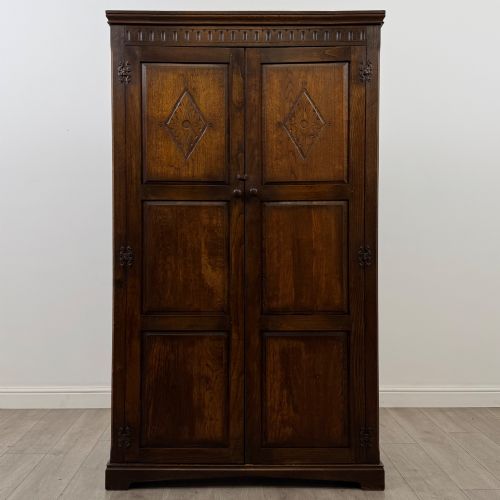
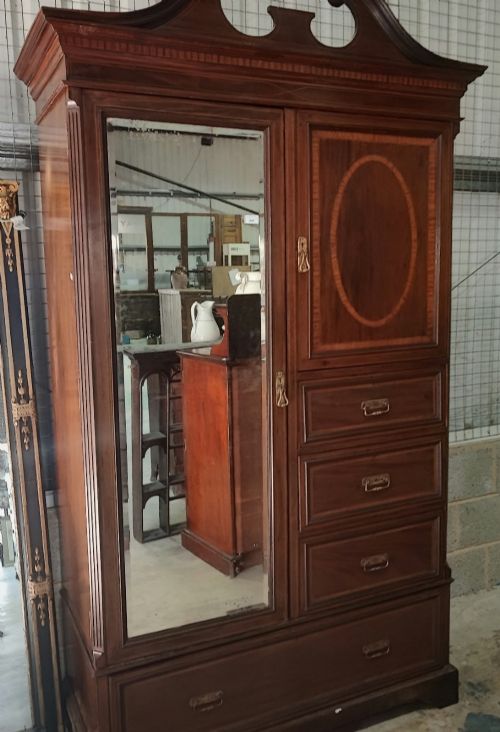
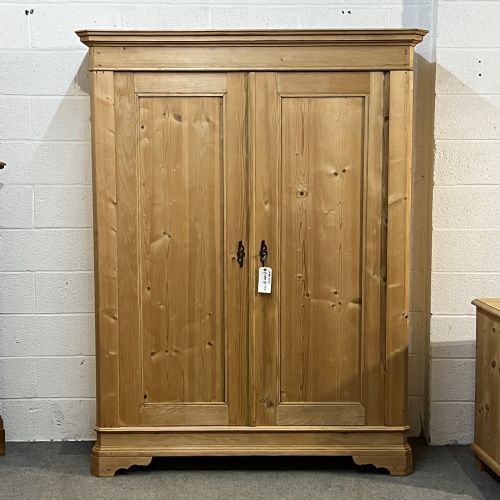
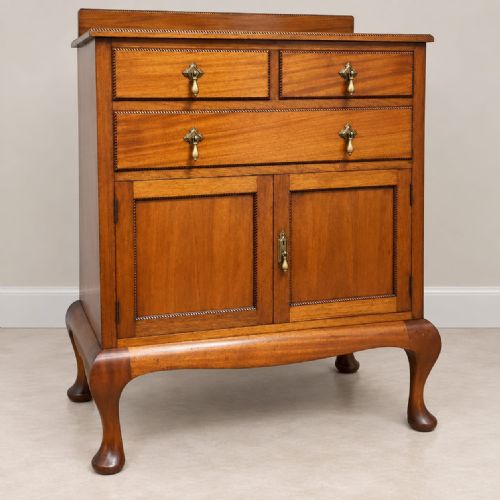
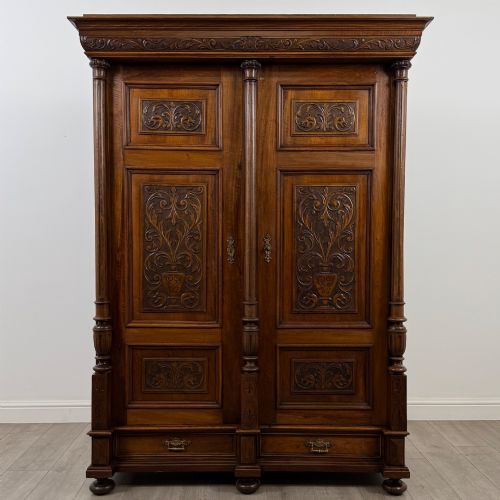
A vintage wooden press spans grand linen presses, compactum wardrobes, tallboys, and sturdy cupboards built across the Georgian, Victorian, and Edwardian periods.
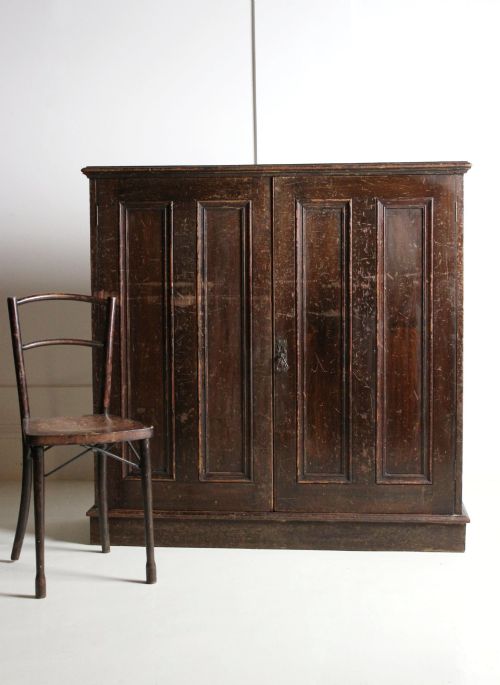
Buyers meet large mahogany and oak linen presses alongside painted pine cupboards and walnut wardrobes from the nineteenth and early twentieth centuries.
These pieces served traditional households for linen storage and clothing, utilising architectural proportions and deep interior shelving or hanging space.
Measures of quality
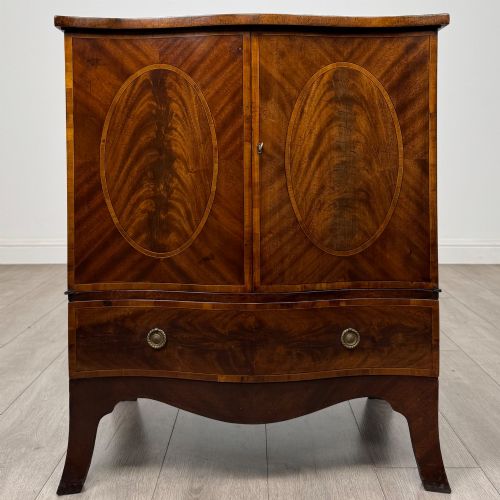
Quality rests upon the selection of timbers, such as figured flame mahogany or burr walnut, matched evenly across primary doors and drawer fronts.
Joinery execution dictates longevity, visible in tight mitres, robust internal framing, and original working locks with matching keys.
Proportion and decorative restraint separate standard workshop output from exceptional pieces bearing maker signatures.
The listings show a strong presence of Edwardian and Victorian pieces, constructed predominantly in mahogany, oak, and pine.
maples and co·edwards and roberts
The Vintage Wooden Press Glossary
- Linen press
- A tall storage cabinet featuring upper sliding trays or shelves enclosed by doors, positioned above a chest of drawers.
- Compactum
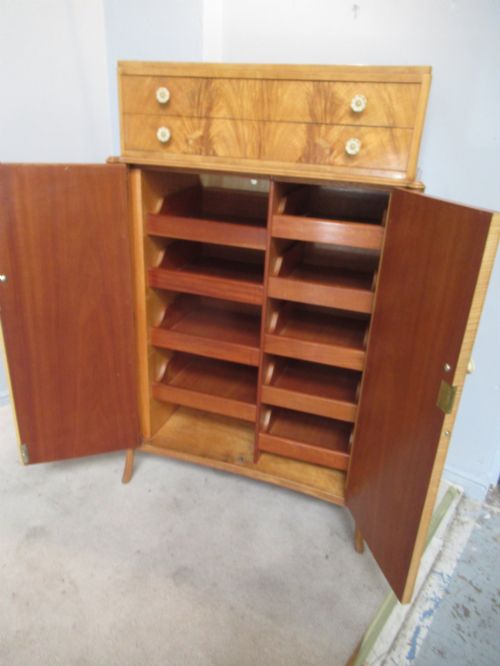
- A fitted wardrobe divided internally into distinct sections for hanging garments, sliding drawers, and shoe racks.
- Flame mahogany
- A timber veneer displaying a distinct flickering flame-like grain pattern, prized for high-end cabinet work.
- Scumble paint
- A decorative surface treatment applied to mimic the natural grain of oak or other prized woods on plain timber.
Vintage Wooden Press: Frequently Asked Questions
What is the difference between a linen press and a wardrobe?
A linen press traditionally houses sliding internal trays in the upper section for folded textiles, sitting above a chest of base drawers.
Wardrobes prioritise vertical hanging space for garments behind full-length doors, often omitting internal shelving entirely.
How do I date a wooden press?
Dating relies on timber choices, construction methods like hand-cut dovetailing, and prevailing stylistic details such as Georgian bracket feet or Edwardian marquetry.
Hardware styles and secondary woods inside drawers also provide reliable chronological markers.
Can these large presses be dismantled for moving?
Many period presses and wardrobes dismantle into a cornice, base, and side panels to ease transport through doorways.
Built-in wooden pegs and threaded bolts usually secure the modular sections together.
Where should I place a heavy wooden press?
These substantial pieces require stable, dry flooring away from direct heat sources to prevent timber movement or veneer splitting.
Allow sufficient clearance for wide-swinging doors and pull-out internal linen trays.