
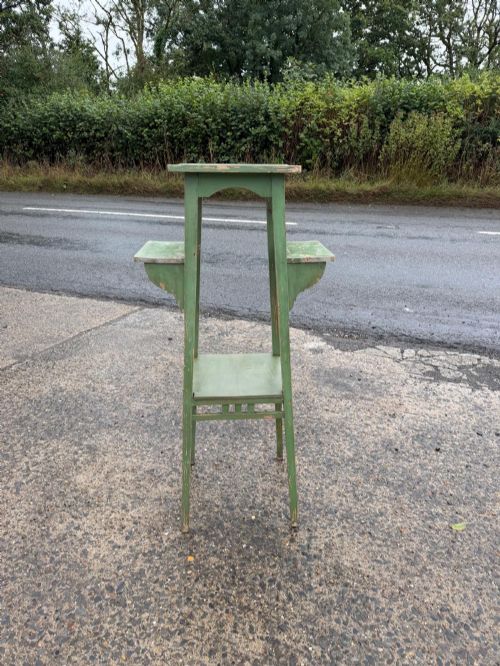
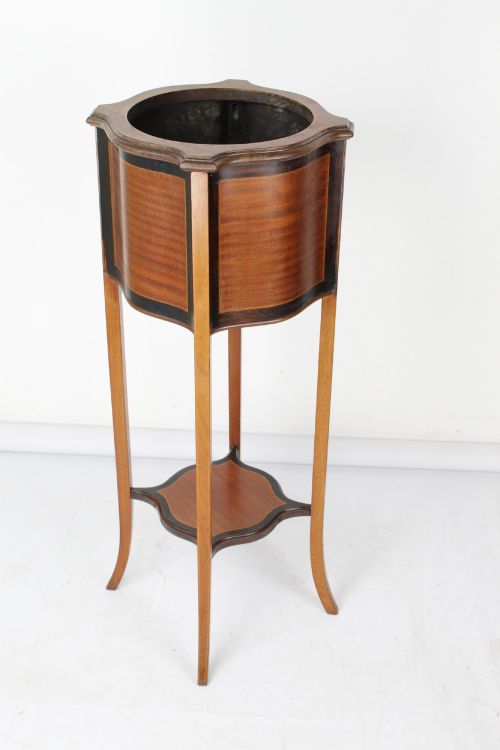
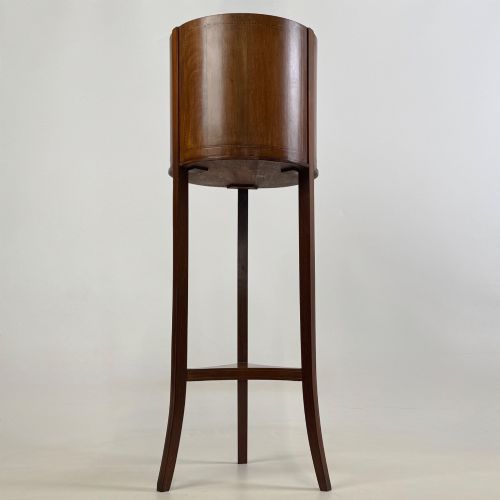
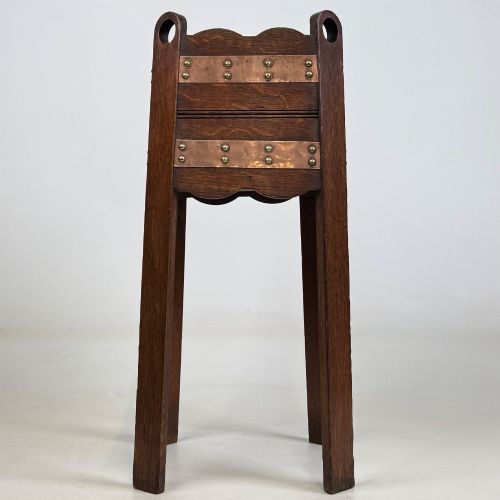

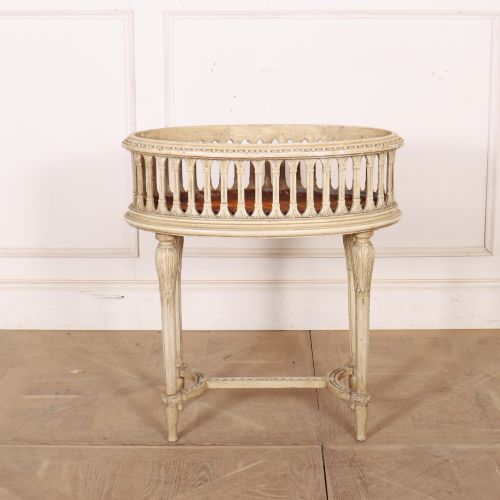


Vintage Wooden Planter Stand
A vintage wooden planter stand brings botanical life indoors, combining functional support with the warm grain of mahogany, oak, and walnut.
Vintage Wooden Planter Stand
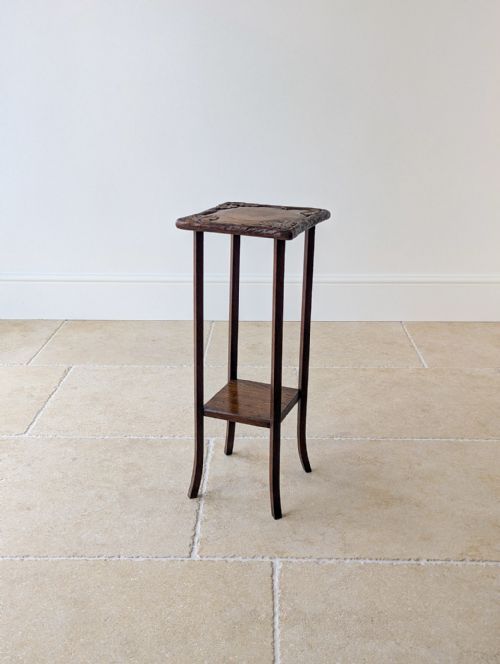
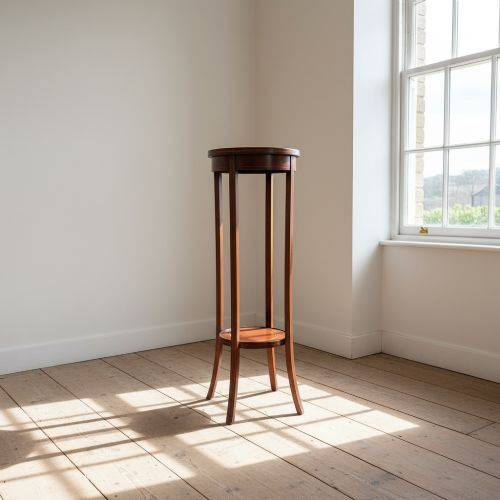
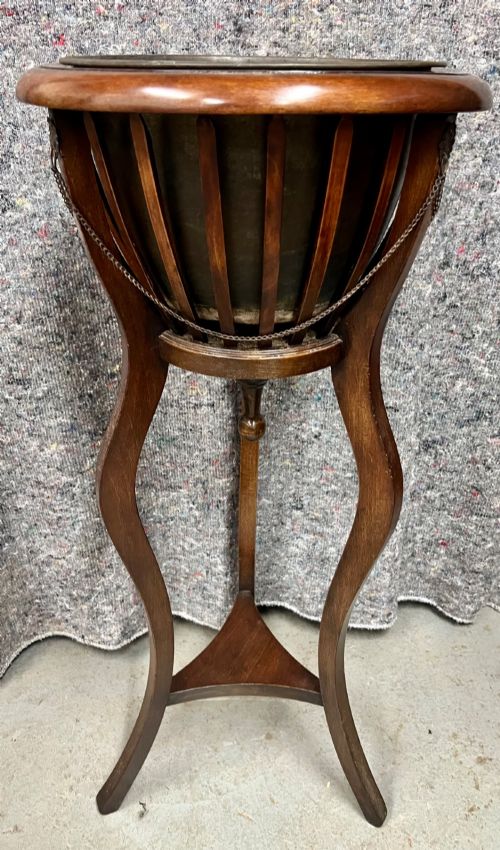
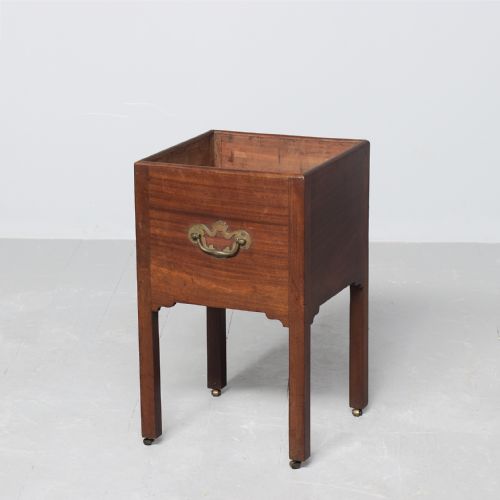
Most pieces encountered on this page are fashioned from mahogany or oak, frequently taking the form of freestanding jardiniere stands or compact planter tables. These items accommodate potted greenery by incorporating fitted liners made of metal, brass, or zinc.
Origin varies across English workshops and continental French ateliers, yielding diverse aesthetics from austere Arts and Crafts oak to ornate Louis XV style walnut with ormolu mounts. Buyers select these stands to integrate natural textures and historical character into domestic interiors.
Materials and construction methods
Makers utilised dense timbers such as mahogany, oak, satinwood, and walnut, selecting them for structural durability and decorative grain patterns. Coopered staves secured with brass bands appear frequently in barrel-form planters, echoing traditional vessel-making techniques.
Joinery techniques range from simple turned shafts and barley twist supports to intricate boxwood stringing and marquetry inlay. Many jardiniere stands incorporate metal liners or zinc inserts to protect the surrounding wooden structure from moisture.
Listings feature woods spanning mahogany, oak, walnut, and satinwood, paired with metal, brass, zinc, and ormolu elements.
Distinguishing craftsmanship and finish
Quality rests in the precision of the timber selection and the integrity of the joinery, separating utilitarian vessels from finely figured display furniture. Superior examples display balanced proportions, crisp brass mountings, and well-preserved original surface patination.
The refinement of secondary details dictates the standing of a piece, observable in hand-cut dovetailing, careful cooperage, and delicate inlay work. Pieces retaining their original metal or porcelain liners command greater interest among collectors.
Lister and Co
The Vintage Wooden Planter Stand Glossary
- Jardiniere
- An ornamental pot or stand designed to hold flowers or growing plants. They frequently appear in ceramic, metal, or wood.
- Coopered
- Constructed from wooden staves fitted together side by side and bound by metal hoops, similar to barrel-making. This method provides robust containment for damp soil.
- Ormolu
- Gilded bronze or brass applied as decorative mounts on furniture. It adds contrasting metallic lustre to walnut and mahogany surfaces.
- Torchere
- A tall, slender stand originally designed to support a torch or candle lamp. In later periods, they were adapted to hold floral displays.
- Inlay
- A decorative technique where contrasting materials such as satinwood or boxwood are embedded into the wood surface. This creates geometric patterns or floral motifs.
Vintage Wooden Planter Stand: Frequently Asked Questions
What is a vintage wooden planter stand?
A vintage wooden planter stand is a piece of furniture designed to elevate and display indoor plants. These items combine practical botanical housing with traditional cabinetmaking.
They range from tall torchere columns to low coopered barrels, utilising timbers such as mahogany, oak, and walnut to complement interior spaces.
How were these stands used historically?
Historically, these stands placed potted ferns and flowering plants at comfortable viewing heights within Victorian and Edwardian parlours. They protected delicate flooring and furniture surfaces while bringing living greenery into domestic rooms.
Many incorporated metal or zinc liners to catch excess water during plant maintenance.
How do I identify Edwardian examples?
Edwardian stands frequently feature light mahogany construction, subtle satinwood stringing, and restrained decorative elements. They often reflect lighter, more graceful proportions compared to heavier Victorian counterparts.
Craftsmanship from this period frequently aligns with Arts and Crafts simplicity or Edwardian interpretations of Georgian styles.