





Twisting Leg Accent Table
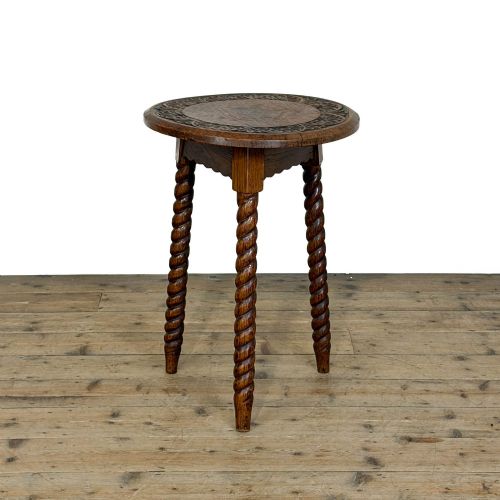
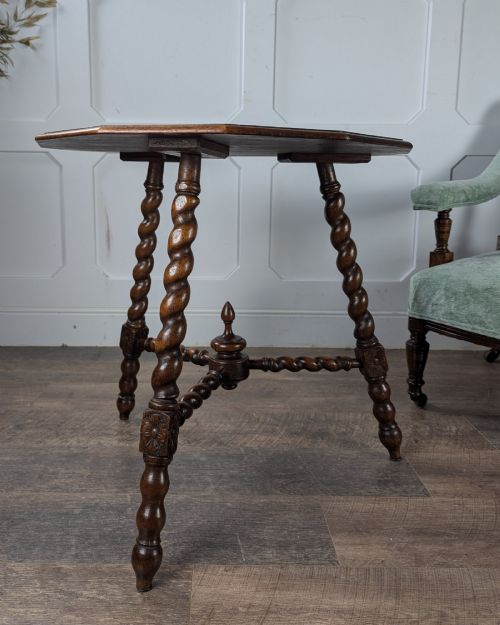
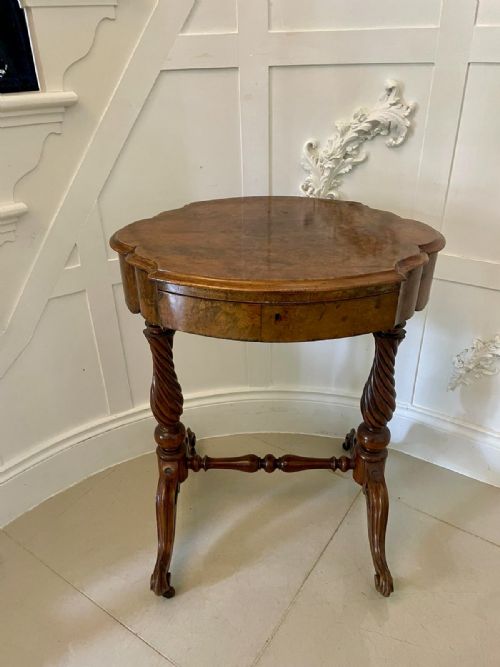
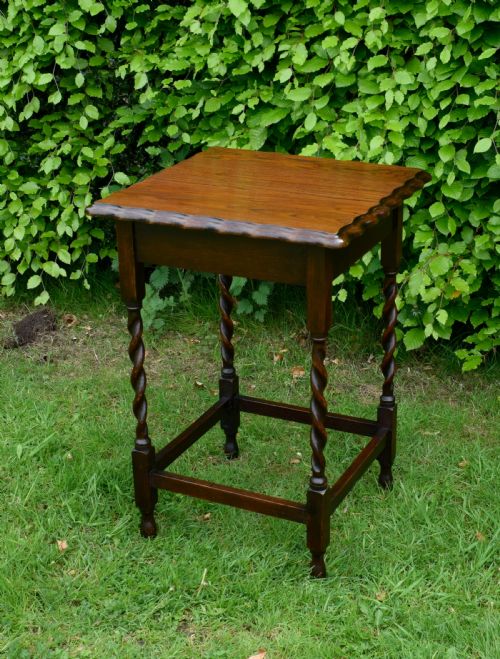
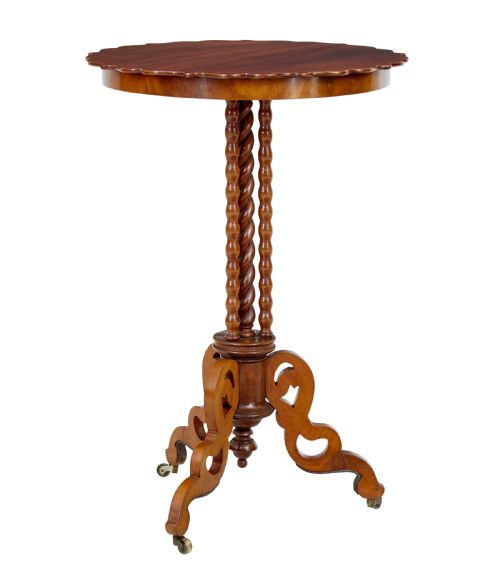
A twisting leg accent table brings sculptural presence and rich grain to a room through turning that catches the light.
Twisting Leg Accent Table
A twisting leg accent table brings architectural turning to smaller formats like side tables, occasional tables, and plant stands. These pieces function as versatile surface space while introducing strong vertical interest through turned supports.
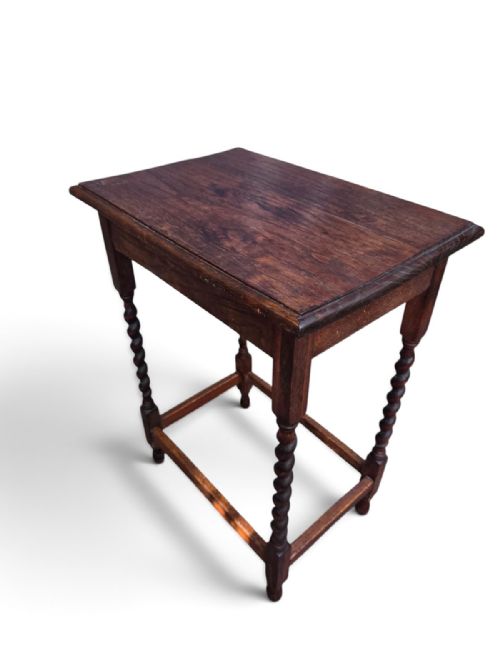
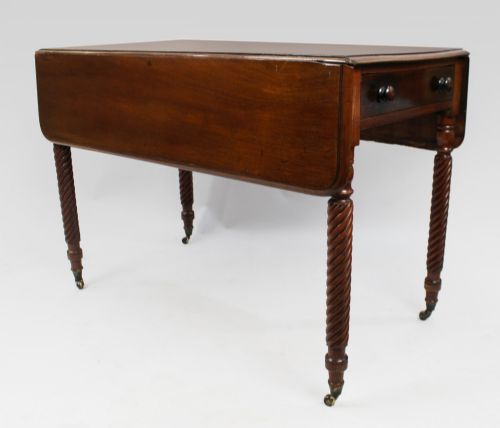
The selections here range from late seventeenth-century parquetry and oyster veneer work to nineteenth-century mahogany and substantial Edwardian or Victorian oak examples. You will frequently encounter barley twist and bobbin turned supports on oak and walnut frames.
Forms span small cricket tables and hexagonal tops to dressing table stools with twisted rope legs and miniature rosewood centre tables. These items suit spaces needing a compact surface with traditional character and tactile detail.
Materials and construction
Makers utilised solid timbers such as oak, mahogany, walnut, and rosewood, alongside decorative surfaces including burr walnut and parquetry. Legs were shaped on a lathe to create the distinctive helical barley twist or bobbin turned profiles.
Joinery relied on traditional methods suited to each period, from seventeenth-century pegged construction to Edwardian framing. Secondary elements such as brass fittings and textile covers complete the build of these functional items.
The listings span from seventeenth-century olive wood and parquetry through Victorian mahogany to Edwardian oak.
What separates the grades
The distinction lies in the crispness of the turning and the choice of primary timber, whether figured burr walnut, rich mahogany, or substantial oak. Finer examples display meticulous lathe work where the spiral flows evenly without interruption.
Proportion and surface finish dictate the overall success of the piece, as well as the integration of decorative elements like parquetry or carved top details. Original patination on the wood surfaces further elevates the character of the piece.
The Twisting Leg Accent Table Glossary
- Barley twist
- A helical turning resembling a twisted rope, popular in seventeenth-century furniture and revived during the Victorian and Edwardian eras. This technique creates diagonal shadows that accentuate the vertical line of the leg.
- Bobbin turned
- A series of rounded wooden spheres or discs carved along the length of a support, also known as spool turning. It provides a rhythmic, tactile alternative to the smoother helical twist.
- Parquetry
- Geometric wood inlay patterns applied to table tops to create decorative surfaces using contrasting timbers. This technique demands precise carpentry to align small wooden tesserae.
- Oyster veneer
- Slices cut transversely from small branches to reveal circular growth rings, arranged to form decorative patterns on seventeenth-century surfaces. This intricate veneering requires patient placement and skilled preparation.
- Occasional table
- A small, movable table designed for light use around a principal room. These formats allow makers to showcase decorative legs and top details without dominating the floor plan.
Twisting Leg Accent Table: Frequently Asked Questions
Where should I place an accent table?
These compact tables fit beside armchairs, in narrow hallways, or as plant stands in lit corners. Their small footprint makes them ideal for secondary surfaces.
Because the legs provide visual interest from all angles, many pieces work well when positioned away from walls.
What is the difference between oak and mahogany versions?
Oak examples generally offer a robust, heavily grained appearance associated with Jacobean and Edwardian revival styles. They often feature pronounced barley twist supports.
Mahogany and walnut variations tend to present smoother grain patterns or rich veneer work, suiting formal nineteenth-century interiors and offering a different tactile warmth.
How do I care for wood surfaces?
Maintain the timber by keeping pieces away from direct heat sources and strong sunlight to protect the polish. Regular dusting with a soft cloth preserves the natural sheen.
Avoid excessive moisture, using coasters on the top surfaces to prevent water marks on older polishes and veneers.