


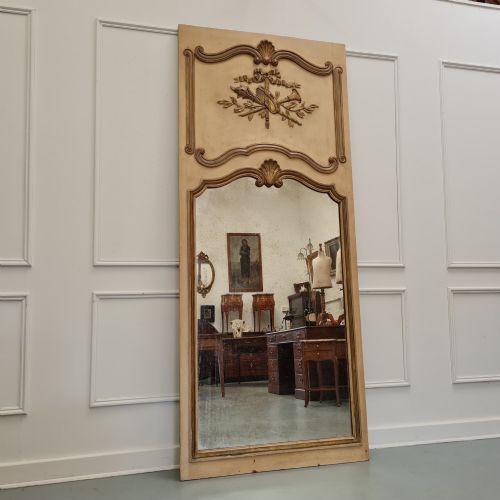


Vintage Wooden Pier Glass
A vintage wooden pier glass hangs narrow and tall to catch the morning light between your drawing room windows.
Vintage Wooden Pier Glass
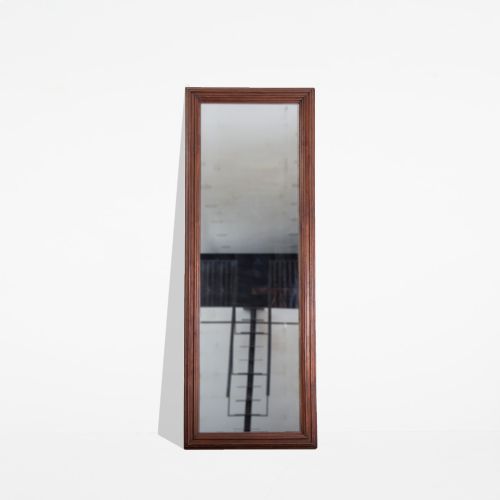
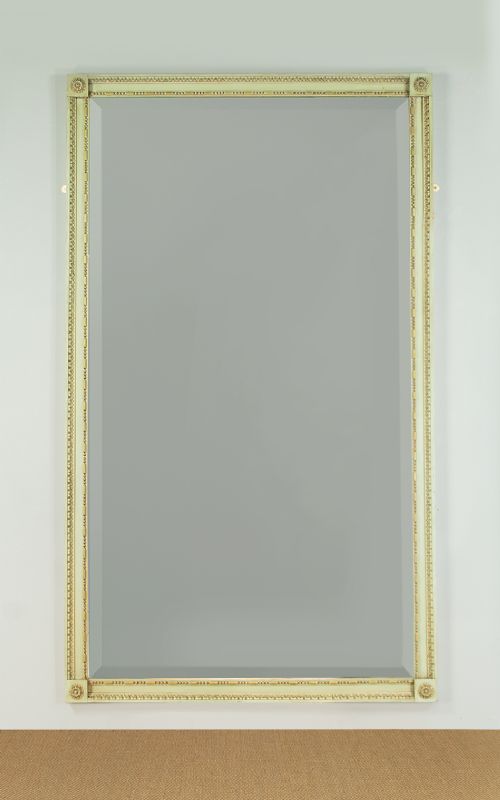
A vintage wooden pier glass is a tall, narrow looking-glass designed specifically to hang on the narrow stretch of wall between two windows, known as the pier. These pieces bring height and reflected light into a room without dominating the wall space.
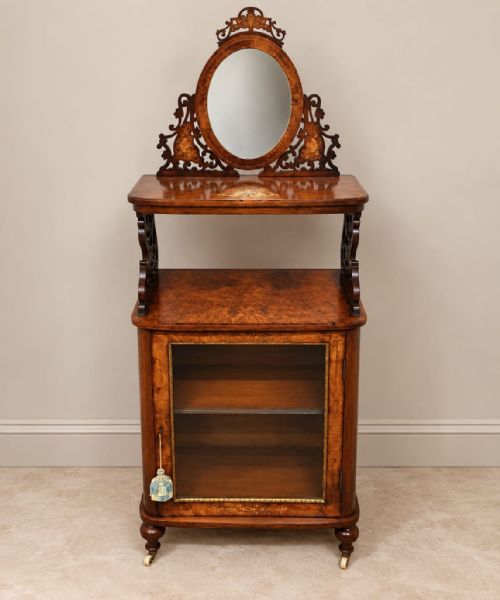
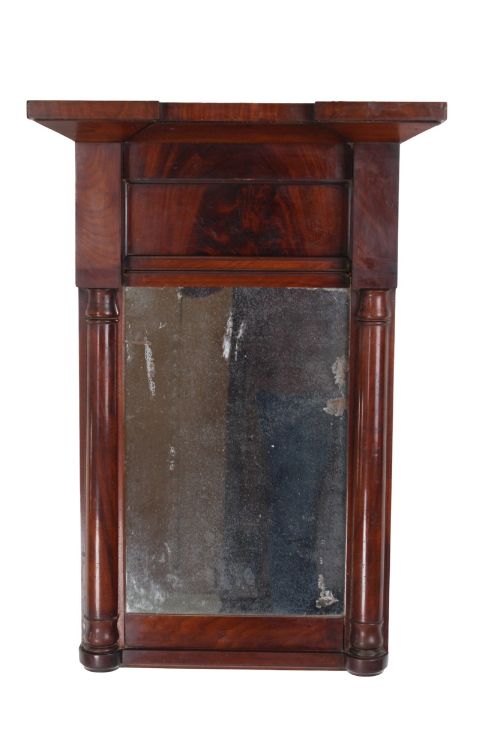
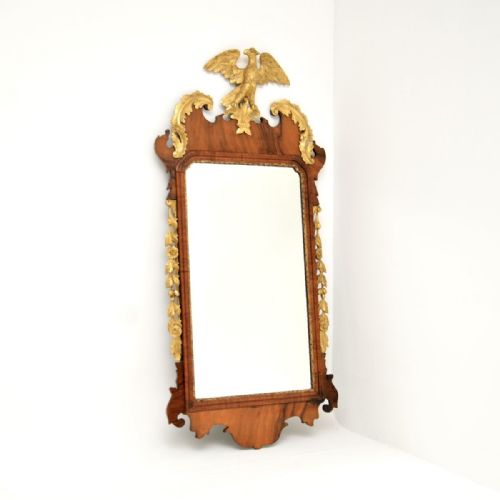
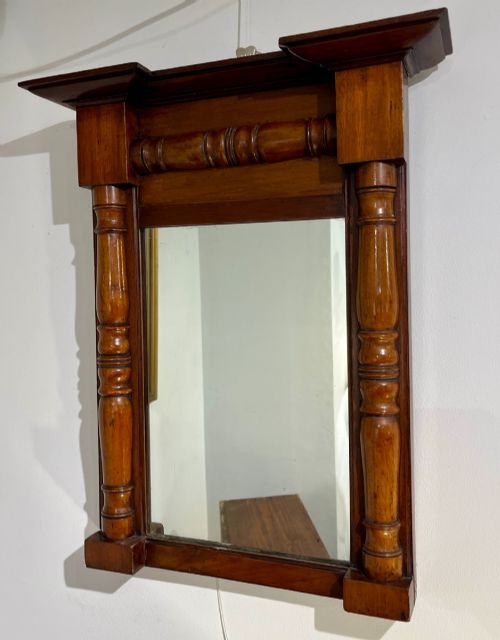
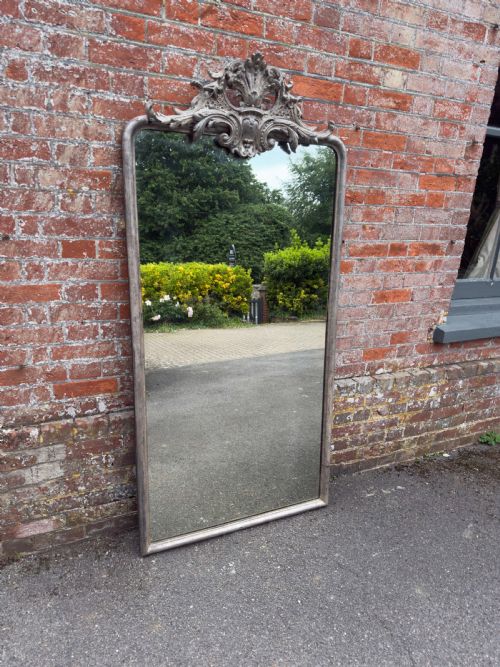
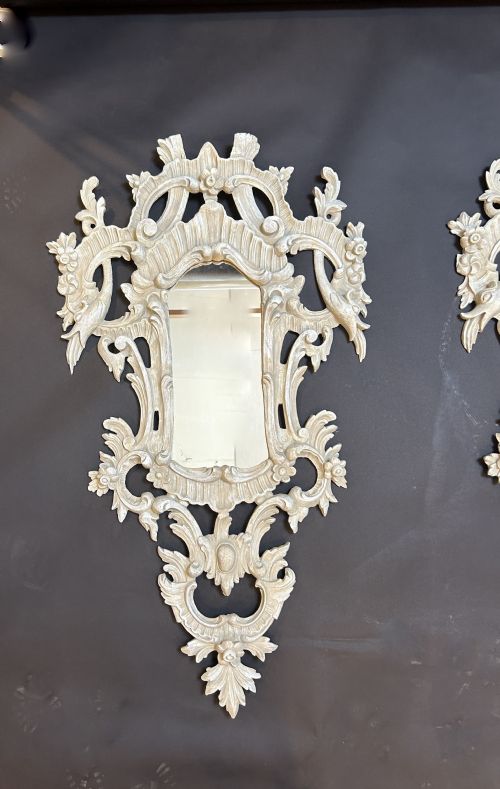
You will encounter examples spanning the eighteenth and nineteenth centuries, taking forms from simple mahogany frames to ornate carved wood and gesso arched tops. The selection includes Georgian walnut designs, Regency mahogany pieces, and later Victorian walnut or painted interpretations.
While many listings describe wall mirrors or hall mirrors, the classic pier glass remains distinct through its proportions, built to occupy that specific architectural gap. Some pieces incorporate painted panels, parcel gilding, or fretwork details above or beside the main plate.
Materials and construction
Cabinetmakers constructed these frames using dense timbers such as mahogany, walnut, sycamore, and maple, often applying finely figured burr veneers to catch the eye. Giltwood and carved gesso added rich decorative detail to the wooden foundations.
Surfaces were frequently finished with hand-applied paint, silvering, or clear polishing to protect the wood and enhance the reflection. Fretwork panels were pierced from solid timber using traditional hand saws, while slips and mouldings provided framing depth.
The listings span the eighteenth and nineteenth centuries, featuring walnut, mahogany, sycamore, and maple frames alongside painted and giltwood finishes.
Judging quality and character
Quality rests in the crispness of the wood carving, the depth and warmth of the grain in timbers like burr walnut and mahogany, and the integrity of the original giltwood or gesso. Hand-cut fretwork and carefully proportioned mouldings distinguish finer workshop pieces from simpler output.
The character of the glass plate itself matters greatly, as older silvering shows age through gentle foxing and uneven reflection. Original backboards, period fixings, and untouched surface patination elevate a piece above later restorations.
The Vintage Wooden Pier Glass Glossary
- Pier glass
- A tall mirror made to hang on the wall space between two windows. These vertical glasses maximise light in darker rooms.
- Gesso
- A plaster-like mixture applied to wood frames to provide a smooth surface for gilding or painting. It is often moulded into relief decoration.
- Parcel gilt
- Partially gilded, where gold leaf is applied only to specific carved highlights against a painted or polished wood ground. This technique creates a subtle contrast.
- Fretwork
- Thin wood pierced with intricate patterns using a fretsaw. It appears frequently on eighteenth-century wall mirror frames.
- Trumeau
- A decorative wall mirror incorporating a painted panel or artwork above the glass plate. These architectural pieces originated in France.
Vintage Wooden Pier Glass: Frequently Asked Questions
Where should I hang a pier glass?
These mirrors suit narrow wall spaces, particularly the tight span between two windows or in a high-ceilinged hallway where width is limited. Their vertical proportions draw the eye upward and brighten darker corners.
Ensure the wall fixings can support the weight of the timber and glass, and hang the piece at eye level to make the best use of the reflection.
How do I identify a Georgian pier glass?
Georgian pieces often feature mahogany or walnut frames, sometimes with parcel gilding or delicate fretwork scroll margins. The timber shows rich natural grain and deep patination accumulated over centuries.
Construction details on the reverse, such as hand-cut boards and old fixings, help confirm the eighteenth-century origin alongside the characteristic proportions.
Are original mirror plates common?
Many surviving pieces retain their original glass, which often exhibits light foxing, minor speckling, and gentle distortions. These signs of age contribute to the authenticity and visual softness of the reflection.
If a glass plate is completely clear and heavy, it may be a later replacement fitted during the maintenance of the frame over the years.
How do I care for antique wood and gesso?
Dust the frame regularly with a dry, soft cloth and avoid using modern liquid polishes that can soften fragile gesso or build up on the wood. Keep the glass clean using a minimal amount of window cleaner applied to a cloth rather than the mirror itself.
Protect the mirror from direct sunlight and damp environments to preserve the integrity of the timber veneer and the delicate gilt surfaces.