




Vintage Wooden Newspaper Rack
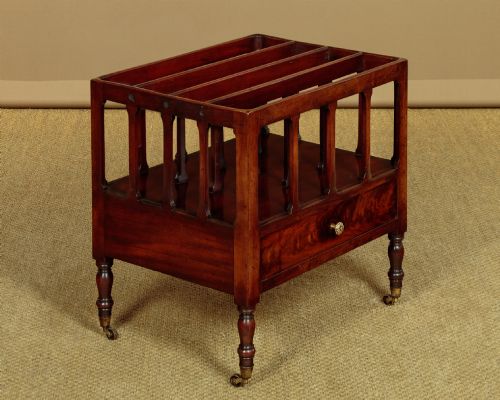
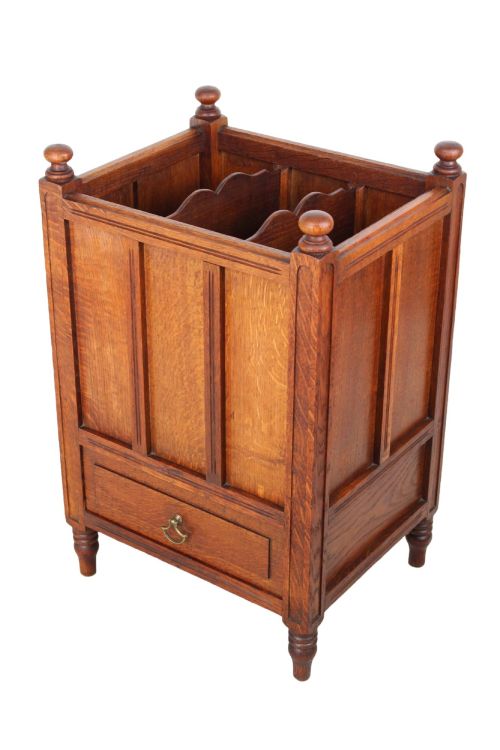
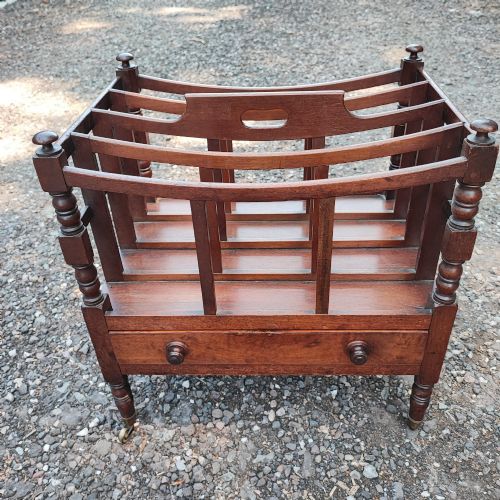
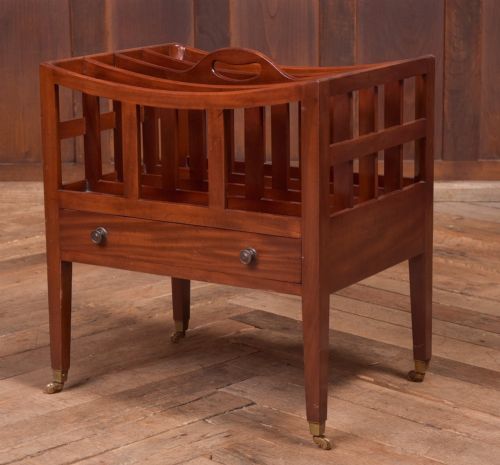
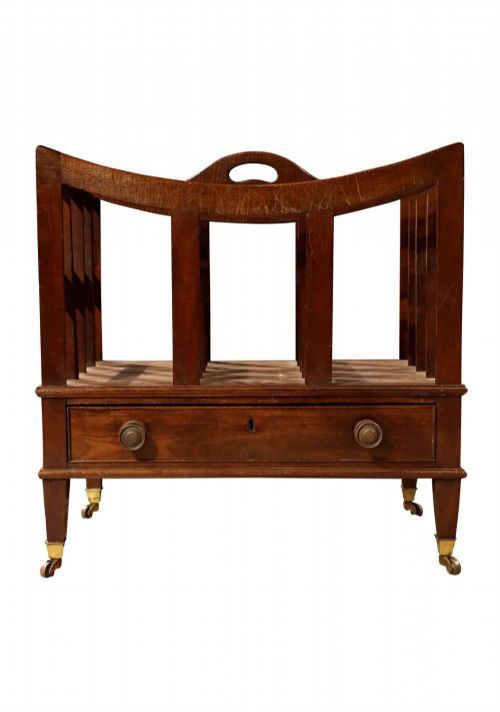
A vintage wooden newspaper rack organises your periodicals with traditional craft, taking the form of a classic mahogany or oak Canterbury.
Vintage Wooden Newspaper Rack
When you search for a vintage wooden newspaper rack, you encounter a variety of traditional stands designed to hold periodicals, sheets of music, and folios. These pieces originate from several distinct periods, stretching from the Georgian and Regency eras through the Victorian years and into the Edwardian period and the 1920s.
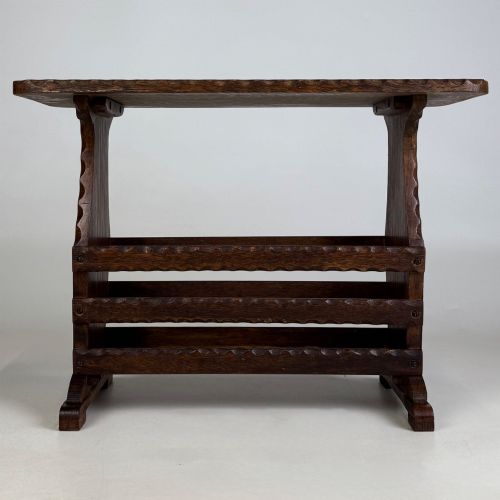
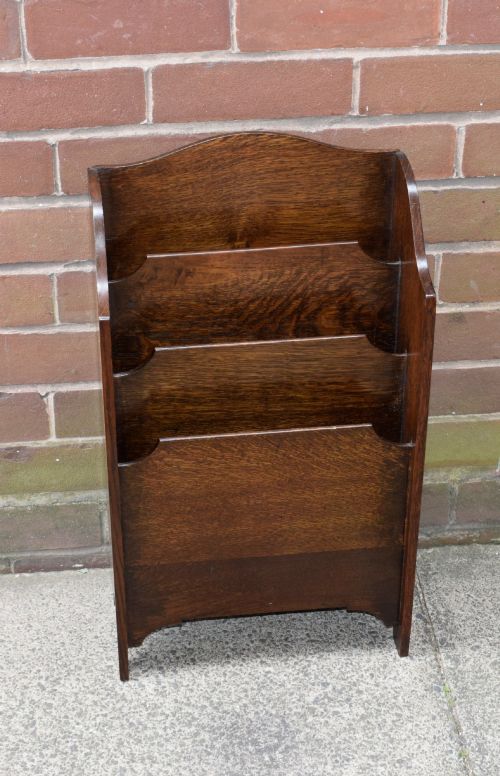
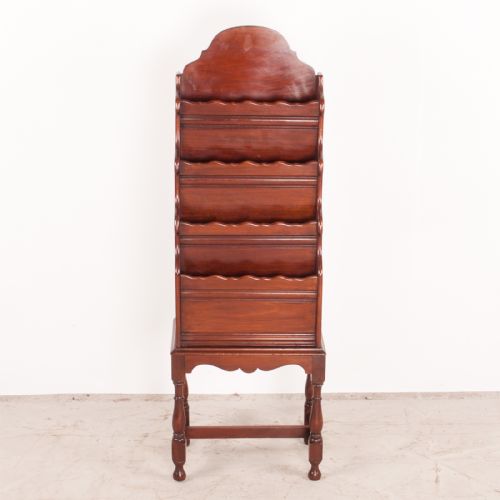
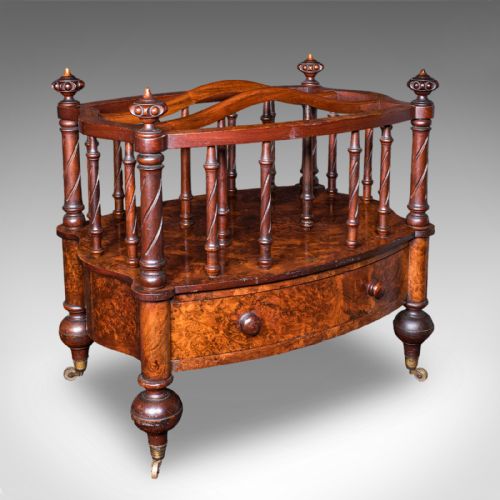
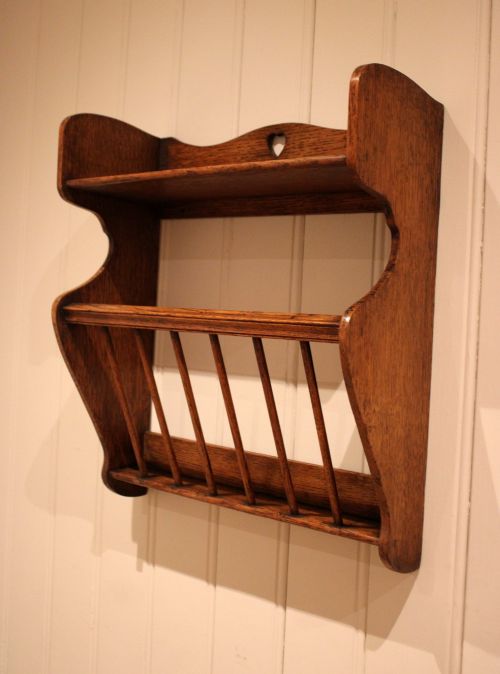
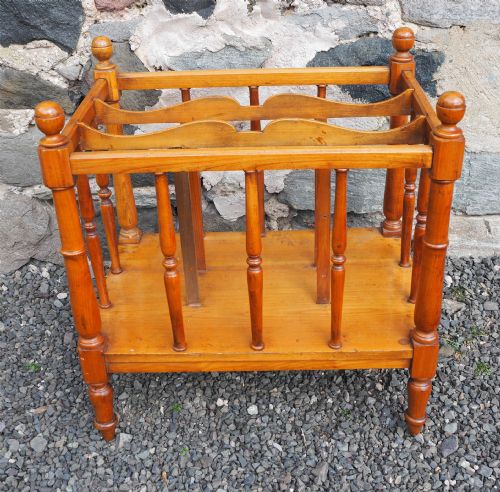
The most common form you meet on this page is the Canterbury, often featuring multiple vertical divisions and sometimes incorporating a lower drawer or standing on castors. Alongside traditional freestanding canterburys, you also find side tables, wall shelves, and simple magazine holders made from timber.
Originating in English country houses and town homes, these stands served practical domestic needs for keeping daily papers and weekly journals tidy. Today, buyers select them to bring period character and functional storage into modern living spaces.
How they were made
Cabinet makers utilised a selection of fine timbers, most notably mahogany, oak, and rosewood, alongside burr walnut, satinwood, boxwood, and fruitwood. These woods provided the structural integrity and rich grain patterns necessary for domestic furniture.
Construction techniques involved traditional joinery to build sturdy divisions, slatted sides, and tiered frames. Brass hardware, such as castors and handles, frequently complemented the woodwork, while decorative elements included inlaid motifs and turned legs.
Some nineteenth century canterburys feature integrated drawers specifically sized for storing loose sheet music alongside the daily papers.
What varies in quality
The distinction between standard pieces and the finest examples lies in the selection of timber and the sophistication of the joinery. Superior items display carefully matched wood grains, such as figured mahogany or burr walnut, combined with refined proportions and balanced design.
Execution of detail also separates the ordinary from the exceptional, visible in turned legs, fine brass castors, and crisp inlay work. Pieces from the Georgian and Regency periods often demonstrate higher standards of cabinet making compared to later mass-produced alternatives.
The Vintage Wooden Newspaper Rack Glossary
- Canterbury
- A low, freestanding stand with multiple divisions, originally designed to hold sheet music or newspapers. These pieces often feature slatted partitions and occasionally incorporate a drawer below.
- Regency
- A British design style spanning the early nineteenth century, characterised by classical restraint, elegant turned legs, and the use of dark timbers like mahogany and rosewood.
- Edwardian
- A period of furniture production spanning the early twentieth century, known for lighter proportions and decorative inlays set into mahogany or oak frames.
- Folio Stand
- A large rack designed to hold loose papers, prints, or large volumes upright. These stands typically offer deep storage sections suited to oversized publications.
- Inlaid
- A technique where contrasting woods, such as boxwood or satinwood, are set flush into the surface of a primary timber to create decorative patterns.
Vintage Wooden Newspaper Rack: Frequently Asked Questions
What is a Canterbury?
A Canterbury is a traditional piece of furniture featuring vertical partitions designed to hold newspapers, magazines, or sheet music.
Cabinet makers originally built them in the Georgian and Regency periods as moveable stands for domestic parlours and drawing rooms.
How do I date a wooden magazine rack?
Dating relies on identifying the timber, style, and construction methods characteristic of specific periods like the Regency or Edwardian eras.
Examining the wood grain, turned legs, and presence of brass castors helps determine whether a piece belongs to the early nineteenth century or the early twentieth century.
Can I use these racks for modern magazines?
These racks accommodate contemporary publications within their wooden divisions just as they held historical newspapers and journals.
Their sturdy construction from materials like mahogany and oak makes them practical for daily use in contemporary rooms.
What is the difference between a side table and a rack?
A side table primarily provides a flat surface top with auxiliary storage, whereas a newspaper rack focuses on vertical divisions for holding printed media.
Some hybrid designs combine a surface top with integrated magazine holders or lower shelves.
Were these stands made in pairs?
Most newspaper racks and canterburys were produced as singular standalone items for domestic use rather than as matched pairs.
Their varied forms reflect the specific requirements of individual nineteenth and twentieth century households.