
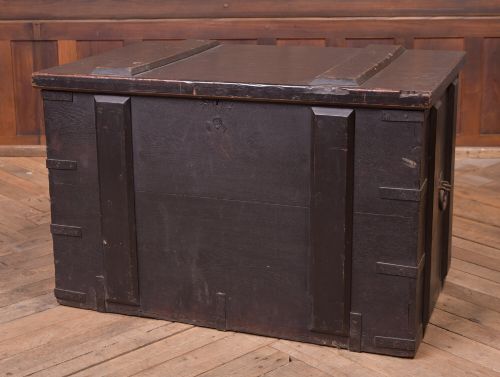
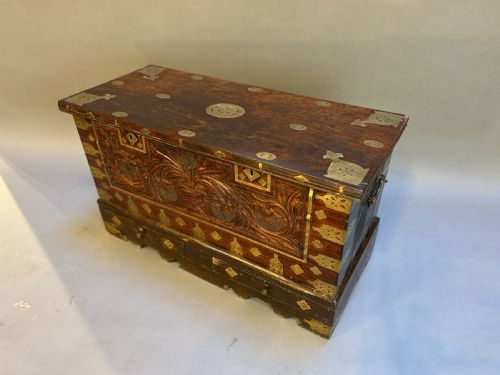


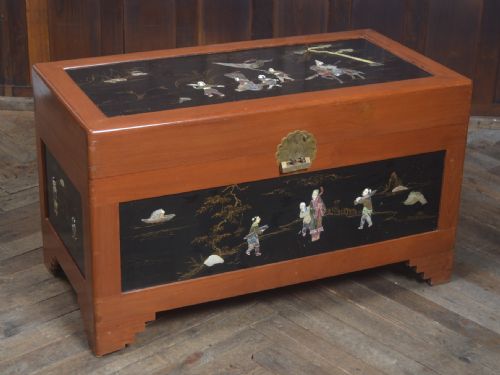

Vintage Wooden Hope Chest
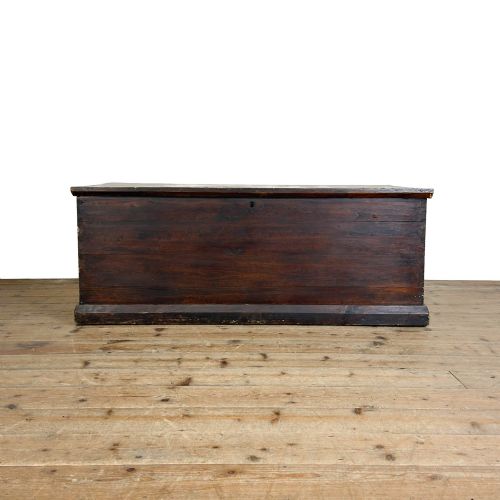
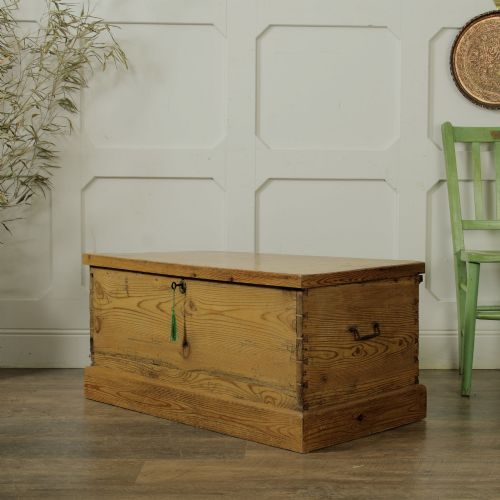
These vintage wooden hope chest pieces are sturdy storage boxes meant for household linens, and you want one for practical character.
Vintage Wooden Hope Chest
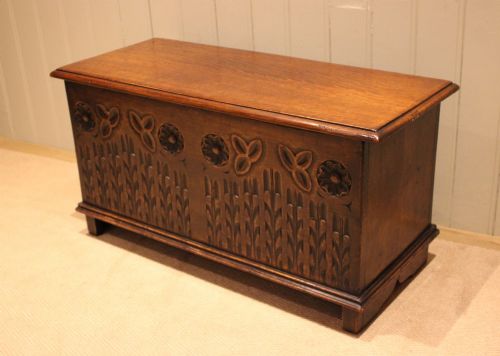
A vintage wooden hope chest serves as a traditional repository for blankets, linens, and personal keepsakes, keeping household textiles organised and protected. When searching for a vintage wooden hope chest, you will encounter diverse forms ranging from simple pine blanket boxes to elaborately carved camphorwood trunks.
The pieces listed span centuries from the 17th century through the Victorian era up to the 1930s, reflecting various domestic and global traditions. Regional expressions include Chinese export items, Anglo-Indian dowry chests, and rustic farmhouse coffers made for everyday utility.
Object types on this page encompass trunks and coffers, storage trunks, and even low boxes adapted into coffee tables. Pine and oak examples represent domestic utility, whilst camphorwood and teak variants point to maritime travel and colonial trade.
How They Were Made
Construction relies on solid timbers such as pine, oak, teak, camphor wood, and various hardwoods joined to withstand heavy household use. Carpenters utilised traditional joinery methods to build durable boxes capable of holding weighty textiles over generations.
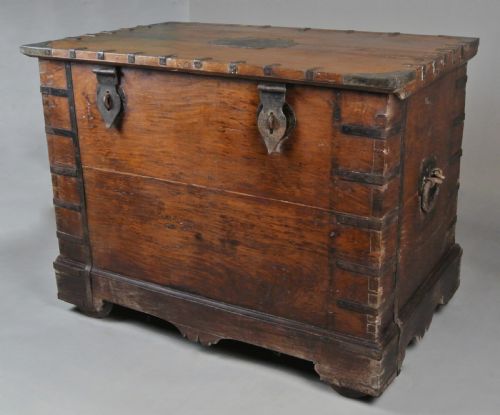
Metal reinforcement frequently appears in the form of brass straps, iron studs, and iron binding to secure corners and edges during transport. Surface treatments range from natural waxed finishes and limed oak to applied pigment on painted marriage and celebration chests.
Materials span sturdy pine and oak alongside exotic camphor wood and teak, complemented by brass and iron hardware.
What Varies in Quality
Quality separates standard utilitarian storage boxes from pieces featuring sophisticated regional carving or specialised trade materials. The choice of dense timbers like teak and camphor wood or richly carved Oriental motifs elevates a piece beyond basic pine utility.
Original hardware such as brass corners, decorative studding, and internal drawers distinguish superior examples from plain domestic boxes. The presence of original painted decoration or specialised regional styling, such as Anglo-Indian or Arts and Crafts influence, changes the character of the piece.
The Vintage Wooden Hope Chest Glossary
- Coffer
- A heavy wooden chest traditionally used for holding valuables or documents. These sturdy boxes often feature hinged lids and robust panel construction.
- Dowry chest
- A box prepared to hold household goods, linens, and garments for a bride. Families commissioned or decorated these pieces to celebrate a marriage.
- Zanzibar chest
- A heavily brass-studded hardwood chest originating from or influenced by East African trade routes. These storage pieces typically incorporate elaborate brass work and compartmented interiors.
- Camphor wood
- An aromatic timber utilised for trunks to repel insects and protect stored textiles. The distinct scent helps safeguard woollens and linens.
- Limed oak
- Timber treated with a specialised finish that leaves a white pigment in the grain. This technique highlights the natural texture of the wood.
Vintage Wooden Hope Chest: Frequently Asked Questions
What is a hope chest used for?
These boxes traditionally served to store household linens, blankets, and garments accumulated in anticipation of marriage.
Today, they function as versatile living room or bedroom storage solutions that conceal clutter while adding rustic or global character to a room.
How do I identify a camphor wood trunk?
Camphor wood trunks are recognised by their distinct aromatic scent, which naturally deters moths and insects from damaging stored woollens.
Many examples also feature intricate oriental carved reliefs depicting landscapes, figures, or floral motifs across the exterior panels.
What is the difference between a coffer and a trunk?
A coffer generally denotes a rigid wooden box with heavy panel construction, often associated with earlier centuries and formal domestic use.
Trunks and chests frequently incorporate metal bands, studs, or handles intended for travel, storage, and moving belongings between locations.
How do I care for an antique wooden chest?
Protect the timber by keeping the box away from direct heat sources and sudden humidity changes that can cause the wood to split.
Apply suitable wax polish sparingly to maintain the natural finish without trapping moisture on the surface of the antique wood.