
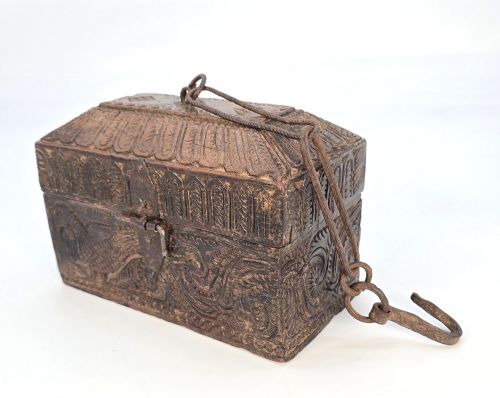


Dark Teak Storage Chest
These dark teak storage chests combine robust hardwood construction with distinctive brass and iron mounts, offering practical utility alongside rich historical character.
Dark Teak Storage Chest
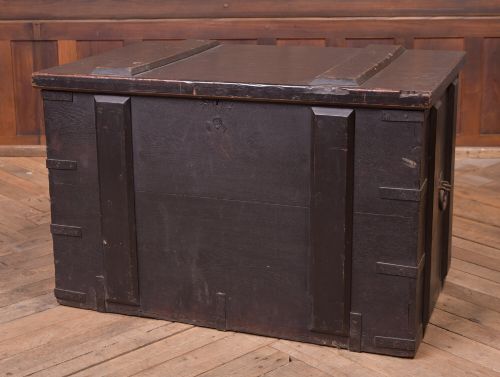
A dark teak storage chest provides deep compartment space housed within dense, durable timber frames. These pieces originate from various global trade routes, spanning periods from the eighteenth century through to the early twentieth century.
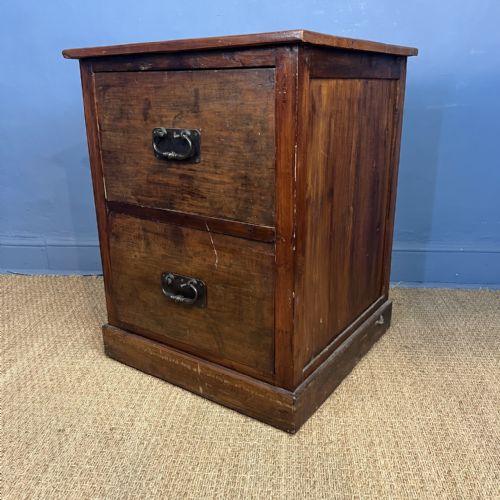
Buyers most frequently encounter nineteenth-century examples and Victorian colonial variants. The selection ranges from blanket boxes and dowry cabinets to multi-drawer filing units and spice boxes.
Regional styles include Anglo-Indian, Dutch colonial, and Zanzibar designs. Each form reflects the specific domestic or mercantile storage requirements of its place of origin.
What varies in quality
Quality differences rest in the complexity of the surface carving and the density of the metalwork. Finely chased brass mounts and dense, evenly figured teak distinguish superior specimens from simpler utility boxes.
Construction integrity and the survival of original hardware dictate the standing of a piece. Original locks, hinges, and handles elevate an example above those altered or repaired with replacement elements.
The listings span the eighteenth, nineteenth, and early twentieth centuries, featuring teak, hardwood, brass, and wrought iron across colonial styles.
The Dark Teak Storage Chest Glossary
- Teak
- A durable tropical hardwood known for its dense grain and resistance to moisture. It forms the primary structural material for these storage chests.
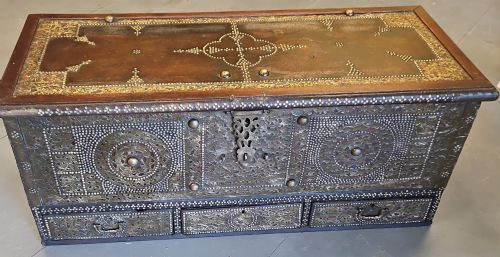
- Zanzibar chest
- A distinct type of trunk traditionally associated with East African trade routes. These pieces typically feature heavy brass studding and strapwork.
- Cellarette
- A specialised cabinet or chest designed for holding bottles or decanters. Examples appear within nineteenth-century colonial contexts.
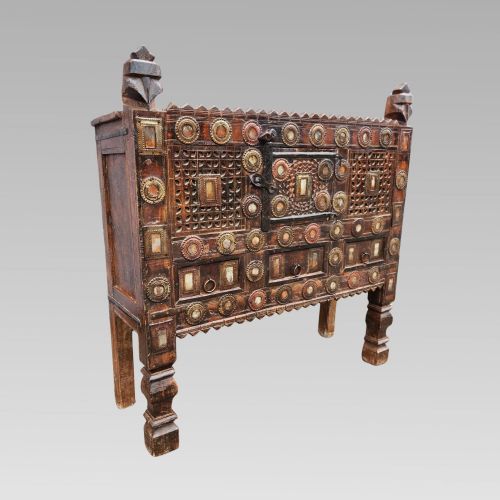
- Damchiya
- An Indian folk art storage cabinet or dowry chest. These forms frequently incorporate deeply carved panels and integrated drawer sections.
Dark Teak Storage Chest: Frequently Asked Questions
Where were these chests made?
The listings show origins spanning India, Zanzibar, and various colonial outposts.
Craftsmen utilised local timbers to build robust furniture for domestic storage and maritime transport.
How do I date a teak chest?
Dating relies on examining the construction methods, the style of the brass mounts, and the specific timber preparation. Eighteenth-century examples differ perceptibly from Victorian or 1920s pieces in their joinery.
Hardware styles and regional decorative motifs also provide clear indicators of period origin.
Can I use a chest as a coffee table?
Many buyers repurpose flat-topped trunks and coffers as low centre tables in living spaces. The flat wooden lids provide stable surfaces while the interior offers concealed storage.
Care should be taken to protect the historical timber finishes from moisture and direct heat.
What is an Anglo-Indian chest?
Anglo-Indian pieces combine traditional Indian carving techniques with European furniture forms. British commissioners and residents influenced local craftsmen to produce items suiting Western domestic interiors.
These objects often blend dense teak construction with elaborate surface decoration.