


Vintage Wooden Hall Rack
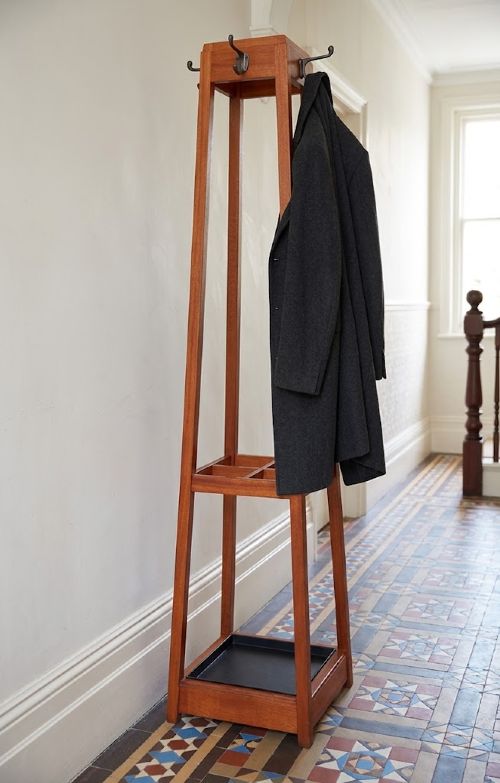
A vintage wooden hall rack organises coats, hats and umbrellas in an entryway while bringing period character to a narrow space.
Vintage Wooden Hall Rack
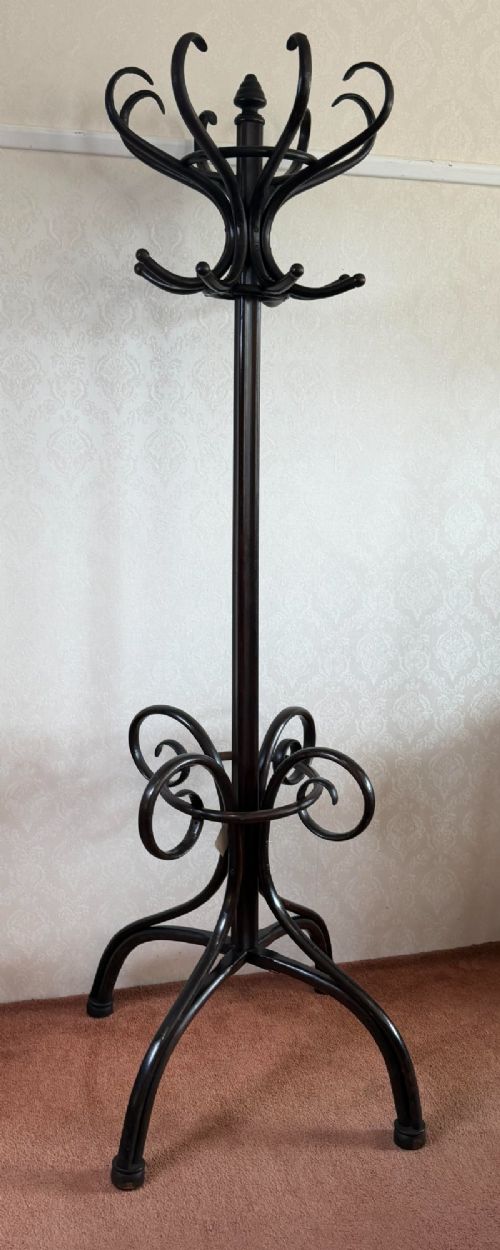
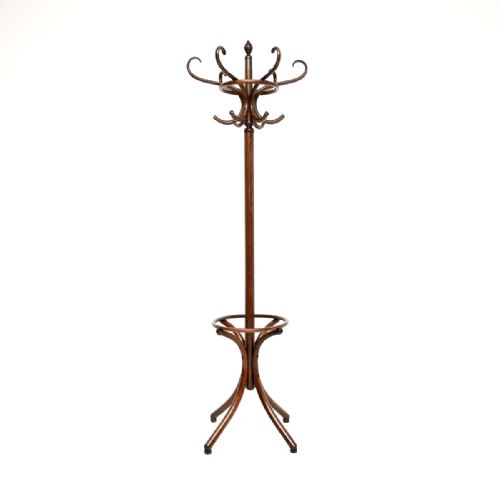
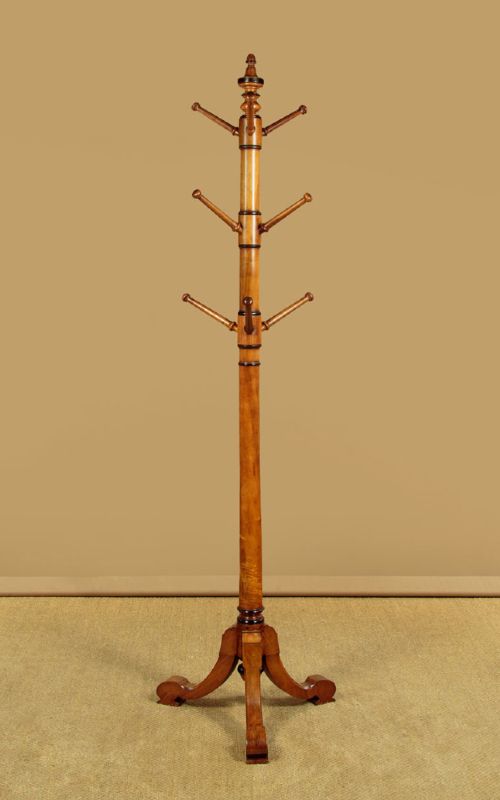
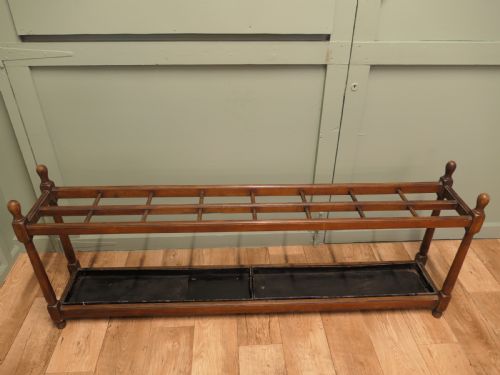
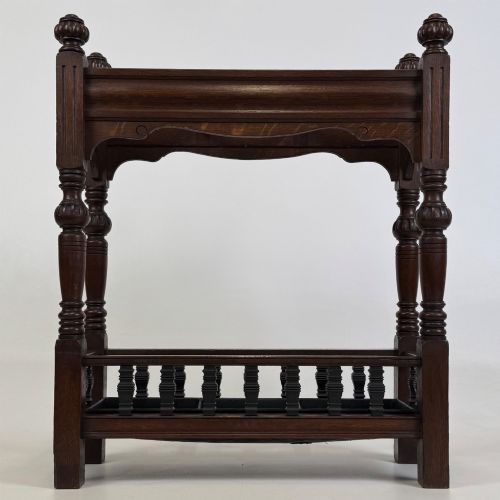
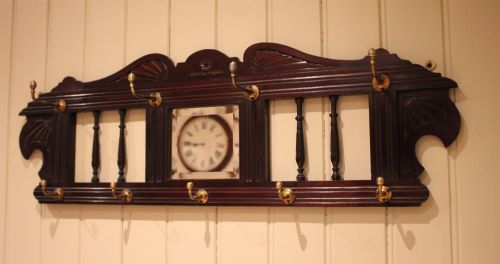
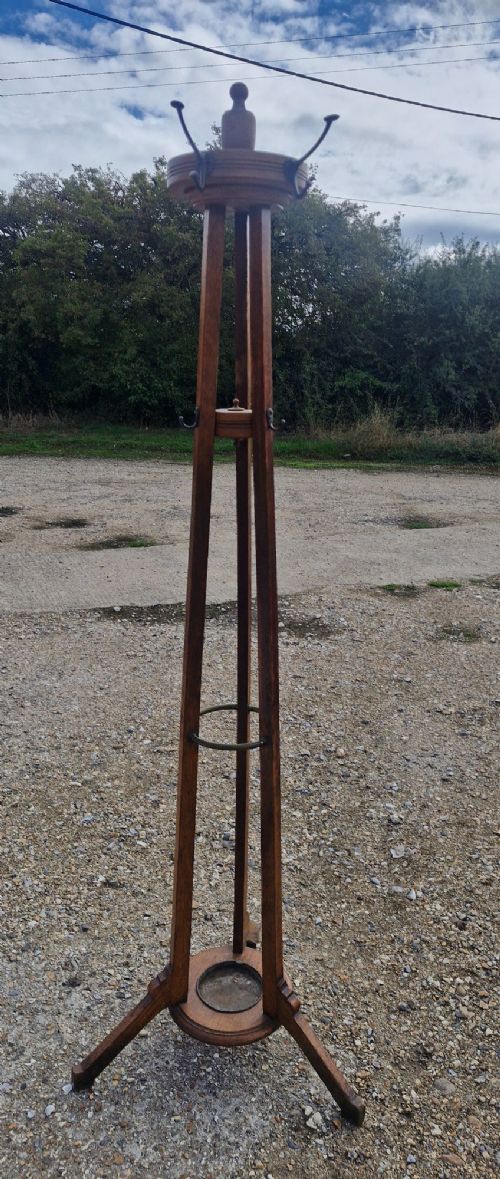
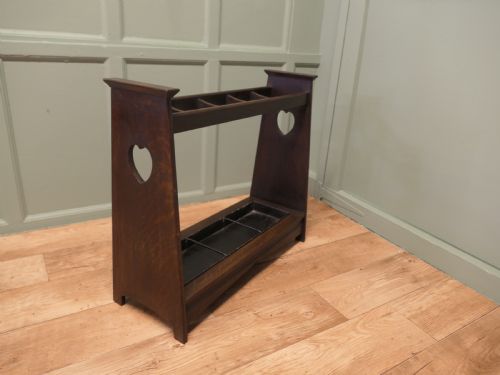
A vintage wooden hall rack combines hooks, mirrors, umbrella holders and seating in a single piece designed for an entrance hallway. These functional items range from compact wall-mounted coat racks to large multi-functional hall seat stands that incorporate drip trays. Buyers frequently encounter oak and bentwood examples dating from the Victorian and Edwardian periods.
How they were made
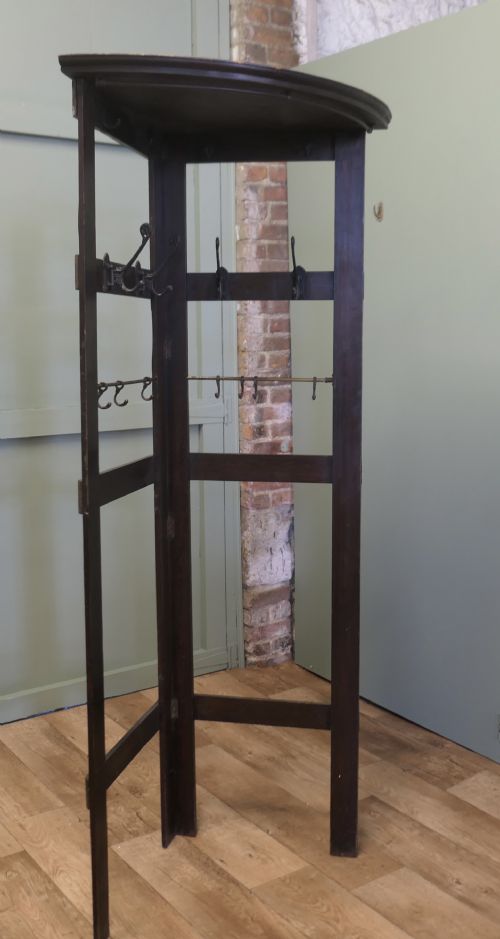
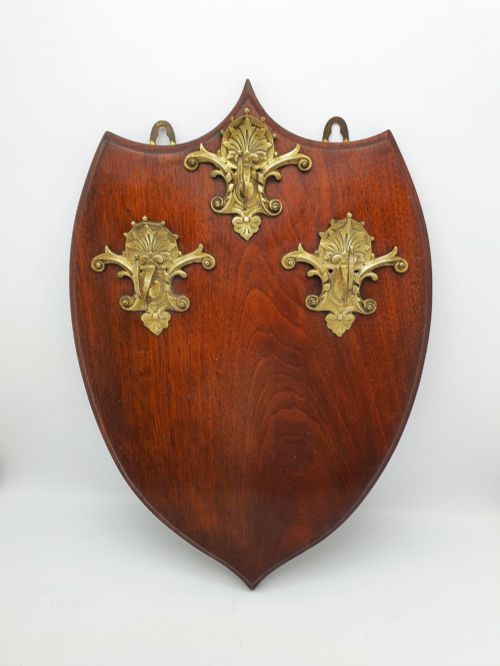
Cabinet makers utilised solid oak, mahogany and pine for traditional framed hall stands, often incorporating bevelled glass mirrors and tiled panels. Metal components such as brass hooks, iron drip trays and cast iron umbrella rings provide robust utility to wooden structures.
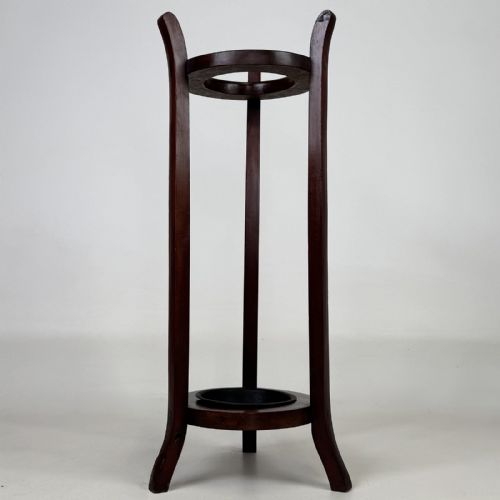
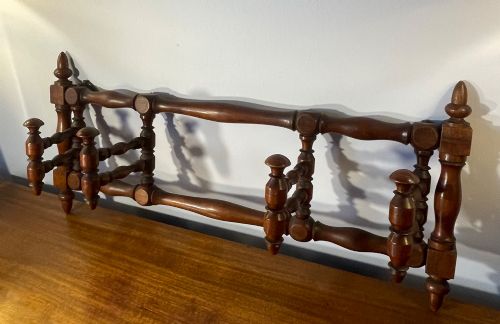
Bentwood examples rely on steam-bending solid beech or beechwood into fluid curves, creating lightweight yet resilient hatstands and hall trees. Wall-mounted racks frequently feature turned wooden rails fitted with ceramic or metal hooks.
Many pieces include built-in drip trays to catch puddles left by walkers caught in British showers.
What varies in quality
Construction methods and timber selection divide standard production items from finer workshop pieces. Superior examples demonstrate tight joinery, substantial timber thickness and well-finished mouldings, whereas simpler pieces rely on basic assembly.
Original hardware, including matching brass hooks, integrated drip trays and intact ceramic elements, elevates a piece. The fluidity of steam-bent curves and the preservation of original surfaces also determine distinction.
Thonet·Liberty Design
The Vintage Wooden Hall Rack Glossary
- Bentwood
- Wood that has been rendered pliable by steam and then bent into curved shapes. This technique defines lightweight coat stands and hall trees from the late nineteenth and early twentieth centuries.
- Hall Tree
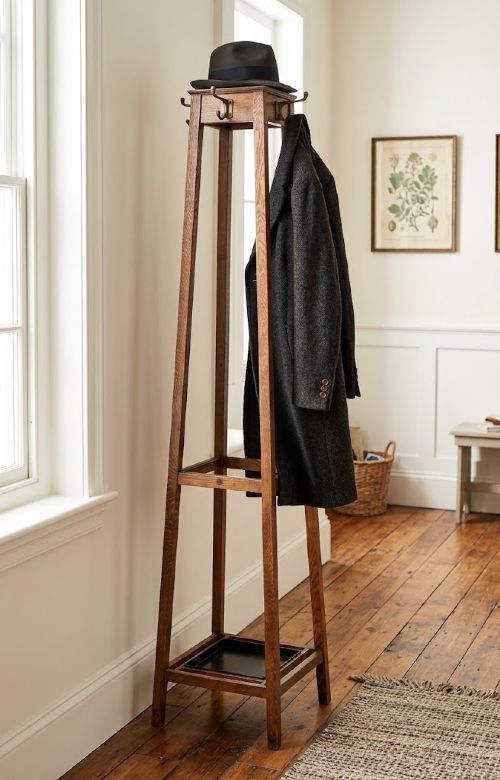
- A freestanding piece of hallway furniture combining coat hooks, a hat rack, an umbrella stand and frequently a bench seat with storage. They provide comprehensive entryway utility.
- Drip Tray
- A metal basin positioned at the base of a stick or umbrella stand to catch rainwater from wet umbrellas. These trays protect wooden floors from moisture damage.
- Arts and Crafts
- A design movement prioritising traditional craftsmanship, visible construction and the natural qualities of materials such as golden oak. Pieces from this style avoid excessive machine ornamentation.
- Aesthetic Movement
- A late nineteenth-century design approach focused on visual beauty and artistic expression rather than narrative content. It influenced the clean lines of oak hall furniture.
Vintage Wooden Hall Rack: Frequently Asked Questions
How do I choose the right size hall rack?
Measure available floor space and ceiling height carefully before selecting a freestanding hall tree or hatstand. Wall-mounted racks suit narrow corridors where floor space is limited.
Consider the volume of coats and umbrellas your household generates to determine whether a simple coat rail or a multi-functional hall seat stand works best.
Were these racks used in homes or public buildings?
Most surviving hall racks originated in domestic Victorian and Edwardian entrance halls to receive outdoor garments and walking gear upon arrival. Larger multi-functional hall seat stands were designed for substantial family homes.
Simpler wall-mounted coat rails and umbrella stands served similar domestic purposes in smaller hallways or vestibules.
How do I care for antique bentwood furniture?
Keep bentwood pieces away from direct heat sources and dramatic humidity fluctuations to prevent the steam-bent beech from warping or cracking. Dust regularly with a dry cloth and avoid harsh chemical cleaners.
Check screw joints periodically to ensure the structure remains stable under the weight of heavy coats and hats.