


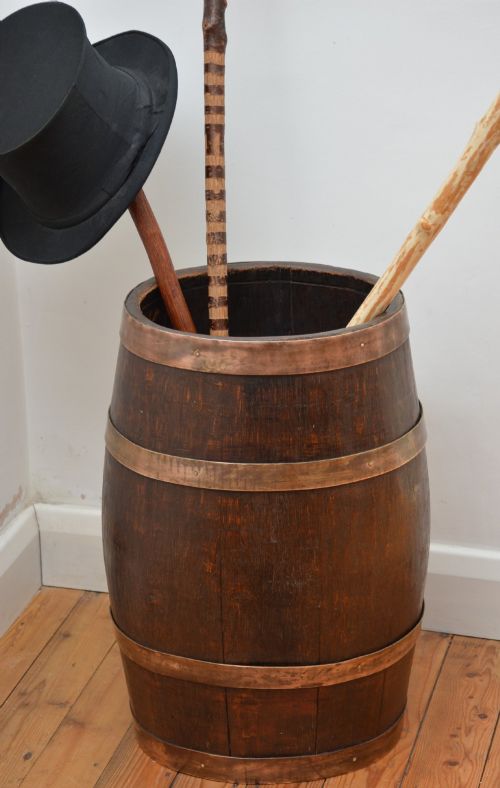
Victorian Oak Umbrella Stand
When you search for a victorian oak umbrella stand, you encounter robust hall furniture built to manage the damp weather of nineteenth-century country houses and town residences.
Victorian Oak Umbrella Stand
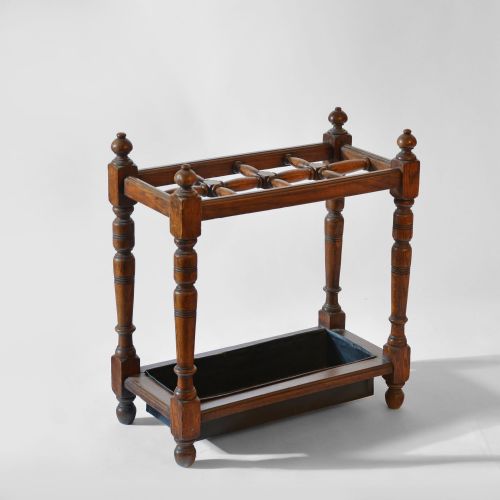
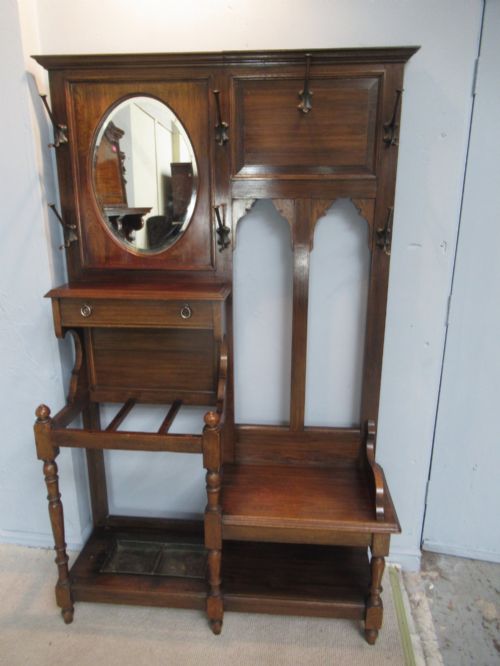
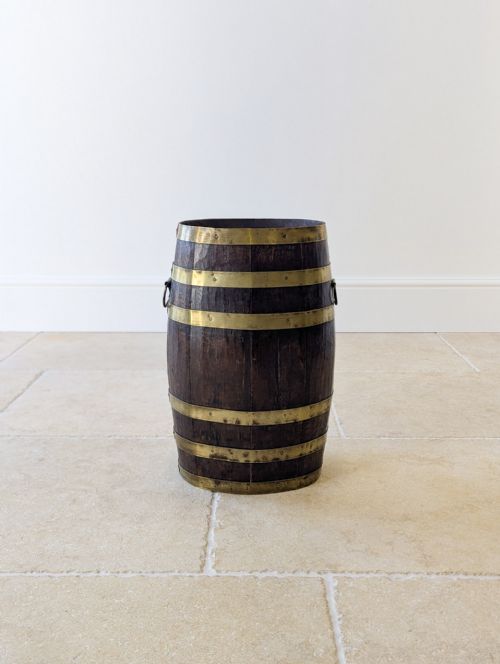
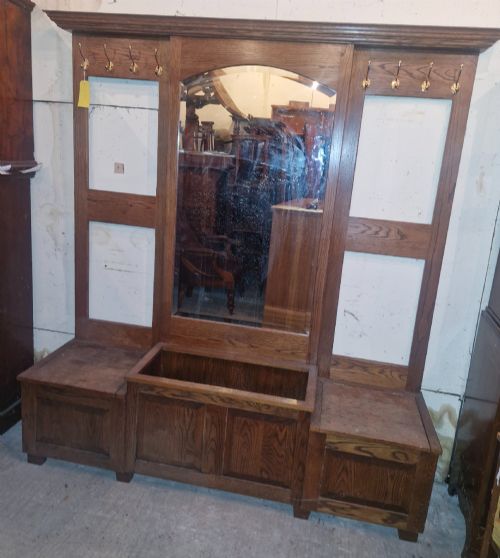
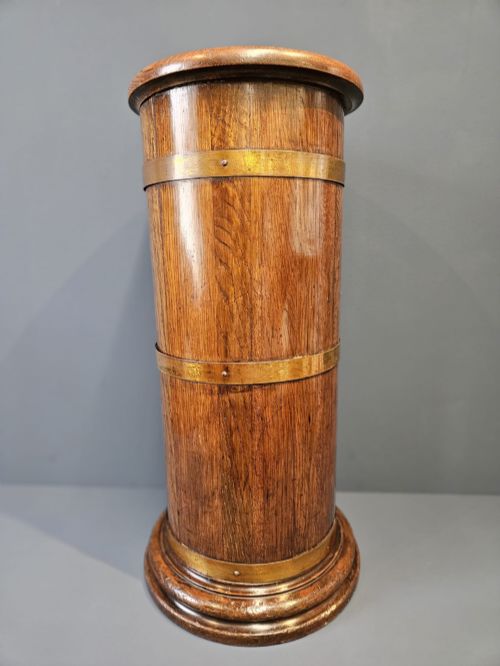
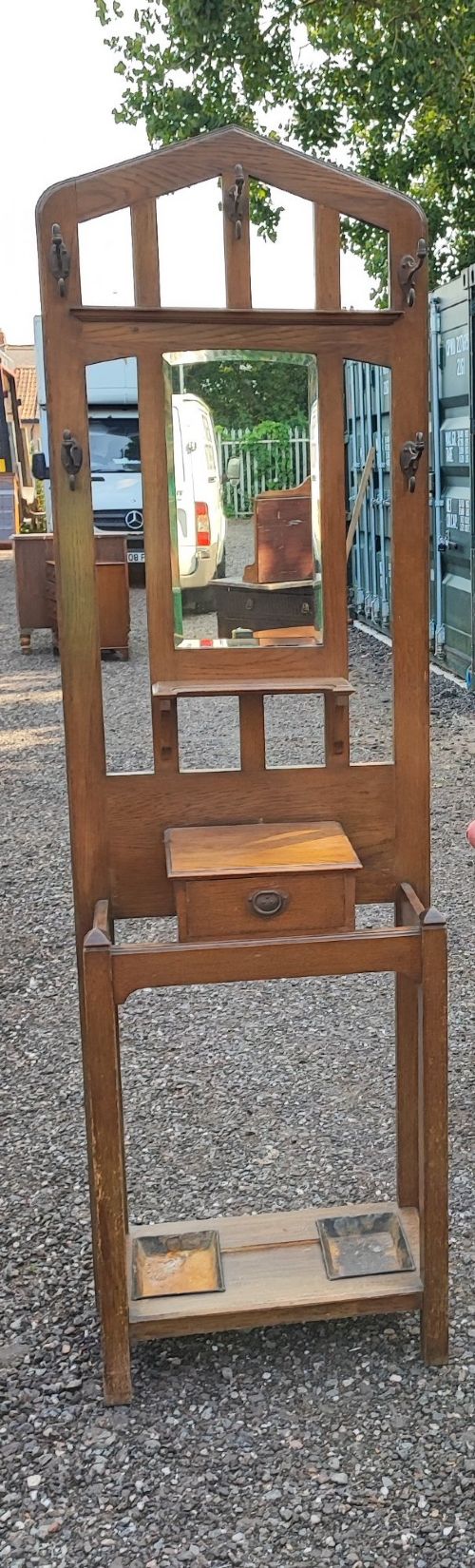
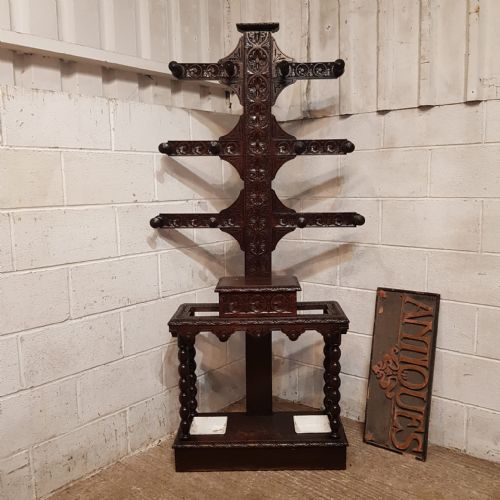
A victorian oak umbrella stand serves as a practical entrance hall piece designed to hold walking sticks, parasols and wet umbrellas. Buyers frequently encounter coopered barrel forms and turned column racks alongside multifunctional hall stands that incorporate coat hooks, mirrors and seats.
Most examples originate from the nineteenth and early twentieth centuries, spanning periods from mid Victorian cooperative designs to Edwardian golden oak variations. The selection includes country house pieces, gothic revival items and aesthetic movement versions intended for grand hallways or smaller vestibules.
How they were made
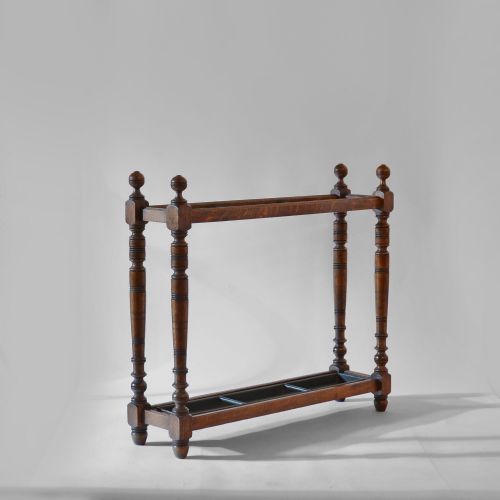
Maker workshops utilised solid oak staves held together by brass or iron bands to construct coopered barrel umbrella pots. Carpenters also turned timber into bobbin legs, barley twist supports and columns for rectangular and square stick racks.
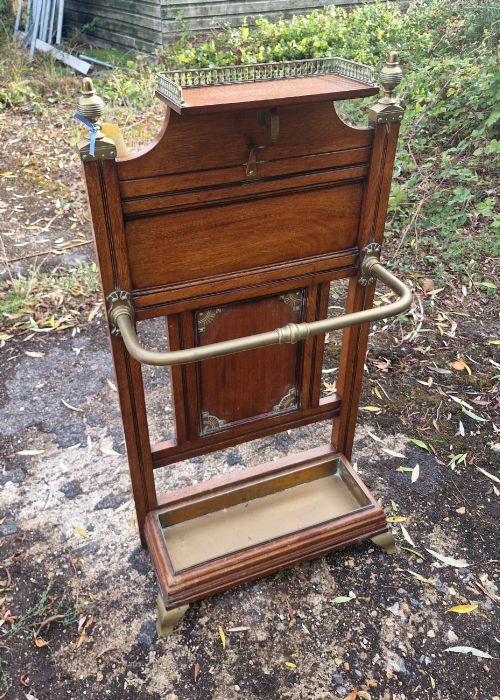
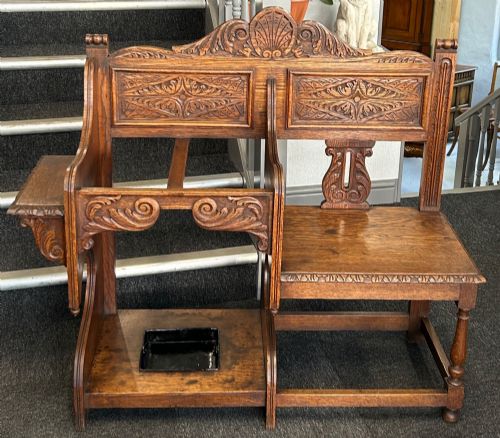
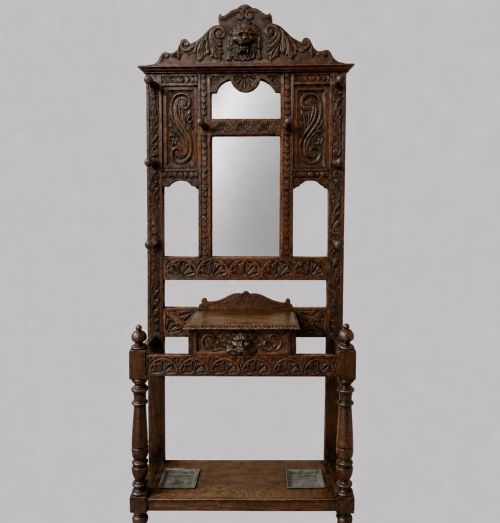
Carved details often feature applied ornamentation, gothic arches, and carved green man motifs or animal forms. Metal elements such as zinc or brass drip trays catch moisture at the base to protect the wood.
Victorian Oak Umbrella Stand Retail Price Guide 2026
Typical asking prices for victorian oak umbrella stand among the pieces listed under this phrase on Sellingantiques today, from the lower quarter to the upper quarter. They describe what is for sale here now, not the wider market.
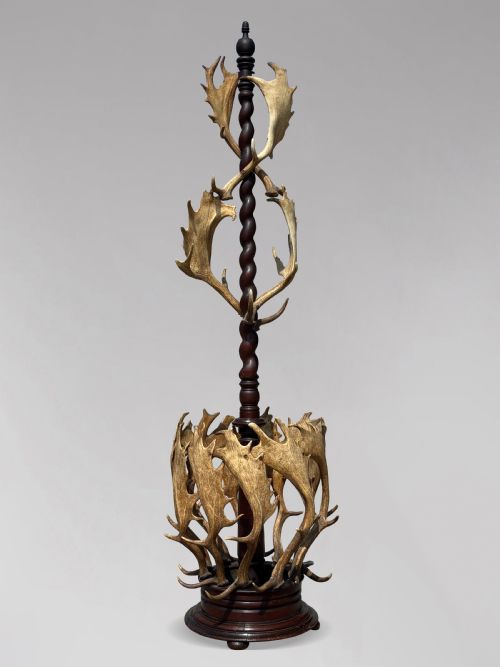
Some Victorian entrance halls kept order with massive carved oak tree stands watched over by wooden bears or green men.
What varies in quality
Quality rests in the weight of the timber, the crispness of hand carving, and the structural integrity of the coopered staves or joined frames. Pieces intended for exhibition or grand country houses display deeper relief carving and heavier brass fittings.
Simpler domestic versions rely on plain turned spindles and standard square frames while retaining the same utilitarian purpose. The presence of original metal liners and matching drip pans adds to the completeness of an example.
J Parker of Woodstock·Liberty and Co·William Whiteley
The Victorian Oak Umbrella Stand Glossary
- Coopered
- Construction method using curved wooden staves bound together by metal hoops, similar to barrel making.
- Green man
- A sculptural architectural decoration depicting a human face entwined with leaves and foliage.
- Hall stand
- A tall hallway item combining umbrella storage with hat hooks, coat pegs and frequently a central mirror.
- Demi lune
- A half moon shape used for furniture designed to sit flush against a hallway wall.
- Barley twist
- A type of decorative wood turning resembling a spiral rope or screw thread.
Victorian Oak Umbrella Stand: Frequently Asked Questions
What is a coopered umbrella stand?
A coopered umbrella stand is built using curved wooden staves bound together by metal hoops, following traditional barrel-making techniques. These cylindrical vessels were designed to withstand heavy daily use in country house boot rooms and entrance halls.
Coopered oak examples often feature brass bands or iron braces, providing structural strength while keeping wet umbrella tips contained away from floorboards.
How do I spot a hall stand with integrated storage?
Many larger hallway pieces combine stick compartments with hat hooks, coat pegs, small glove drawers and central mirrors. These multifunctional units were essential furniture for Victorian entryways.
Buyers should look for matching umbrella wells flanked by turned supports or carved panels, frequently accompanied by original metal drip trays positioned underneath.
What is the difference between a stick stand and an umbrella stand?
In nineteenth-century terminology the terms were often used interchangeably for pieces holding walking sticks, riding crops and wet umbrellas. Stand divisions inside rectangular frames guided individual items to keep them upright.
Smaller square or circular racks typically held four to six items, whereas country house variants featured twenty-four divisions or large barrel capacities for guests.
Where were these pieces placed in a house?
These items stood in entrance halls, vestibules and boot rooms where residents and visitors removed outerwear upon entering. Their primary function was catching rainwater and mud from walking gear.
Demi lune and flat-backed variants sat flush against hallway walls to maximise floor space in narrow Victorian corridors while remaining immediately accessible.