
Vintage Wooden Figurine
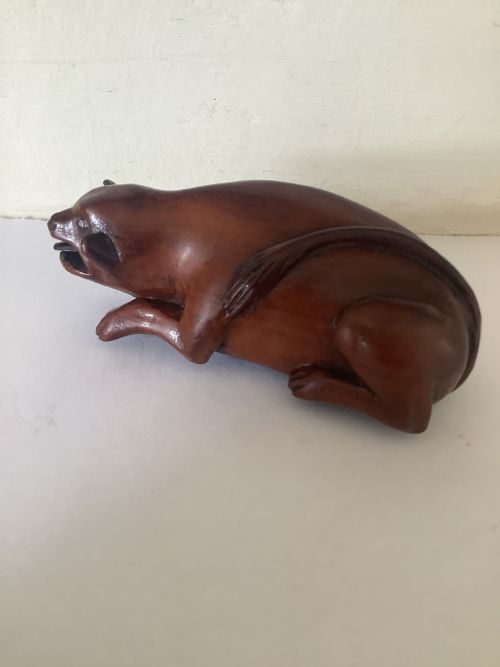
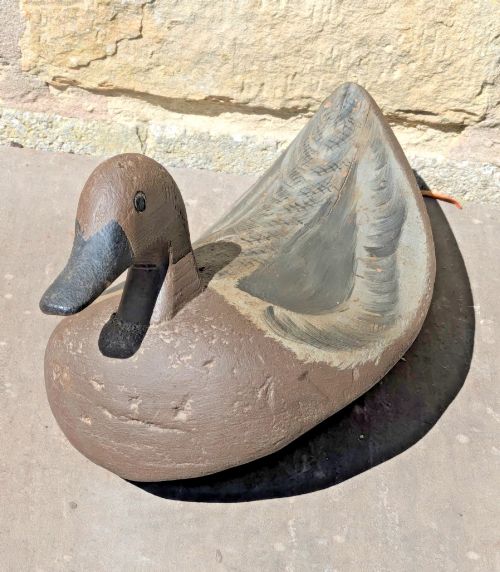
A vintage wooden figurine brings character to a room through carved animal and human forms originating across different periods and traditions.
Vintage Wooden Figurine
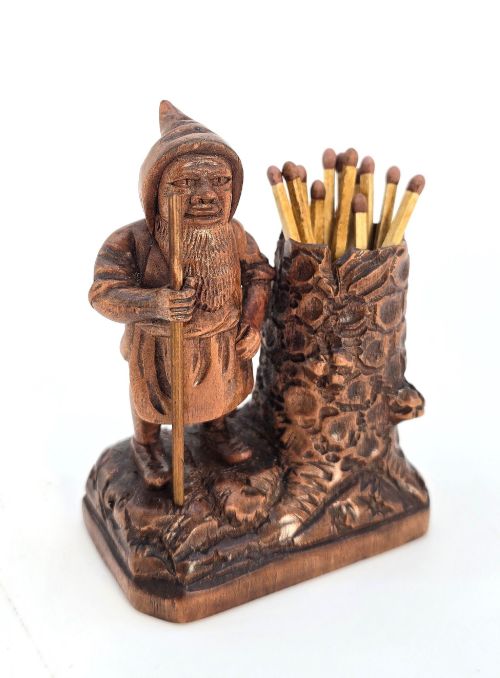
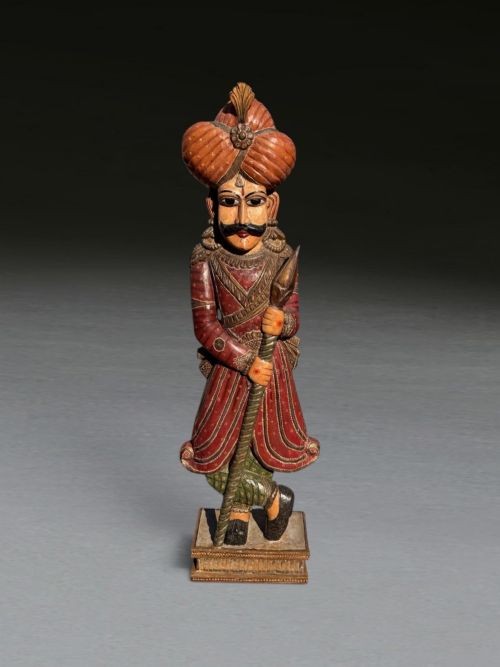
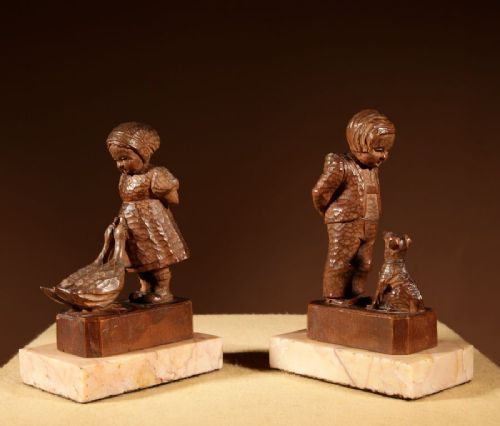
A vintage wooden figurine encompasses carved sculptures, decorative objects, and functional pieces such as match holders and snuff boxes created across the nineteenth and twentieth centuries. The selection includes folk art carvings, Black Forest animal studies, and regional figures depicting soldiers, dancers, and animals.
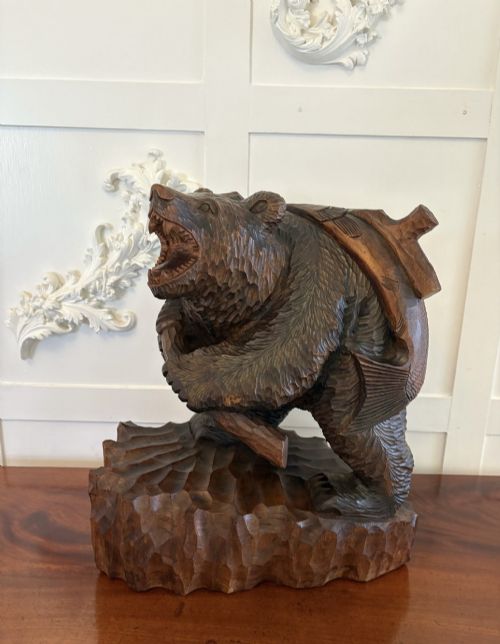
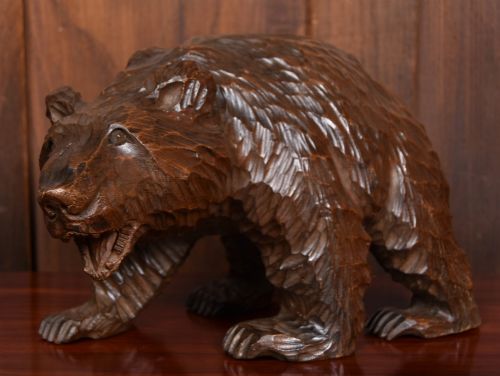
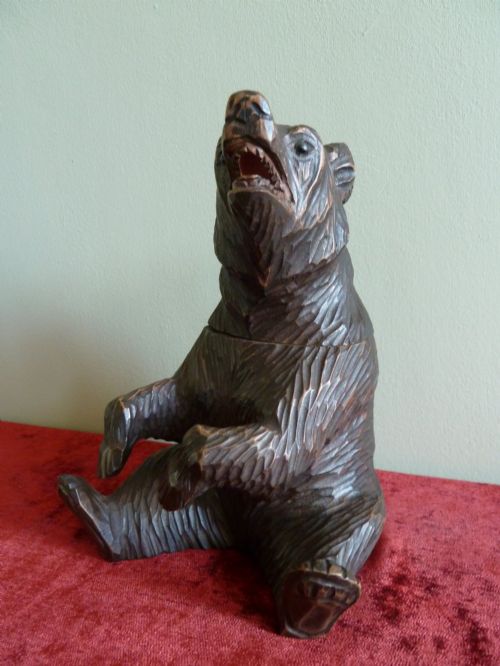
Buyers frequently encounter Black Forest bears, Japanese carvings including bears and geisha figures, and Indian Raj period elephants in various hardwoods. These pieces range from naive folk carvings to detailed sculptures reflecting European and Asian traditions.
How They Were Made
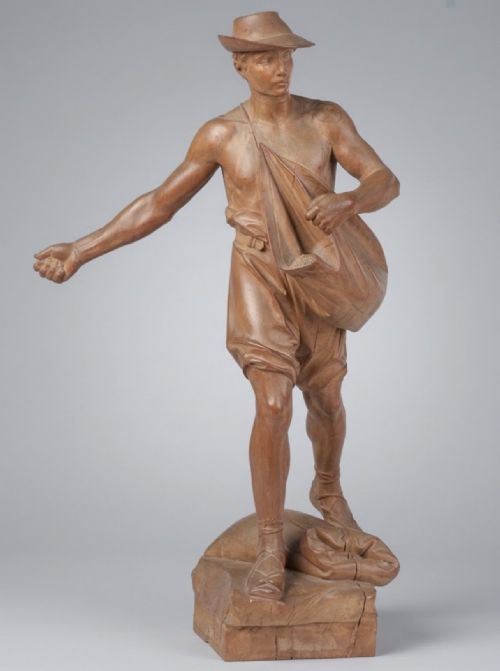
Carvers utilised local timbers including limewood, boxwood, fruitwood, and general hardwoods, shaping them with hand chisels and knives. Many pieces receive surface treatment through hand painting or retain the natural grain of the wood.
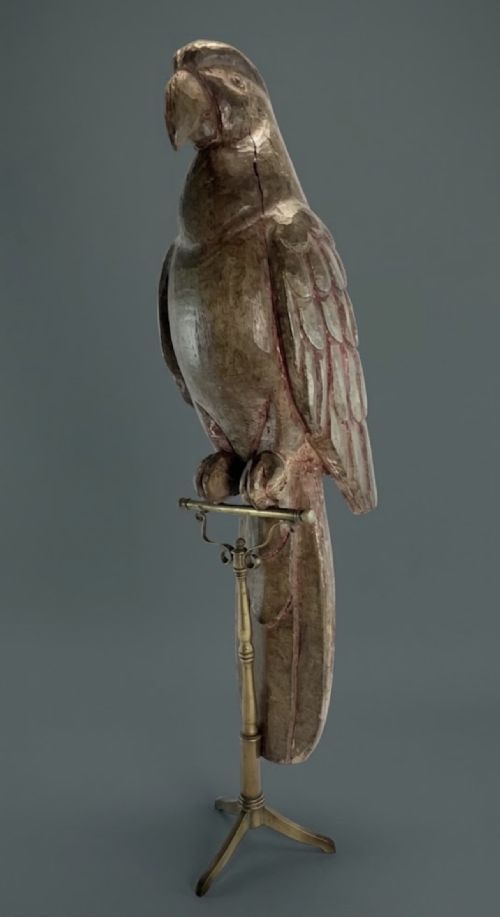
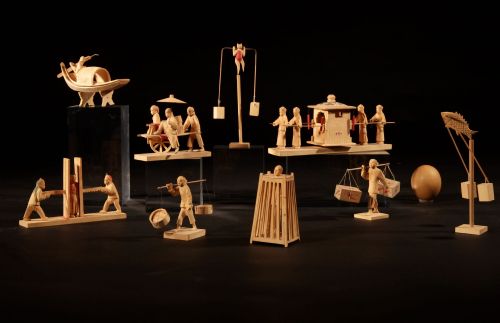
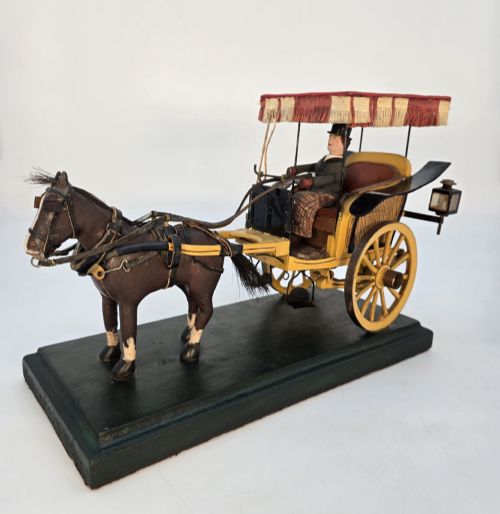
Selected examples incorporate mixed media elements such as brass stands, glass or stud eyes, and painted details to articulate the subject. Construction methods vary from solid log carving to articulated joints and scratch built models.
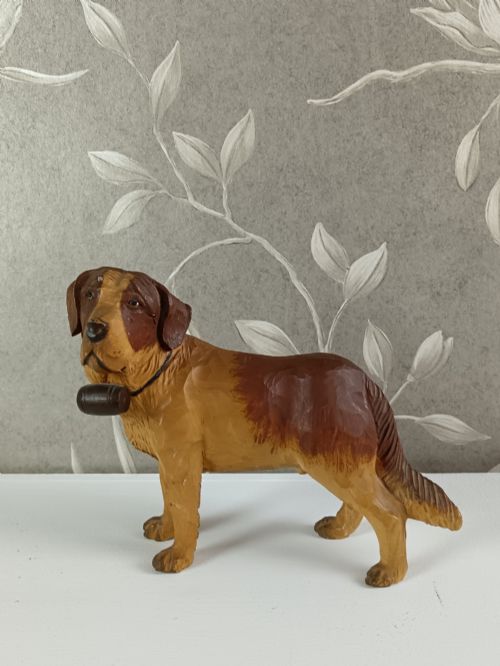
Saint Bernard rescue dogs appear ready for alpine duty, complete with miniature wooden kegs.
What Varies in Quality
Quality rests in the precision of the carving and the life captured in the subject, distinguishing master work from mass production. Anatomy, expression, and the handling of texture reveal the carver's skill.
The integration of material and form dictates distinction, where the natural characteristics of the wood complement the intended pose of the figure. Signed works and specific regional styles often demonstrate superior execution.
Hermann Steiner·Jules Buste Labatut·H S Andy Anderson·Sier Kunst
The Vintage Wooden Figurine Glossary
- Black Forest
- A style of wood carving originating from the Brienz region of Switzerland, known for realistic animal figures, particularly bears. These items date predominantly from the nineteenth and early twentieth centuries.
- Folk Art
- Objects created by self-taught or traditional craftsmen for domestic or local use rather than the fine art market. The style prioritises expression over strict anatomical accuracy.
- Raj Period
- Items produced during British rule in India, frequently depicting local fauna and figures in dense tropical hardwoods. Elephants and human subjects are common motifs in this group.
Vintage Wooden Figurine: Frequently Asked Questions
What woods were used for these?
Carvers utilised a range of timbers including limewood, boxwood, fruitwood, oak, and dense tropical hardwoods depending on the region of origin. The choice of wood often dictated the level of detail achievable in the final sculpture.
European workshops frequently selected limewood or fruitwood for soft handling, while Asian and African pieces often employ heavier, darker hardwoods suited to local climates.
How do I care for wooden figures?
Keep carved wooden items away from direct heat sources and strong sunlight to prevent the timber from drying out and cracking. Gentle dusting with a soft, dry brush preserves the surface finish.
Avoid applying modern polishes or oils unless the specific piece requires moisture replacement, as natural patinas build up over decades of handling.
Are these figures signed?
Signatures appear occasionally on specific pieces, sometimes carved directly into the base or recorded on attached paper labels. Dated examples provide a clear marker for the period of manufacture.
Unsigned pieces remain common, particularly within folk art and regional traditions where makers focused on the utilitarian or decorative function of the object.
Where were Black Forest carvings made?
Authentic Black Forest carvings originated primarily in Switzerland and Germany during the nineteenth and early twentieth centuries. The Alpine region developed a specialised industry centred on animal sculptures and functional household items.
Bears, owls, and dogs are the most frequent subjects found within this distinct tradition of limewood carving.