


Vintage Wooden Dining Seats
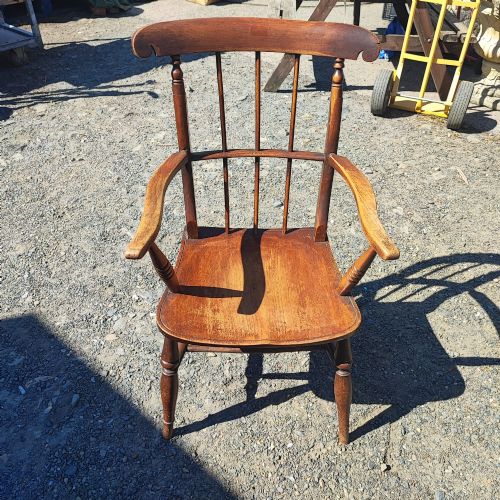
These vintage wooden dining seats range from robust country Windsor chairs to formal mahogany sets.
Vintage Wooden Dining Seats
Vintage wooden dining seats encompass a wide assortment of chairs, benches, and stools designed for dining and daily use across domestic and institutional settings. Buyers searching this phrase encounter everything from single country kitchen chairs to large sets intended for formal dining rooms.
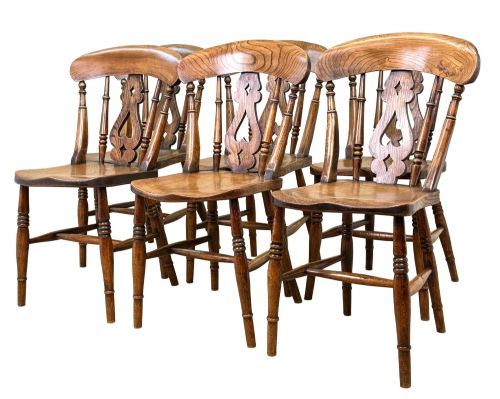
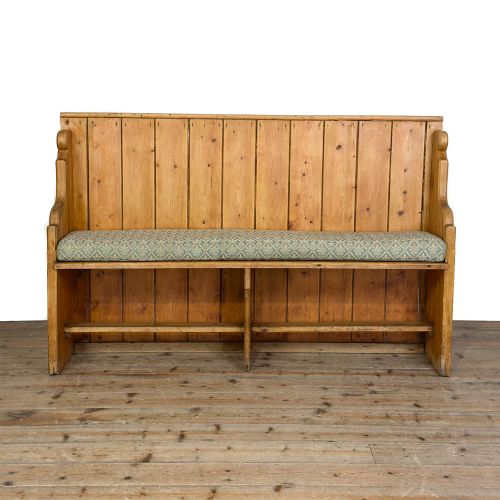
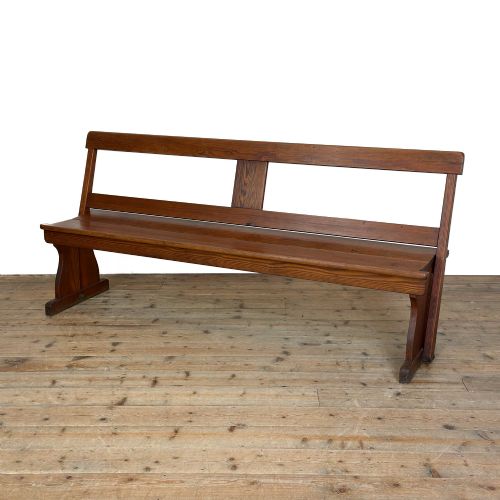
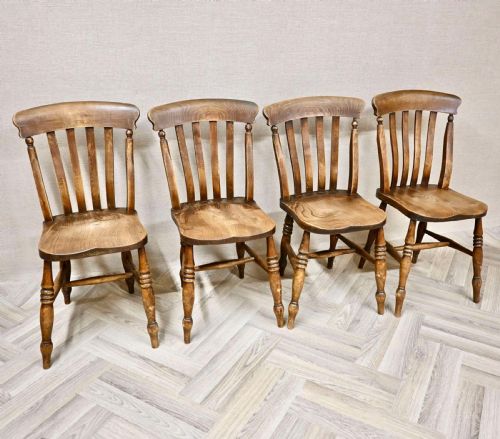
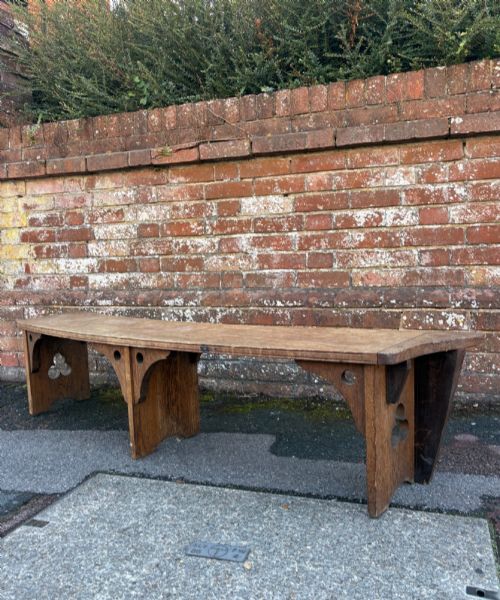
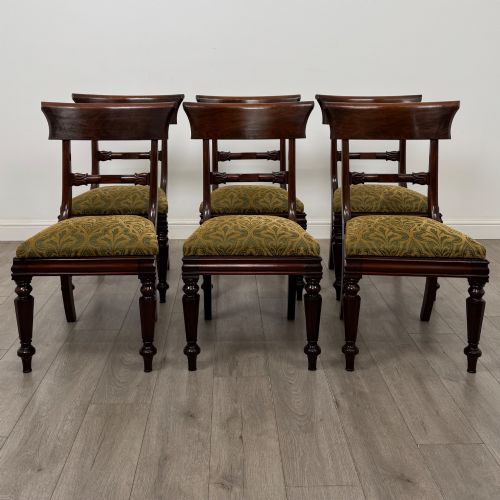
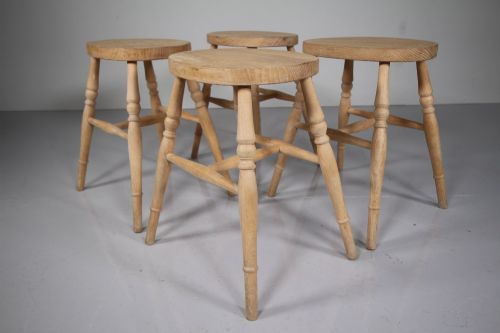
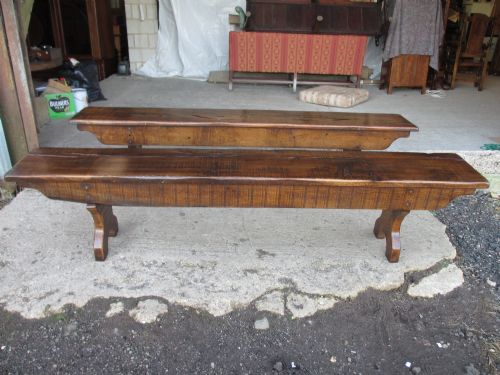
The most common forms on this page include sturdy Windsor chairs in elm, ash, and beech, alongside formal mahogany sets reflecting Regency and Victorian cabinet-making traditions. Sturdier benches and pews in oak and pine also appear alongside lighter bentwood bistro models.
Origins span formal English workshops and rural vernacular traditions from the eighteenth, nineteenth, and early twentieth centuries. Pieces arrive as single items, matched pairs, or larger harlequin sets gathered over time.
How they were made
Makers utilised solid timbers such as mahogany for formal dining chairs, while vernacular country pieces relied on combinations of elm seats, ash spindles, and beech turnings. Oak and pitch pine served for heavier benches, refectory tables, and church pews.
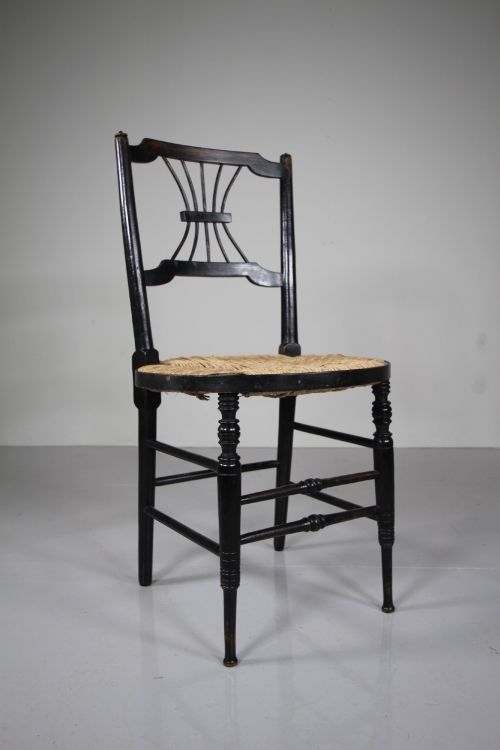
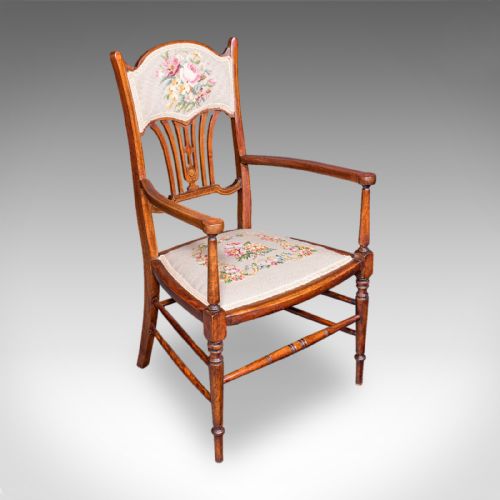
Construction techniques varied according to function and style, ranging from traditional Windsor spindle-and-bow assembly to framed mahogany joinery with carved shield backs. Rush and cane seating formed woven pads inset into wooden frames, while other models utilised leather upholstery.
Listings span the eighteenth, nineteenth, and early twentieth centuries, featuring materials from mahogany and oak to rush, cane, and pine.
What varies in quality
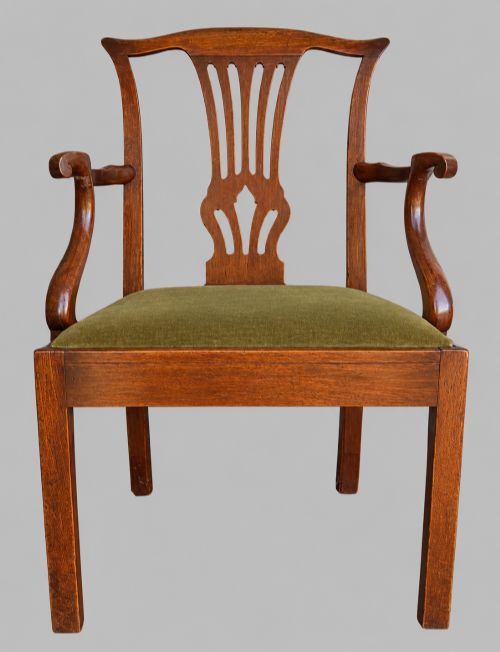
Quality rests in the integrity of the timber selection and the precision of the joinery, distinguishing utilitarian items from high-status commissions. Finer chairs exhibit carefully carved splats, substantial timber gauges, and retained original surfaces.
The distinction between a standard kitchen seat and a superior example lies in the harmony of proportion, the retention of original cane or rush webbing, and the uncompromised fit of turned spindles into solid wood.
Maple and Co·Thonet·Codina·Dinco·William Morris
The Vintage Wooden Dining Seats Glossary
- Windsor chair
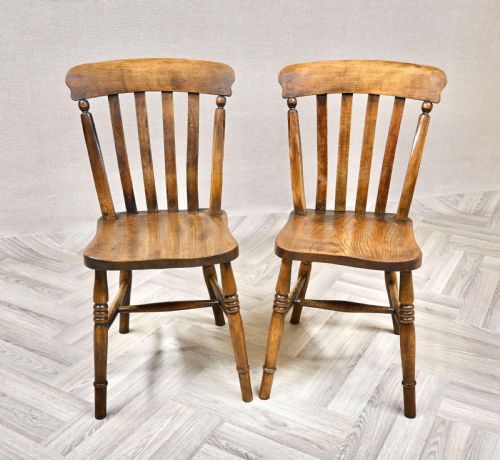
- A wooden chair constructed with a solid elm or hardwood seat into which the back and legs are wedged directly. They originate from English rural traditions and feature various comb-back or hoop-back formations.
- Shield back
- A chair back shaped like a heraldic shield, popular in late eighteenth-century dining chair design. It often incorporates carved splats or decorative wheat-ear motifs.
- Refectory table
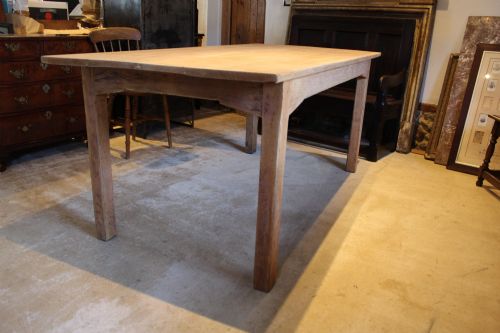
- A long dining table traditionally used in monasteries and large institutions, constructed here in heavy oak for domestic farmhouse settings.
- Bentwood
- Wood steamed and bent into curved structural forms, characteristic of bistro chairs produced in the nineteenth and twentieth centuries.
Vintage Wooden Dining Seats: Frequently Asked Questions
What woods were used for these seats?
Makers selected timbers based on structural demands, utilising dense mahogany and walnut for formal dining rooms. Country workshops favoured native hardwoods like elm, beech, ash, and oak.
Softwoods such as pine and pitch pine appear frequently in utilitarian benches and vernacular farmhouse seating.
How do I identify a Windsor chair?
A Windsor chair is defined by its construction method, where the legs and back spindles are tenoned directly into a solid wooden seat rather than a continuous frame. They often feature bentwood hoops or combs.
Traditional English examples frequently pair elm seats with ash or beech spindles.
What is a harlequin set?
A harlequin set is a collection of dining chairs that share similar proportions, periods, or styles without being an identical matching set from a single workshop. They were often assembled over time to fit around large dining tables.
Such sets maintain visual harmony through common materials or regional design traits.
How should I care for vintage wood?
Maintain wooden dining seats by keeping them away from direct heat sources and sudden humidity changes that cause timber to split. Regular dusting with a dry cloth protects the polished surface.
Apply natural beeswax occasionally to nourish older finishes without building up heavy synthetic residues.