




Vintage Wooden Desk Clock
A vintage wooden desk clock brings warmth to a study or library through rich timber cases and dependable mechanical movements.
Vintage Wooden Desk Clock
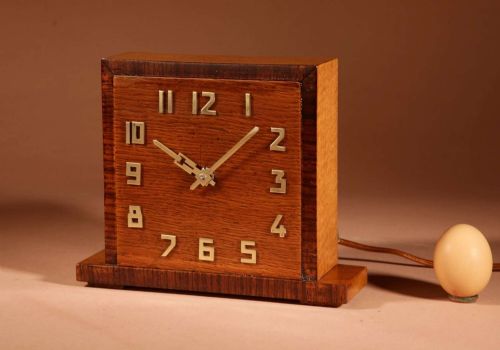
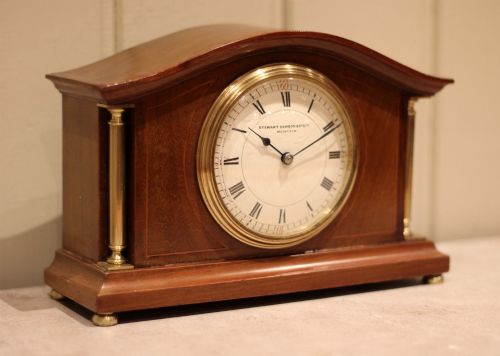
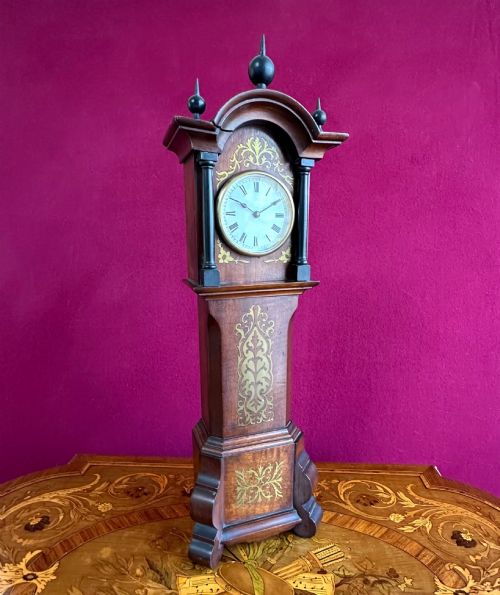
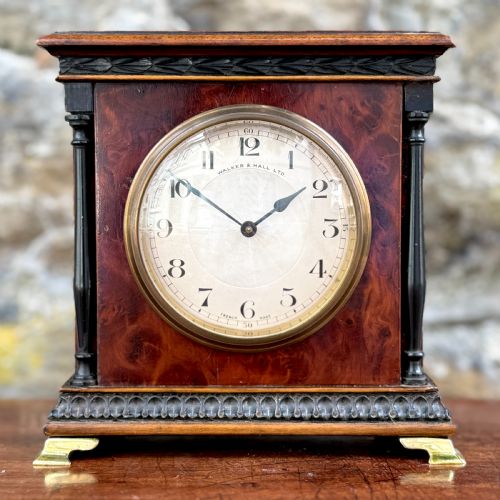
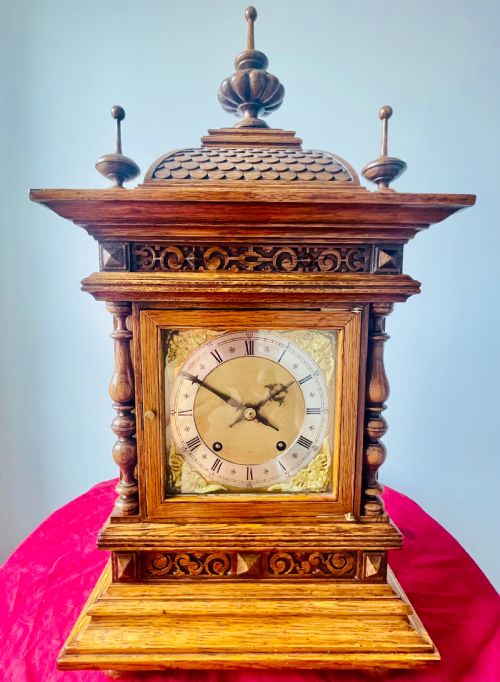
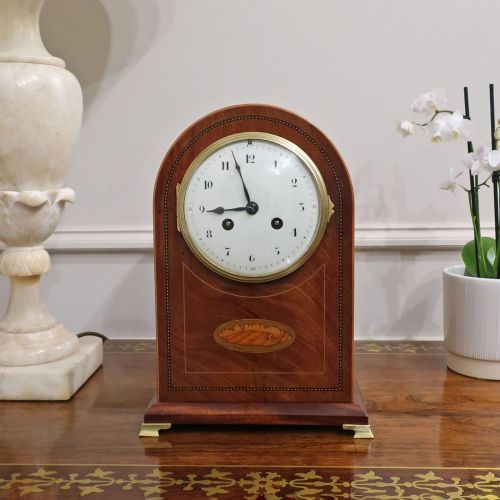
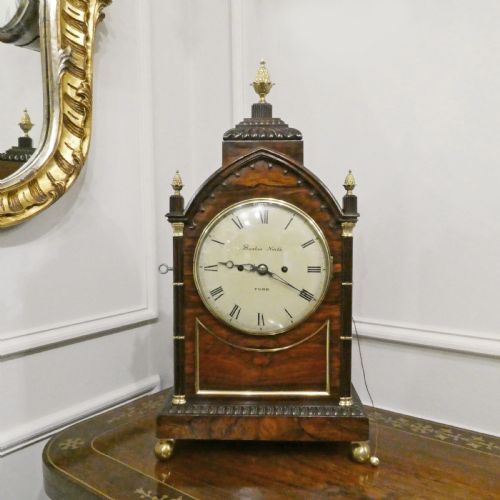
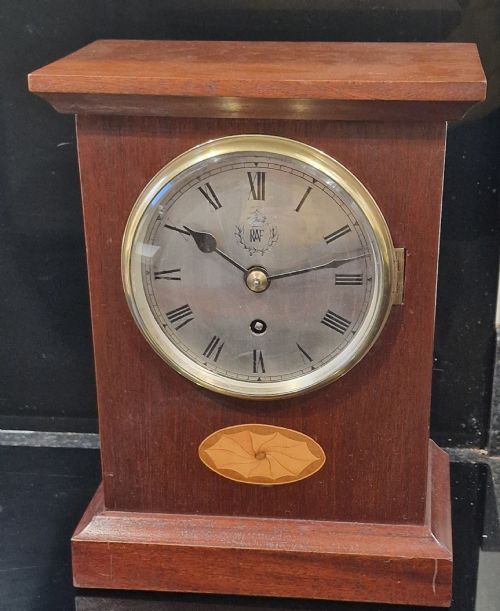
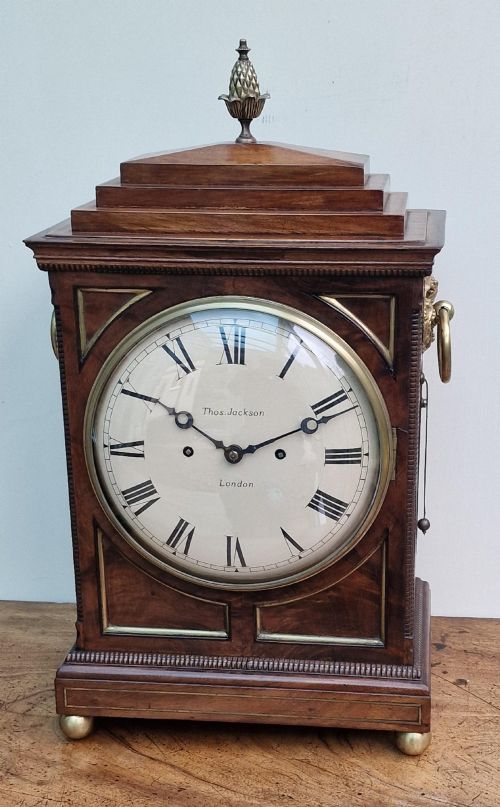
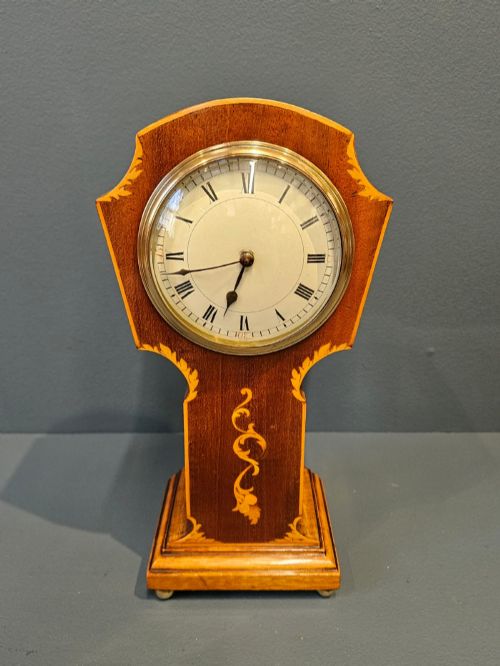
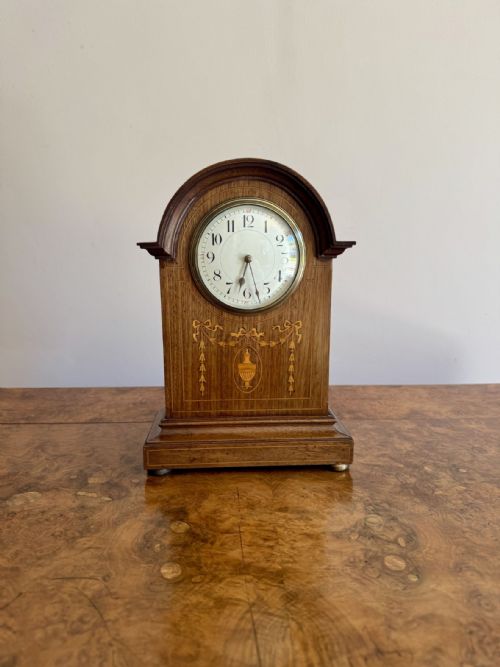
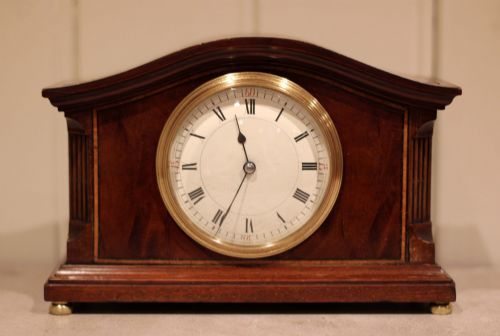
A vintage wooden desk clock serves both a practical timekeeping role and acts as a decorative object for tables, desks and mantelpieces. When exploring this selection, buyers frequently encounter Edwardian and Victorian examples alongside pieces spanning the Georgian to Art Deco periods.
The predominant forms include compact mantel clocks, architectural bracket clocks and library timepieces designed to sit securely on flat surfaces. Cases vary from simple solid oak housings to intricately inlaid mahogany, rosewood and walnut designs.
Origins stretch across English workshops, French makers and German manufacturers, showing diverse regional tastes in dial layout and cabinet architecture. These objects reflect the changing domestic styles of the nineteenth and twentieth centuries.
Materials and construction methods
Cabinetmakers utilised dense hardwoods such as mahogany, oak, walnut and rosewood, often enhancing plain surfaces with satinwood stringing, brass dials and delicate glass bezels. These timbers were chosen for structural stability and their capacity to take a fine polish.
Movements were constructed from brass and steel components, housing spring-driven or fusee mechanisms that required skilled horological assembly. Enamel dials with painted numerals completed the face, protected behind hinged glass doors.
Distinctions in quality and execution
The distinction between standard production items and superior pieces rests on the crispness of the cabinet joinery, the quality of the timber grain and the complexity of the movement. Master clockmakers and reputable firms invested greater care in dial engraving and case proportion.
Hand-selected veneers, precise marquetry and signed movements by known makers separate ordinary domestic timepieces from exceptional collector pieces. Well-executed bracket clocks demonstrate superior weight in the brass castings and refined acoustic striking systems.
Mappin and Webb·Walker and Hall·Winterhalder and Hofmeier·J.C Vickery of London·Bravingtons Ltd of London
The Vintage Wooden Desk Clock Glossary
- Bracket clock
- A portable mechanical clock originally designed to sit on a wall bracket or table. These spring-driven pieces often feature substantial wooden cases and striking trains.
- Fusee
- A conical pulley connected to the mainspring by a cord or chain, designed to equalise the force of the spring as it unwinds. This mechanism improves timekeeping consistency throughout the power reserve.
- Timepiece
- A clock that measures and indicates time without incorporating a striking mechanism to chime the hours. These units focus purely on visual time display.
- Marquetry
- The art and craft of applying pieces of veneer to a structure to form decorative patterns and pictures. Cabinetmakers used contrasting timbers to enrich the visual depth of clock cases.
- Dial
- The visible face of the clock where numerals indicate the hours and minutes. These components are frequently formed of white enamel or brushed brass.
Vintage Wooden Desk Clock: Frequently Asked Questions
How do I wind a mechanical desk clock?
Most spring-driven clocks require a specialised key inserted into the winding holes on the dial face. Turn the key gently until resistance indicates the mainspring is fully tensioned.
Avoid over-winding the mechanism, as excessive force can damage the internal spring assembly. Regular gentle winding preserves the longevity of vintage gear trains.
What is the difference between a timepiece and a striking clock?
A timepiece simply indicates the hours and minutes through the hands on the dial. It contains no mechanical train for chiming or striking bells.
A striking clock includes additional gear trains and hammers that sound the hours or quarters on gongs or bells. These models require careful synchronisation during setup.
How do I identify the period of a wooden clock?
Dating relies on stylistic clues within the cabinet architecture, such as Georgian bracket feet, Victorian carvings or Edwardian stringing. The choice of timber veneer also offers strong indicators of prevailing taste.
Examining the backplate of the movement often reveals maker signatures or serial numbers. Cross-referencing these details helps narrow down the decade of manufacture.
Where should I place a wooden desk clock?
Select a stable, level surface away from direct sunlight and excessive temperature fluctuations. Desks, bookshelves and mantelpieces provide ideal platforms for display.
Ensure the clock rests firmly without wobbling to maintain the correct beat of the pendulum or balance wheel. Avoid high-moisture environments like kitchens to protect the wooden case.