
Vintage Wooden Collector Cabinet
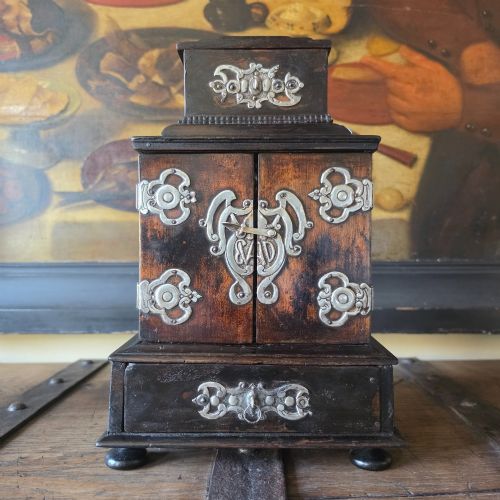
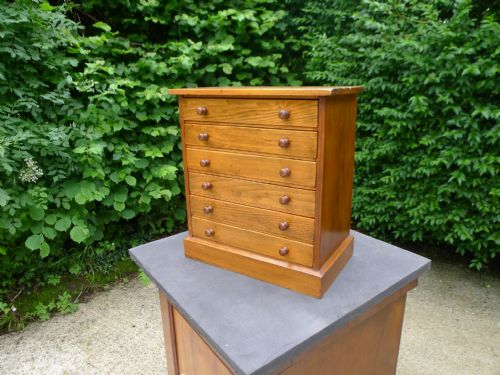
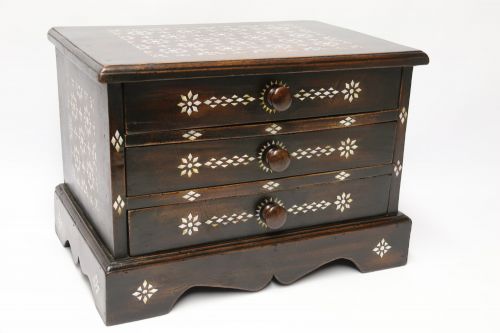
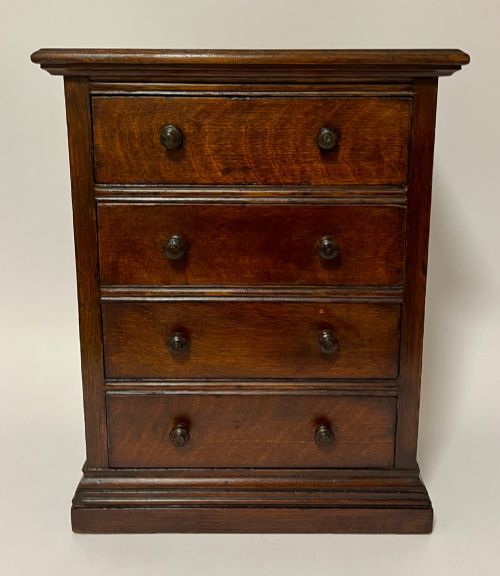
A vintage wooden collector cabinet holds small treasures safely while bringing honest, utilitarian character into a room.
Vintage Wooden Collector Cabinet
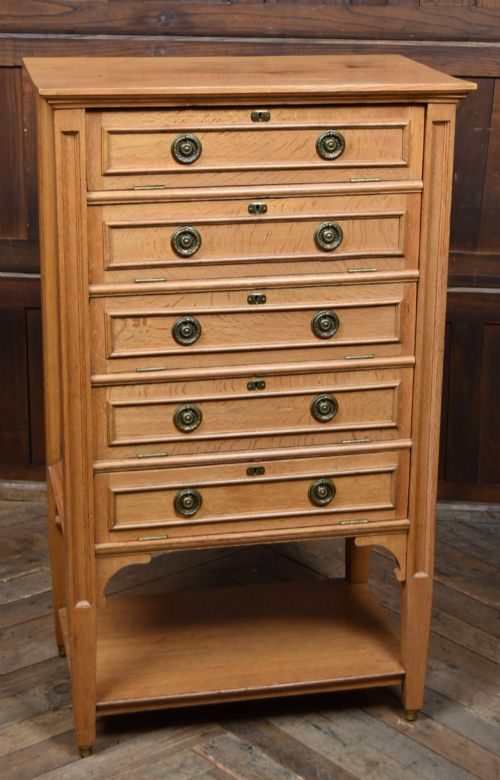
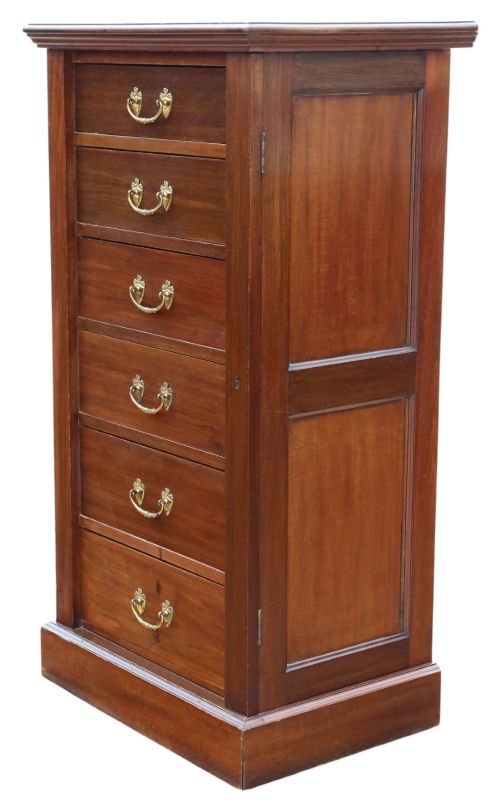
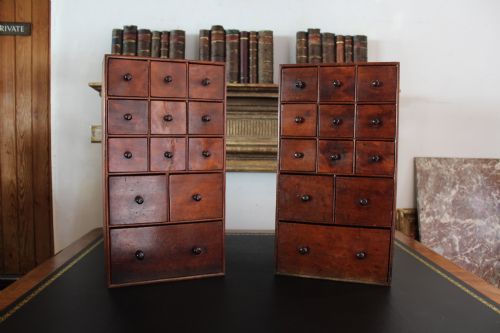
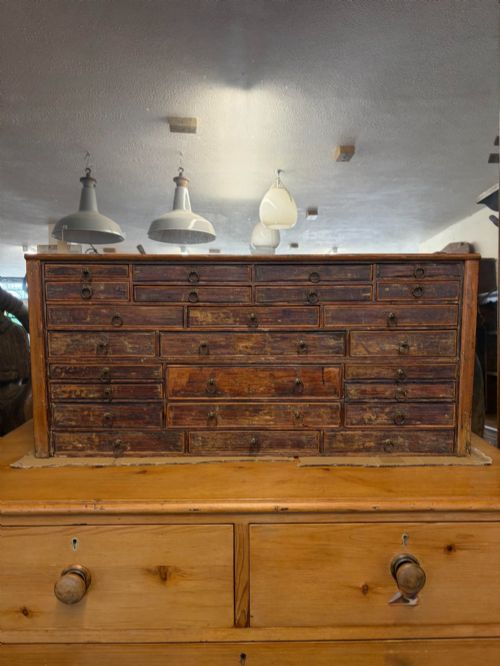
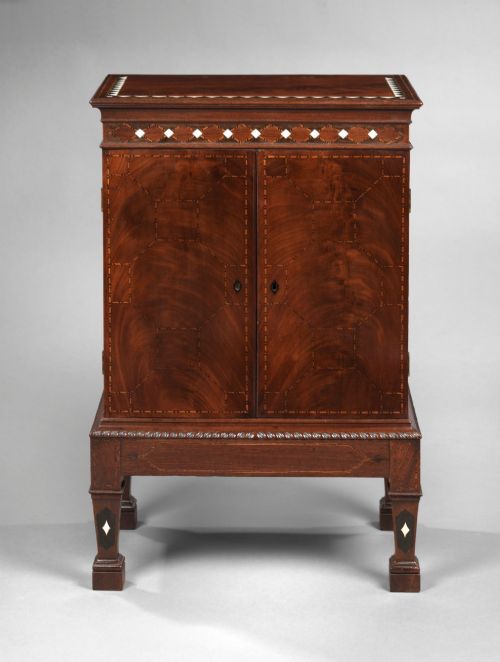
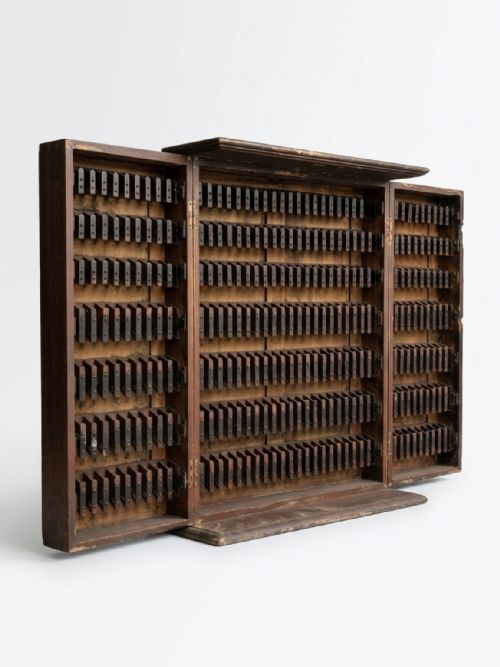
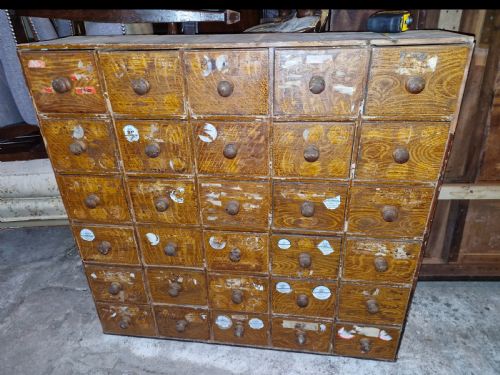
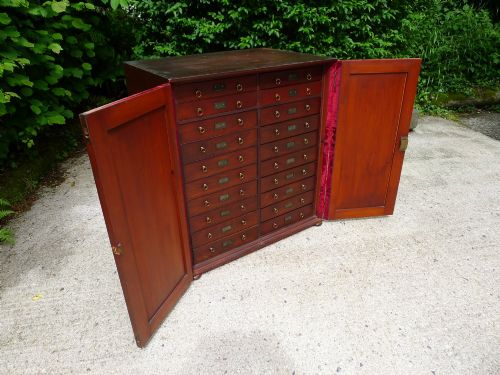
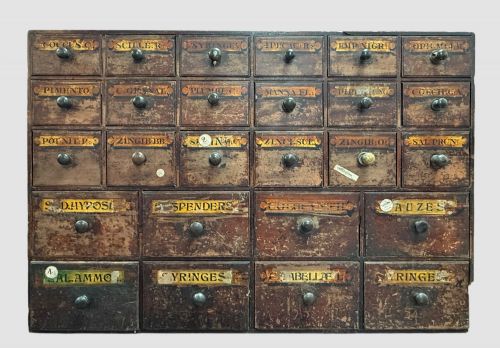
A vintage wooden collector cabinet spans multi-drawer filing units, apothecary chests, and tabletop specimen cases found across the nineteenth and early twentieth centuries.
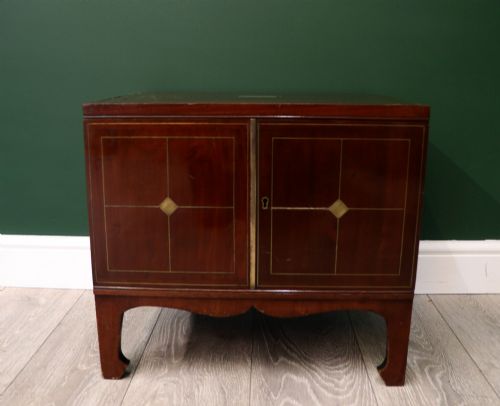
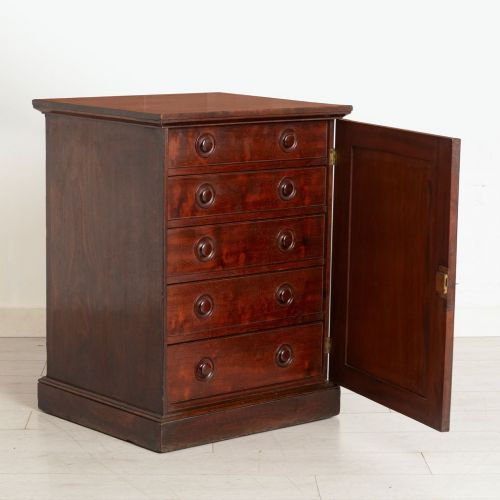
Buyers meet sturdy oak filing systems alongside mahogany display pieces and pine specimen cabinets originating from Victorian, Edwardian, and Georgian periods.
These items served practical storage needs for doctors, apothecaries, and enthusiasts before entering domestic spaces as functional storage furniture.
Materials and construction
Cabinet makers utilised dense hardwoods like mahogany, walnut, and oak alongside pine, fruitwood, and deal for internal framework and external panelling.
Fittings incorporate cast brass handles, brass locks with keys, and glass panels for display doors to secure delicate contents effectively.
Period styles cover Georgian, Victorian, Edwardian, Arts and Crafts, and industrial utility designs.
Judging the standard
Quality rests in the precision of drawer joints, the matching of timber grain across drawer fronts, and the integrity of original brass hardware.
Simpler pine and deal utility pieces contrast with finely polished mahogany or burr walnut examples featuring inlaid details and secure locking mechanisms.
D Napier and Sons·Whytock and Reid of Edinburgh·Brady
The Vintage Wooden Collector Cabinet Glossary
- Wellington chest
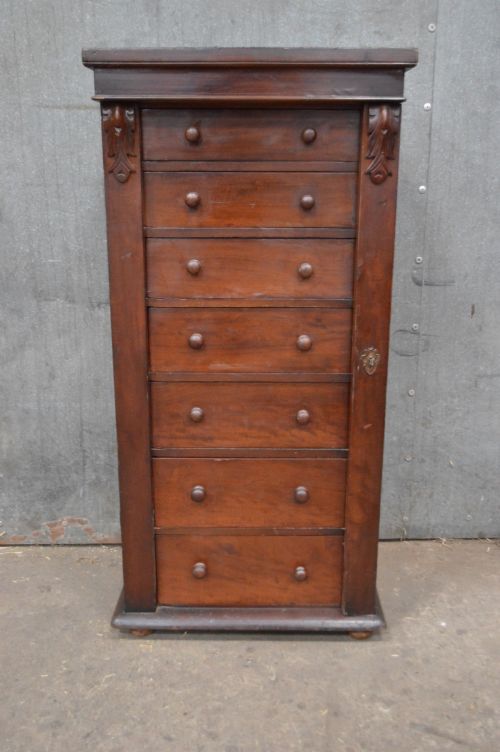
- A tall, slender chest of drawers secured by a locking hinged side stile. This design originated in the nineteenth century for efficient paper or specimen storage.
- Specimen cabinet
- A specialised storage unit with shallow drawers designed for holding natural history collections, coins, or small objects. These pieces often feature dust-proof internal construction.
- Apothecary chest
- A multi-drawer storage cabinet originally utilised by chemists and pharmacists for herbs, powders, and medicines. They frequently display numerous small drawers with label holders.
- Deal
- A softwood timber commonly cut from fir or pine trees. Makers utilised deal for utilitarian cabinets and secondary internal framing throughout the nineteenth century.
- Campaign style
- Furniture constructed with portability in mind, featuring recessed brass handles and corner brackets. These pieces were built for travel during the nineteenth and early twentieth centuries.
Vintage Wooden Collector Cabinet: Frequently Asked Questions
What fits inside these cabinets?
Shallow drawers accommodate stamps, coins, minerals, jewellery, and small curiosities securely.
Deep drawers hold documents, stationery, and larger collecting interests depending on the internal configuration.
How do I date a cabinet?
Examine the timber species, construction methods, and hardware style to determine the period of origin.
Mahogany and walnut point toward Georgian and Victorian eras, while oak and pine often signal Edwardian or later commercial utility pieces.
Where should I place one?
Tabletop versions sit comfortably upon desks, sideboards, or console tables in studies and living spaces.
Floor-standing banks of drawers function as standalone storage units in hallways, bedrooms, or home offices.
Are keys usually included?
Some cabinets retain their original working locks and matching keys for securing the drawers or doors.
Many antique pieces survive without keys, though locks can often be opened or serviced by a professional locksmith.