

Vintage Wooden Chairs
These vintage wooden chairs span country kitchen windsors to formal mahogany dining sets, offering robust construction and enduring materials for everyday seating.
Vintage Wooden Chairs
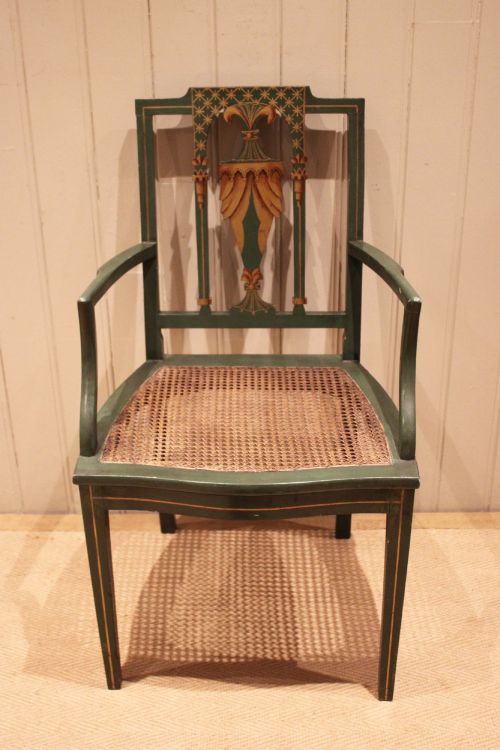
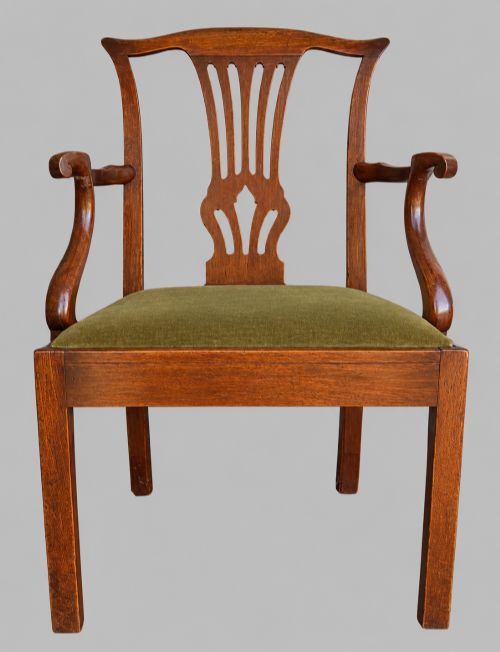
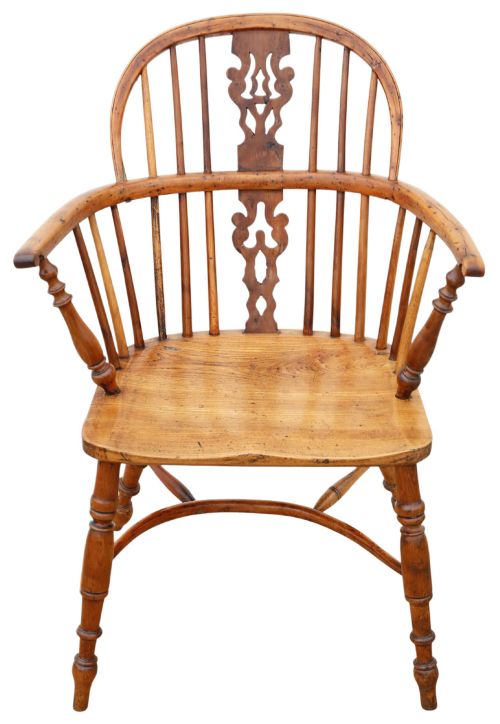
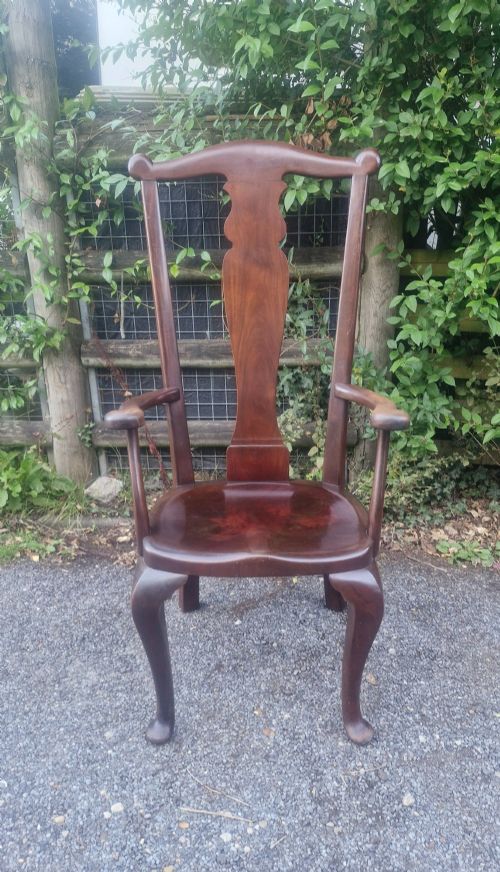
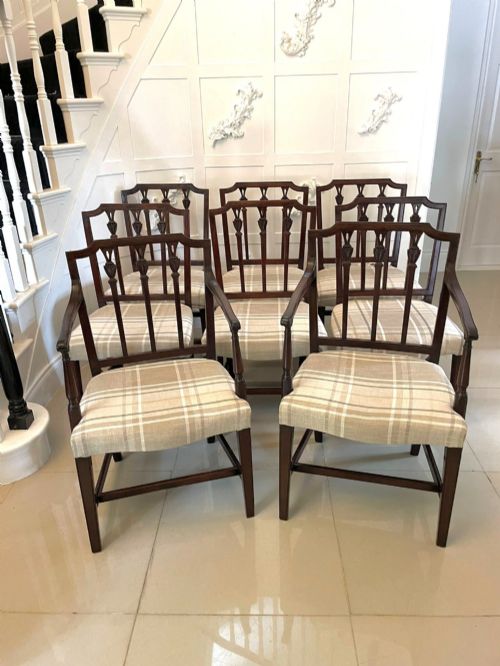
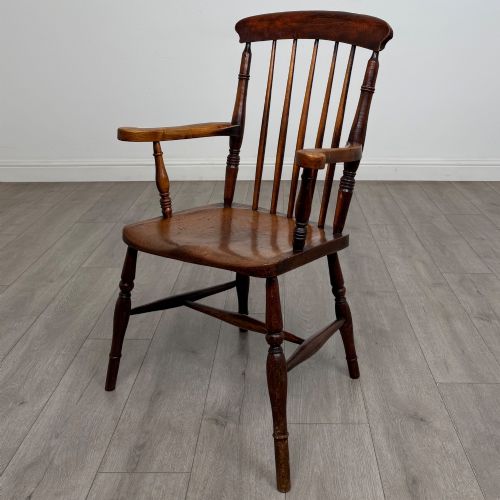
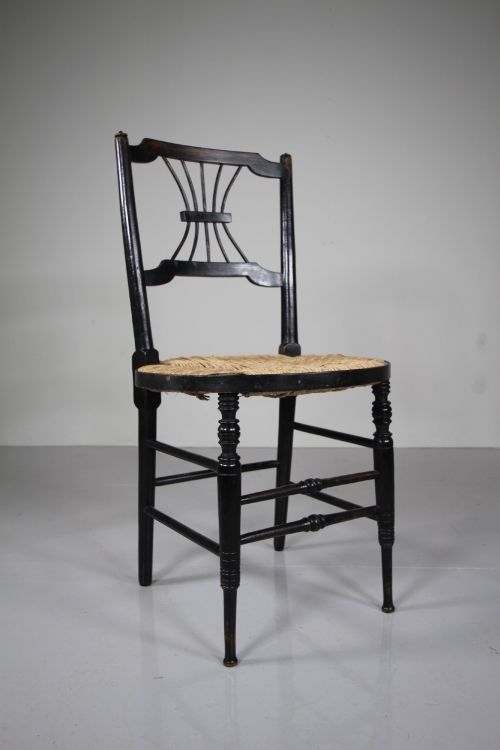
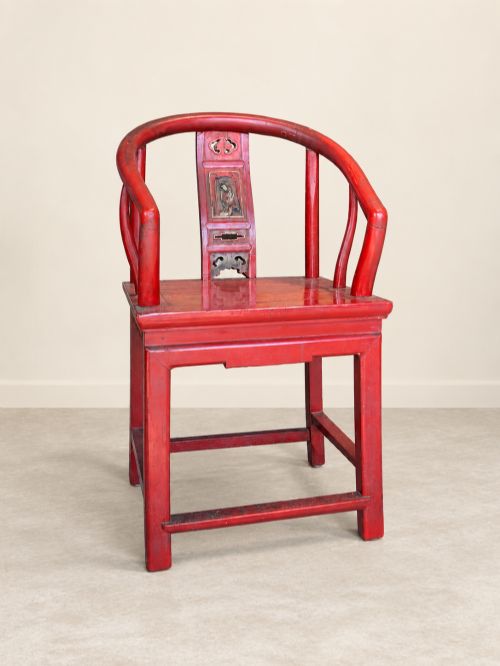
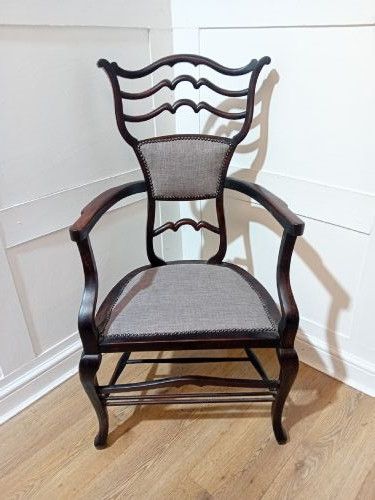
When you search for vintage wooden chairs, you encounter a broad spectrum of seating ranging from rustic country kitchen windsors to formal mahogany dining sets. The inventory includes armchairs, side chairs, desk chairs, and rocking chairs spanning periods from the eighteenth century through to the early twentieth century.
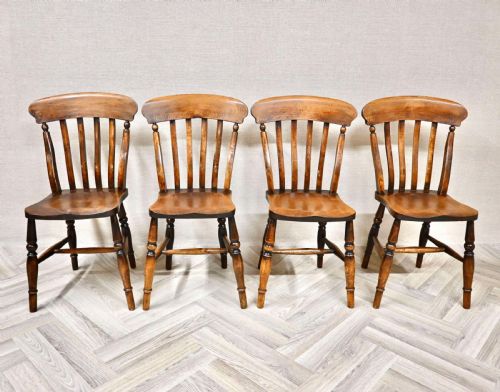
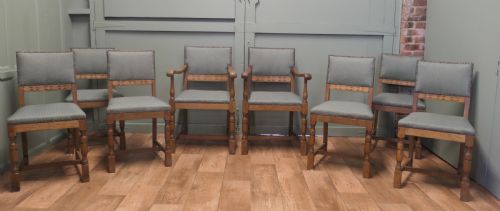
You are most likely to meet elm and beech country chairs alongside mahogany dining suites and oak arts and crafts designs. These pieces originate from English country workshops, formal town houses, and continental makers, reflecting both utilitarian function and stylistic ambition.
The selection ranges from sturdy farmhouse seating with stick backs and wheel backs to upholstered Victorian spoon back easy chairs and inlaid Edwardian carvers. Each category serves a distinct interior role, whether gathered around a dining table or placed in a morning room.
How they were made
Cabinet makers and bodgers utilised traditional timber species such as elm, mahogany, beech, and oak, selecting each wood for its specific structural properties. Elm provided tough, split-resistant seats for windsor chairs, while mahogany and oak offered stable framing for formal dining and desk chairs.
Construction relied upon time-tested joinery including mortise and tenon joints, steam bending for curved components like bentwood rocking chairs and hoop backs, and wood turning for bobbin-turned legs and spindles. Secondary materials such as cane, rush, leather, and woven fabric furnished seats alongside solid timber boards.
Surface treatments varied widely from polished mahogany finishes and brass inlay to original paint on folk art primitives and French chateau seating. Joiners employed hand tools to shape spindles, carve splats, and secure joints with wooden pegs.
Vintage Wooden Chairs Retail Price Guide 2026
Typical asking prices for vintage wooden chairs among the pieces listed under this phrase on Sellingantiques today, from the lower quarter to the upper quarter. They describe what is for sale here now, not the wider market.
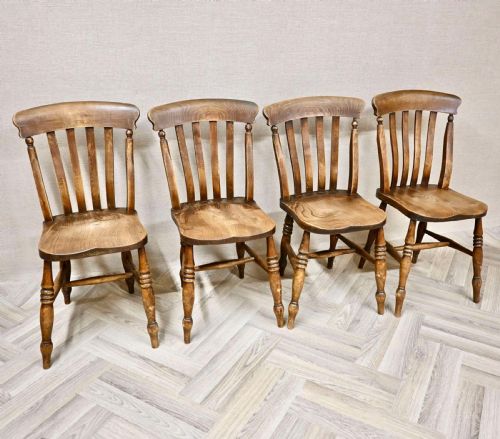
Several rustic windsor chairs preserve the distinct impressions of generations of sitters in their deeply dished elm seats.
What varies in quality
The distinction between standard examples and the top of the range rests upon timber selection and the execution of hand craftsmanship. Superior pieces feature finely figured mahogany, well-matched grain in elm seats, and crisp, deep carving on splats and crest rails.
Structural integrity and the retention of original components dictate value among working chairs. Chairs that retain their original turned stretchers, uncompromised joinery, and matching sets without later replacements command greater respect from collectors.
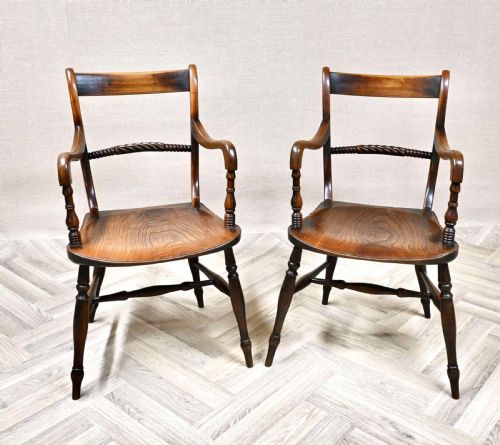
Refinement of design separates everyday utility items from pieces attributed to notable retailers and workshops. The presence of subtle details like ropetwist carving, brass inlay, or well-executed steam bent elements elevates a chair above basic production.
William Morris·Rossetti·Howard and Sons·Liberty Morris and Co·Jacob and Josef Kohn
The Vintage Wooden Chairs Glossary
- Windsor chair
- A chair built with a solid wooden seat into which the legs and back spindles are directly wedged or tenoned. They often feature bentwood hoops and sculpted comb pieces.
- Carver
- An armchair, frequently designed en suite with a set of smaller side chairs for use at the head of a dining table. These pieces typically incorporate scrolling elbow rests.
- Wheelback
- A vernacular Windsor chair style featuring a pierced central splat carved in the shape of a spoked carriage wheel. This motif became popular in nineteenth-century kitchen and dining seating.
- Bobbin turned
- A form of wood turning consisting of a series of rounded, spool-like shapes resembling bobbins strung together along a stretcher or leg. This decorative technique appears frequently on seventeenth and eighteenth-century oak furniture.
- Balloon back
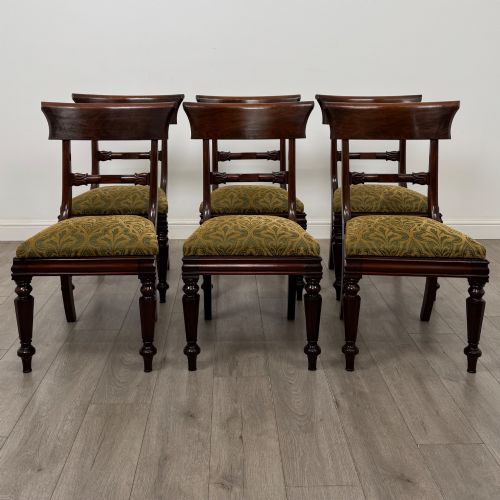
- An upholstered dining chair style characterised by a closed, rounded backrest resembling the shape of a balloon. This form is particularly associated with Victorian mahogany seating.
Vintage Wooden Chairs: Frequently Asked Questions
How do I identify a Windsor chair?
Windsor chairs are characterised by a thick solid wooden seat that acts as the central hub for all structural components. The legs and back sticks are tenoned directly into this plank rather than into a separate frame.
You will often notice a bow-shaped back or a comb piece supporting slender spindles, creating a light yet robust form designed originally for vernacular domestic use.
What is the difference between an armchair and a carver?
In historical dining sets, a carver refers specifically to an armchair that matches a set of smaller side chairs. These were traditionally placed at the head and foot of the dining table.
General armchairs might be standalone pieces intended for desks, halls, or morning rooms rather than part of a formal dining arrangement.
Are these chairs suitable for daily use?
Most of these wooden chairs were built for enduring utility and remain robust enough for daily seating when joinery is sound. Solid timber construction in species like elm, oak, and beech provides remarkable everyday strength.
Delicate painted finishes or antique rush seats may require more mindful placement, but standard wooden side and dining chairs handle regular domestic life with ease.
How do I date a wooden chair?
Dating relies upon examining the timber species, tool marks, joinery techniques, and prevailing stylistic motifs of the period. For instance, heavy turned oak points toward earlier centuries, while mahogany balloon backs indicate the Victorian era.
Comparing construction methods against documented regional styles helps narrow down the decade of manufacture.