
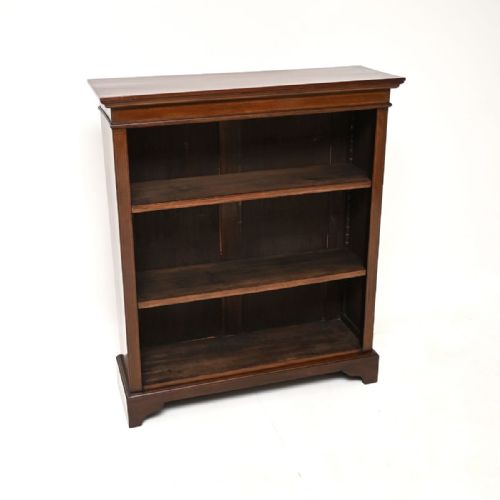
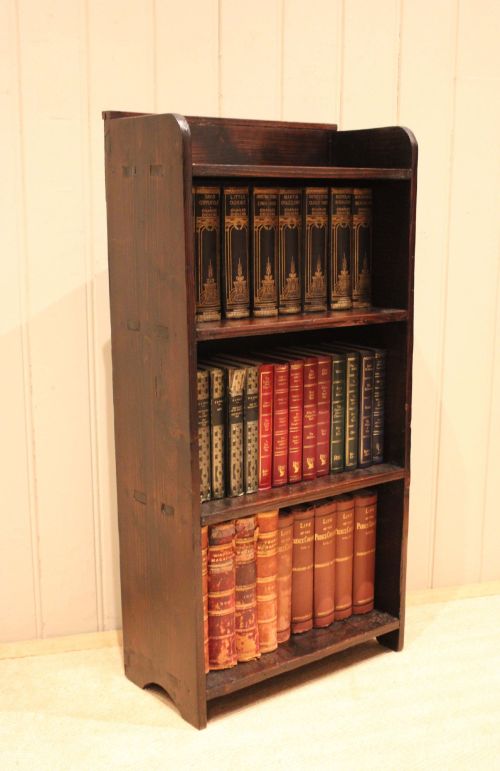
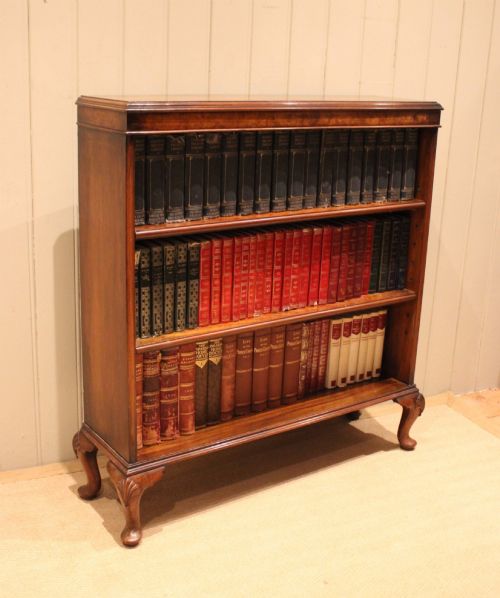
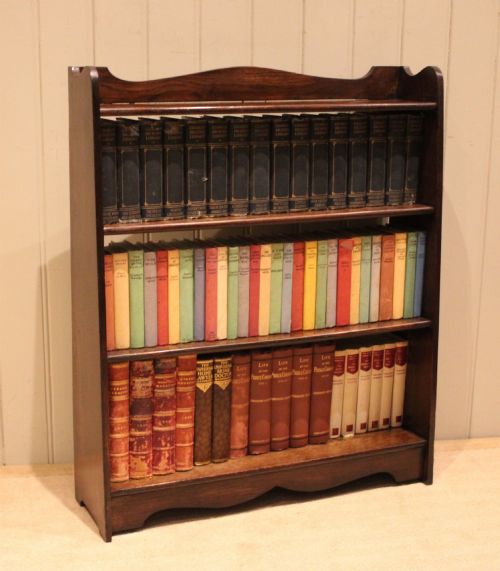
Vintage Wooden Bookshelf
These vintage wooden bookshelf pieces bring enduring warmth to any room, offering both practical storage and traditional charm for your library or study.
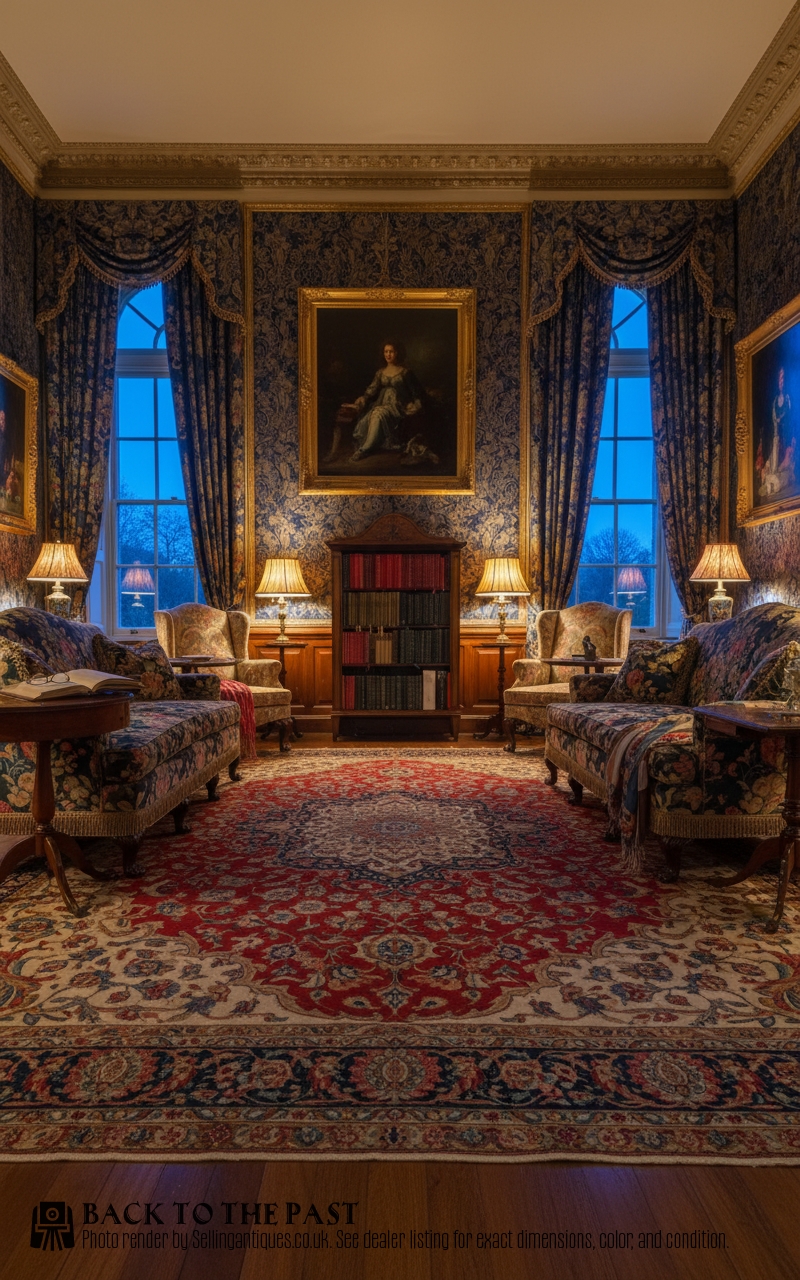
What these vintage wooden bookshelf pieces are
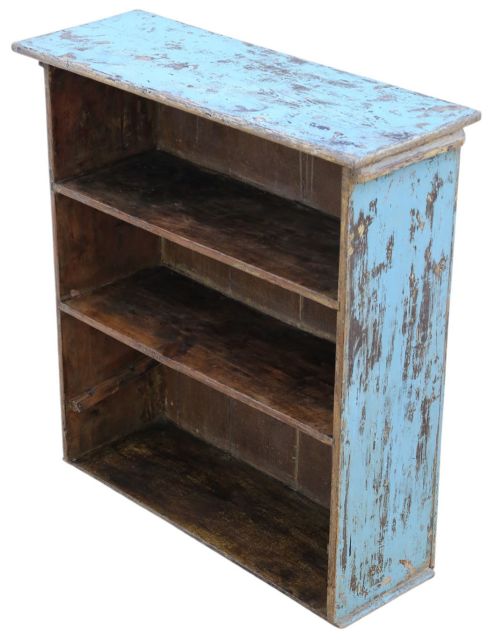
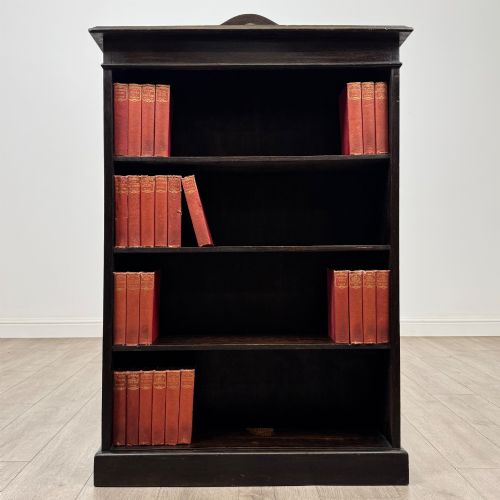
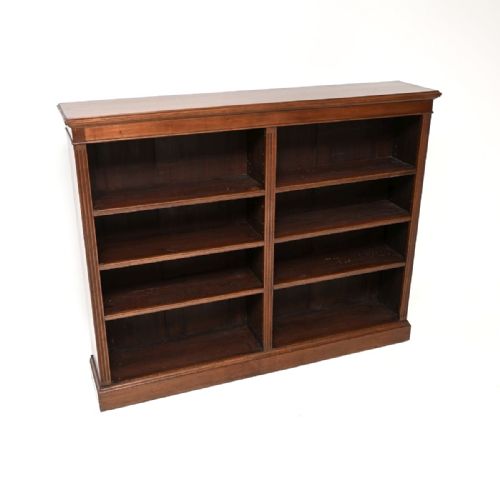
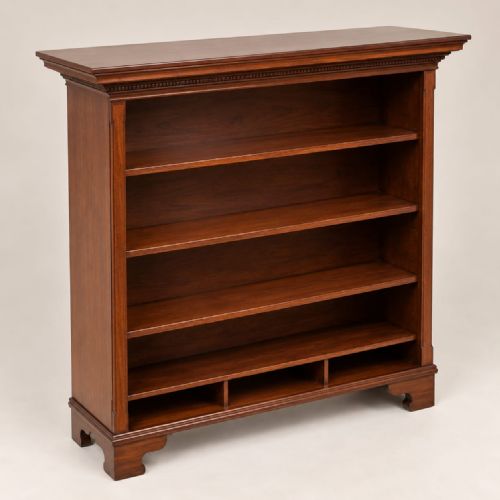
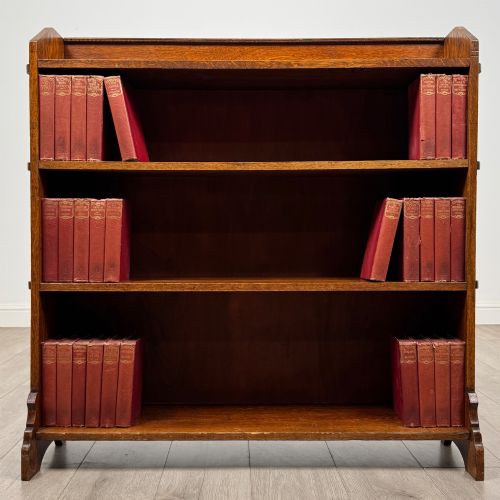
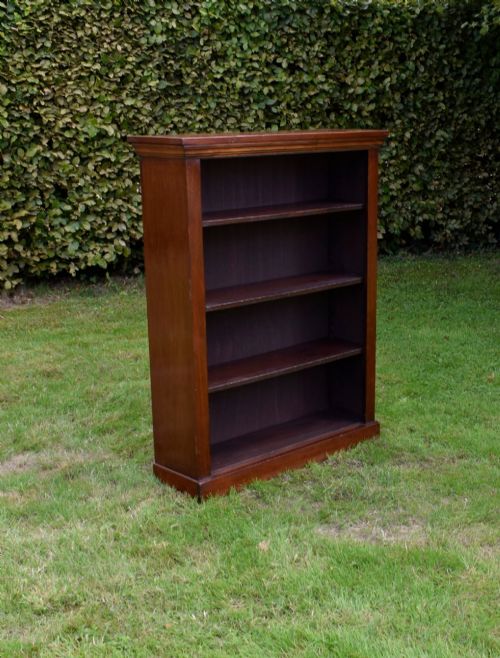
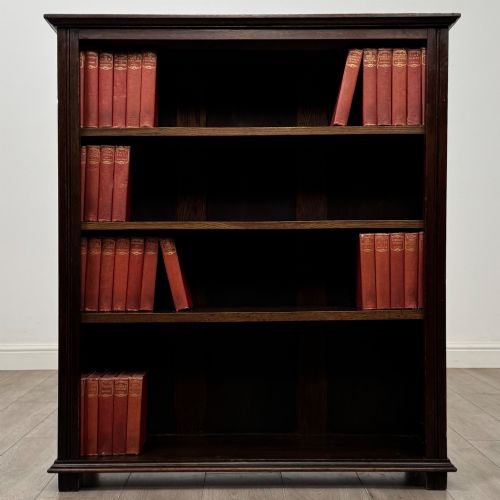
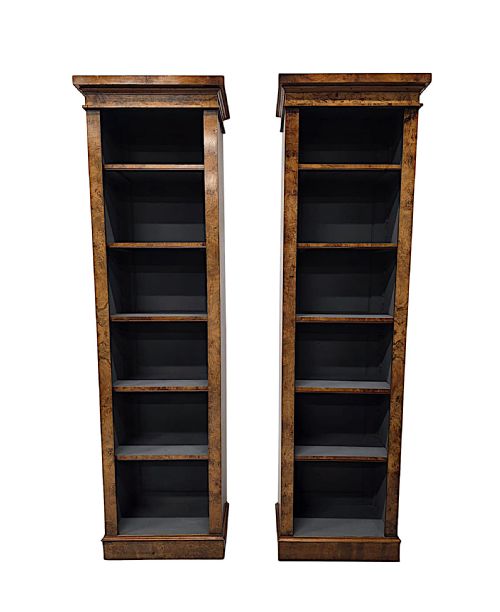
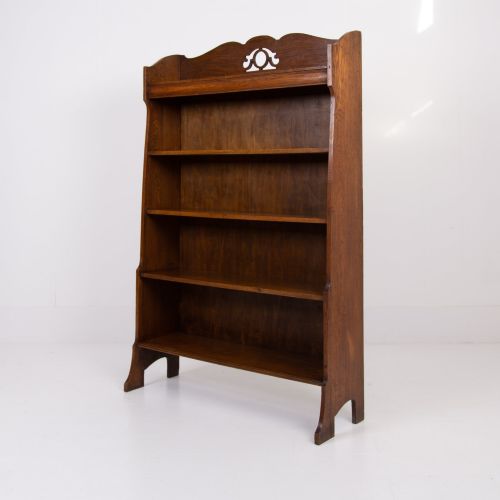
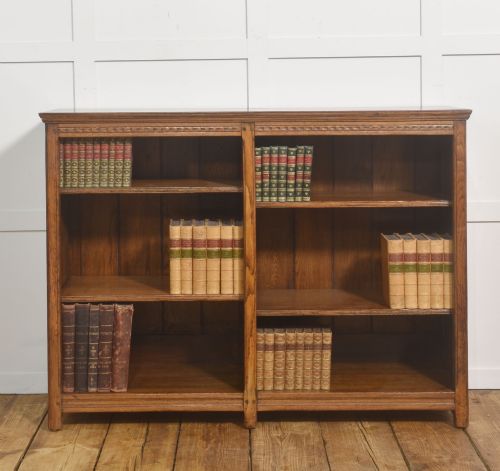
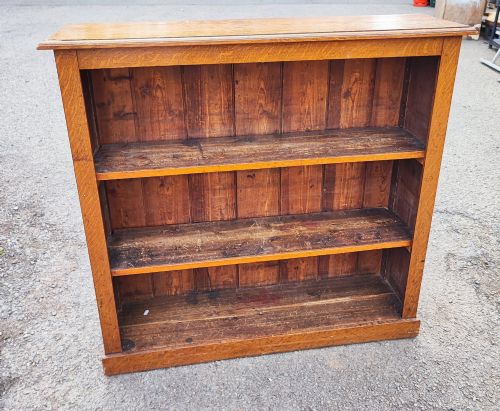
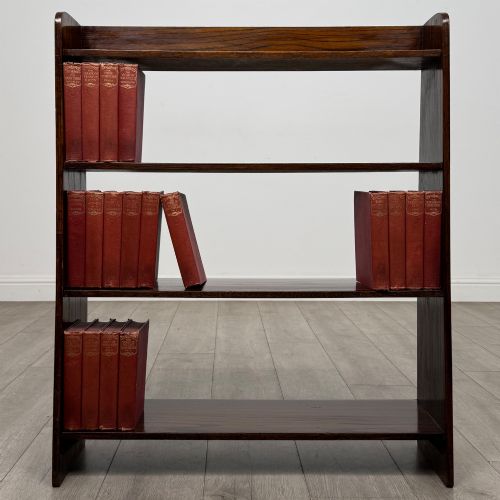
A vintage wooden bookshelf provides sturdy open storage for a growing collection of volumes while anchoring a room with period character. The examples seen here span the 19th century up to the 1930s, encompassing diverse forms such as simple pine shelves and taller two-part mahogany configurations.
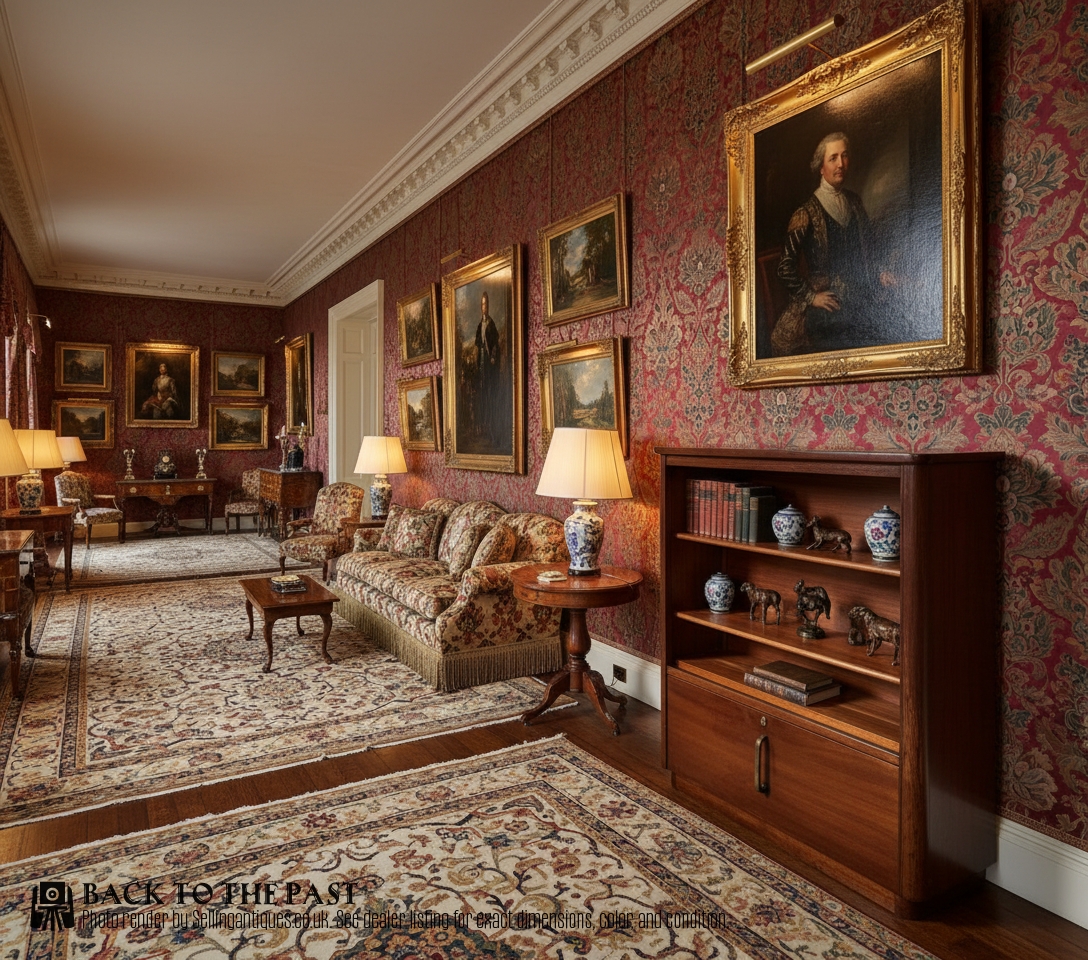
How they were made
Cabinet makers constructed these bookcases using solid timbers such as mahogany, oak, pine, and satinwood. These traditional woods provided the structural integrity necessary to support heavy rows of books over decades of service.
Decorative detailing on these pieces sometimes included subtle brass hardware or delicate satinwood inlay work. Joinery techniques varied from rustic country construction to more formal Victorian and Edwardian cabinet-making methods.
Retail Price Guide 2026
Typical UK retail prices for vintage wooden bookshelf, calculated from the Sellingantiques database of over a million retail prices indexed since 2003. This retail price guide relies exclusively on Sellingantiques data; no external sources or auction records are used, so the figures do not describe the wider market.
Current listings feature pieces spanning the 19th century, 1900, the Edwardian era, 1880, and 1930.
What varies in quality
Quality in these bookcases is distinguished by the choice of timber and the refinement of the cabinet work. Dense hardwoods like mahogany and figured oak represent a higher tier of production than utilitarian pine.
The sophistication of decorative elements also dictates the standing of a piece, moving from simple rustic country work to elaborate Victorian satinwood inlay and considered Art Deco proportions.
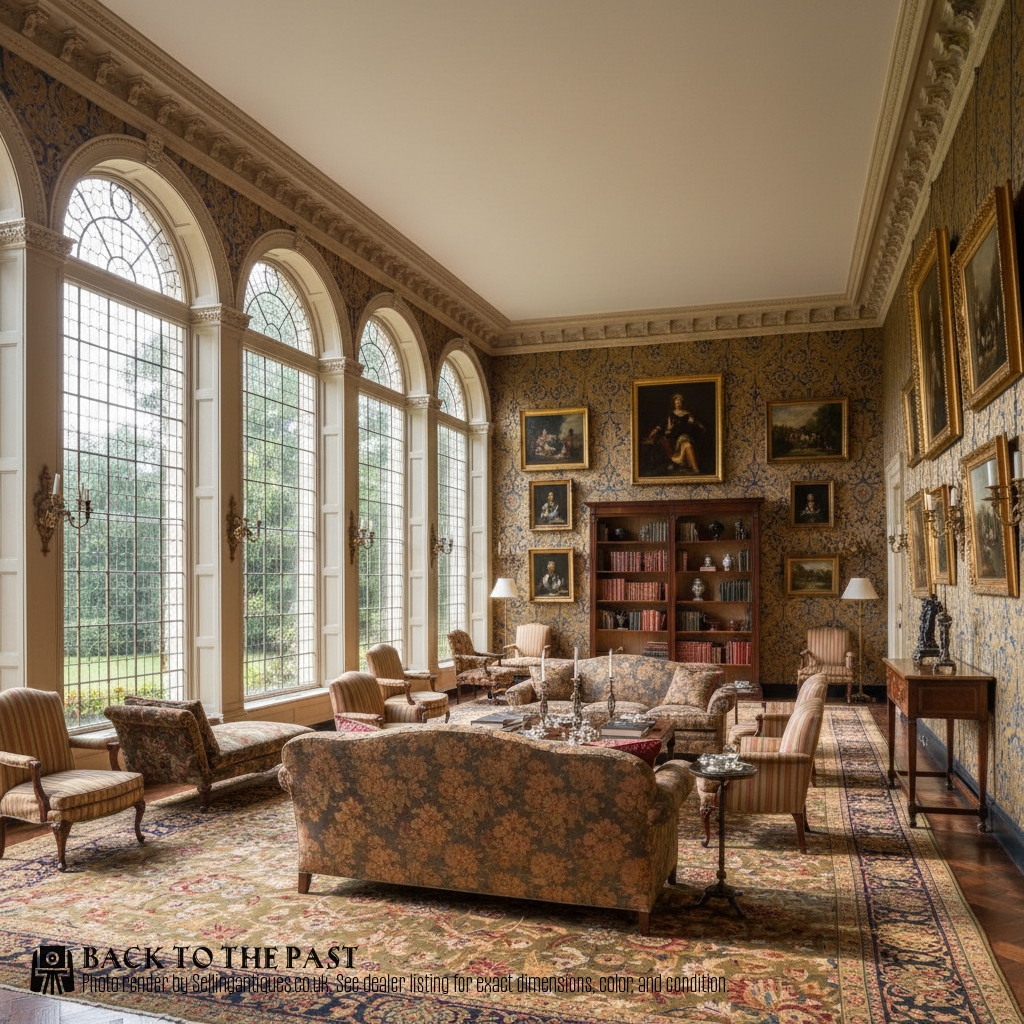
The Vintage Wooden Bookshelf Glossary
- Open bookcase
- A piece of furniture designed specifically for book storage without glass doors or enclosing cabinetry. This form allows immediate access to volumes and displays their spines.
- Satinwood
- A hard, durable timber with a characteristic golden lustre often used for fine inlay work. It brings a bright decorative contrast to darker primary woods.
- Two-part
- A construction method where a tall cabinet is divided horizontally into upper and lower sections for easier transport and placement. This is typical of larger library furniture.
- Art Deco
- A design style emerging around 1930 that favours clean geometric lines and streamlined forms. Pieces from this era reflect a departure from traditional Victorian ornamentation.
Frequently Asked Questions
How do I date a wooden bookshelf?
Dating relies on observing the primary timber used, the style of any decorative inlay, and the overall construction methods. Pieces span from late Victorian pine and mahogany to Edwardian oak and Art Deco designs.
Examining the joinery and structural format helps align the piece with its period of origin, such as 19th-century cabinet work or early 20th-century production.
Are these bookcases sturdy enough for heavy books?
Most of these pieces are built from solid hardwoods like oak and mahogany designed to bear substantial weight. Traditional construction ensures reliable support for standard library collections.
Simpler pine or rustic country variants remain robust for everyday use, provided the shelves are evenly loaded across their span.
How do I care for antique wood finishes?
Maintenance involves dusting regularly with a dry cloth and occasionally applying traditional beeswax to nourish the timber. Avoiding direct sunlight prevents the wood from drying out or fading.
Keeping the bookcase away from direct heat sources preserves the stability of the wood and protects the original finish.