


Vintage Wooden Book Trough
These vintage wooden book trough options offer a practical desk accessory or library holder, combining period timbers with everyday utility.
Vintage Wooden Book Trough
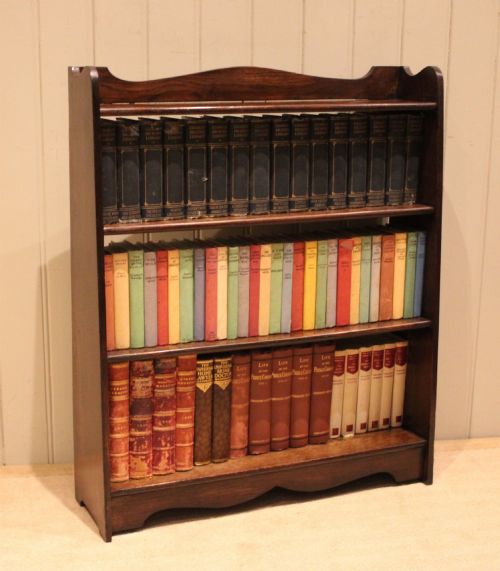
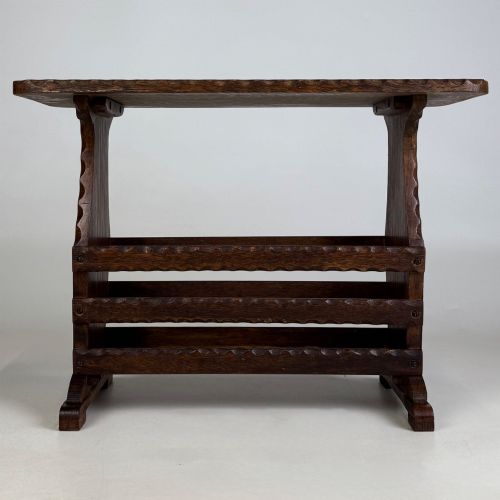
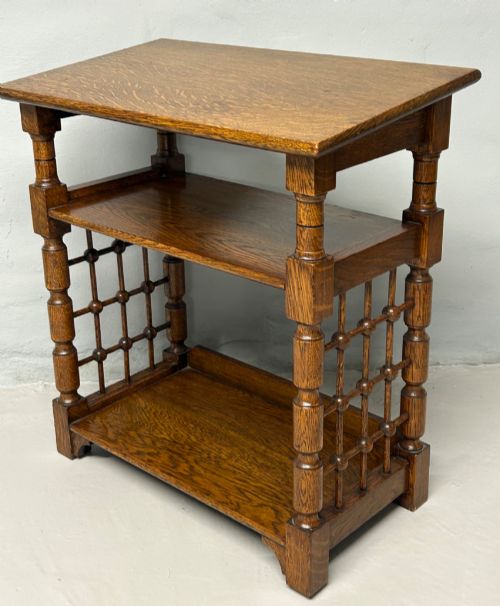
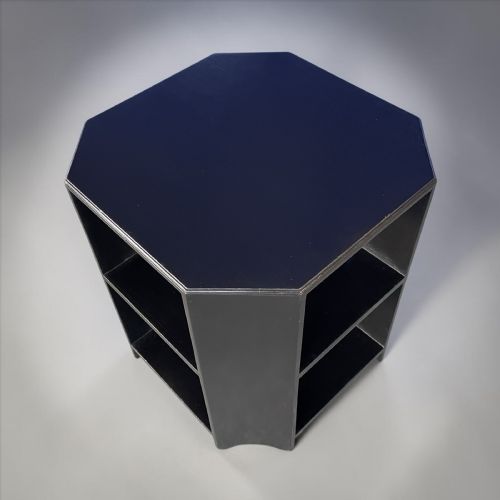
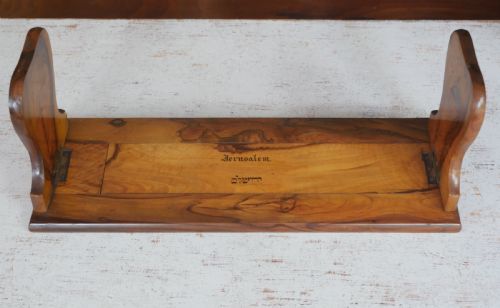
A vintage wooden book trough serves to hold and organise volumes on a desk, table or shelf, appearing in various forms such as fixed troughs, extending slides and open stands. Buyers seeking a vintage wooden book trough will encounter pieces spanning the nineteenth and twentieth centuries, including Victorian, Edwardian and Art Deco examples.
Makers and regional workshops produced these accessories for home libraries, desks and drawing rooms, incorporating adjustable mechanisms, brass mountings and inlaid details. The items range from simple desk tidies to larger sectioned library book troughs and magazine racks.
Materials and construction methods
Craftsmen built these items using solid hardwoods and decorative veneers, selecting oak, mahogany, walnut and rosewood for durability and grain pattern. Secondary woods often provided structural support within extending mechanisms and internal dividers.
Decoration relied on brass mounting, Tunbridge woodwork, fine painted plaques and inlaid contrasting timbers such as satinwood. Carved elements appear on Anglo-Indian teak items and specific regional pieces.
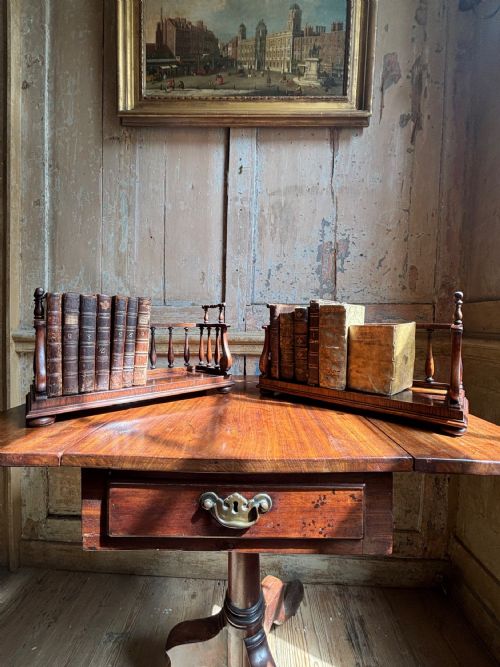
Extending mechanisms utilised wooden tracks and brass hinges to allow the book slides to adjust in length according to the volume count.
Oak, mahogany and rosewood represent the primary timbers utilised across these Victorian, Edwardian and Art Deco pieces.
Distinctions in quality
Quality rests upon the selection of timber figures, such as flame mahogany or burr walnut, and the precision of inlaid details or hand-carved motifs. Pieces featuring solid brass hardware and well-fitted extending sliding actions demonstrate superior workshop execution.
Refined surface finishes and intact decorative elements, including painted plaques or specialised Tunbridge work, distinguish finer library accessories from plain utility pieces. The integration of structural joinery without excessive repair ensures longevity in domestic use.
Gillows
The Vintage Wooden Book Trough Glossary
- Book slide
- An adjustable desk accessory designed to hold volumes upright between two ends that move outward on a base. They allow the capacity to expand as more texts are added.
- Tunbridge ware
- A form of decorative woodwork originating from Kent, characterised by small mosaic tiles created from naturally coloured woods to form geometric or pictorial scenes. It frequently decorates nineteenth-century desk accessories.
- Ebonised wood
- Timber treated with a dark stain or chemical process to imitate ebony. This finish gained popularity during the Victorian and Art Deco periods for decorative contrast.
- Brass mounted
- Furniture and accessories fitted with brass handles, hinges, brackets or plaques. These metal additions reinforce joints and provide visual contrast against dark hardwoods.
Vintage Wooden Book Trough: Frequently Asked Questions
How do extending book slides work?
Extending book slides utilise a central wooden base channel where two upright ends slide outward to accommodate a changing number of volumes. This mechanism allows the holder to adjust in length on a desk or table.
Most traditional versions rely on smooth wooden runners, sometimes assisted by brass fittings, to maintain alignment as the sides move.
How should I care for a vintage wooden book trough?
Keep wooden book troughs away from direct sunlight and strong heat sources to prevent the timber and veneers from drying out or splitting. Gentle dusting with a dry cloth helps maintain the finish.
Occasional application of appropriate wax polish preserves the sheen on hardwoods like mahogany and oak without building up heavy residues.
Where were these pieces typically used?
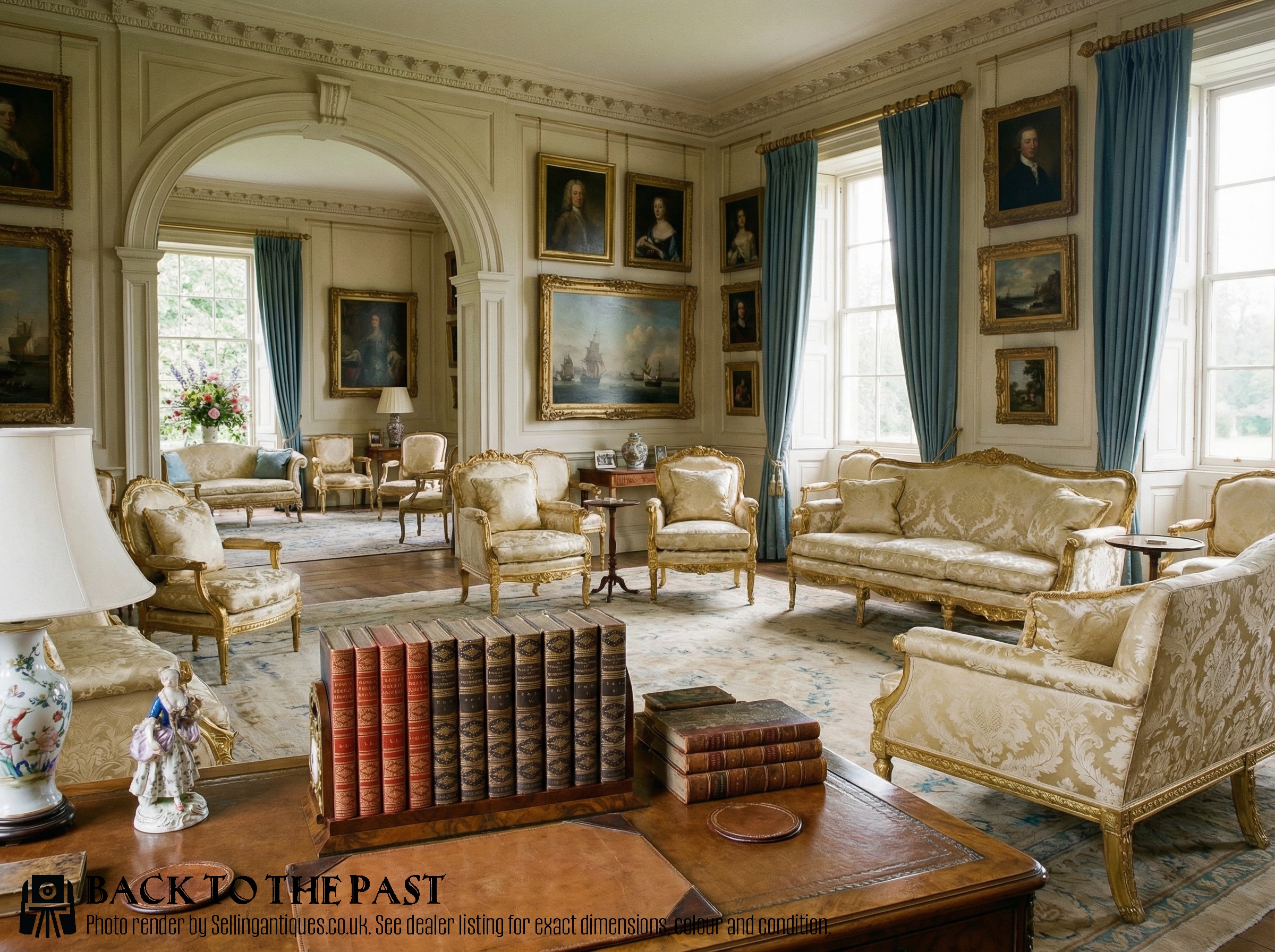
These items belonged primarily in home libraries, studies, offices and drawing rooms during the nineteenth and early twentieth centuries. They kept working reference books close at hand on top of desks and side tables.
Larger magazine racks and floor-standing troughs provided storage for periodicals in communal sitting areas.