
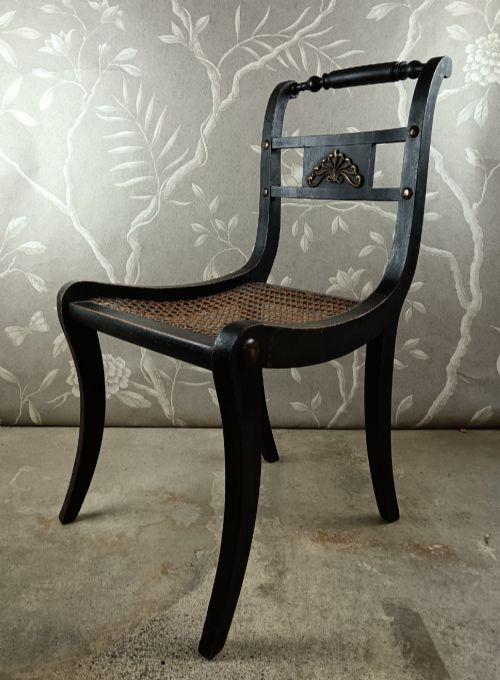
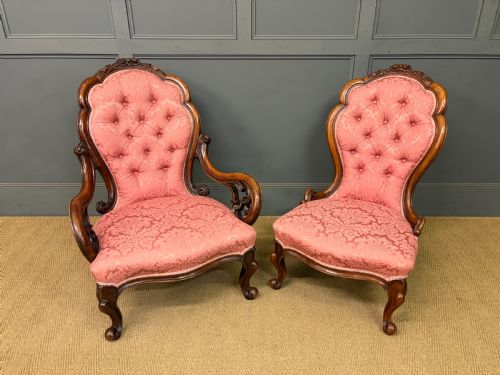
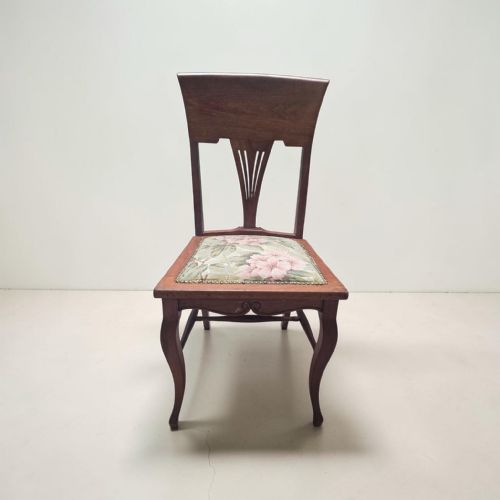
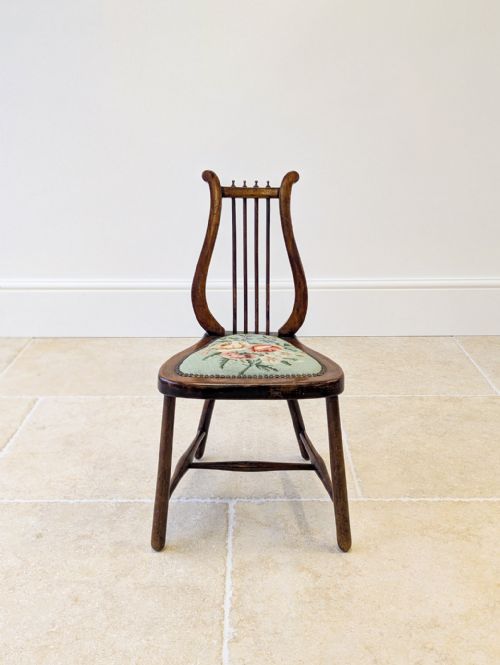


Vintage Wooden Bedroom Chair
These vintage wooden bedroom chair options bring practical charm and period character to domestic spaces.
Vintage Wooden Bedroom Chair
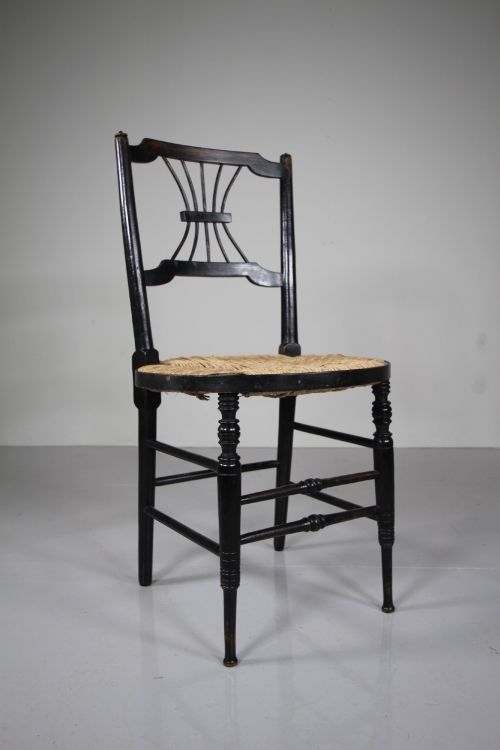
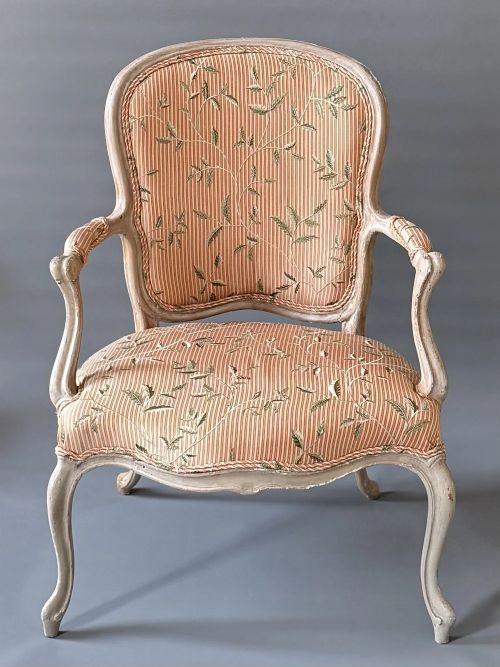
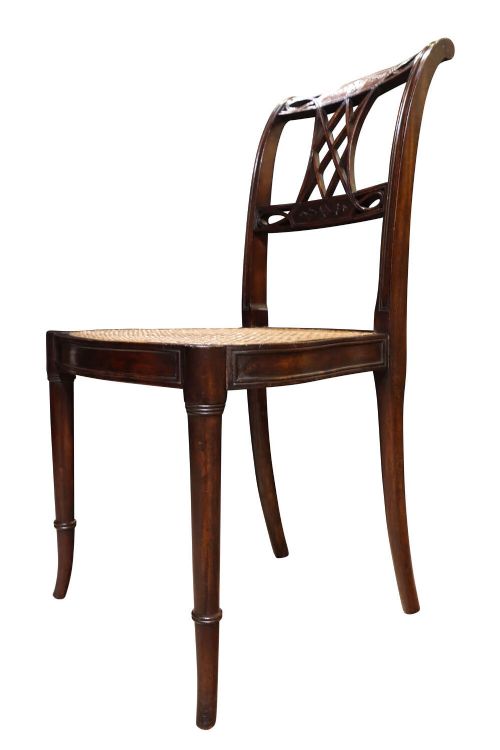
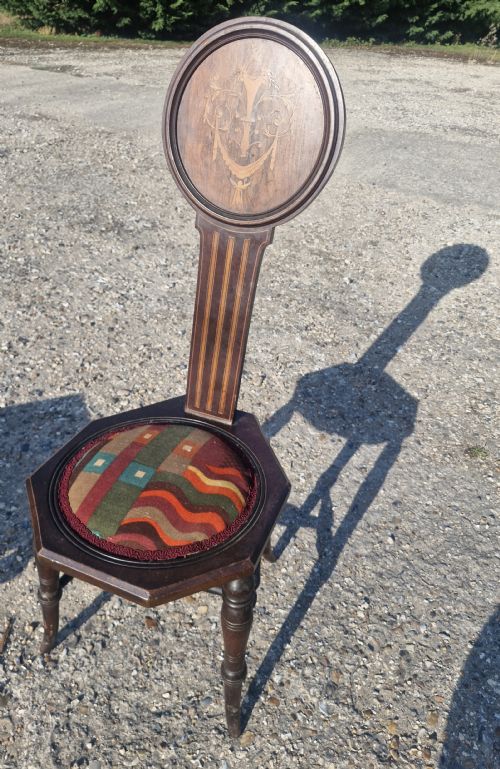
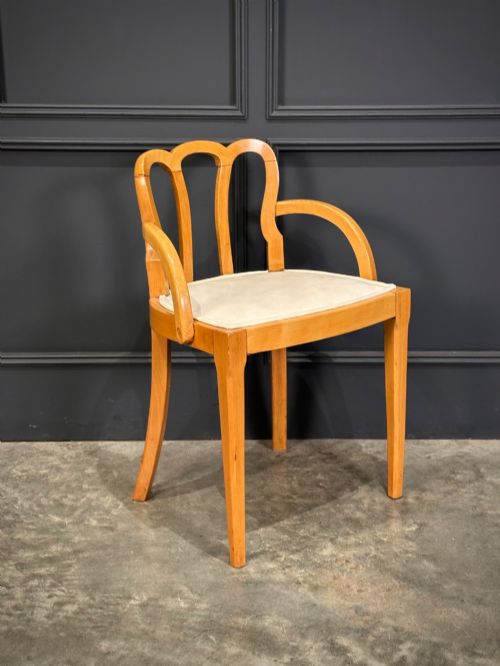
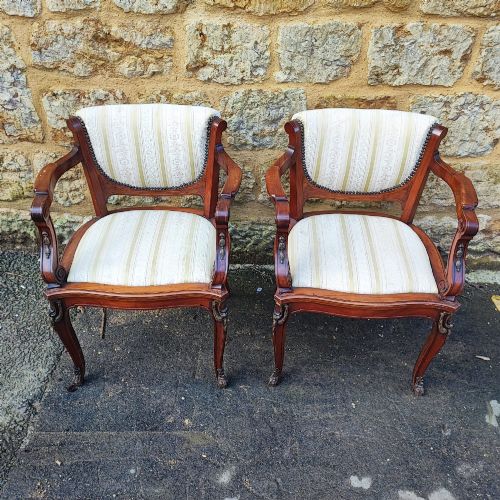
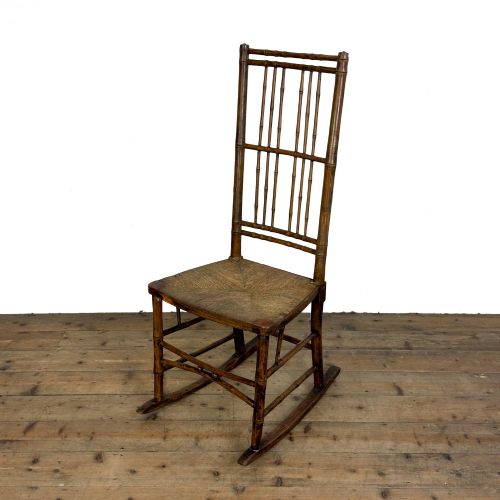
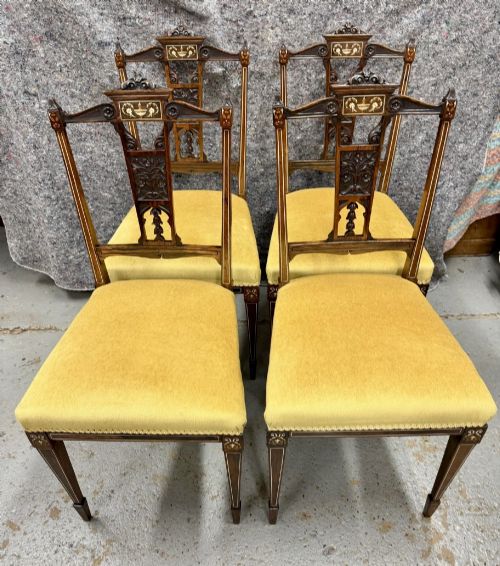
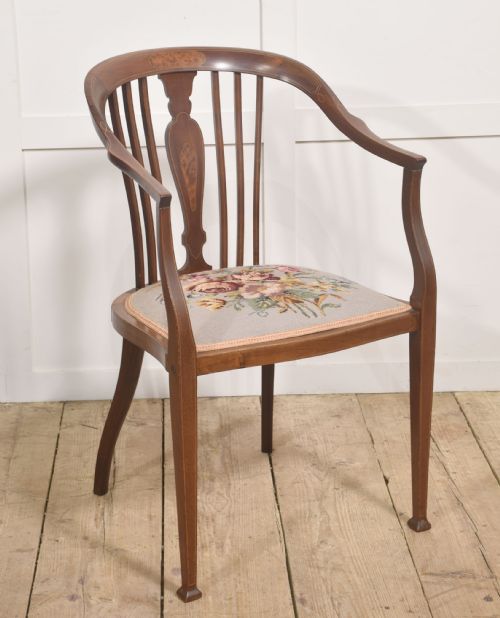
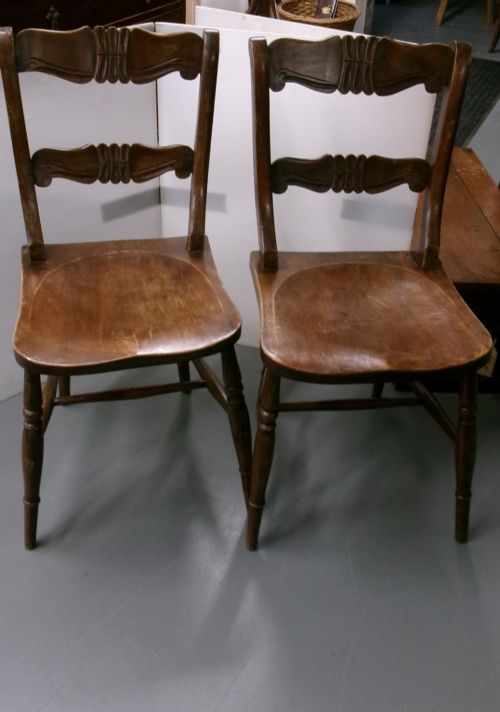
A vintage wooden bedroom chair encompasses a diverse selection of seating designed for private chambers, dressing rooms, and intimate spaces over past centuries. Buyers exploring this category encounter forms ranging from low-slung nursing chairs and spinning chairs to cane-seated side chairs and inlaid mahogany elbow chairs.
The pieces listed span multiple historical periods, with Edwardian and Victorian examples appearing frequently alongside 18th century French armchairs and Regency designs. Woods such as mahogany, walnut, beech, and satinwood dominate the construction, often enhanced with cane work, fabric upholstery, and decorative inlay.
How they were made
Cabinet makers utilised dense hardwoods including mahogany, walnut, and beech to construct robust frames capable of supporting daily domestic use. Turned elements, carved details, and steam-bent components shaped the distinctive silhouettes seen across the inventory.
Surface decoration frequently involved intricate satinwood inlay, brass accents, painted finishes, and needlepoint panels. Seating surfaces combined traditional upholstery with woven cane panels and split cane back constructions.
Several chairs include specialised designs for gossip, spinning, and gentleman's valeting.
What varies in quality
The standard of timber selection and the precision of joinery heavily influence the integrity of each frame. Pieces exhibiting finely executed woodcarvings, balanced proportions, and careful integration of inlay work represent superior craftsmanship.
The preservation of original materials, such as early cane seats, brass mounts, and period upholstery, distinguishes higher grade specimens. Subtle refinements in turning and the harmony of secondary woods reveal the workshop origin behind individual chairs.
William Morris·Wheeler Of Arncroach·Fratelli Rugitti
The Vintage Wooden Bedroom Chair Glossary
- Nursing chair
- A low-seated chair traditionally utilised in Victorian bedrooms for feeding infants or assisting with attire. These pieces typically feature padded upholstery and a low centre of gravity.
- Cane
- Woven rattan material utilised for seats and backrests to provide flexible yet durable support. This technique appears across Edwardian and Regency examples in the selection.
- Inlay
- A decorative technique where contrasting woods or materials are set into the primary surface of the furniture. Satinwood and lighter timbers frequently form floral or geometric patterns on mahogany backgrounds.
- Sabre leg
- A concave curving leg that tapers towards the foot, commonly found on Regency dining and side chairs. This classical form adds structural stability while maintaining a graceful profile.
- Bergere
- An enclosed upholstered armchair featuring wooden frames and cane panelling on the back and sides. French designs of this type often incorporate painted surfaces and curved armrests.
Vintage Wooden Bedroom Chair: Frequently Asked Questions
What is a nursing chair used for?
These low-seated chairs were traditionally placed in bedrooms to assist with nursing infants or dressing in comfort. Their shorter stature made them practical for close-up domestic tasks.
Over time, these pieces transitioned into decorative bedroom seating, prized for their compact proportions and upholstered comfort.
How do I identify an Edwardian chair?
Edwardian seating often exhibits lighter frames constructed from beech, mahogany, or satinwood, frequently featuring delicate floral inlay. The influence of Art Nouveau and Sheraton Revival styles appears widely in this period.
Look for refined turned legs, cane inserts, and graceful proportions that distinguish these lighter 20th-century pieces from heavier Victorian predecessors.
Are cane seats original on antique chairs?
Many period chairs retain their original woven cane panels, though fragile examples often require professional re-caning. Inspecting the underside reveals the age of the binding and the patina on the wood.
Split cane and traditional woven patterns vary by period, offering clues to the manufacturing date and regional origin of the piece.
How do I style a bedroom chair?
These versatile seats function effectively as standalone accent pieces in corners, beside dressing tables, or paired with small occasional tables. Their varied woods and upholstery bring texture to modern and traditional interiors alike.
Ensuring adequate clearance around the chair allows its distinct silhouette, whether lyre-back or tub-style, to remain a focal point.