




Scottish Arts and Crafts Chair
These scottish arts and crafts chair examples bring genuine regional character and solid construction into any room.
Scottish Arts and Crafts Chair
A scottish arts and crafts chair represents a distinct regional interpretation of the broader movement, combining vernacular traditions with solid craftsmanship. Buyers searching for a scottish arts and crafts chair will encounter various forms ranging from low fireside seats to full-sized seating.
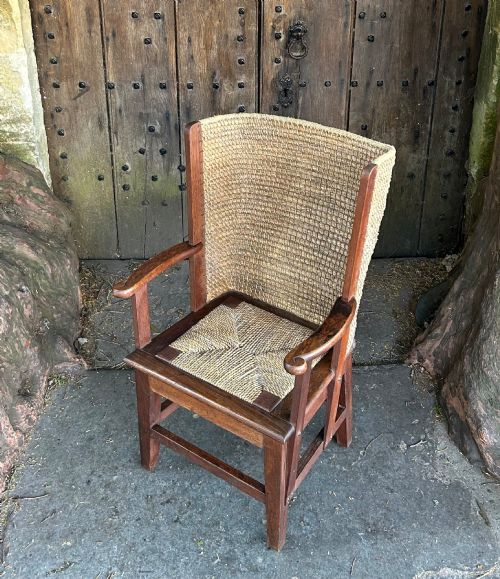
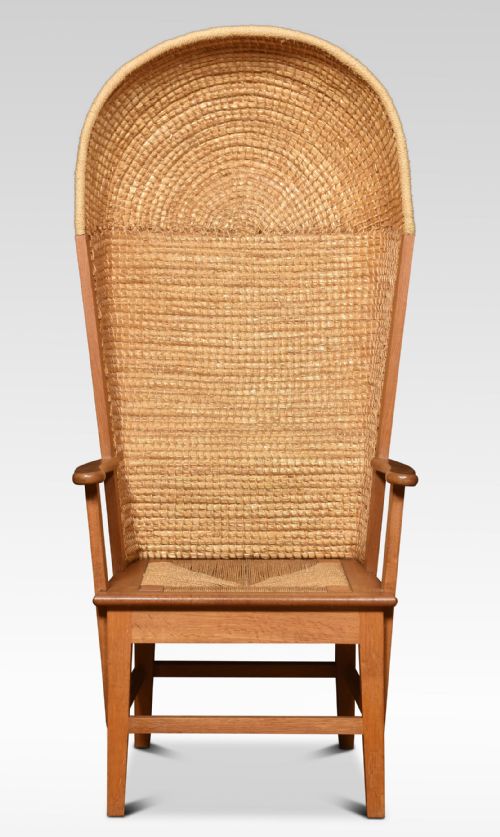
The selection includes specific regional forms such as Orkney chairs and gossip chairs alongside standard dining and armchairs. These pieces draw on Scottish vernacular and country styles, often retaining traditional local construction methods.
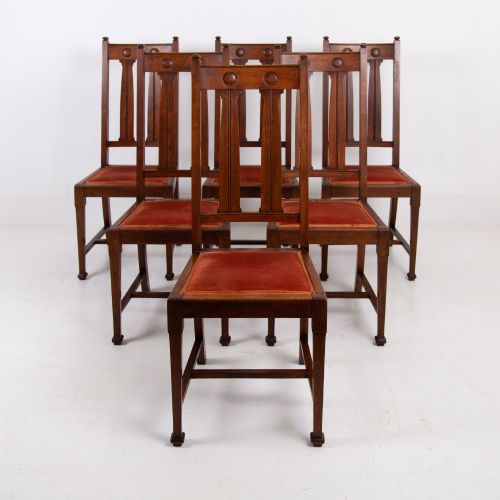
Most examples date from the Edwardian era and the early twentieth century, though older vernacular prototypes also appear. Oak is the primary wood utilised, frequently paired with woven seating components.
How they were made
Makers utilised sturdy native timbers, predominantly oak and sometimes stained beech or mahogany, to build the rigid frames. These wooden elements support traditional woven components like straw and rush used for seats and backs.
Upholstered versions incorporate materials such as leather, velvet, and metal studs to secure the coverings to the wooden framework. Joinery prioritises functional strength, aligning with the ethos of the movement.
Scottish Arts and Crafts Chair Retail Price Guide 2026
Typical asking prices for scottish arts and crafts chair among the pieces listed under this phrase on Sellingantiques today, from the lower quarter to the upper quarter. They describe what is for sale here now, not the wider market.
Some gossip chairs include tiny built-in wooden surfaces specifically designed to hold a notepad for telephone messages.
What varies in quality
The integrity of the woven straw or rush forms a primary indicator of superior execution in Orkney and vernacular seating. Tight, uniform weaving demonstrates higher skill in handling difficult natural fibres.
Frame construction and timber selection set apart the finest examples from simpler utility pieces. Selecting denser woods and retaining original upholstery materials elevate the overall desirability of the seating.
Wheeler Of Arncroach
The Scottish Arts and Crafts Chair Glossary
- Orkney chair
- A traditional Scottish seating form characterised by a high woven straw back attached to a wooden frame. These chairs originate from the Orkney Islands and often include a small drawer beneath the seat.
- Gossip chair
- A low seating form designed for telephoning or conversation, featuring an integrated writing surface or armrest. These pieces date largely to the Edwardian period.
- Vernacular
- Architecture or furniture built by local artisans using regional materials and traditional local designs rather than high-style academic patterns. This approach defines much of the Scottish country furniture.
- Rush
- Pliable marsh plant stems used extensively for weaving traditional chair seats. This material provides a durable and textured seating surface.
Scottish Arts and Crafts Chair: Frequently Asked Questions
What is an Orkney chair?
An Orkney chair is a distinct regional seat featuring a high straw-backed frame woven by hand. This design protected sitters from draughts in stone-built coastal homes.
Makers built the frames using native wood and finished them with oat straw or bent grass. They remain among the most recognisable pieces of Scottish vernacular furniture.
How do I date these chairs?
Dating relies on stylistic markers, construction methods, and materials recorded across the Edwardian period and early twentieth century. Most documented pieces date from around nineteen hundred to nineteen twenty.
Earlier vernacular examples draw on eighteenth-century traditions without strict stylistic dates. Examining the timber finish and hardware helps establish the manufacturing period.
What is a gossip chair?
A gossip chair is a compact seating form created for brief conversations or early telephone use. They typically feature an attached writing tablet or a wide armrest.
Makers produced these chairs in oak and beech during the Edwardian era. Their unusual proportions make them practical accent pieces for modern hallways.
Where were these pieces made?
These chairs originated in workshops and rural communities across Scotland, from the northern islands to Fife. Regional makers adapted local materials to create functional domestic seating.
Workshops like those in Arncroach produced distinctive oak chairs reflecting the broader arts and crafts ethos. Each region contributed specific details to the construction.