

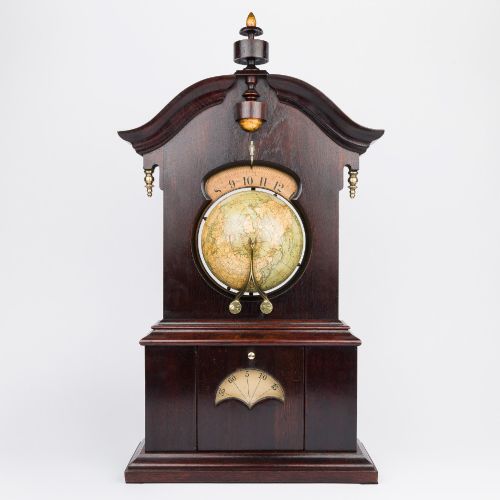
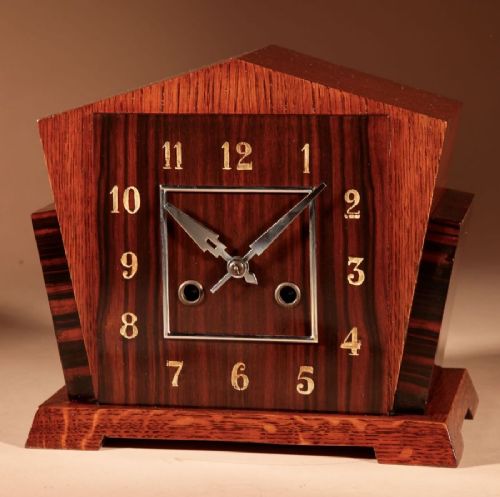
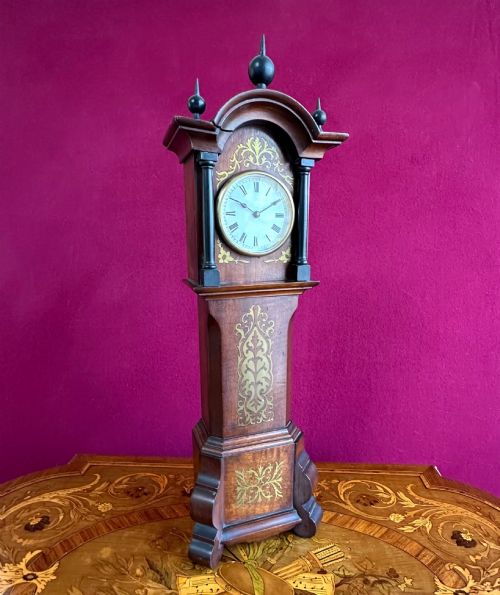

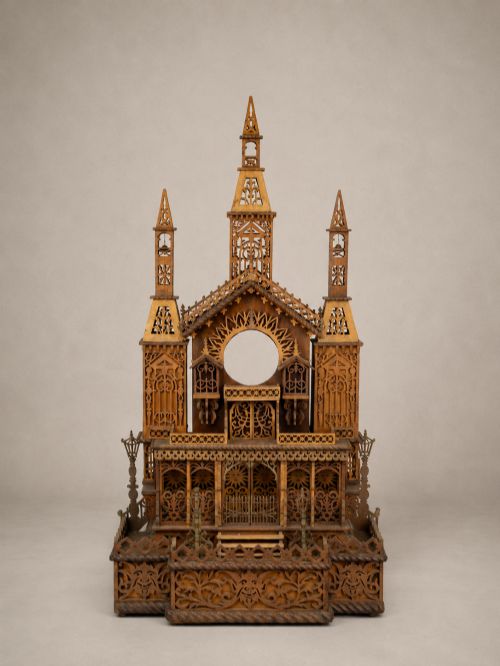
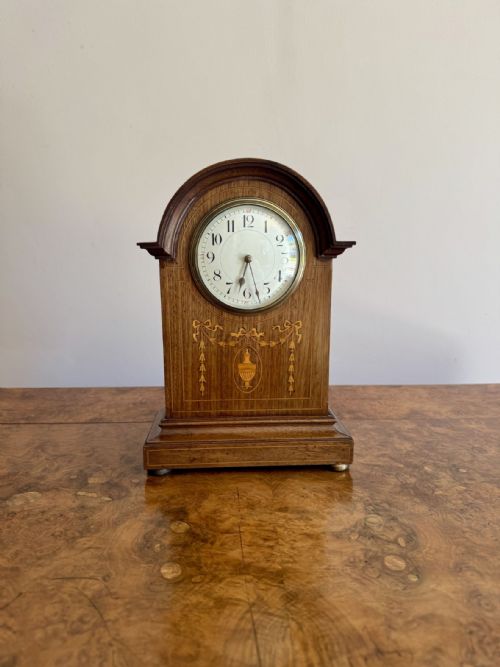

Vintage Wood Mantel Clock
A vintage wood mantel clock brings architectural presence and mechanical life to a room, driven by brass movements and housed in rich timber cases.
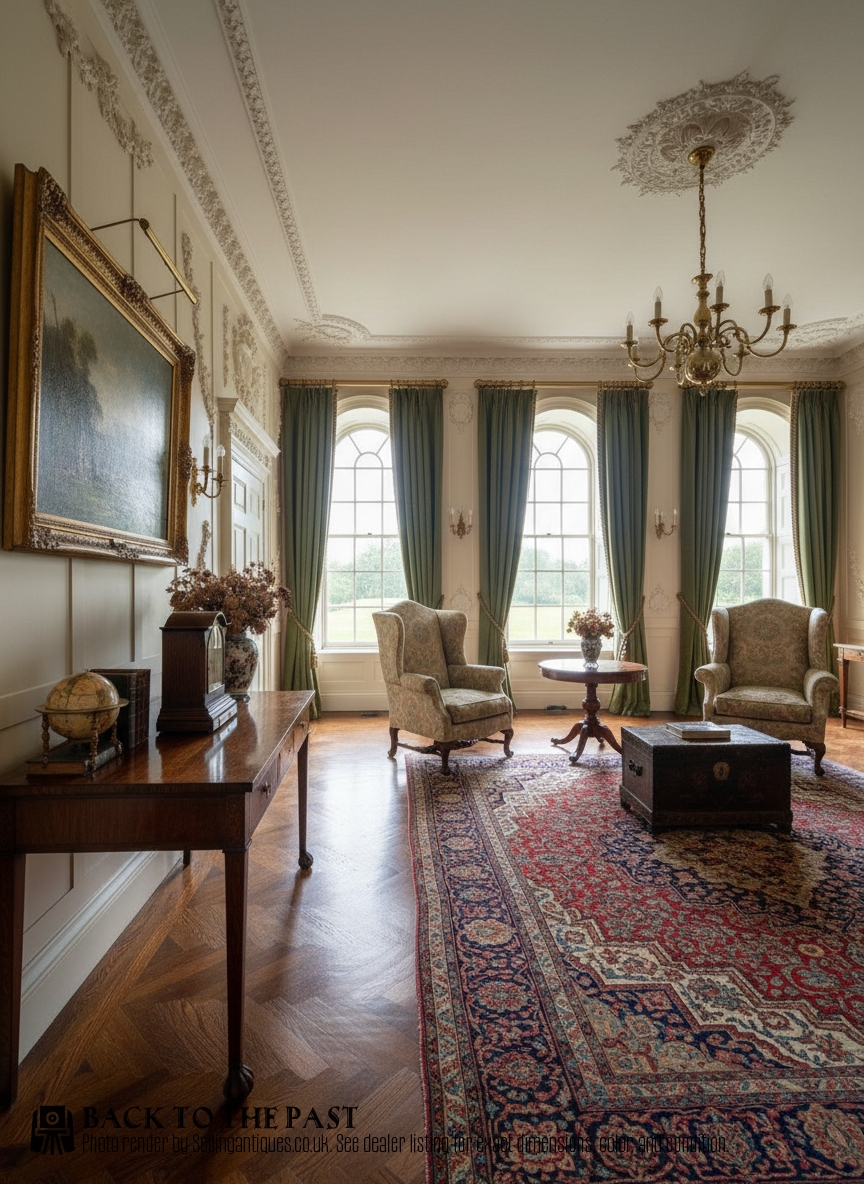
Vintage Wood Mantel Clock
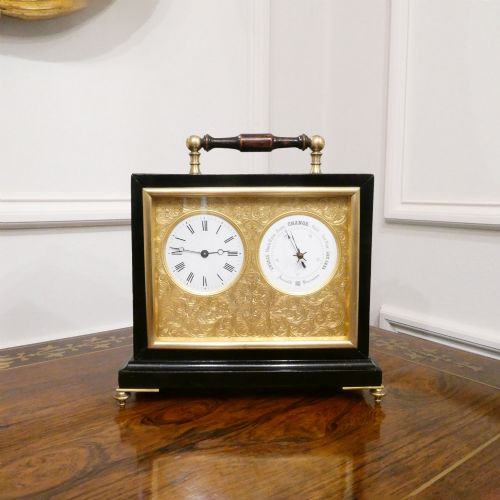
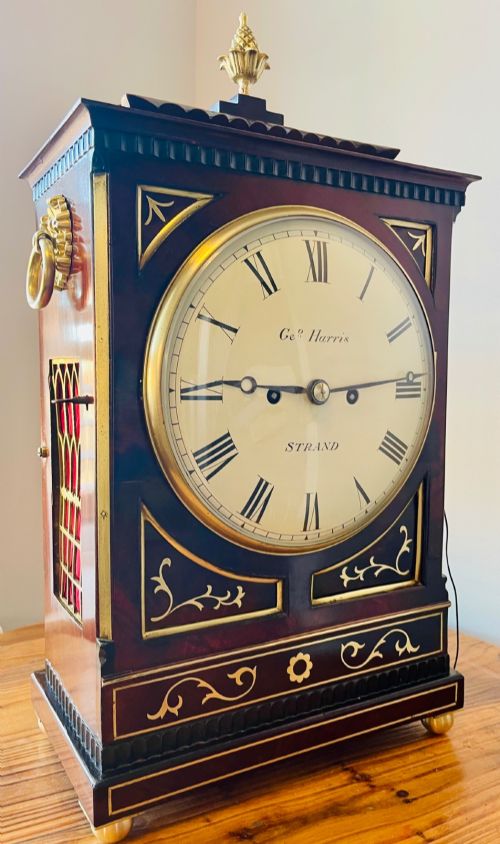
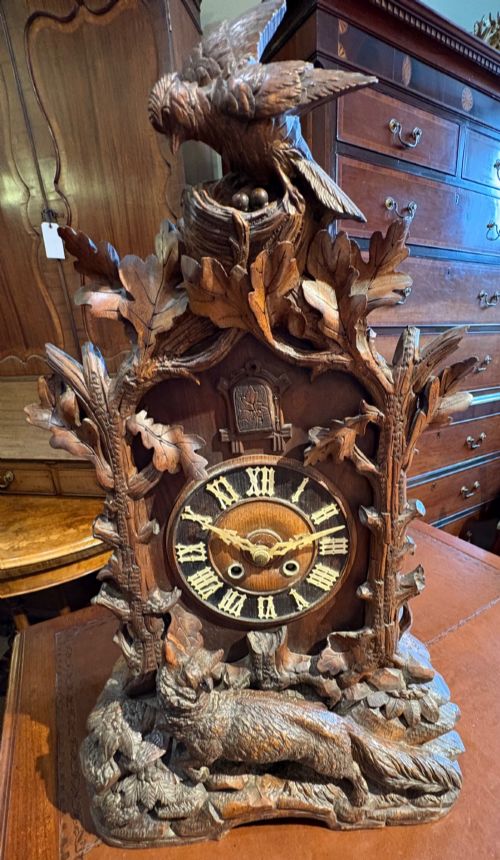
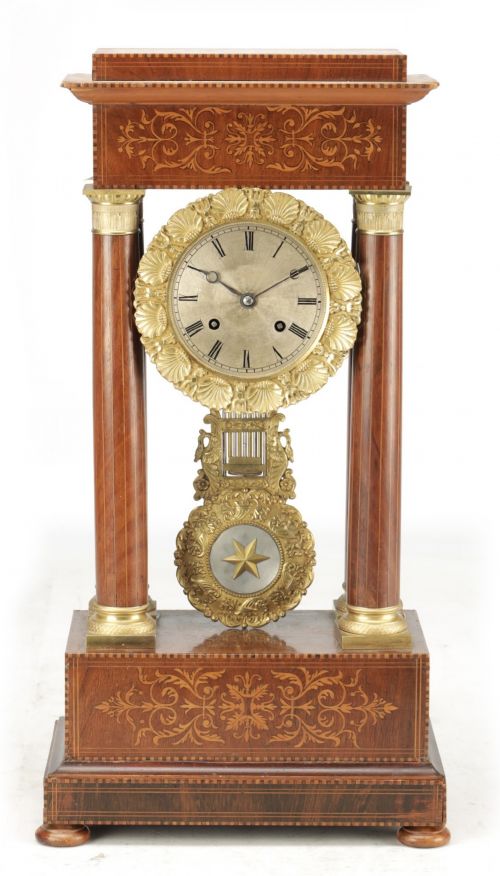
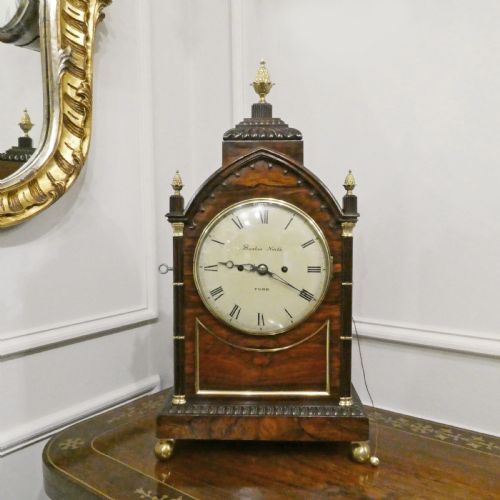
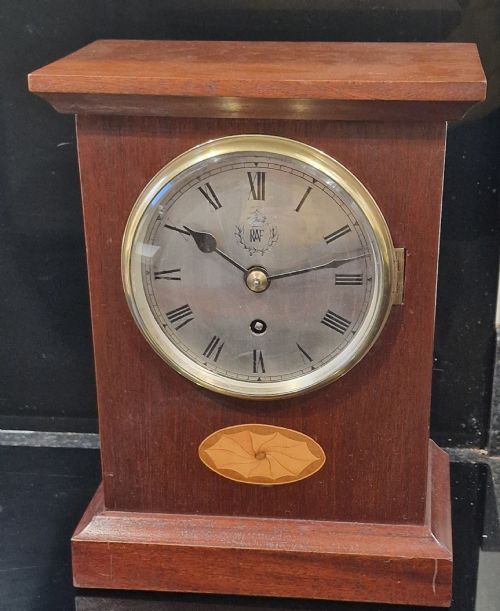
A vintage wood mantel clock sits upon shelves, desks, and chimney pieces, combining timekeeping with cabinetry. These pieces range from simple domestic timepieces to complex bracket clocks with striking mechanisms.
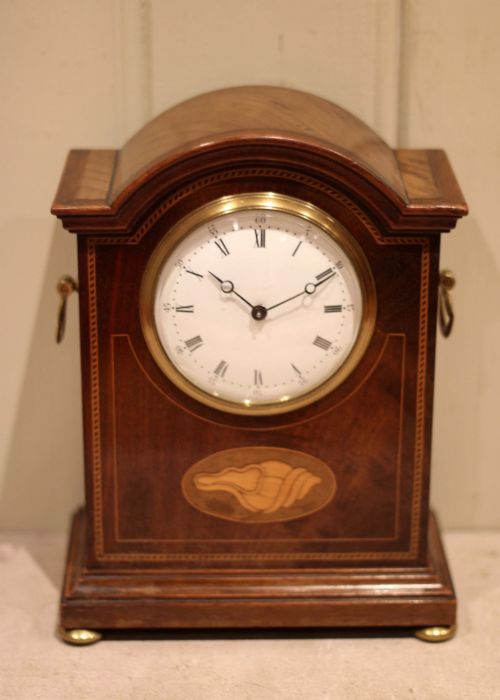
The selections available span periods from the nineteenth century through the Edwardian era and the 1920s. Edwardian inlaid mahogany models and Victorian mahogany or rosewood examples appear most frequently.
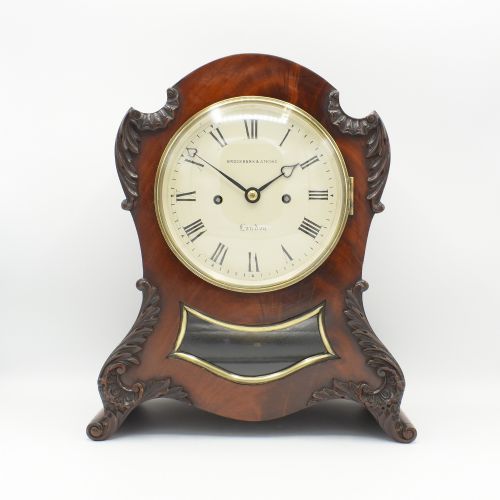
Makers and regional workshops across England, Germany, and France produced these objects in varied forms, including balloon cases, architectural library clocks, and bracket designs.
Materials and construction methods
Cabinet makers utilised dense hardwoods including mahogany, walnut, rosewood, and satinwood for the cases. Artisans frequently added delicate stringing, marquetry inlay, or contrasting veneers such as macassar ebony.
Interior mechanical assemblies relied on brass gears, plates, and spring-driven or fusee movements. Enamel dials, protective glass bezels, and cast brass feet completed the construction.
Mechanical movements include eight-day mechanisms, fusee timepieces, and German ting tang striking systems.
Factors of craftsmanship and distinction
The quality of a vintage wood mantel clock rests on the crispness of the cabinet work and the fidelity of the timber grain. Finer examples display precise brass inlay, well-fitted bevelled glass, and robust movements signed by established makers.
Proportion and architectural balance separate standard production items from superior pieces. Well-executed Edwardian inlay and substantial Regency or Victorian cases demonstrate the maker's hand clearly.
Brockbanks & Atkins·Sir John Bennett·Mappin & Webb·Schneckenburger
The Vintage Wood Mantel Clock Glossary
- Fusee
- A conical pulley used in better clocks to maintain an even pull on the movement as the mainspring unwinds.
- Bracket clock
- A portable table clock, originally designed to sit on a wall bracket to project sound more effectively.
- Ting tang
- A striking mechanism utilising two hammers and two bells to sound the quarters or hours with a distinctive two-tone chime.
- Timepiece
- A clock that tells the time without any striking or chiming mechanism.
- Marquetry
- Decorative patterns formed by fitting together thin slices of wood veneer and other materials onto the clock case.
Vintage Wood Mantel Clock: Frequently Asked Questions
How do I wind my vintage wood mantel clock?
Most spring-driven clocks require a key inserted into the dial holes to tension the mainspring barrels. Turn the key gently until resistance is felt, avoiding over-winding.
Ensure you use the correct winding key size to prevent damage to the delicate square arbors inside the movement.
Why does my clock run fast or slow?
Changes in temperature, humidity, and the levelness of the surface can alter the swing of the pendulum or balance wheel. Most mechanical movements feature a regulation index to adjust the speed.
Move the regulation lever slightly towards the fast or slow indicator to calibrate the timekeeping over a twenty-four hour period.
How do I identify the period of a clock case?
Examine the timber selection, secondary woods, and decorative motifs such as Edwardian stringing or Victorian architectural pediments. Hardware like brass escutcheons and dial signatures also offer clues to the decade of manufacture.
Compare the construction details of the wooden case against documented regional cabinet-making styles from the nineteenth and early twentieth centuries.