



Mechanical Striking Table Clock
A mechanical striking table clock brings the precise engineering of the nineteenth and early twentieth centuries into a room.
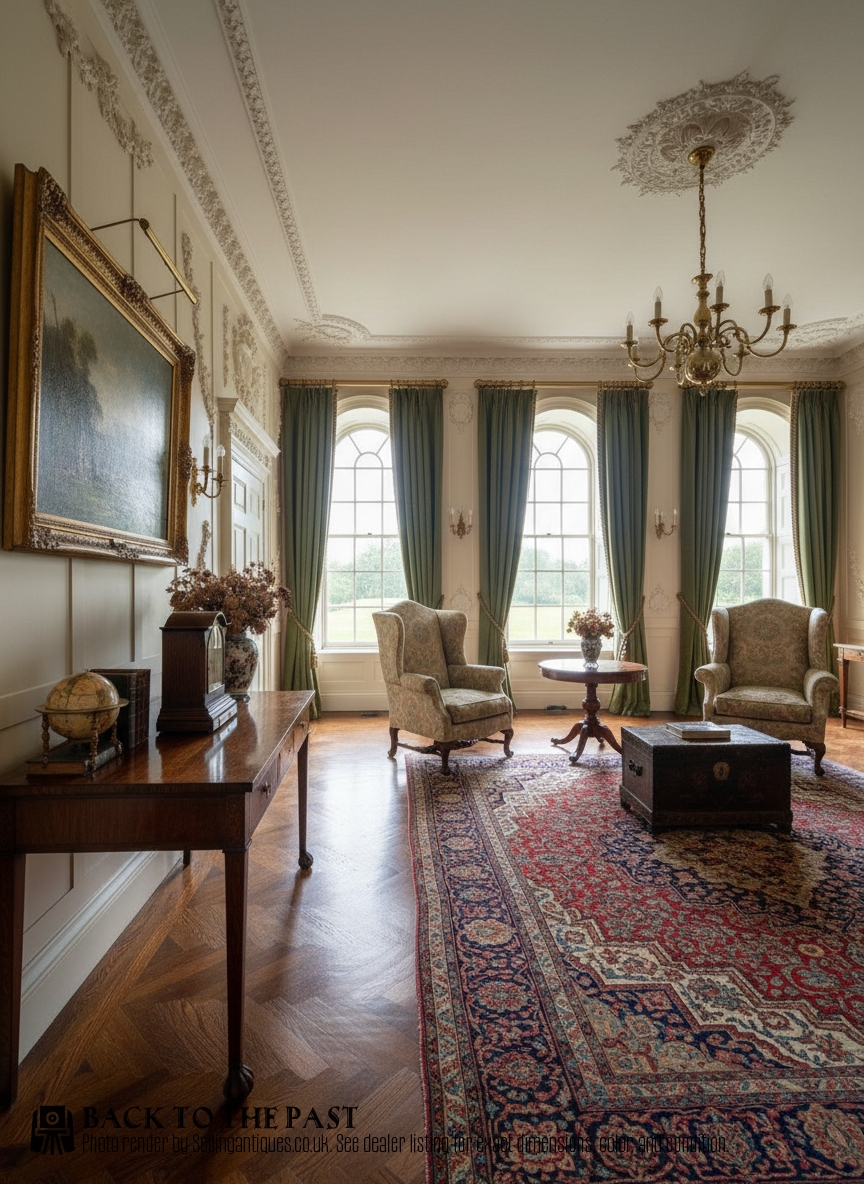
Mechanical Striking Table Clock
When you search for a mechanical striking table clock, you find timepieces designed to sit on brackets, mantels, or tables while sounding the hours and quarters. These objects combine complex gear trains with decorative cases spanning the Regency, Victorian, and early twentieth-century periods.
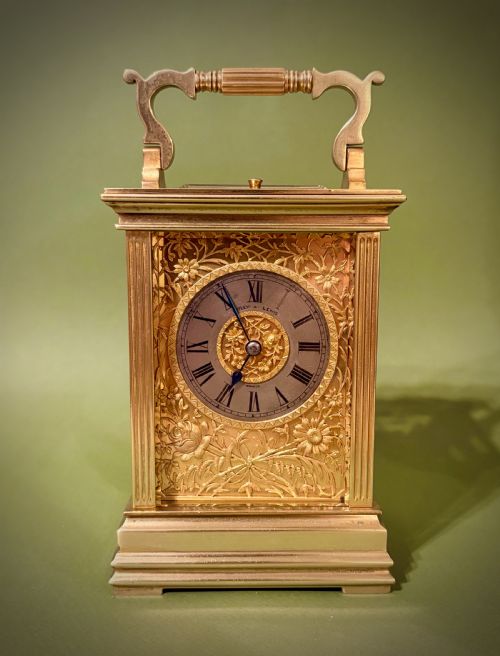
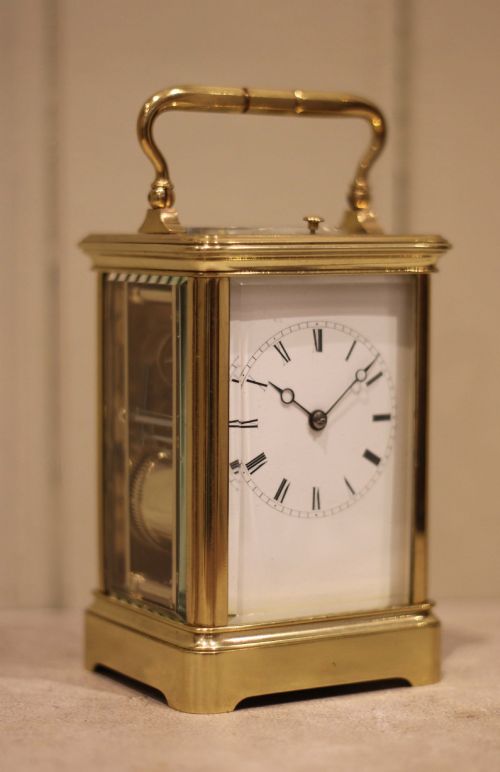
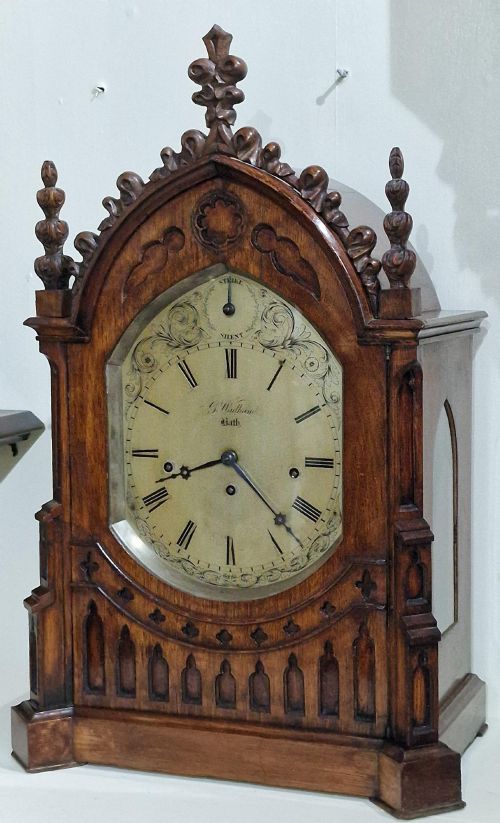
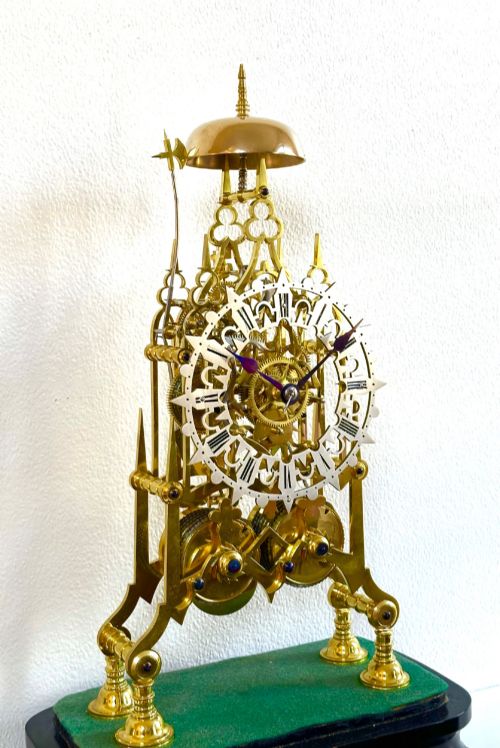
The selection ranges from compact French carriage clocks in brass and glass to substantial English bracket clocks in mahogany, walnut, and oak. You will also encounter architectural marble cases, ebonised wood designs, and skeleton clocks that expose the moving mechanism.
How they were made
Maker workshops constructed these movements using brass, steel, and glass, housing them in timber cases of mahogany, walnut, oak, and ebonised wood. Dial faces frequently feature enamel with painted numerals, protected behind bevelled glass panels.
Engines and gear trains rely on fusee or spring-driven mechanisms to regulate timekeeping and power the striking functions on bells or gongs. Cabinetmakers added fine details such as ebony veneers, marble surrounds, and gilt brass mounts.
Materials documented in these clocks include glass, brass, enamel, gilt brass, steel, oak, ebonised wood, and mahogany.
What varies in quality
The distinction between standard production and top-tier execution rests upon the sophistication of the movement and the fidelity of the case. Maker signatures from notable horologists indicate higher standards of mechanical refinement and hand-finishing.
Complications such as quarter-striking, repeating functions, double fusee setups, and alarms separate utilitarian timepieces from exceptional examples. The choice of materials, from simple brass to elaborate marquetry and gilt mounts, further defines the grade.
George Wadham·Des Granges·Louis Recordon·Le Roy et Fils·Mathias Bauerle·Winterhalder and Hofmeier·DeLa Salle And Christie·Goldsmiths and Silversmiths·Hunt and Roskell·Alfred Drocourt·Henri Jacot·E. White
The Mechanical Striking Table Clock Glossary
- Fusee
- A conical pulley used in clock movements to maintain an even pull as the mainspring unwinds. This device ensures consistent power delivery to the gear train.
- Carriage clock
- A portable timepiece originally designed for travel, housed in a brass frame with glass panels. These typically feature lever escapements.
- Bracket clock
- A table clock traditionally placed upon a wall bracket for better sound projection and visibility. Many feature substantial wooden cases in mahogany or walnut.
- Grand Sonnerie
- A striking mechanism that sounds both the hours and the quarters automatically on every quarter hour. It represents a high degree of horological complexity.
- Gorge case
- A stepped brass carriage clock case style with distinctive concave mouldings at the top. This housing shape is common in late nineteenth-century French examples.
Mechanical Striking Table Clock: Frequently Asked Questions
What is a mechanical striking table clock?
A mechanical striking table clock is a portable or mantel-standing timepiece powered by springs or weights that sounds the time using bells or gongs.
These pieces encompass carriage clocks, bracket clocks, and mantel clocks produced across the nineteenth and early twentieth centuries.
How do I wind a mechanical striking clock?
Winding involves inserting a matching key into the designated winding squares on the dial or back plate and turning gently until resistance meets you.
Care must be taken not to overwind the mainsprings, ensuring the longevity of the vintage brass and steel gears inside.
Where should I place my table clock?
These clocks sit well upon sturdy mantelpieces, wooden tables, or dedicated wall brackets where vibrations are minimal and the sound can carry.
Level surfaces are essential to keep the pendulum or balance wheel beating evenly for accurate timekeeping.
How do I identify the period of a clock?
Dating relies on stylistic clues in the case work, such as Regency ebony veneers, Victorian Gothic motifs, or early twentieth-century oak forms.
Maker signatures, dial materials, and movement construction types engraved on the back plates also point to specific manufacturing decades.