
Vintage Wood Animal Carving
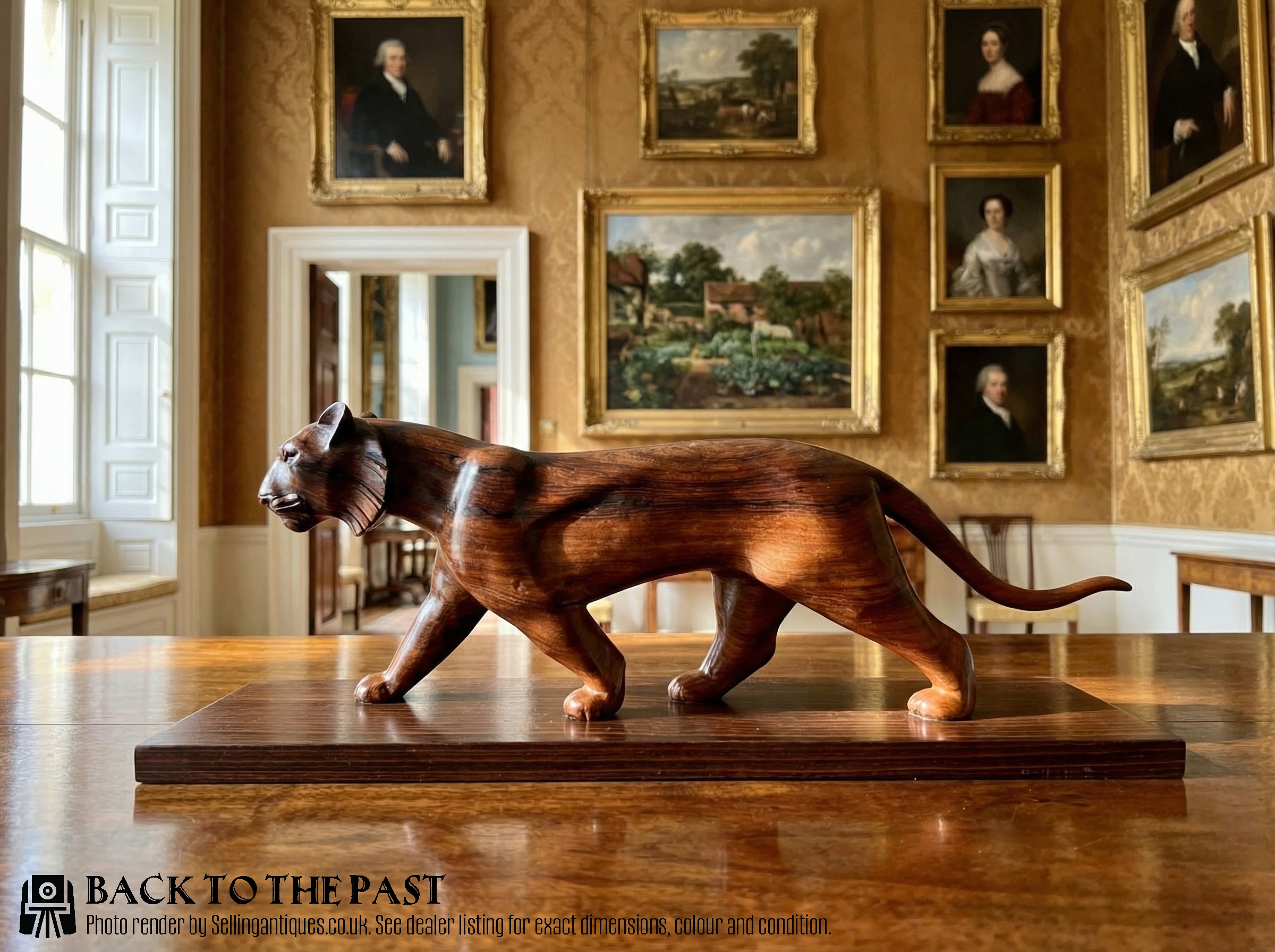
A vintage wood animal carving brings character into a room through the distinct hand of its maker.
Vintage Wood Animal Carving
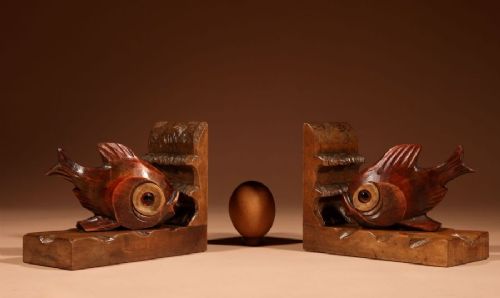
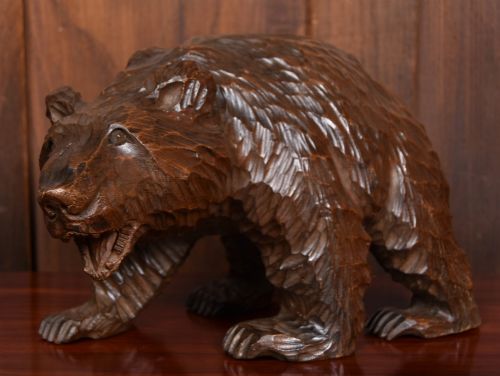
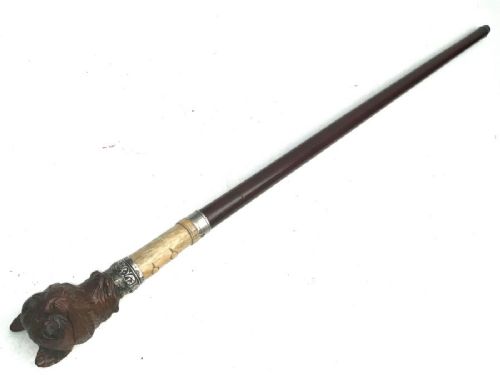
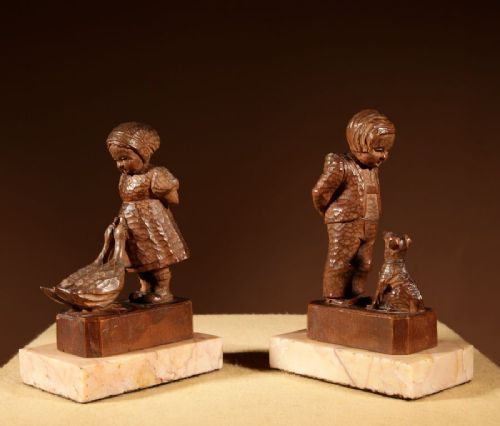
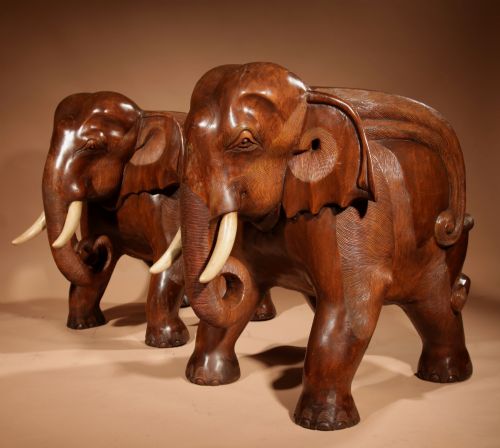
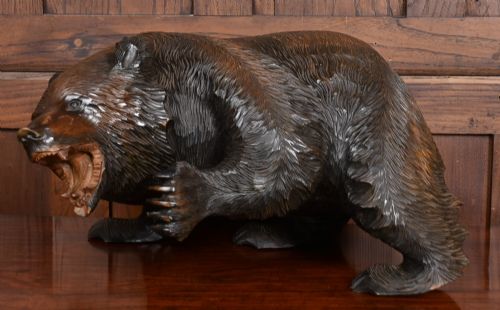
When you search for a vintage wood animal carving, you encounter a diverse range of sculptures, bookends, and walking sticks spanning the nineteenth century through the Art Deco era. The selection draws heavily from European Black Forest workshops, Japanese folk art traditions, and Anglo-Indian craftsmanship.
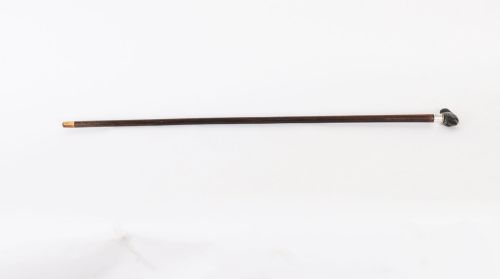
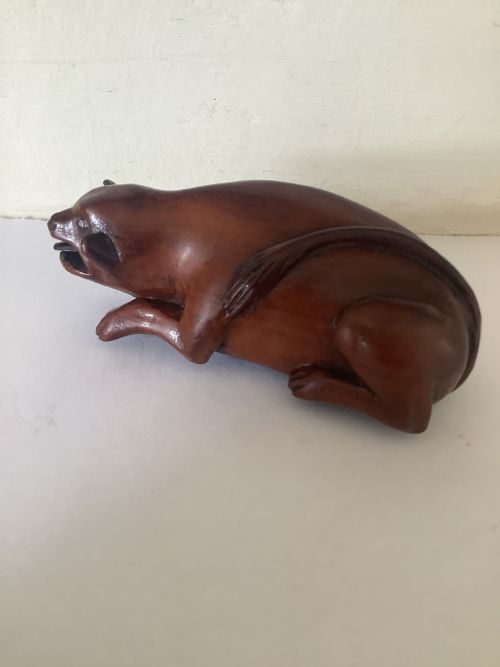
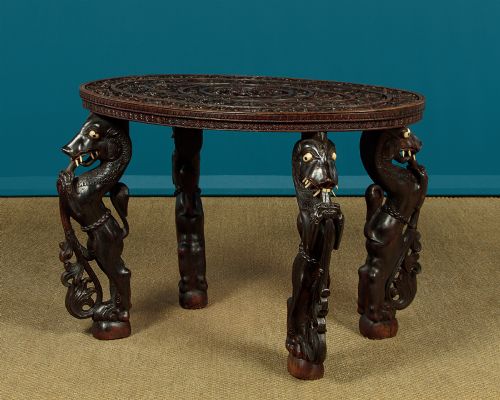
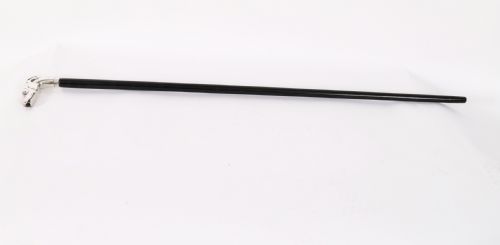
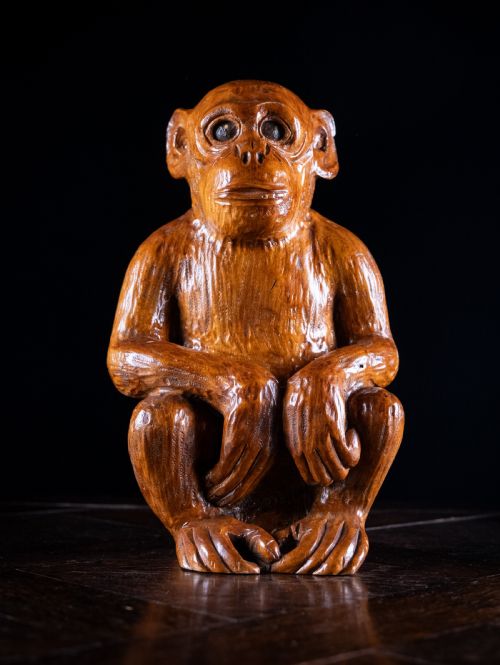
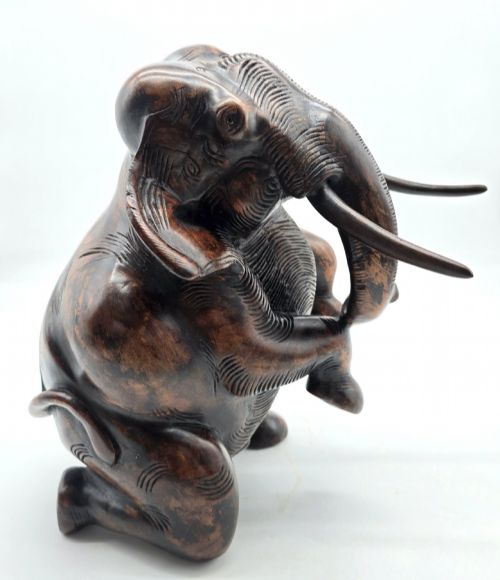
Bears, elephants, and dogs dominate the forms, rendered either with naturalistic precision or naive charm. Many pieces double as functional objects, such as walking stick handles, furniture supports, and library bookends.
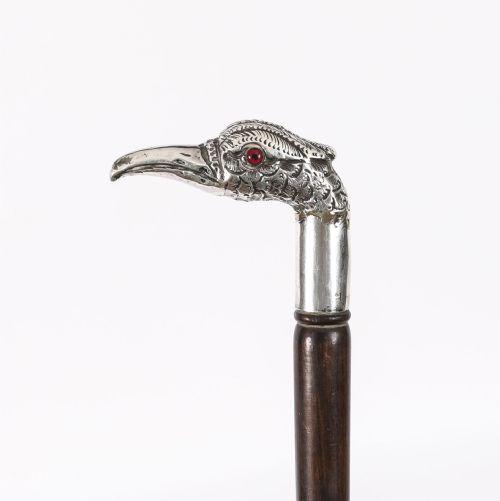
The material palette centres on native timbers like linden wood alongside exotic hardwoods such as teak. Occasional embellishments of bone, paint, and silver elevate simple wooden figures into decorative highlights.
Materials and methods
Carvers shaped these figures using hand chisels and gouges on seasoned timber blocks. Linden wood and various hardwoods provided the dense grain necessary for crisp detail and durable forms.
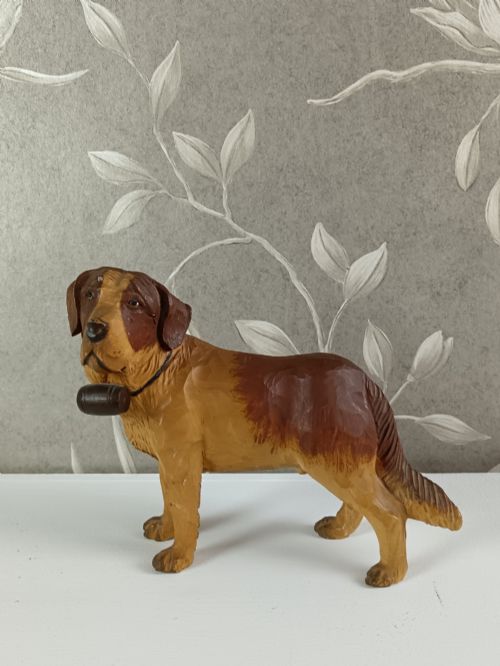
Surface finishes range from polished natural wood showing the grain to painted surfaces on folk art horses and carousel figures. Inset glass eyes and contrasting bone details frequently add lifelike expression to bears and dogs.
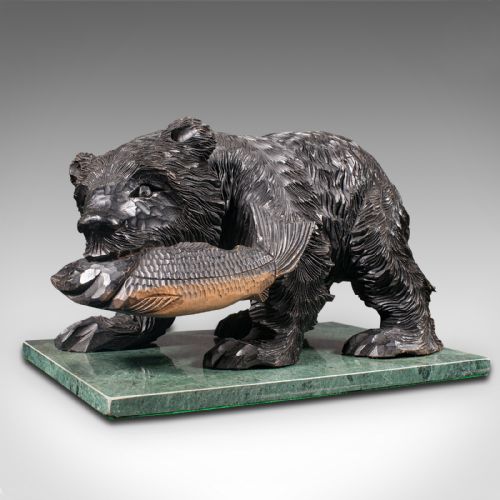
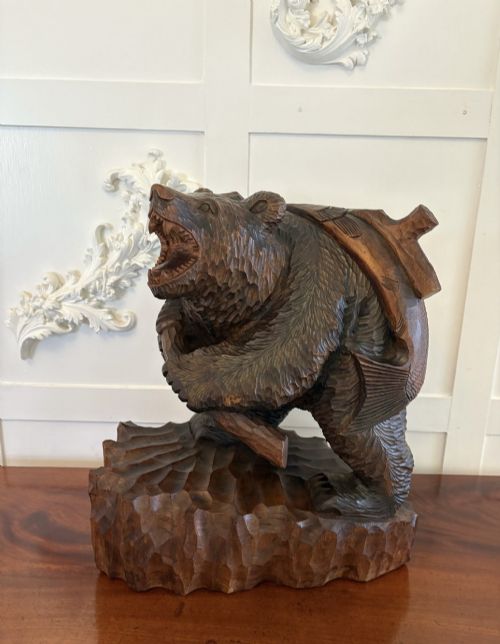
Several bears carry fish, while a Saint Bernard rescue dog stands ready for duty.
Variations in quality
Quality rests in the anatomical understanding and the confidence of the tool marks. Superior examples capture the weight and posture of the creature with economy and precision, avoiding stiffness.
The choice of timber and the preservation of original surface patination distinguish finer items from later or purely utilitarian work. Detail work in secondary materials like silver collars or inset eyes further separates standard carvings from exceptional ones.
Eugene Emile Borga
The Vintage Wood Animal Carving Glossary
- Black Forest
- A regional style of wood carving originating from central Europe, noted for realistic representations of wildlife, particularly bears.
- Kibori Kuma
- A traditional style of Japanese wood-carved bear originating from Hokkaido, often depicted carrying fish or in various poses.
- Anglo-Indian
- Furniture and decorative objects produced in India during the British period, typically utilising dense local hardwoods like teak.
- Folk Art
- Objects created by self-taught or traditional artisans, prioritising expressive character over academic proportion.
Vintage Wood Animal Carving: Frequently Asked Questions
How do I identify Black Forest carvings?
Black Forest carvings usually feature deeply textured fur and dynamic animal poses, most famously bears, owls, and dogs.
They originate from nineteenth and early twentieth-century European workshops and often incorporate practical elements like bookends or umbrella stands.
What wood types were commonly used?
Carvers utilised both local and exotic timbers depending on the geographic origin of the piece.
European pieces frequently employ linden wood or softwoods, while Anglo-Indian and Asian sculptures use dense hardwoods such as teak.
Are these carvings functional objects?
Many figures serve a dual purpose beyond simple display, functioning as walking stick handles, wall masks, or heavy library bookends.
Even purely decorative animal sculptures often integrated into larger items like armchairs or coffee tables.
How should I care for wooden animal carvings?
Keep wooden sculptures away from direct sunlight and sources of direct heat to prevent the timber from splitting or warping.
Dust gently with a dry, soft cloth and avoid applying modern polishes that can build up on the carved surface.