

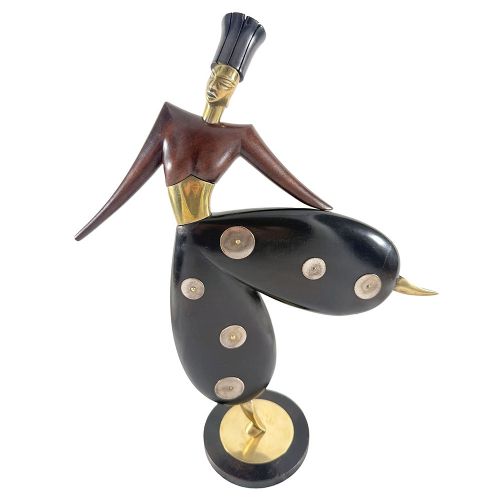


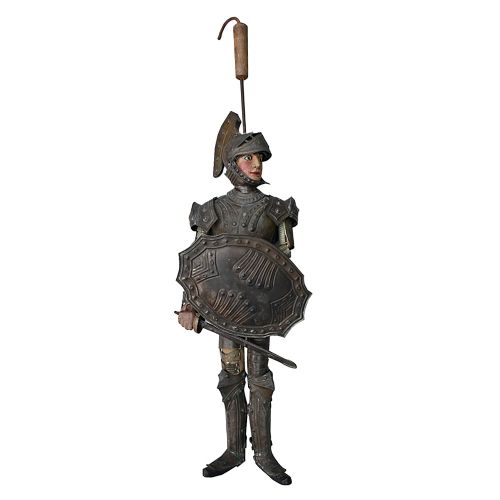
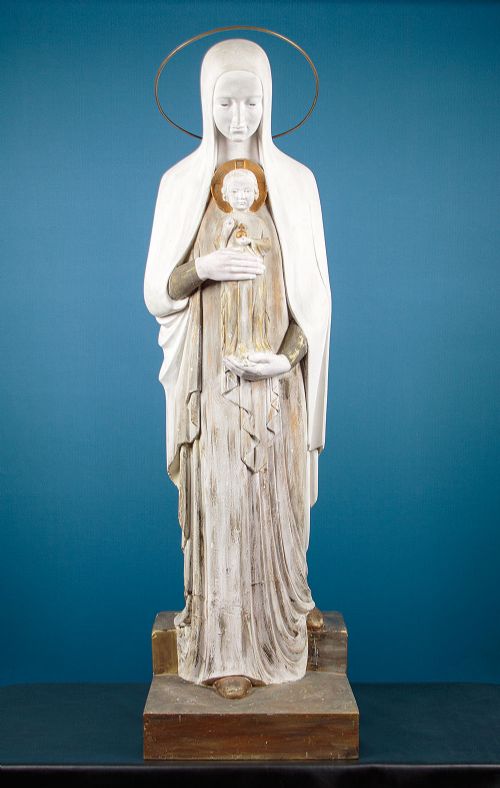


Mid Century Wooden Sculpture
Mid century wooden sculpture brings together carved figures and animal studies from diverse global traditions, offering tactile warmth and organic character to an interior.
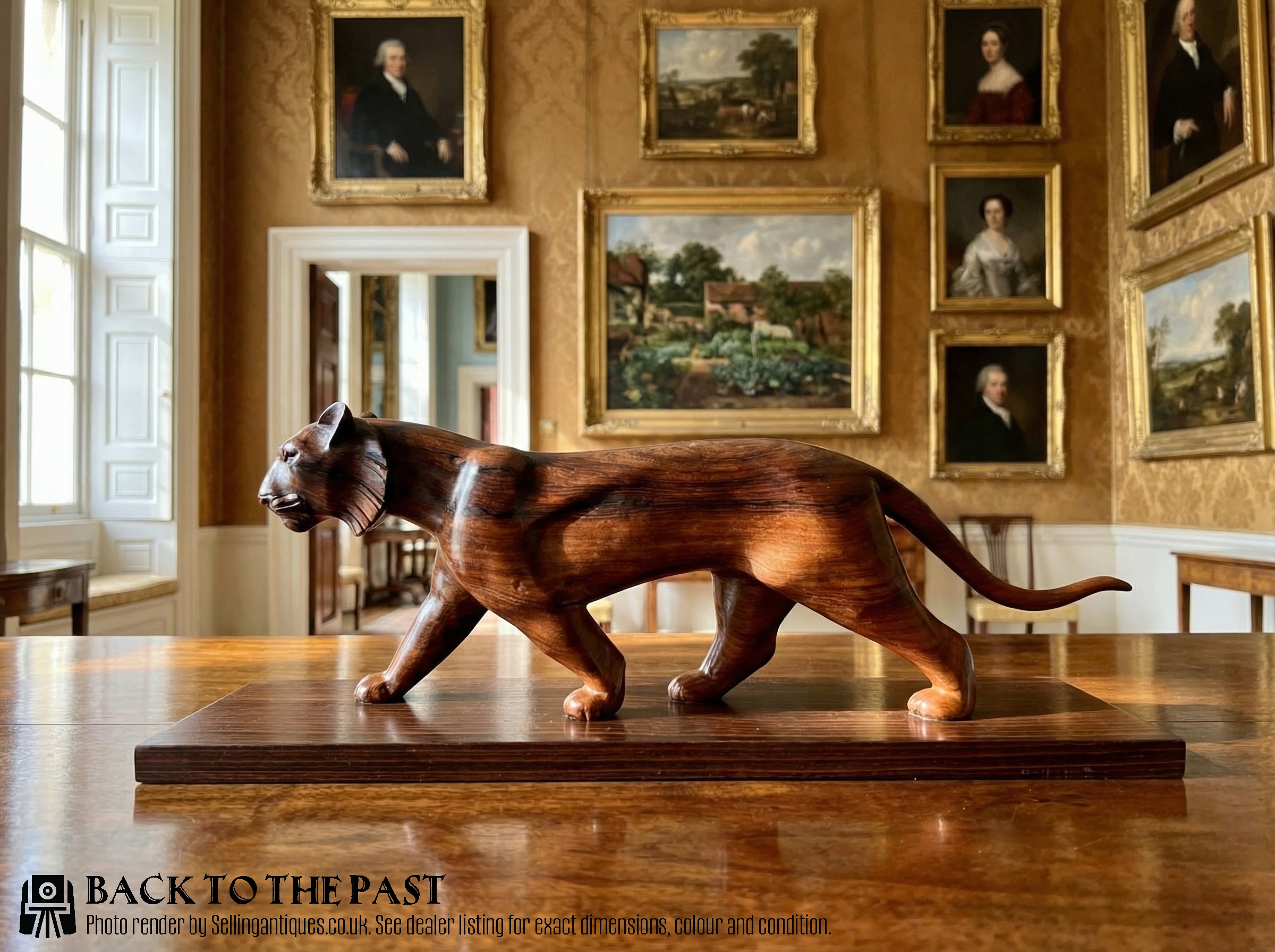
Mid Century Wooden Sculpture
Mid century wooden sculpture encompasses carved figures, deities, animals, and figurative studies created across the twentieth century and earlier historic periods. These pieces range from Art Deco stylised dancers and panthers to traditional Balinese hardwood carvings and African tribal art figures.
Forms span from polished yew wood abstractions to detailed limewood saints and brass-mounted animal figures. Each object relies entirely on the natural grain, warmth, and hand-carved texture of timber.
How they were made
Carvers shaped these pieces from hardwoods such as oak, yew wood, boxwood, limewood, and general timber using traditional hand chisels and gouges. Artisans often enhanced specific forms with applied pigment, gold leaf, or contrasting brass elements.
Makers finished surfaces through smoothing, polishing, or leaving the raw carved grain exposed to highlight the natural patterns of the timber. Certain figures combine carved wood bodies with articulated joints or integrated metal components for decorative effect.
Listings span periods from the sixteenth century through the nineteenth century to the nineteen-thirties, utilising oak, yew wood, boxwood, limewood, and brass.
What varies in quality
Quality rests upon the precision of the carving, the expression captured in the subject, and the harmonious integration of mixed materials like brass. Superior works demonstrate anatomical clarity in figures and fluid line in animal studies.
The selection of timber and the preservation of original surface finishes significantly influence the visual impact of each piece. Skilled execution elevates simple blocks of wood into animated representations of human and animal forms.
Sier Kunst·Laszlo Hoenig
The Mid Century Wooden Sculpture Glossary
- Hardwood
- Timber derived from broad-leaved trees, providing dense and durable material for detailed carving.
- Boxwood
- A fine-grained, dense yellow wood frequently utilised for miniature carvings and netsuke.
- Limewood
- A soft and even-textured timber favoured by European carvers for intricate figurative work.
- Netsuke
- A small Japanese carved toggle used to secure personal pouches, often detailed in boxwood.
- Gold Leaf
- Very thin gold beaten into sheets, applied to highlight specific details on wooden sculptures.
Mid Century Wooden Sculpture: Frequently Asked Questions
What materials are used in these sculptures?
Makers utilised various timbers including oak, yew wood, boxwood, limewood, and general hardwood. Many examples also incorporate brass, gold leaf, and surface pigments to accent the carved forms.
These materials reflect both European studio practices and international regional traditions spanning multiple centuries.
How do I care for wooden sculptures?
Keep carved wooden pieces away from direct sunlight and dramatic fluctuations in temperature or humidity. Dust gently with a dry, soft cloth and avoid chemical polishes.
Maintaining a stable indoor climate preserves the natural moisture in the timber and protects any applied surface finishes.
Are all these pieces from the mid twentieth century?
While the search term points toward mid-century design, the available selection includes works from the sixteenth, nineteenth, and early twentieth centuries. Historic continental figures and traditional tribal art sit alongside twentieth-century Art Deco creations.
Each listing notes the specific period or estimated date of origin for the individual item.
How can I tell different carving styles apart?
Stylistic differences depend on the geographic origin and period of production, ranging from smooth Art Deco abstraction to detailed nineteenth-century European realism. Regional works like Balinese or African carvings display distinct cultural iconographies and traditional forms.
Examining the treatment of the subject and the tooling marks helps identify the specific artistic tradition.