
Vintage Wing Back Chair
A vintage wing back chair brings draught-excluding comfort and period presence to a room, offering deep seating wrapped in leather, velvet, or wool.
Vintage Wing Back Chair
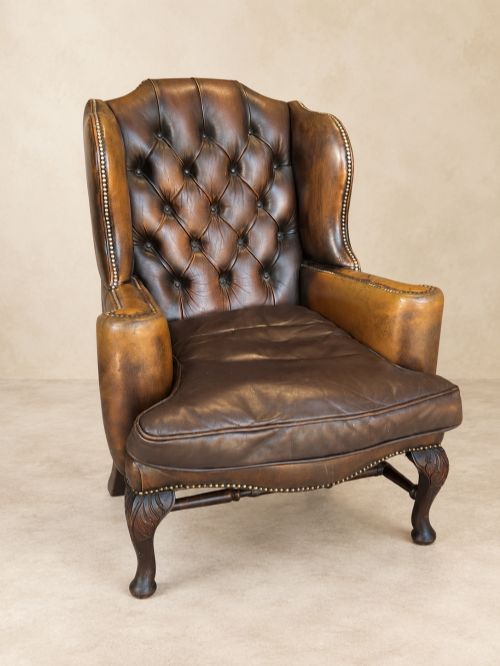
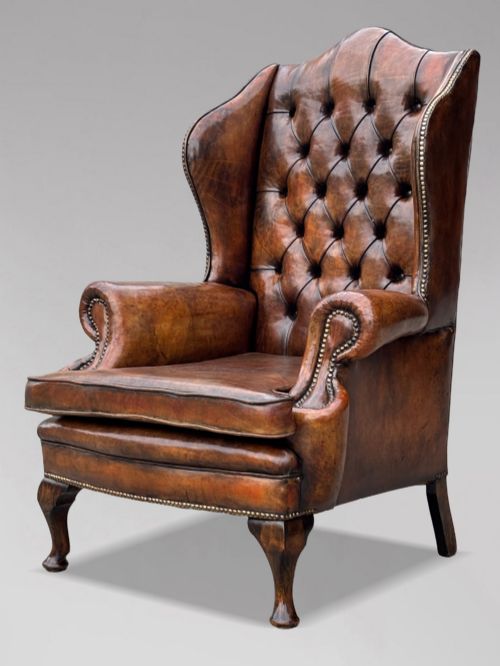
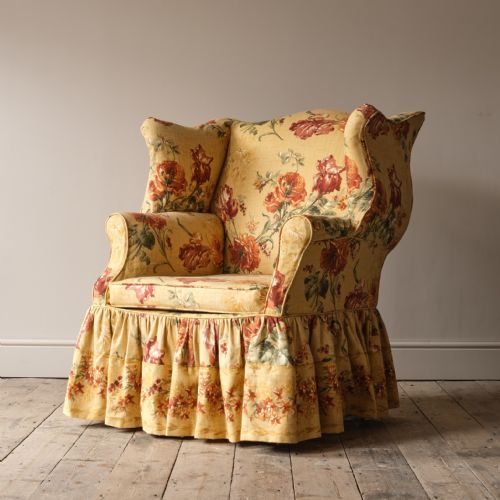
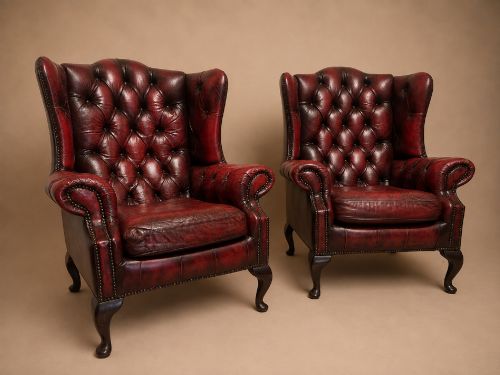
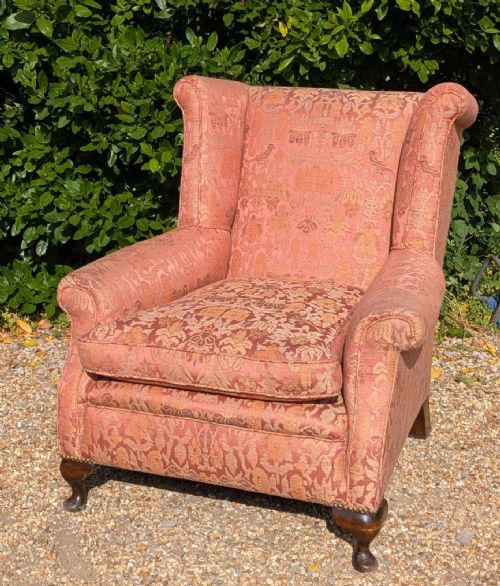
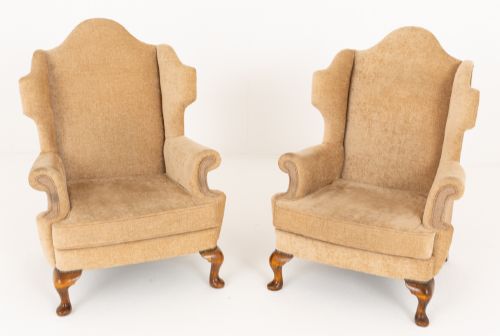
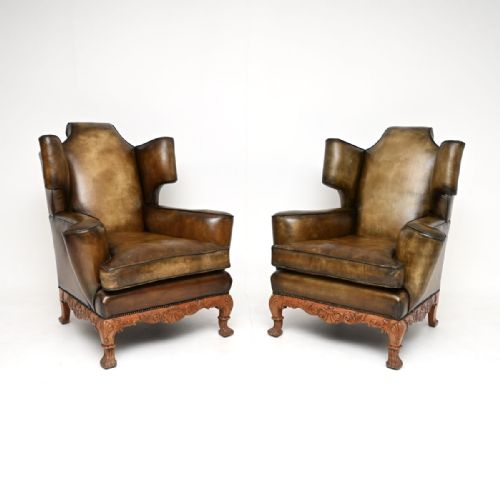
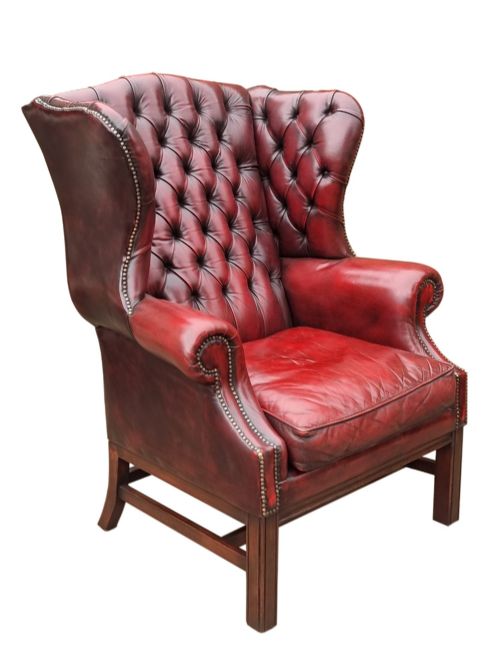
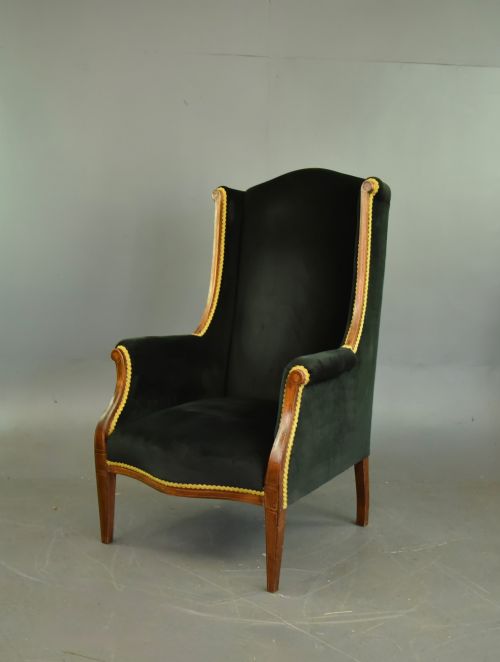
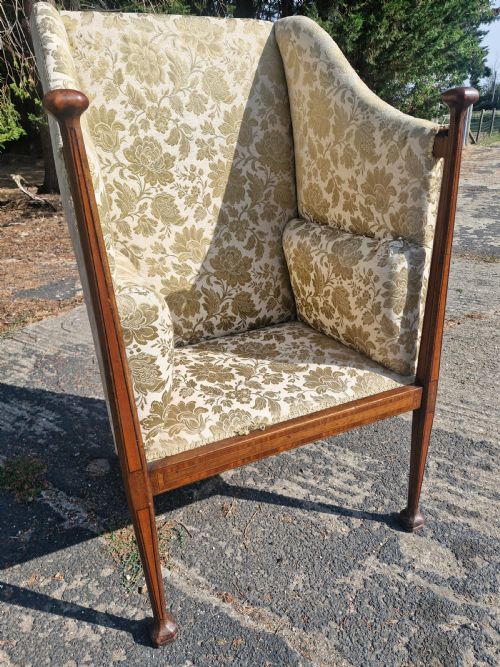
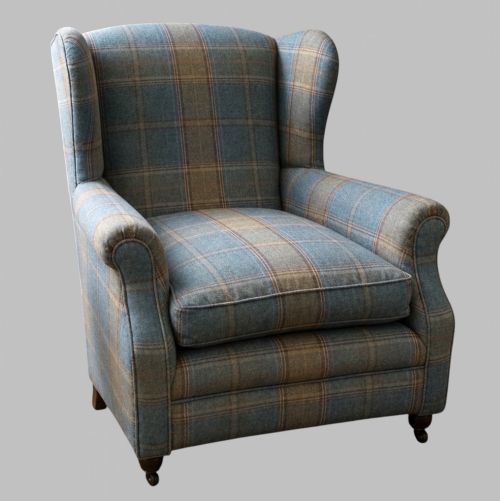
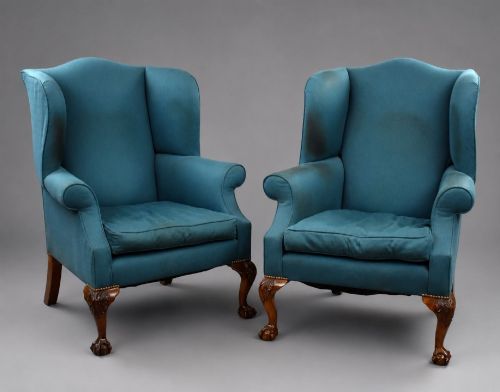
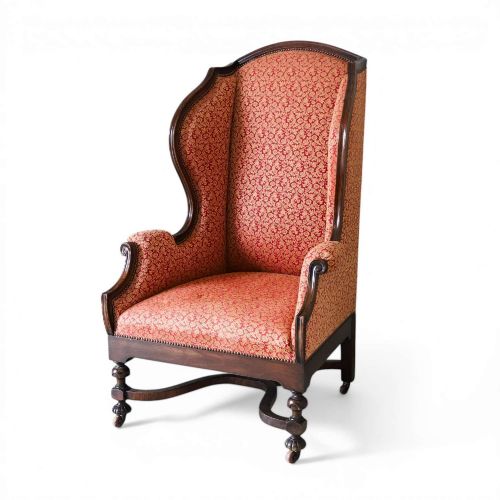
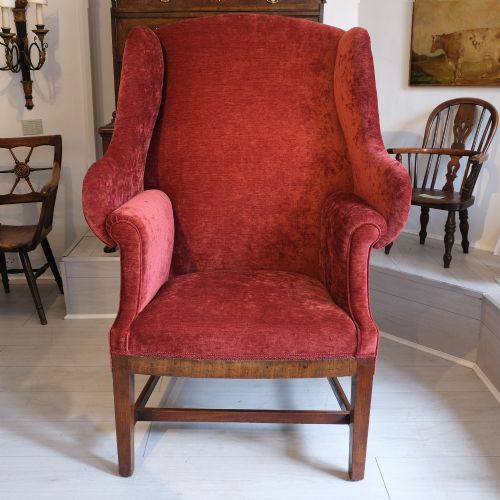
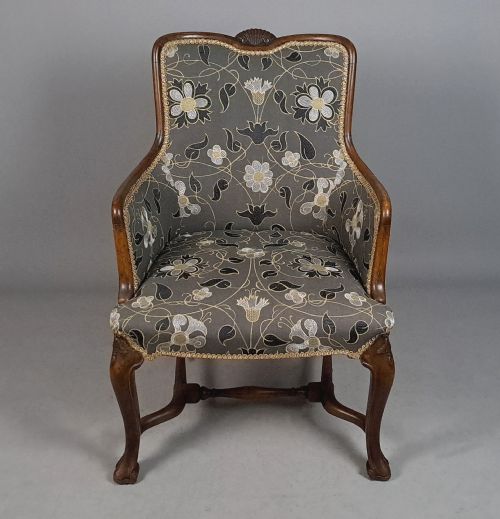
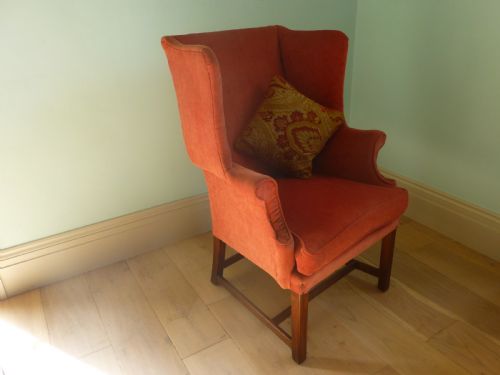
A vintage wing back chair stands as a classic form of seating designed originally to shield the sitter from draughts by enclosing the head and shoulders in upholstered panels. On this page, buyers meet pieces spanning from the eighteenth century through to the 1930s, encompassing styles from George III and Queen Anne revivals to English country house aesthetics. The selection ranges from grand leather library chairs to smaller Edwardian mahogany frames and plaid-upholstered armchairs.
Many examples showcase traditional buttoning, exposed timber frames, and generous proportions intended for deep relaxation. Buyers frequently encounter pairs alongside single armchairs, offering flexible seating arrangements for studies, drawing rooms, and libraries. The form adapts across decades, shifting from heavy mahogany and walnut constructions to lighter inlaid Edwardian interpretations and twentieth-century plaid textiles.
Construction and materials
Makers built these frames using sturdy timbers such as mahogany, walnut, oak, and general hardwoods, often incorporating brass castors and details like inlay. The structural woodwork supports heavy upholstery systems designed to endure decades of daily use.
Upholstery materials define the tactile experience, relying on durable leathers, rich velvet, wool plaid, chenille twill, and traditional textile fillings like feathers. Skilled hands secured deep buttoning and tight fabric panels directly to the dense wooden skeletons.
The listings span from the eighteenth century to the 1930s, featuring woods such as mahogany, walnut, and oak.
Distinctions in quality
Quality rests in the integrity of the underlying timber frame and the depth of the upholstery work, where superior examples exhibit heavy, stable woods and resilient springing. Lesser pieces might show compromises in secondary timbers or flattened, unsupportive padding.
The sophistication of the carved details, the richness of the selected leather or textile, and the overall balance of the proportions dictate the standing of an individual chair. Pieces bearing documented provenance or attribution to noted workshops command greater regard from collectors.
Howard And Sons·Whytock And Reid
The Vintage Wing Back Chair Glossary
- Wing back
- An armchair featuring protective side panels attached to the arms and framing the back. This design originally kept the occupant warm by blocking fireplace draughts.
- Buttoned back
- Upholstery secured with deep indentations held by twine and covered buttons. This technique creates a tufted surface that keeps internal stuffings evenly distributed.
- Bergère
- An enclosed armchair with upholstered sides and a tight seat cushion. The frame often exposes polished wood around the arms and back.
- Barrel back
- A seating form where the back and arms form a single continuous, curved semicircle. This profile wraps closely around the sitter for enhanced comfort.
Vintage Wing Back Chair: Frequently Asked Questions
How do I date a vintage wing back chair?
Dating relies on observing the timber species, leg shapes, and upholstery methods visible beneath the frame. Earlier pieces often display hand-turned mahogany or walnut legs, whereas twentieth-century examples introduce different textile choices and alternative internal materials.
Comparing construction details with verified pieces from specific decades helps narrow down the origin. Consulting stylistic cues like George III proportions or Edwardian inlay provides further historical context.
Are these chairs suitable for daily use?
Most vintage wing back chairs are built on robust hardwood frames designed for substantial weight and regular sitting. Their deep proportions and high backs offer ergonomic support suitable for reading or relaxing.
Buyers should consider whether the internal fillings and upholstery meet personal comfort preferences. Many historical pieces accommodate modern living while retaining their original structural integrity.
What is the difference between George III and Georgian style?
Original George III pieces date directly to the eighteenth-century reign of King George III, possessing authentic period construction and wear. Georgian style pieces are later revivals, often manufactured during the Edwardian era or the 1930s, emulating those earlier eighteenth-century aesthetics.
Revival pieces combine historical design vocabularies with twentieth-century manufacturing techniques. Both categories offer distinct aesthetic qualities depending on whether a buyer seeks period authenticity or period style.
How should I care for a leather wing armchair?
Leather upholstery requires regular dusting and occasional treatment with appropriate leather balms to prevent drying and cracking. Keeping the chair away from direct sunlight and heat sources preserves the natural hide over time.
Gentle maintenance protects the patina accumulated across decades of use. Proper upkeep ensures the leather remains supple and visually rich.