




Vintage Wine Cellarette
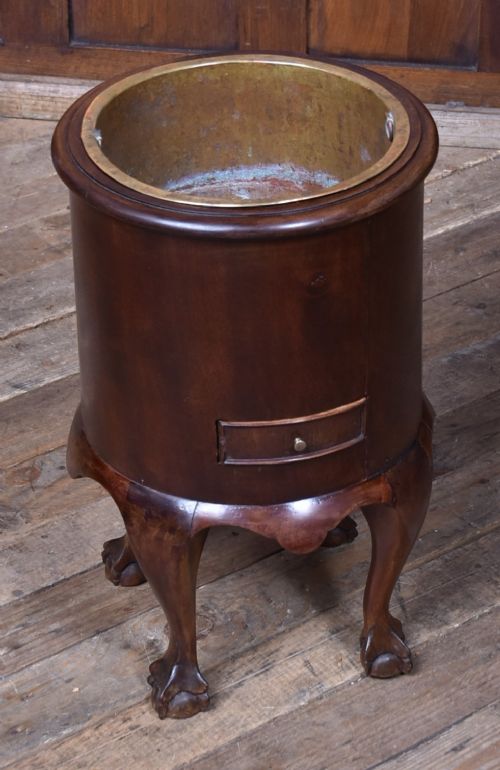
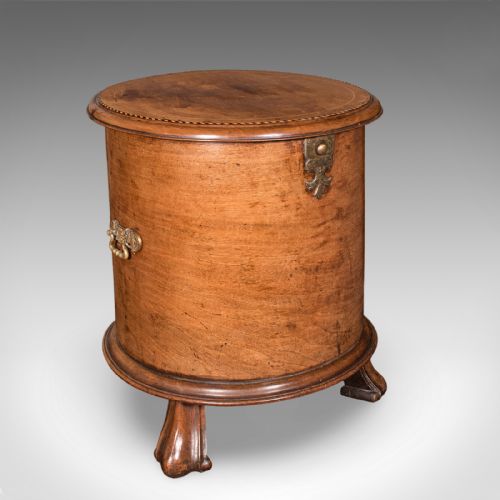
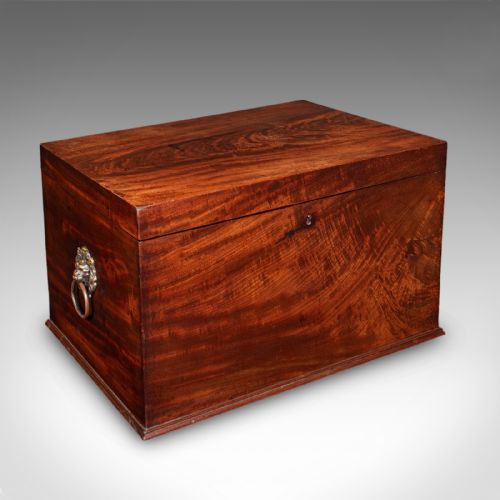
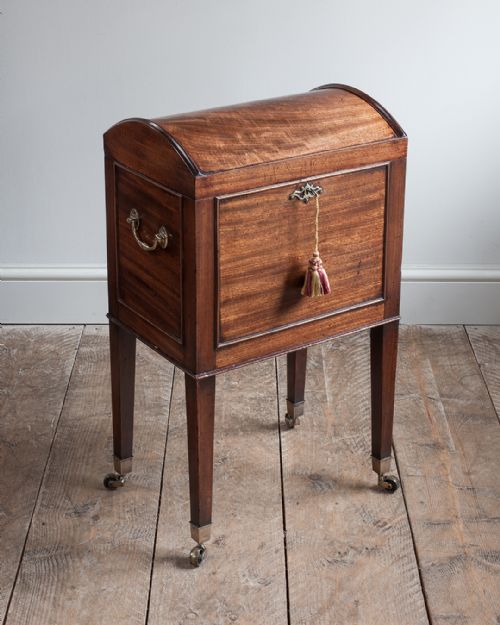
A vintage wine cellarette holds your bottles with period dignity, bringing substantial mahogany and brass binding directly into the dining room.
Vintage Wine Cellarette
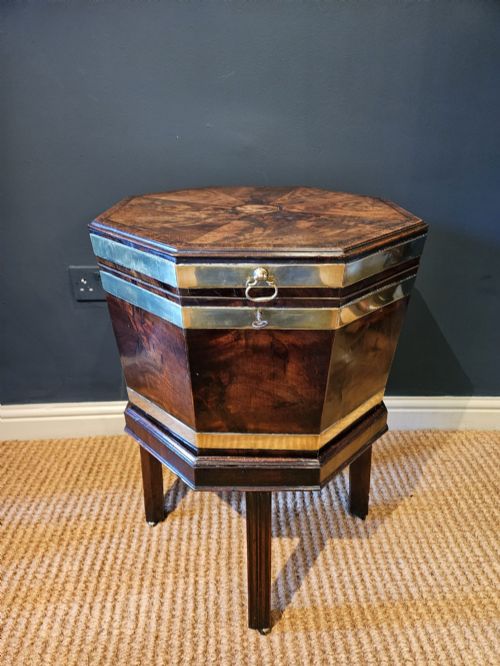
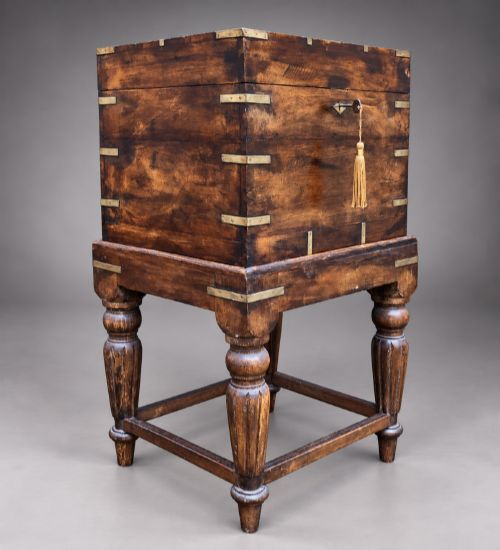
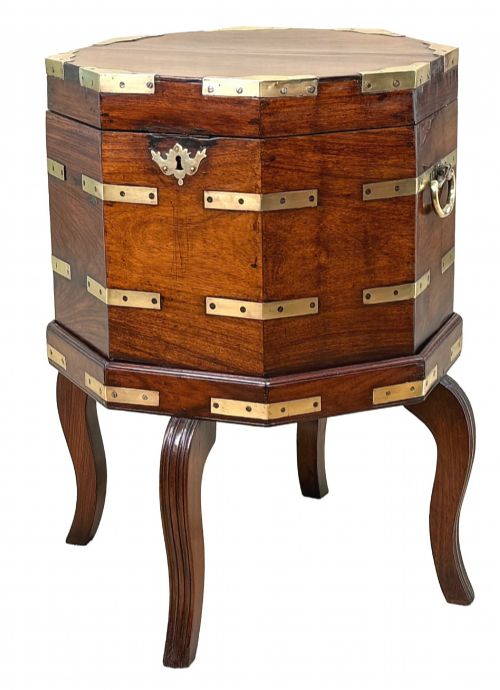
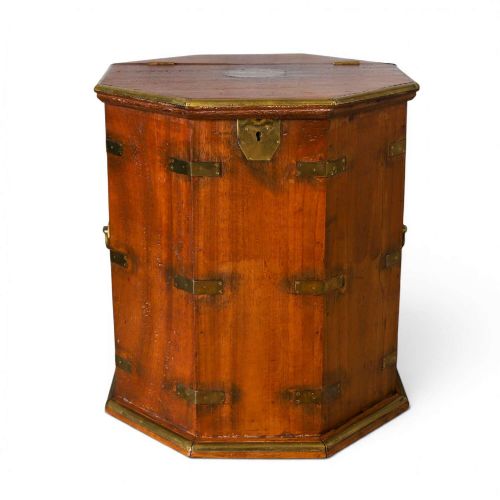
When you search for a vintage wine cellarette, you are looking at specialised containers designed to hold and cool wine bottles at the dining table. These pieces span from the eighteenth century through the Edwardian era, taking forms such as freestanding boxes, sarcophagus shapes, and stands with brass banding.
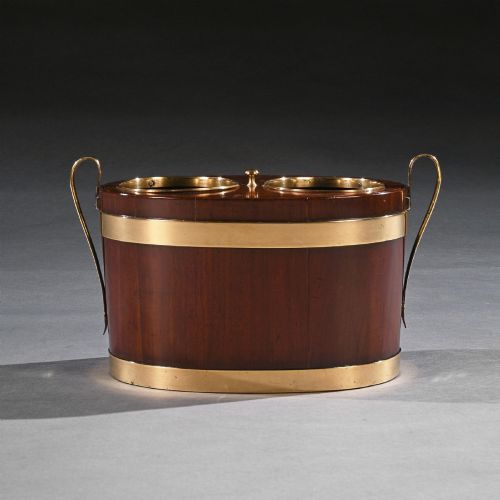
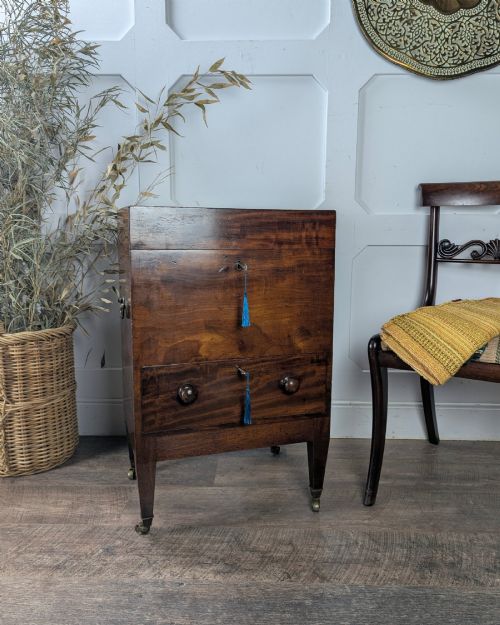
The version you are most likely to meet on this page is the mahogany cellarette dating from the Georgian or Regency periods. These frequently feature brass handles, hinged lift-up tops, and distinct internal compartments once used for chilling bottles with ice.
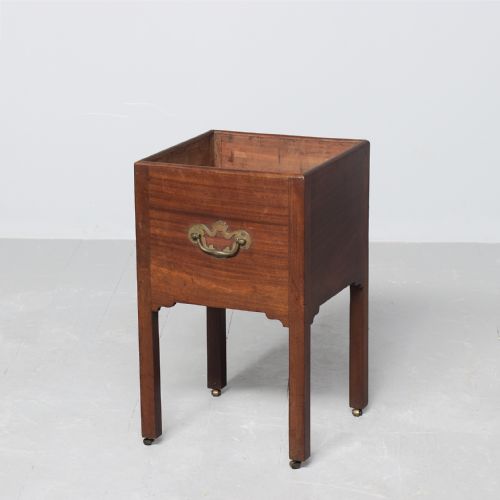
Alongside traditional cellarettes, the listings include related forms like wine coolers, jardinière stands, and occasional drinks cabinets. Materials range from standard timber to padouk, walnut, and boxwood inlay, reflecting the varied domestic tastes of British dining rooms across multiple centuries.
How they were made
Cabinet makers utilised dense hardwoods like mahogany, walnut, and padouk to construct the heavy bodies required for storing wine safely. These timbers were selected for their durability and finished with fine joinery, often incorporating internal lead linings to hold ice and water without leaking into the wood.
Metalworking played a structural and decorative role, with brass used extensively for carrying bands, drop handles, and claw feet. Boxwood inlay added linear contrast to the exterior surfaces, while hinged lids relied on sturdy brass hinges to support heavy top sections.
Listings feature mahogany, walnut, padouk, and teak materials spanning the eighteenth, nineteenth, and early twentieth centuries.
What varies in quality
The grade of timber and the precision of the brass banding set the baseline for quality in these pieces. Superior examples display carefully selected grain patterns, tight dovetail joints, and substantial cast brass mounts that fit flush against the wood.
Internal originality determines the standing of a piece within the range. Retaining the original lead-lined interior or internal bottle dividers elevates a cellarette above those that have been stripped or altered for modern domestic storage.
Gillingtons·Freemans of Norwich
The Vintage Wine Cellarette Glossary
- Cellarette
- A lockable container or chest designed for storing wine bottles near the dining table. They frequently feature internal divisions and metal linings for ice.
- Sarcophagus
- A monumental coffin-shaped style popular during the Regency period for large wine coolers and cellarettes. These pieces often rest on paw feet and feature bold carved details.
- Jardinière
- An ornamental stand or container used for holding plants and flowers, often sharing forms and materials with period wine coolers.
- Campaign chest
- A portable form of furniture made in sections with recessed brass fittings, designed for easy transport by military officers.
Vintage Wine Cellarette: Frequently Asked Questions
What is a wine cellarette?
A wine cellarette is a dedicated storage chest or box built to keep wine bottles cool and secure near the dining table.
Historically, servants filled the internal compartments with ice to chill the bottles before serving them to guests during long meals.
How were cellarettes used?
They sat on the floor or on dedicated stands beside the dining table, holding a supply of wine within easy reach.
The heavy construction and lockable lids kept the valuable bottles safe from household staff and pilfering.
How do I date a cellarette?
Dating relies on observing the prevailing style, timber choices, and hardware associated with specific periods like the Georgian or Regency eras.
Sharper carving details, specific brass band profiles, and cabinet-making techniques provide clear clues to the decade of manufacture.
Can I use an antique cellarette today?
Many people use these pieces as drinks cabinets, side tables, or decorative planters in modern living spaces.
The internal compartments work well for holding modern wine bottles or storing accessories out of sight.