
Vintage Wind Up Watch
A vintage wind up watch is a mechanical timepiece powered by hand, offering the tactile rhythm of daily winding and historic craftsmanship.
Vintage Wind Up Watch
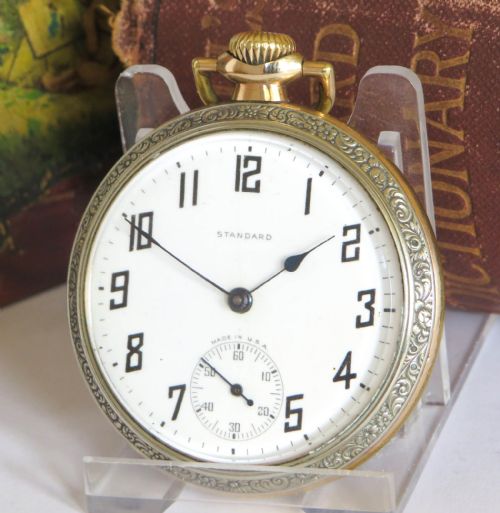
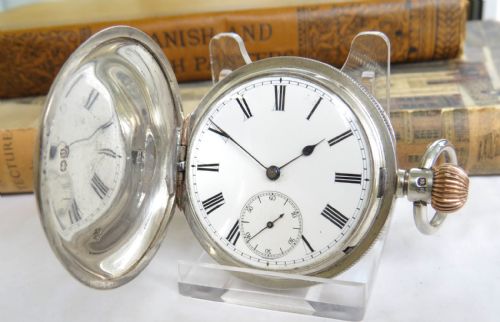
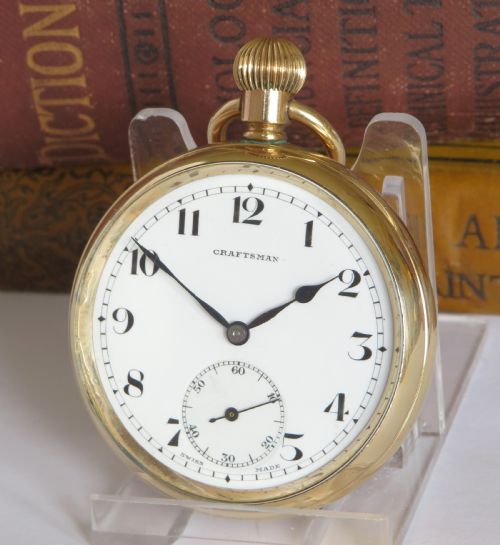
A vintage wind up watch encompasses both pocket watches and wristwatches spanning from the nineteenth century through the mid-twentieth century. Pieces from the 1930s and 1920s appear most frequently, alongside examples from the Victorian era up to the 1960s.
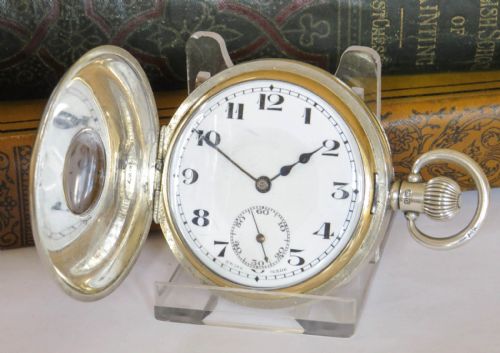
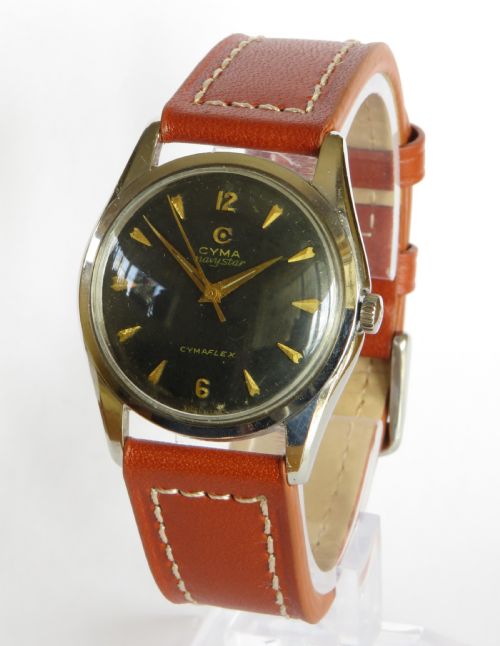
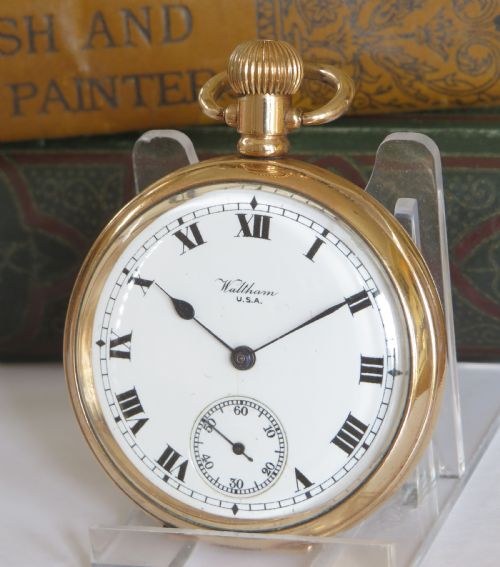
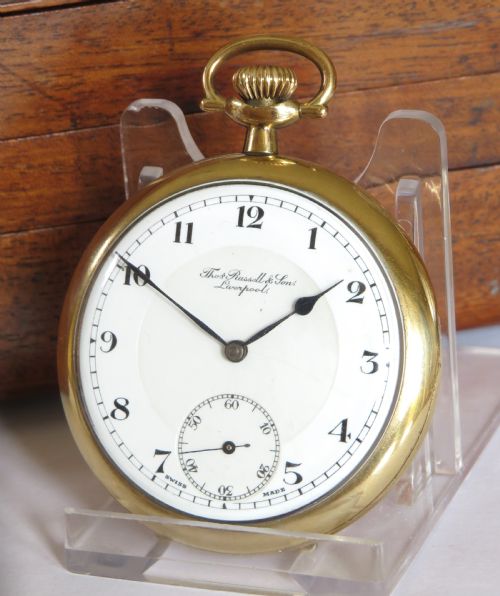
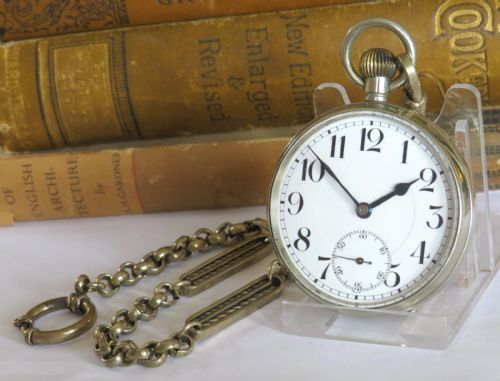
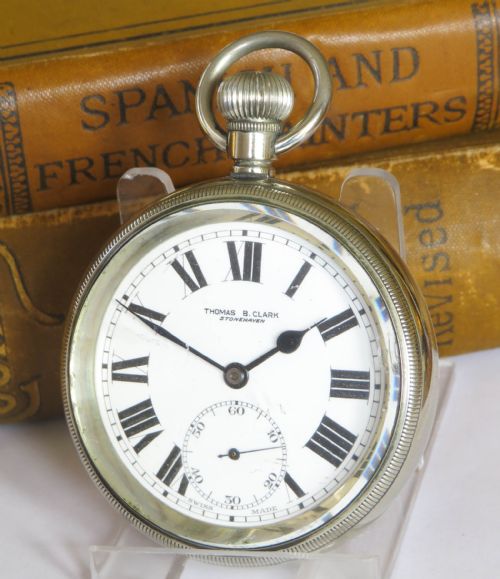
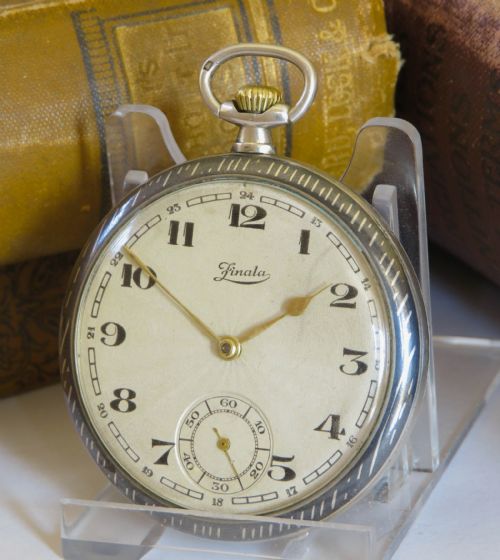
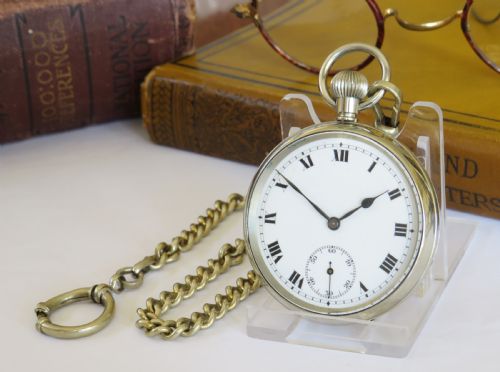
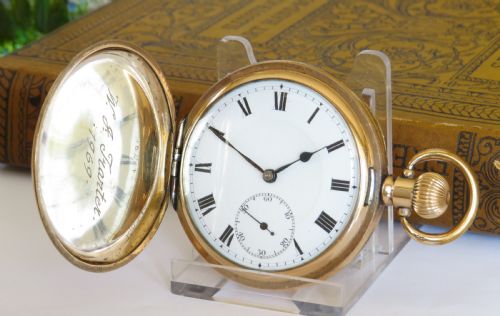
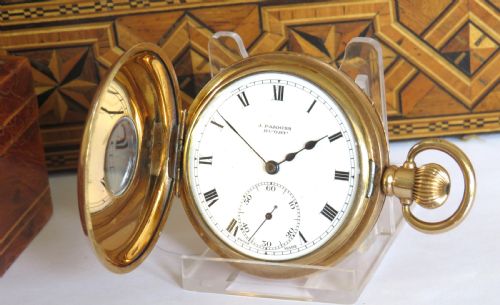
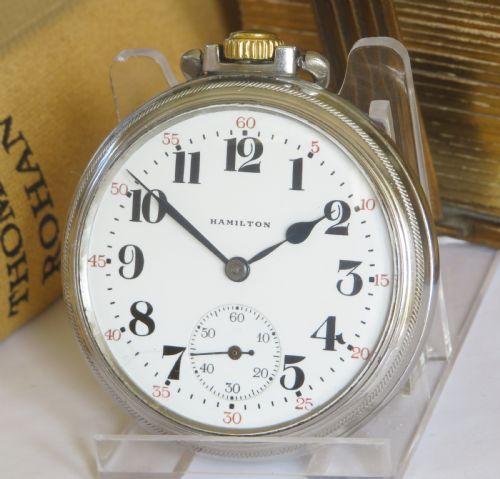
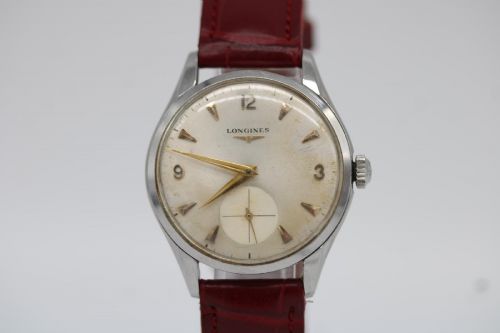
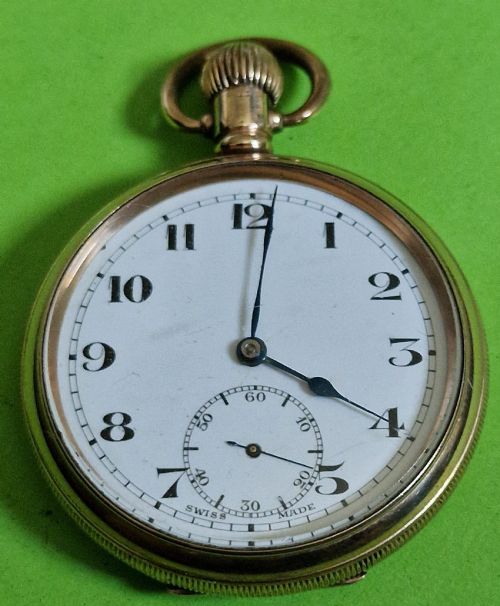
Buyers encounter forms ranging from open-face pocket watches and hunter cases to gents wristwatches and fob watches. Styles traverse Victorian, Edwardian, Art Deco, and Mid-Century designs.
Materials and construction
Casings utilise metals such as gold plate, stainless steel, brass, silver, and solid gold, often paired with glass crystals and enamel dials. Leather straps accompany wristwatches, while pocket watches frequently include matching chains.
Movements rely entirely on manual mechanical winding, sometimes incorporating complications like chronographs or eight-day power reserves.
Vintage Wind Up Watch Retail Price Guide 2026
Typical asking prices for vintage wind up watch among the pieces listed under this phrase on Sellingantiques today, from the lower quarter to the upper quarter. They describe what is for sale here now, not the wider market.
Object forms on this page comprise wristwatches, pocket watches, and fob watches in Art Deco and Victorian styles.
Assessing quality and execution
Superior execution shows in the intricacy of the movement, the precision of the dial markings, and the durability of materials like solid gold or heavy silver. Cases with well-preserved enamel and crisp engravings reflect superior initial manufacture.
Makers ranged from mass production facilities to esteemed Swiss and British watchmakers, with the latter demonstrating greater refinement in finishing and mechanical longevity.
Cyma Navystar·Thomas Russell and Son·New York Standard·Longines·Elgin·Waltham·Omega·Zenith
The Vintage Wind Up Watch Glossary
- Hunter pocket watch
- A pocket watch featuring a spring-hinged metal cover that protects the glass dial. The cover opens via a small push-button on the crown.
- Full hunter
- A watch where the metal case completely encloses both the front and back dials. Opening the front requires pressing the crown.
- Half hunter
- A case design incorporating a small glass or open window in the front cover. This allows the wearer to read the hands without opening the entire case.
- Chronograph
- A watch equipped with a display function for measuring elapsed time. It often includes independent sweep seconds hands.
- Niello
- A black metallic alloy used as an inlay on engraved metal surfaces. It creates dark decorative contrasts against silver cases.
Vintage Wind Up Watch: Frequently Asked Questions
How do I wind a mechanical watch?
Turn the crown clockwise between your thumb and forefinger until you feel firm resistance. Stop immediately upon meeting this tension to avoid snapping the mainspring.
Wind the watch at the same time each day to maintain consistent tension and accurate timekeeping.
What is the difference between a hunter and an open face watch?
A hunter watch includes a protective metal lid over the dial that springs open when the crown is depressed. An open face watch leaves the glass crystal exposed at all times.
Pocket watches with hunter cases offer greater protection for the glass face during everyday carriage in a waistcoat pocket.
How do I determine the age of my watch?
Examine the movement serial numbers and hallmark stamps inside the case back. These registry marks often correspond to specific production years.
Stylistic indicators such as Art Deco numerals or Victorian case engravings also narrow down the manufacturing decade.
Can I wear a vintage pocket watch daily?
Daily wear is entirely practical provided the watch is paired with a secure chain and handled with care. Keep the watch away from moisture and strong magnetic fields.
Regular servicing by a professional horologist ensures the internal gears continue to operate smoothly over time.