






Vintage White Pottery
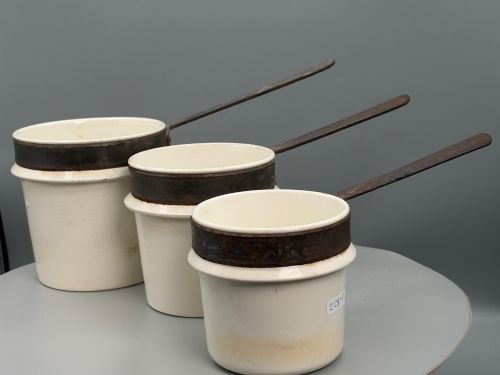
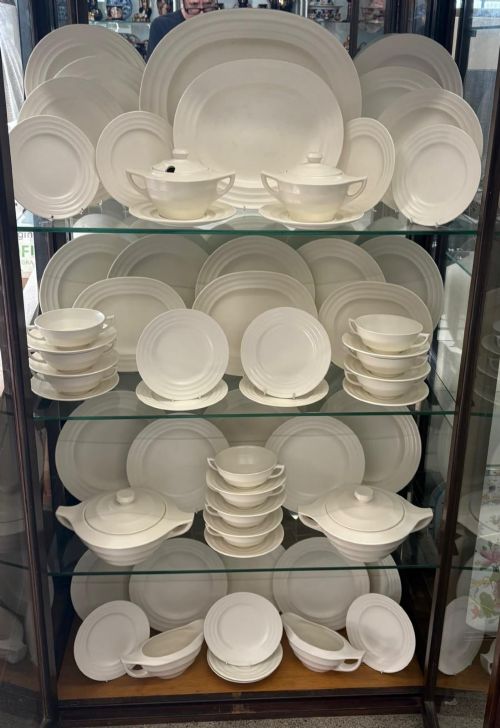
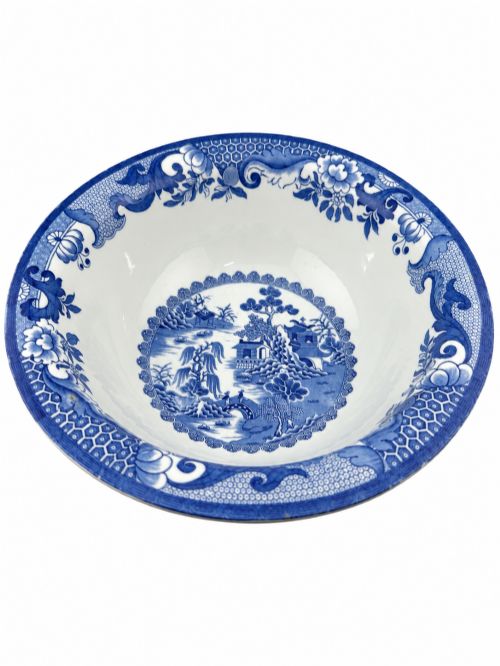
When you search for vintage white pottery, you encounter everything from ironstone cheese domes and glazed measuring jugs to Staffordshire figures and creamware plates.
Vintage White Pottery
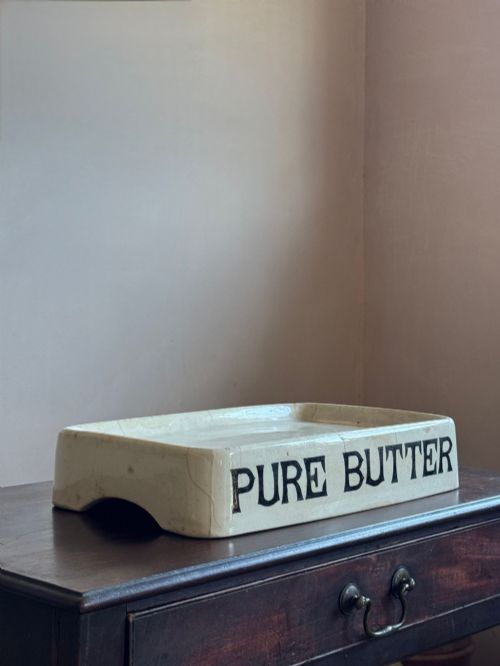
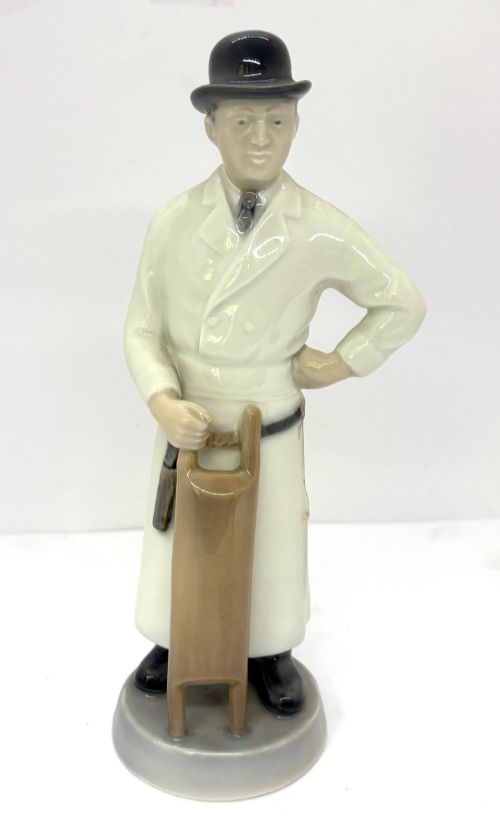
Vintage white pottery encompasses a broad range of utilitarian and decorative ceramic objects originating from the eighteenth century up to the early twentieth century. You will frequently find household wares such as ironstone cheese domes, measuring jugs, butter slabs, and dinner services alongside decorative figurines and vases.
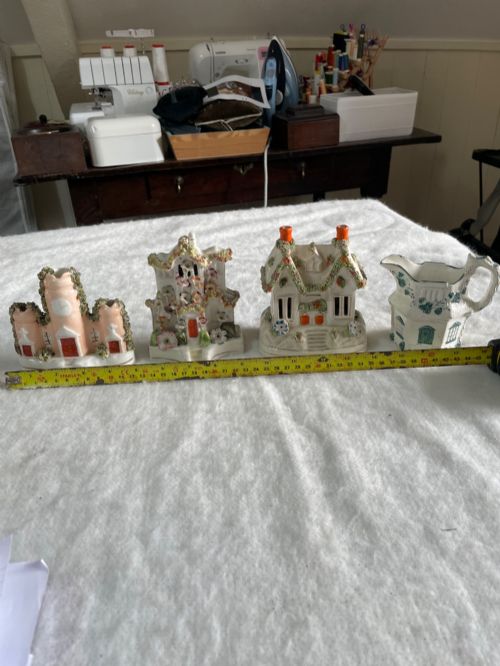
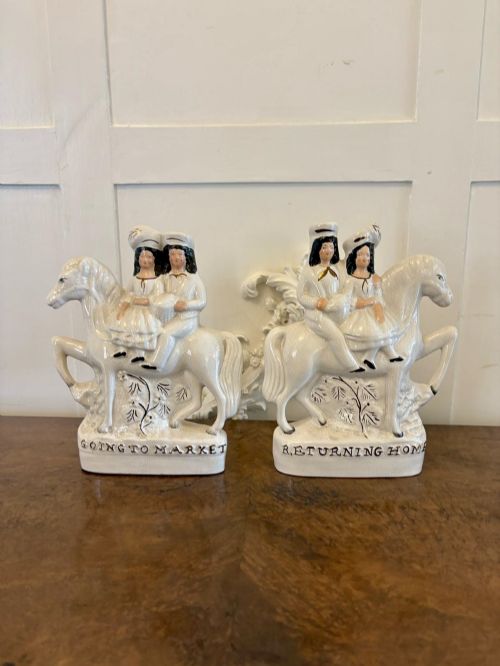
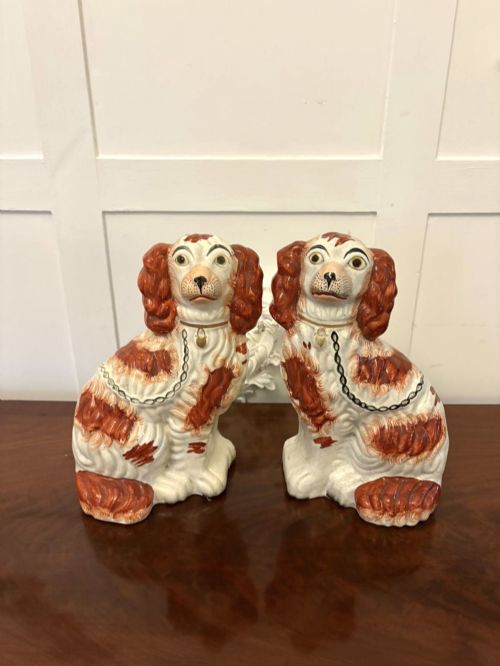
The selections span distinct regional traditions, including English creamware from Leeds and Staffordshire, Dutch delftware, and robust ironstone bodies. Forms range from practical kitchen and grocers items to display pieces shaped as animals, cottages, and floral vessels.
Makers represented across the pieces include established potteries like Wedgwood, Leeds Pottery, and Mason's, alongside various Victorian and Edwardian manufacturers. These items reflect both everyday domestic use and ornamental display across Georgian, Victorian, and Edwardian periods.
How they were made
Makers utilised ceramic bodies such as earthenware, ironstone, creamware, and porcelain, often applying tin-glaze or transparent white glazes to achieve the characteristic pale surface. Iron bands, transfer-printed scenes, and enamel painting provided structural reinforcement and surface decoration.
Vintage White Pottery Retail Price Guide 2026
Typical asking prices for vintage white pottery among the pieces listed under this phrase on Sellingantiques today, from the lower quarter to the upper quarter. They describe what is for sale here now, not the wider market.
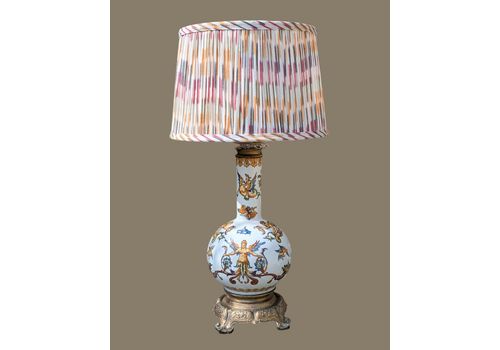
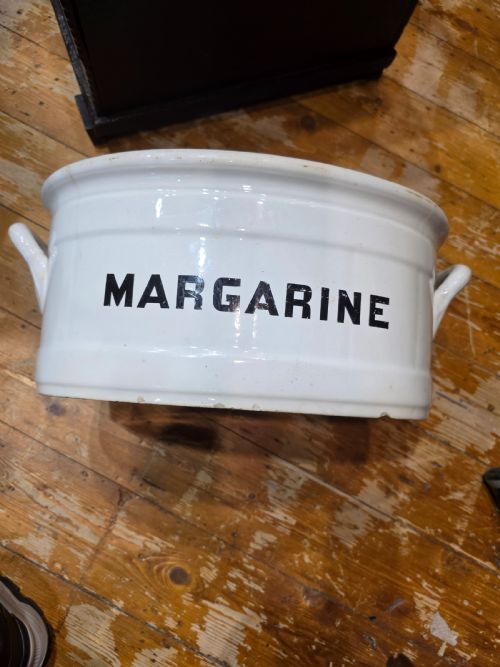
The inventory includes functional grocers items alongside decorative figurines, table lamps, and garden seats.
What varies in quality
Quality rests upon the crispness of moulding in figures and relief-moulded tableware, where sharper definition distinguishes superior pieces from softer, worn examples. The consistency and coverage of the glaze, whether tin-glaze, enamel, or clear glaze over ironstone, also dictates visual appeal.
The precision of transfer-printing or hand-painted enamels separates standard production items from finer studio or factory output. Furthermore, the integrity of applied elements like iron bands and handles indicates the original standard of manufacture.
Wedgwood·Keith Murray·Royal Copenhagen·William Smith And Co·Leeds Pottery·Robert Hamilton·John Rogers And Son
The Vintage White Pottery Glossary
- Ironstone
- A dense, durable type of earthenware patented in the nineteenth century to imitate porcelain. It became widely used for heavy-duty tableware such as cheese domes, jugs, and wash basin bowls.
- Creamware
- A refined earthenware developed in eighteenth-century England, featuring a pale yellow or cream-coloured glaze. Leeds Pottery produced notable examples of this refined ceramic material.
- Tin-glazed earthenware
- Pottery covered with a glaze containing tin oxide, which fires to an opaque white surface. This technique underpins traditional delftware production.
- Transferware
- Pottery decorated by applying a design from an engraved copper plate onto tissue paper, which was then transferred onto the unglazed or bisque ceramic body before firing.
- Creamware
- A refined earthenware developed in eighteenth-century England, featuring a pale yellow or cream-coloured glaze. Leeds Pottery produced notable examples of this refined ceramic material.
Vintage White Pottery: Frequently Asked Questions
What is ironstone pottery?
Ironstone is a heavy, durable ceramic body developed in the nineteenth century as a tougher alternative to porcelain. It frequently appears in white wares such as large jugs, dinner services, and cheese domes.
The material accepts glazes evenly, producing a robust surface designed for heavy domestic and commercial use.
How do I date vintage pottery?
Dating relies on identifying maker marks, glaze types, manufacturing techniques, and stylistic periods such as Georgian, Victorian, or Edwardian. Transfer-printed patterns and backstamps often provide specific clues to the era of production.
Comparing the ceramic body type, such as creamware versus ironstone, further helps narrow the production window.
Are these pieces safe for food?
Many vintage pieces, particularly nineteenth-century ironstone and earthenware, were originally made for food storage and service, including cheese dishes and butter slabs. However, older glazes can sometimes contain trace elements.
Buyers often choose to use these items for display or dry storage rather than daily dining.
What is Dutch delftware?
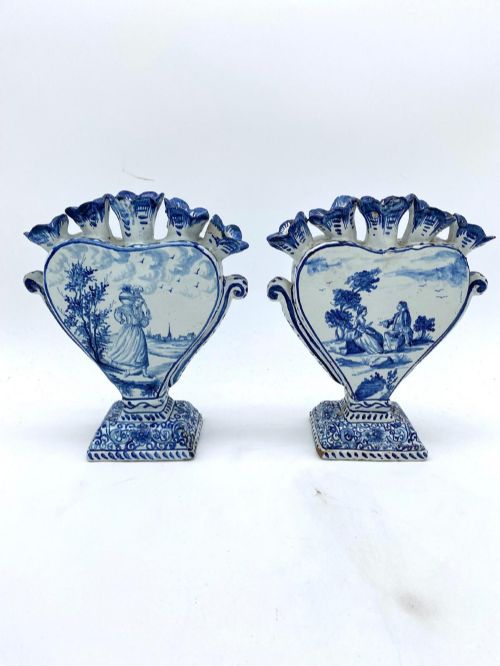
Dutch delftware is tin-glazed earthenware produced in the Netherlands, known for its distinctive white surface and blue painted decoration. Pieces range from chargers and vases to figurative animals and tulipieres.
The opaque white glaze serves as a ground for motifs influenced by both European traditions and imported styles.