
Vintage White Glass Lamps
These vintage white glass lamps bring soft light and period character into a room, spanning styles from Victorian oil burners to Art Deco task lighting.
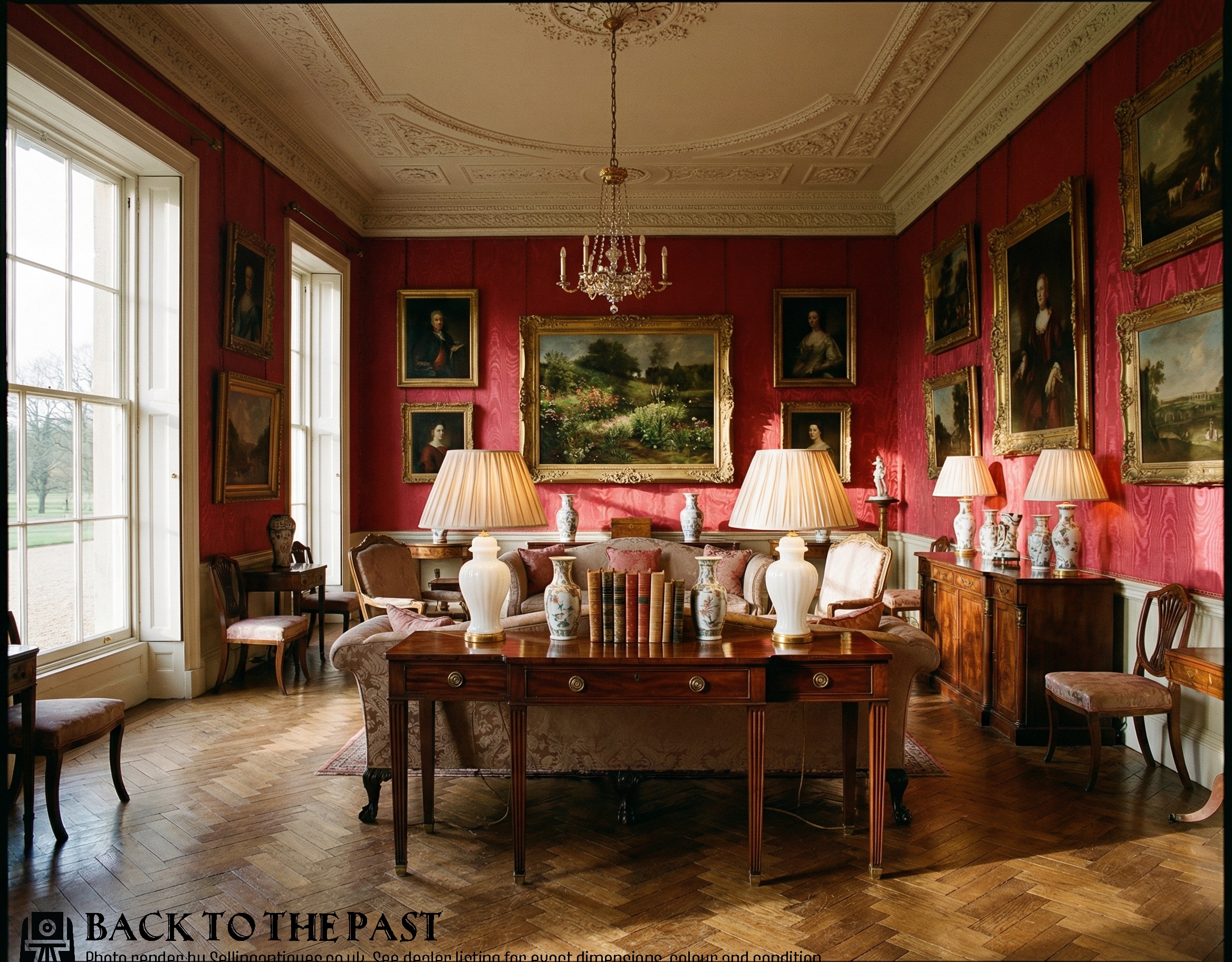
Vintage White Glass Lamps
Vintage white glass lamps encompass table lamps, oil lamps, pendant lights, and floor lamps produced across the nineteenth and twentieth centuries. Buyers seeking vintage white glass lamps will encounter standard domestic lighting alongside converted oil lamps and industrial ceiling fixtures.
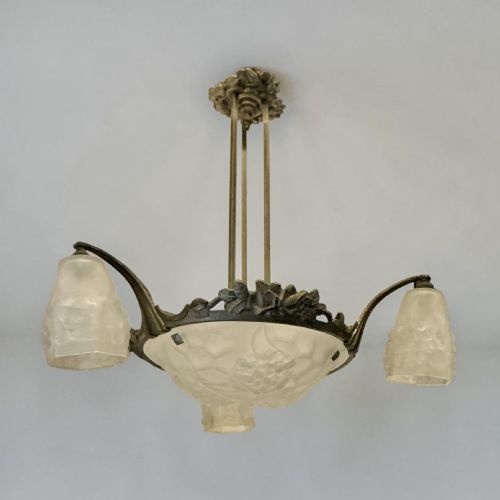
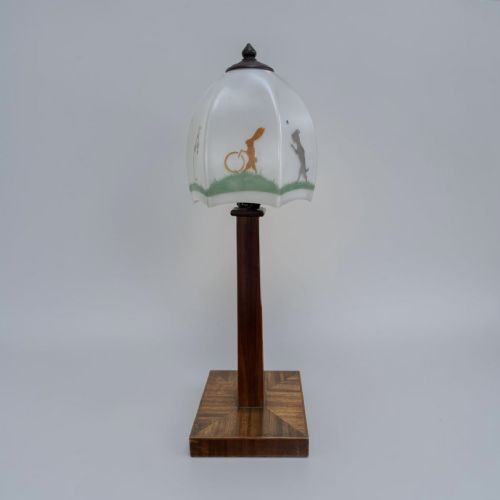
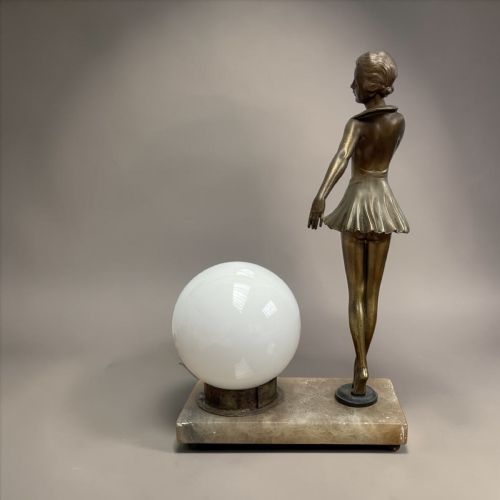
The selections span periods including the Victorian era, Edwardian period, and the Art Deco years of the 1920s and 1930s. Common material combinations pair white glass components such as opaline, opal, and milk glass with brass, chrome, or ceramic bodies.
Materials and construction
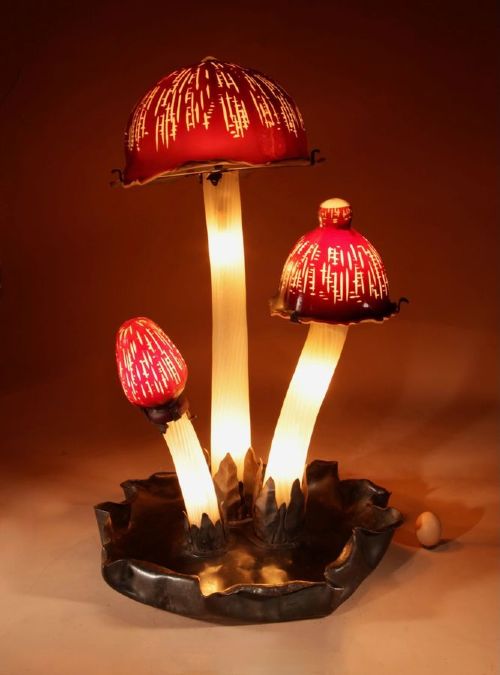
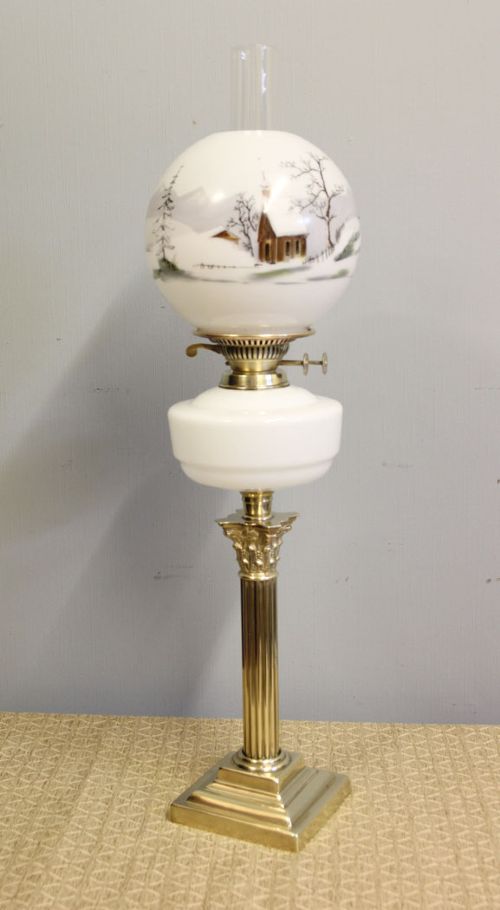
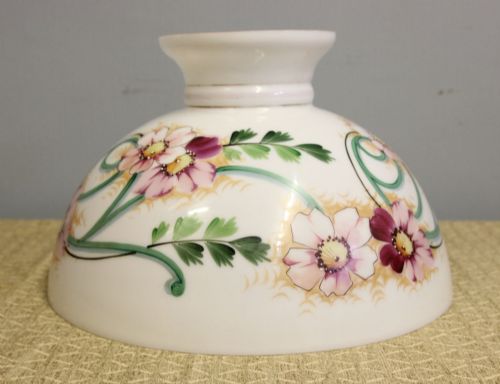
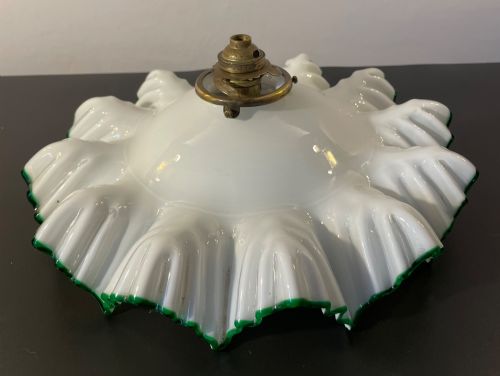
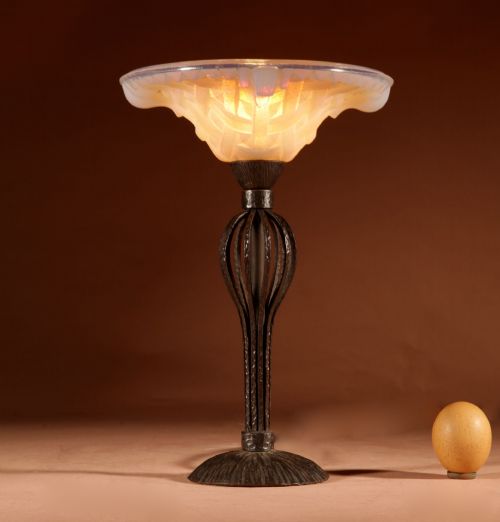
Makers utilised distinct white glass varieties including opaline, opal, and moonstone glass for shades, fonts, and bodies. These glass elements were frequently blown or moulded, sometimes featuring hand-painted details or ruffled edges.
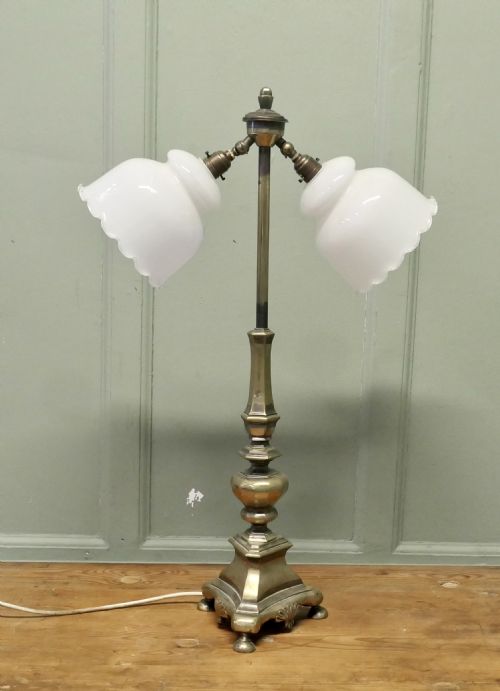
Metalwork played a structural role, employing brass, bronze, chrome, and iron for columns, bases, and ceiling fixtures. Combinations of gilt brass and opaline glass recur across Victorian and Edwardian examples.
Listings feature periods from the Victorian era through Art Deco, utilising brass, chrome, opaline glass, and ceramic across pendant and table lamp forms.
Assessing quality and execution
Quality rests in the weight and finish of the materials, from heavy cast brass bases to thick, evenly coloured opaline or milk glass shades. Finer pieces display crisp moulding, precise metal turning, and well-executed decorative motifs.
The integration of components distinguishes standard production from finer examples. Superior lighting fixtures show balanced proportions between the glass shade and the supporting metal or ceramic structure.
Joseph Hinks·Karl Ens·Anton Buschelberger·Eileen Grey·Lacroix Lalique
The Vintage White Glass Lamps Glossary
- Opaline glass
- A semi-translucent white glass popular in nineteenth and early twentieth century lighting. It diffuses light softly and was frequently used for shades and oil lamp fonts.
- Milk glass
- An opaque or translucent white glass that can be blown or pressed into various moulds. It served as a durable material for lamp bodies and shades.
- Font
- The oil reservoir of a lamp, often fashioned from glass, ceramic, or metal. In many vintage pieces, this section was later converted to electricity.
- Corinthian column
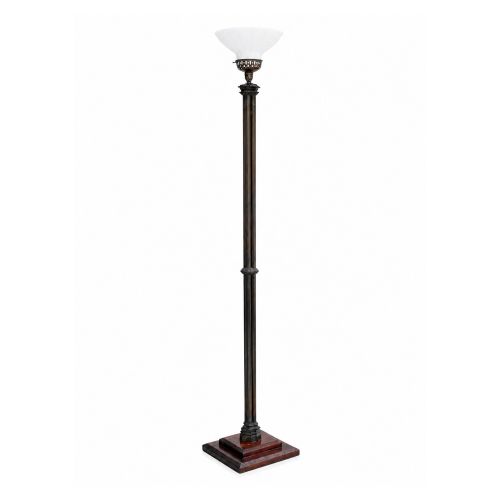
- A classical architectural column form utilised for the stems of heavy table and oil lamps. These metal pillars typically rest on stepped square bases.
Vintage White Glass Lamps: Frequently Asked Questions
What periods do these lamps cover?
The lighting spans from the 19th century through the Victorian and Edwardian eras into the 1920s and 1930s Art Deco period.
Earlier examples often derive from oil lamps, while later pieces reflect industrial and modernist designs.
How do I identify opaline glass?
Opaline is a delicate, semi-translucent white glass that glows softly when lit from within. It differs from opaque milk glass by allowing light to diffuse evenly through the body.
This material was favoured for Victorian and Edwardian shades and oil lamp fonts.
Are these lamps converted from oil?
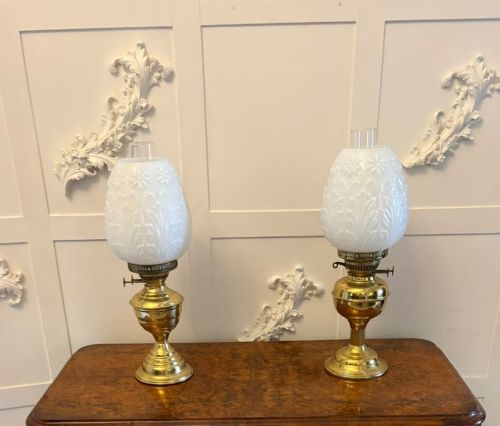
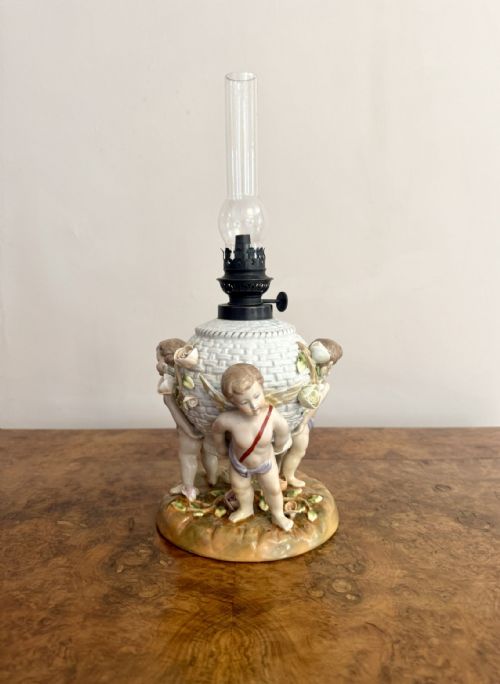
Many of the Victorian and Edwardian examples began life as oil lamps before receiving electrical conversions. These pieces retain brass or bronze columns and original glass fonts.
Other selections were manufactured directly as electric table lamps or pendant lights during the Art Deco era.
How do I style a glass pendant light?
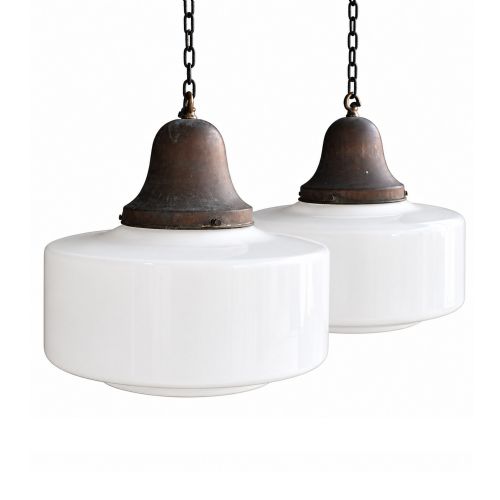
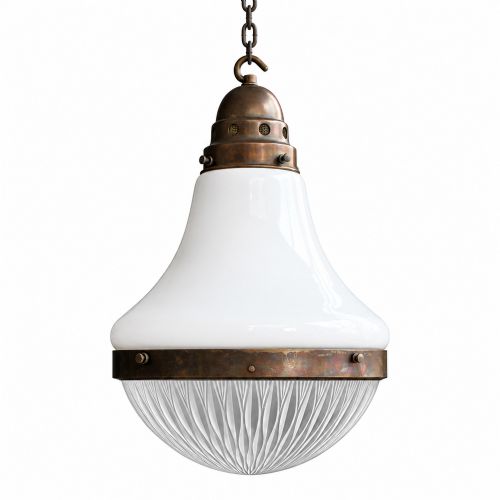
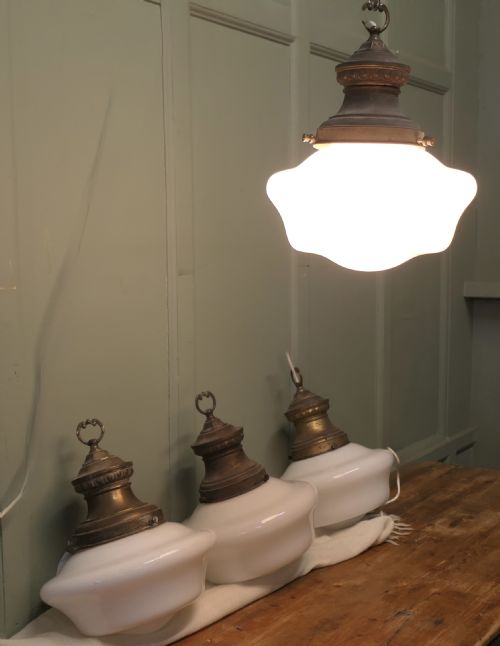
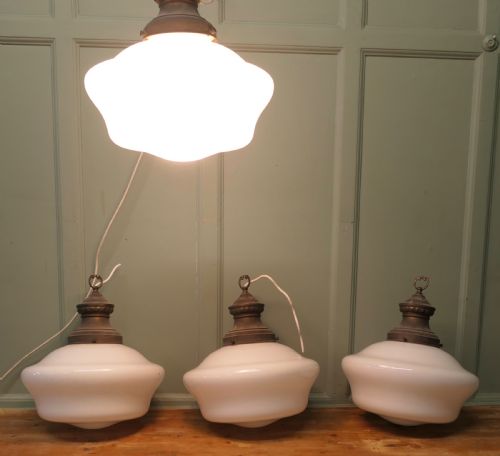
Large opaline and moonstone glass pendants suit high ceilings in kitchens, hallways, or industrial spaces. Their enclosed glass shades direct illumination downward while casting a soft ambient glow.
Pairing multiple pendants creates a balanced lighting scheme over work surfaces.