
Vintage Welsh Dresser
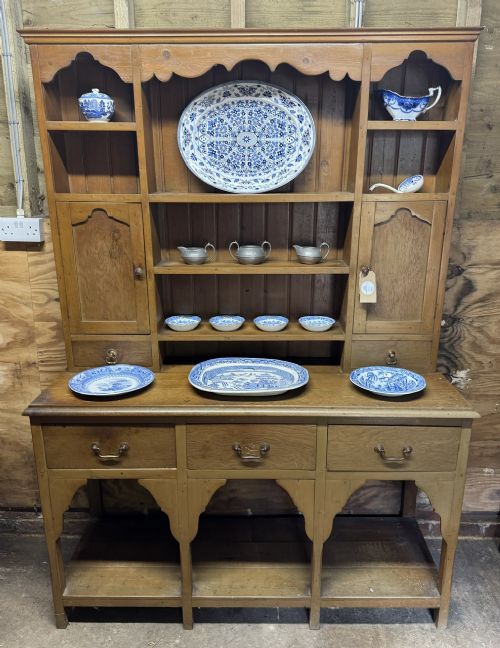
A vintage welsh dresser grounds a kitchen with centuries of utility, combining generous display racks and deep storage into a single functional centrepiece.
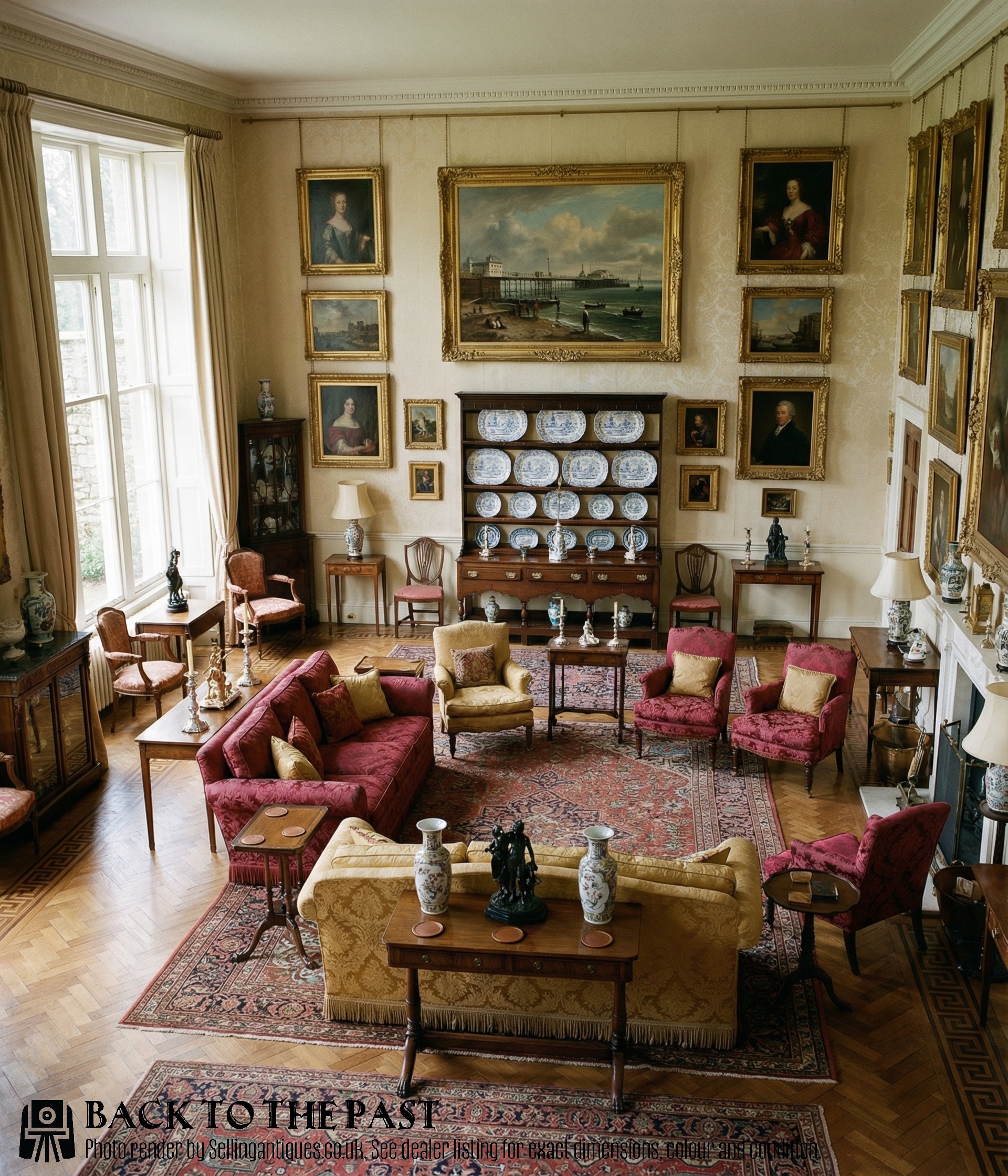
Vintage Welsh Dresser
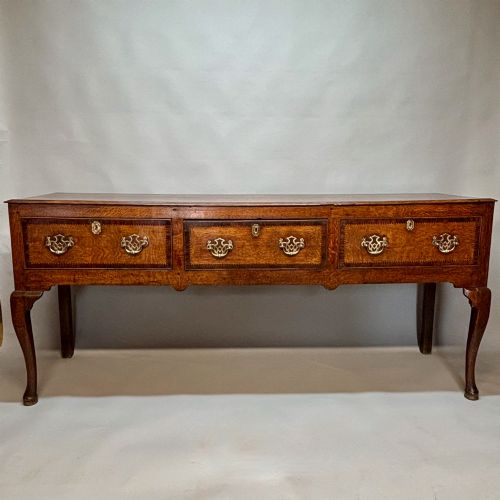
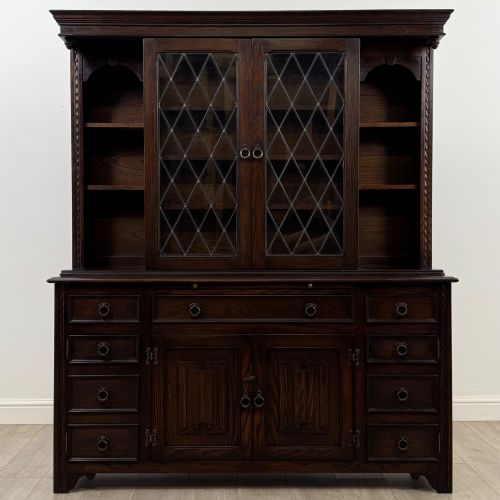
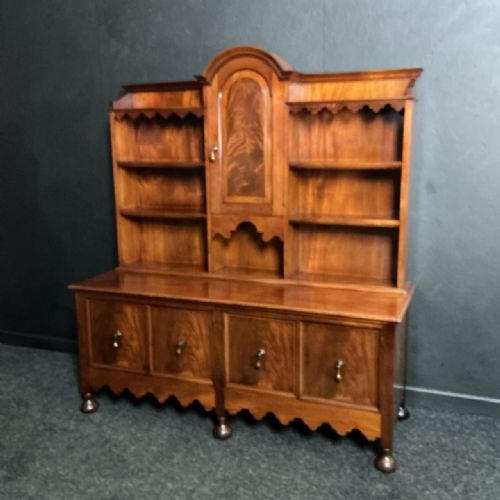
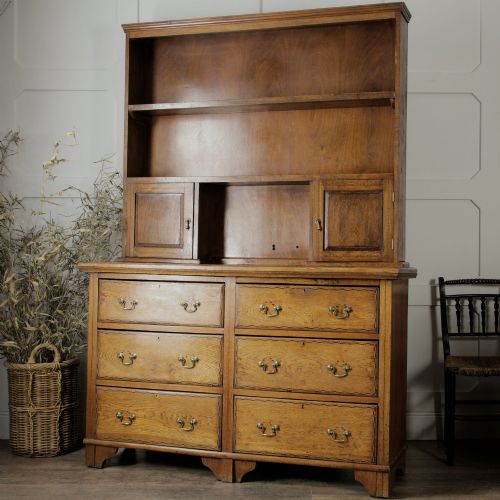
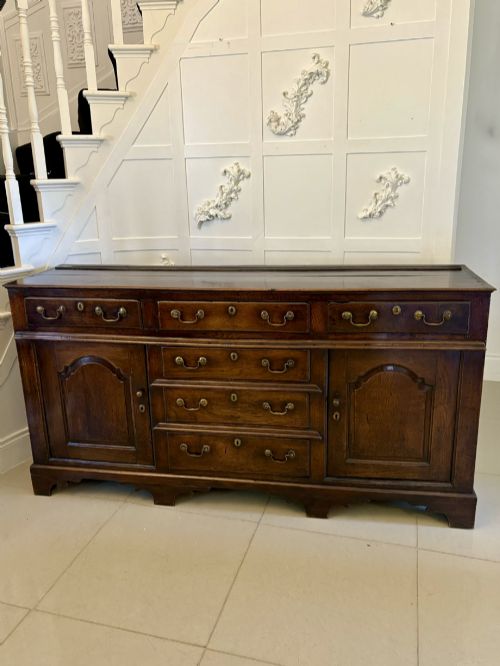
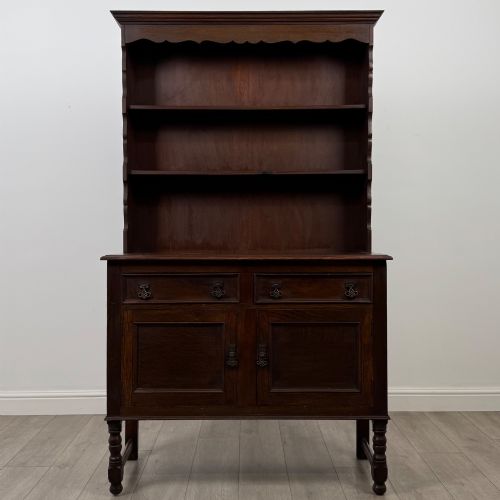
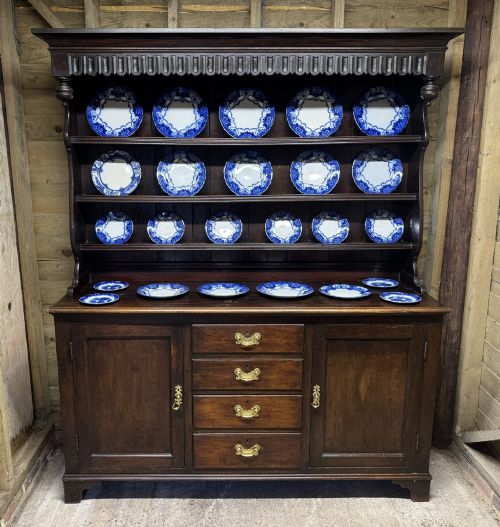
A vintage welsh dresser bridges the gap between utilitarian storage and open display, serving as the traditional heart of the country kitchen. When buyers search this phrase, they encounter robust dual-purpose furniture designed to hold tableware, dry goods and ceramics.
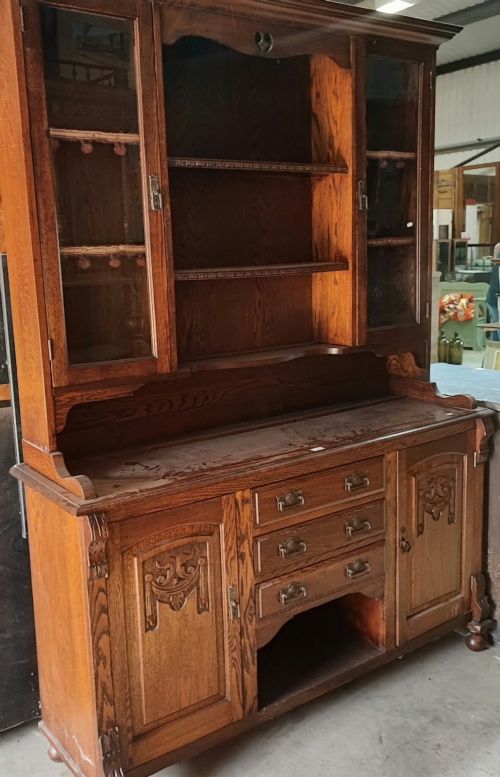
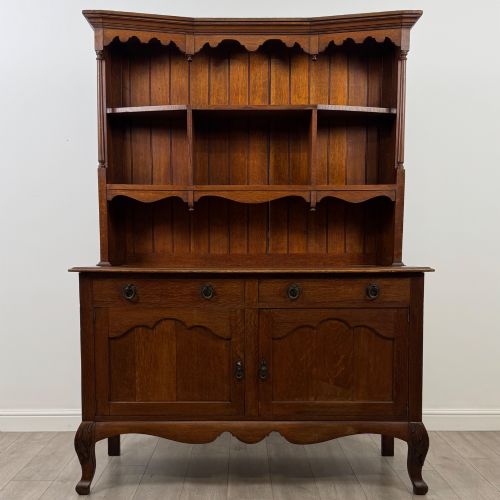
The pieces appearing on this page span several centuries, reaching from eighteenth-century country examples down to Edwardian and early twentieth-century interpretations. Oak and pine dominate the forms, frequently paired with integrated plate racks or enclosed lower cupboards.
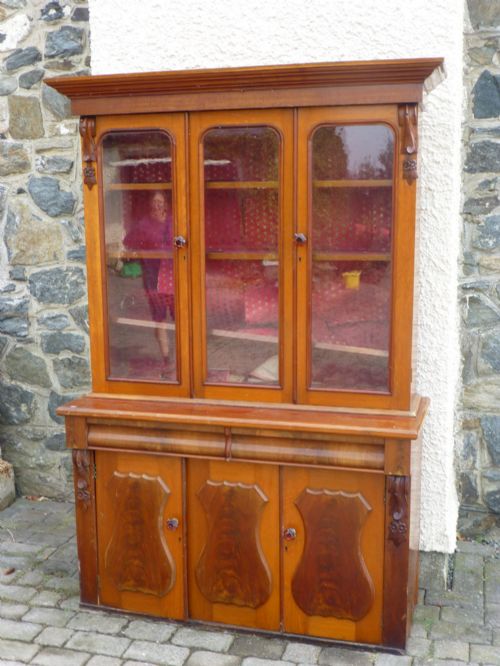
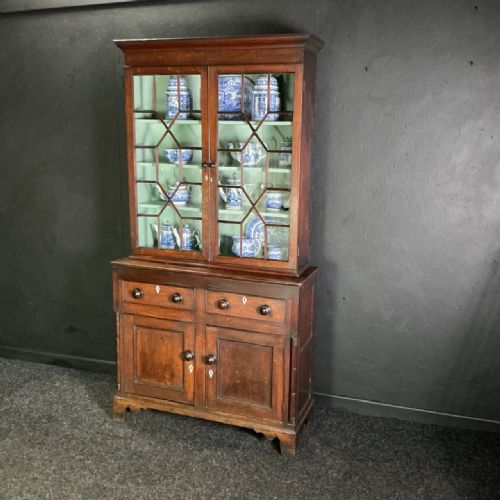
Regional variations emerge clearly across the inventory, encompassing distinct Welsh, English country, and continental traditions. Buyers meet everything from austere cottage sideboards to elaborate two-part glazed display bookcases.
Assessing quality and proportion
Quality separates mass-produced utility items from pieces possessing superior architectural proportion and untouched original surfaces. The handling of cornices, drawer linings and the integration of plate racks reveal the maker's competence.
Surface wear tells a story of domestic history, distinguishing genuine patination from later stripping or unsympathetic restoration. The balance between base cabinets and upper display tiers determines the overall visual harmony of the piece.
One recorded piece carries provenance directly from a cafe in Snowdon.
Heals of London
The Vintage Welsh Dresser Glossary
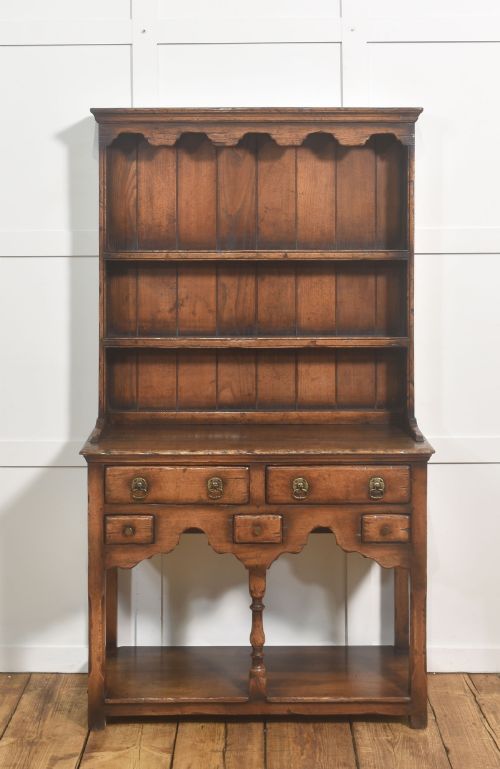
- Plate rack
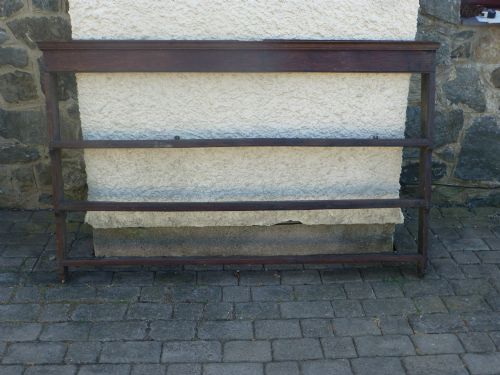
- An open shelving superstructure attached to the top of a dresser base, designed to display ceramic plates upright.
- Pot board
- A low open lower shelf positioned near the floor between the legs of early dressers, traditionally used for storing pots and pans.
- Dog kennel
- A central recessed compartment situated between lower cupboards or drawers in specific regional dresser bases.
- Two-part dresser
- A piece constructed as separate upper and lower sections rather than a single continuous carcass, facilitating transport.
- Patina
- The surface sheen and colour developed through decades of handling, polishing, and natural oxidation of the timber.
Vintage Welsh Dresser: Frequently Asked Questions
How do I style a welsh dresser?
Utilise the open plate racks to display collections of ceramics, glassware or pewter, balancing heavier items on the lower shelves.
Keep the working surface clear of clutter to maintain the historic domestic character of the furniture while providing practical workspace.
Are these dressers delivered in one piece?
Many examples are constructed as two-part pieces, separating the upper rack from the lower base to simplify transport and placement.
Larger solid-carcass items require careful measurement of doorways and stairwells before attempting delivery into upper-floor rooms.
How do I care for antique oak?
Apply traditional beeswax sparingly to nourish the timber and maintain the protective surface sheen without building up heavy residues.
Position the furniture away from direct heat sources and strong sunlight to prevent the timber from splitting or warping.
What is the difference between pine and oak dressers?
Oak items generally offer greater structural longevity and carry the darker, richly figured grain associated with formal country houses.
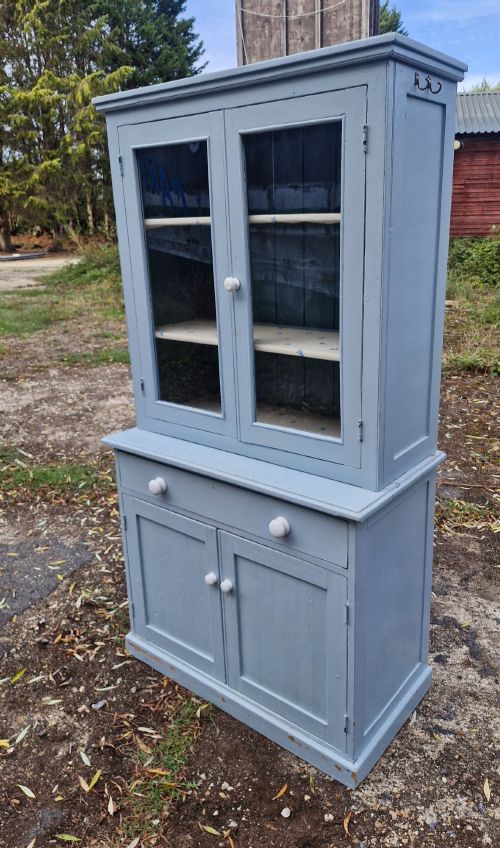
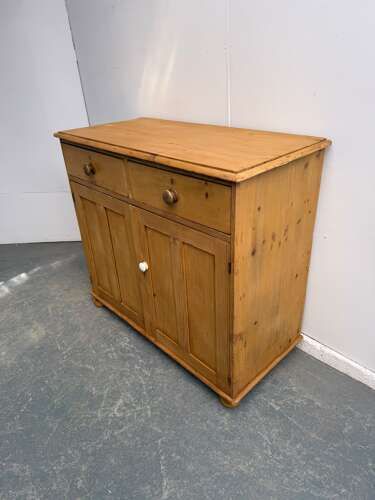
Pine alternatives often feature painted finishes or lighter waxed surfaces that suit smaller rustic cottages and farmhouse kitchens.