



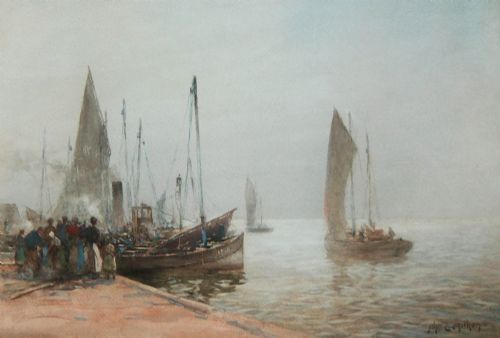
Vintage Watercolour Painting
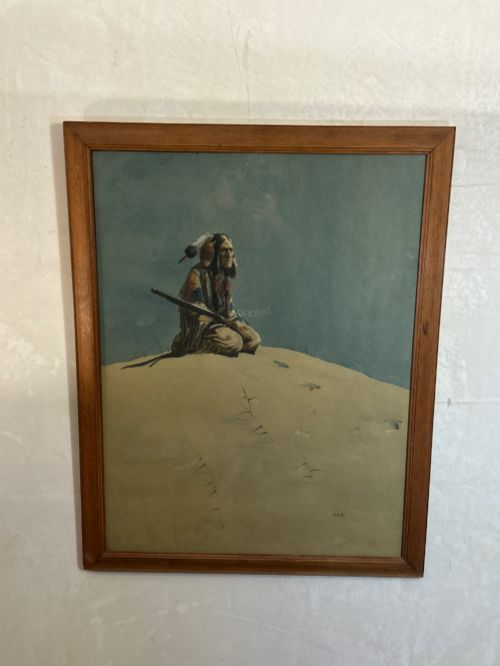
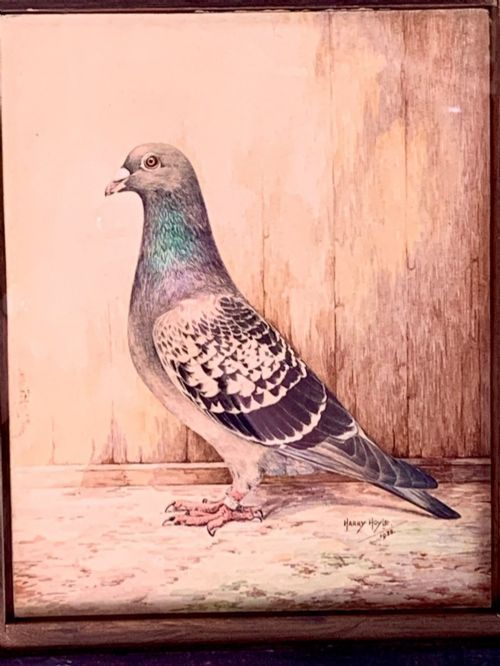
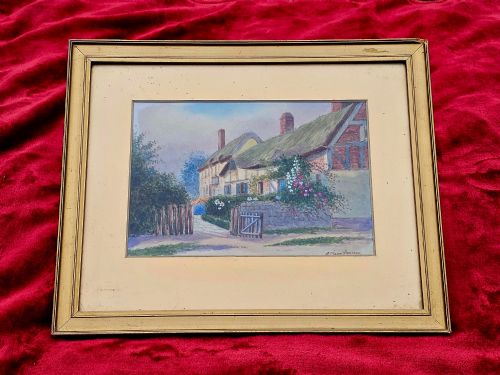
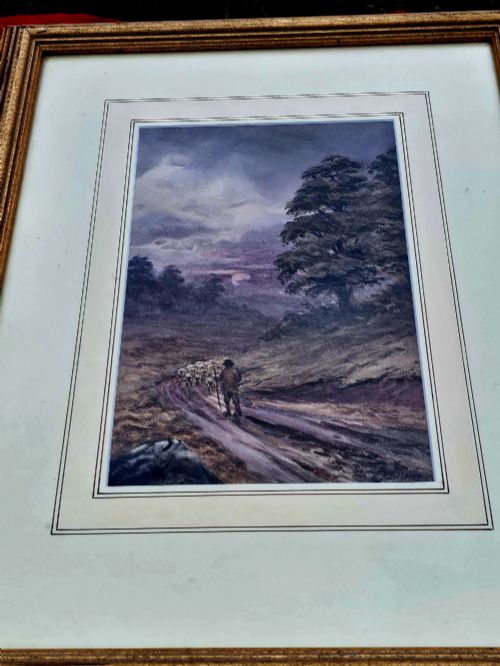
A vintage watercolour painting brings light, texture and a distinct historical atmosphere to domestic walls.
Vintage Watercolour Painting
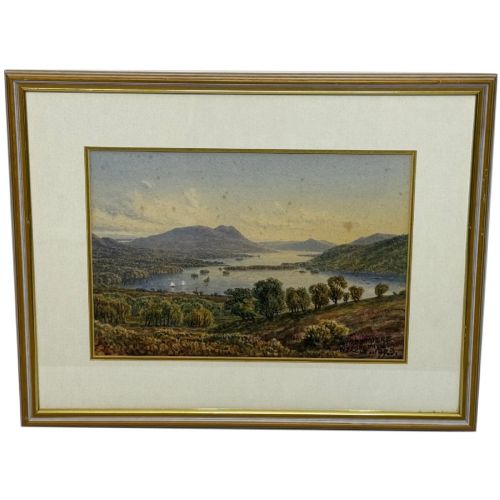
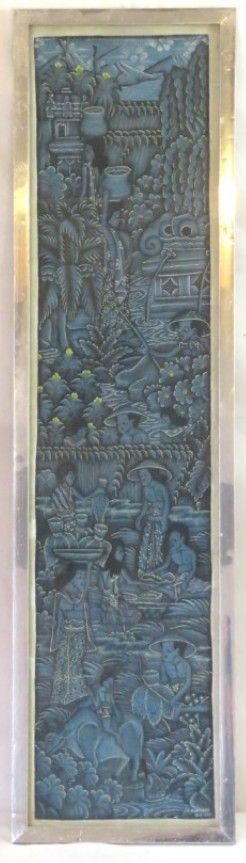
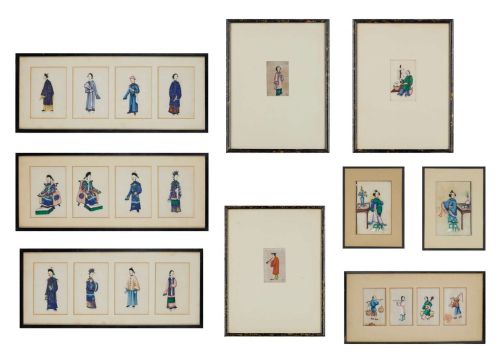
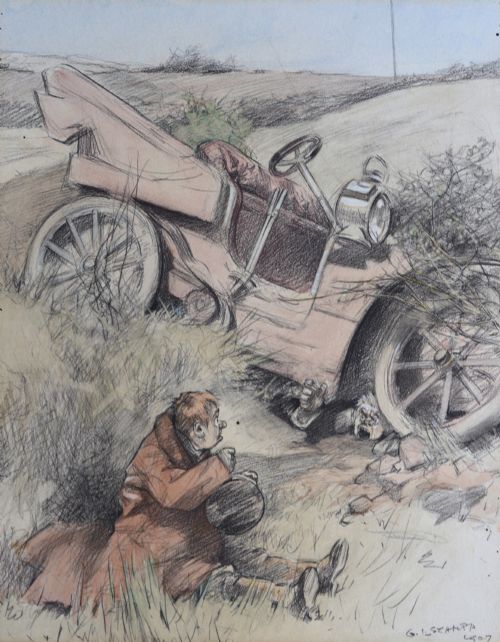
A vintage watercolour painting encompasses original works on paper spanning the nineteenth century through the mid twentieth century, capturing landscapes, maritime scenes, botanical studies and portraits. Buyers seek these pieces for their immediacy of hand, delicate washes and direct connection to historical British and European sketching traditions.
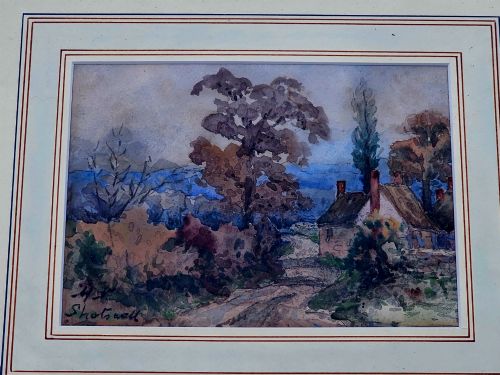
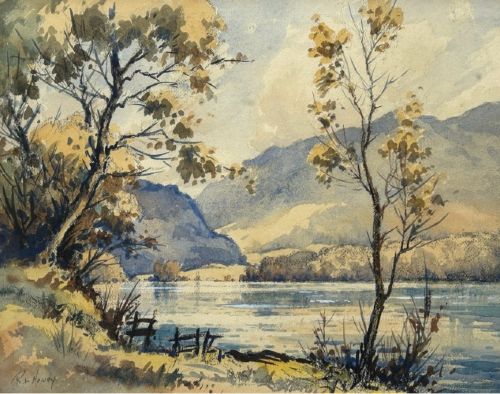
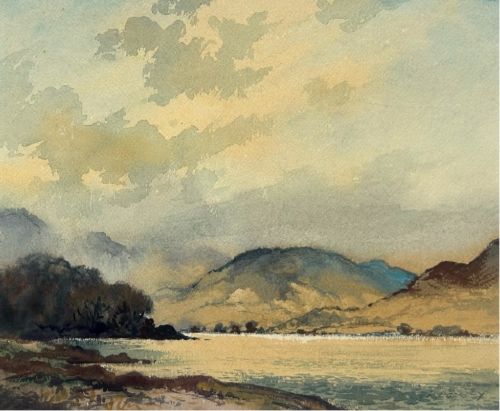
The selection ranges from detailed Victorian botanical studies and Edwardian coastal views to mid century northern industrial scenes and atmospheric lake landscapes. Most examples survive mounted behind glass within period wood frames, preserving the fugitive pigments against light and moisture.
Materials and methods
Artists painted primarily on heavy fibrous paper using water soluble pigment suspended in a gum arabic binder, sometimes augmented with ink lines or bodycolour for opaque highlights. These components allowed rapid sketching outdoors or meticulous studio work through layered translucent washes.
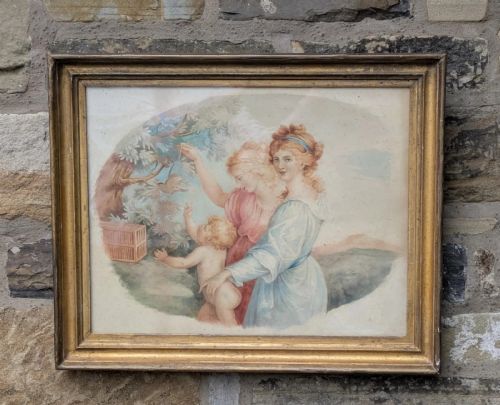
Framing utilised traditional timber mouldings, frequently incorporating giltwood or rosewood surrounds paired with glass protection to shield the delicate paper supports from atmospheric degradation.
Materials recorded across the archive include watercolour pigment, ink, gouache and giltwood frames.
What separates works
Quality rests upon the sureness of the brushwork, the retention of luminous colour intensity, and the artist's command of negative space to suggest light and atmosphere. Superior sheets demonstrate confident handling without overworking, whereas lesser examples rely on heavy, timid applications that deaden the paper surface.
The integrity of the original mount and framing package further influences the standing of a piece, as intact period presentation protects the watercolour from chemical transfer and environmental staining.
George Lorain Stampa·Alfred Young Nutt·John Hassall·A Marie Parsons·EJ Letheren·Robert Leslie Howey·James E Aitken·Charles Edward Dixon·John E Aitken·Eric Tufnell·William Banks Fortescue·Frank Watson Wood·Henry Silkstone Hopwood·Muriel Metcalfe·Thomas William Morley·R Hurst·Frank William Scarbrough·Robert Thorne Waite·John Smith Atherton·Richard Henry Wright·Frederick Walker·Karl S Wood·C Lawrence·Albert Pile·Stanton
The Vintage Watercolour Painting Glossary
- Watercolour pigment
- Finely ground colour particles mixed with a water soluble binder, typically gum arabic, allowing washes of varying opacity. This medium relies on the reflective quality of the white paper beneath to generate luminosity.
- Giltwood
- Timber carved and surfaced with a thin layer of gold leaf over a prepared gesso ground. This finish appears frequently on nineteenth century frames intended to complement the domestic interiors of the period.
- Bodycolour
- Watercolour mixed with a white pigment such as chalk to create an opaque paint. Artists utilised this technique to introduce highlights and solid areas into otherwise translucent compositions.
- Wash
- A fluid layer of diluted pigment spread evenly across the paper to create broad areas of tone or sky. Control of moisture determines the softness of the resulting edge.
- Portrait miniature
- A small, highly detailed painting executed on paper, ivory or vellum, popular from the sixteenth century onwards. These intimate works required fine brushes and steady observation.
Vintage Watercolour Painting: Frequently Asked Questions
How should I hang a watercolour painting?
Position the work away from direct sunlight and damp environments to prevent fading of the pigments and degradation of the paper support. Use stable picture hooks secured directly into wall studs or appropriate masonry fixings.
Ensure the frame hangs flat against the wall with proper backing boards intact to protect the sheet from environmental fluctuations.
Are these paintings always signed by the artist?
Many works bear legible signatures, monograms or studio stamps, while others remain anonymous or attributed to specific schools based on style and technique. Unsigned watercolours often originated as rapid plein air studies or professional design drafts rather than finished exhibition pieces.
Documentation on the reverse or framing evidence frequently provides additional context regarding attribution and date.
What is the difference between watercolour and gouache?
Watercolour employs transparent pigments that allow the white of the paper to shine through the washes, creating luminous atmospheric effects. Gouache introduces a white filler to the pigment mixture, producing an opaque finish with solid, matte areas of colour.
Artists frequently combined both media within a single composition to balance delicate skies with dense foreground details.
How do I identify the period of a frame?
Period frames exhibit construction methods, timber species and gilding techniques characteristic of their era, such as heavy moulded giltwood in the Victorian period or simpler sections in mid twentieth century examples. Original frames often retain historic backing papers, framer trade labels and old fixings.
Matching the frame style to the date of the painting helps confirm the historical context of the piece.