


Antique Watercolour Wall Art
Antique watercolour wall art brings tactile pigment and delicate hand-painted detail to any room, offering a direct link to past centuries through paper and gilt wood frames.
Antique Watercolour Wall Art
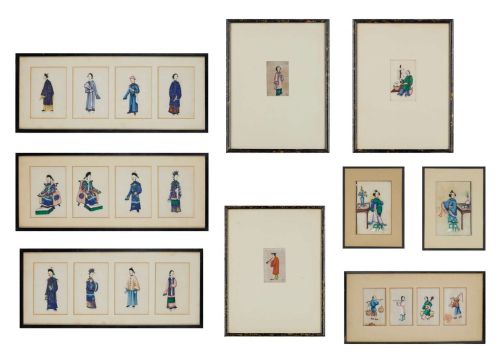
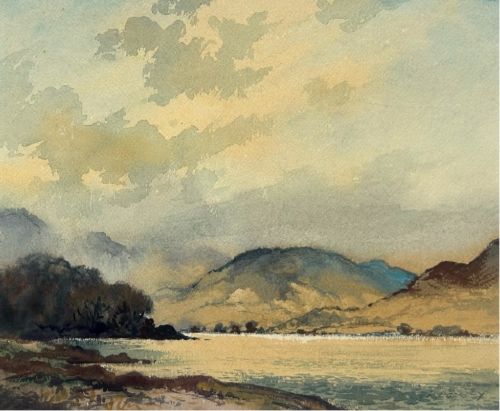
Antique watercolour wall art encompasses hand-painted works on paper, pith paper and silk, originating predominantly from nineteenth-century Britain alongside Chinese export studios.
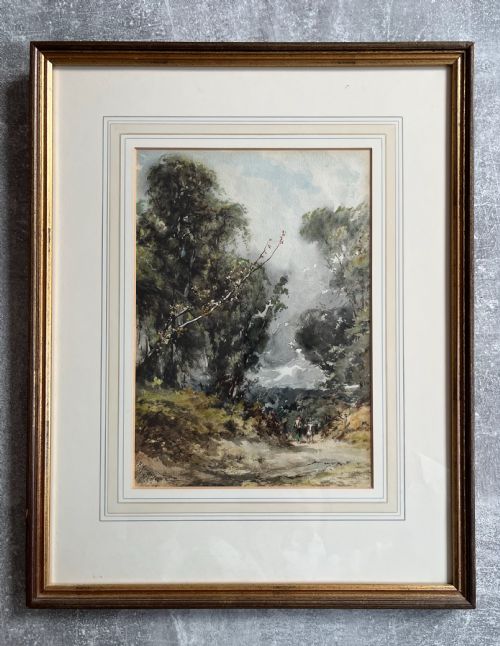
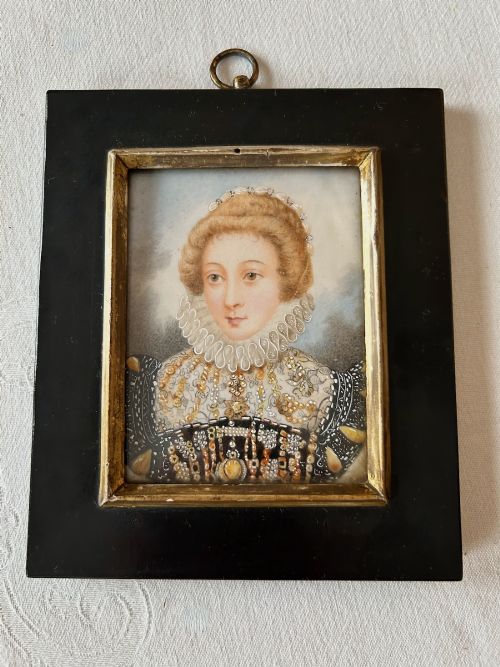
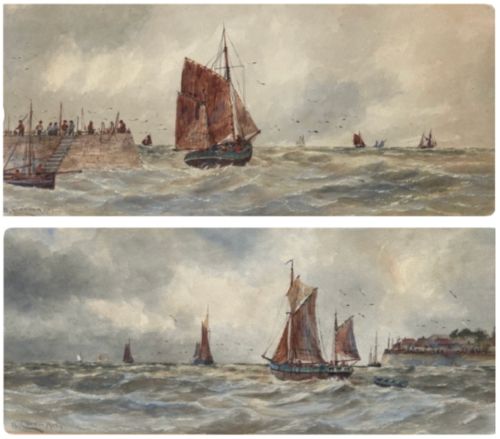
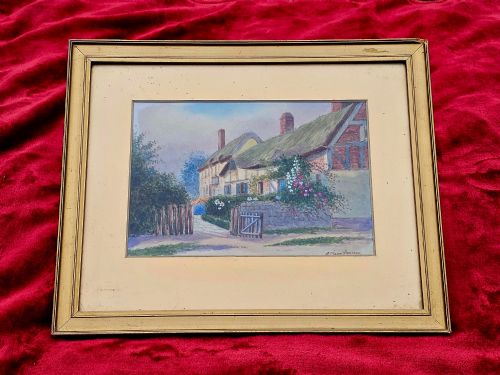
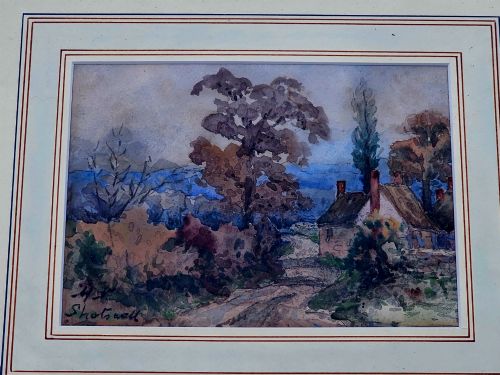
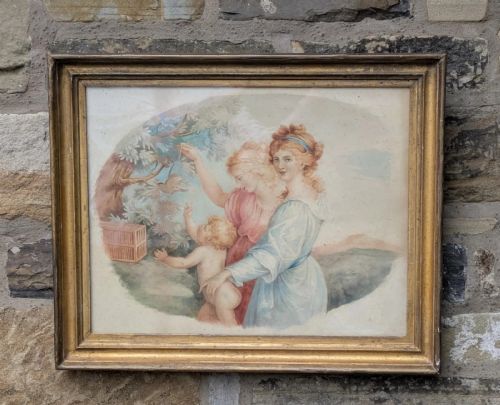
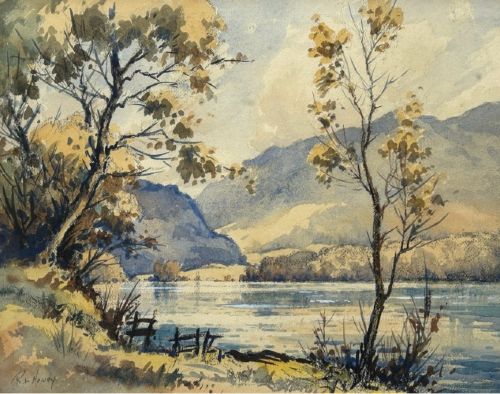
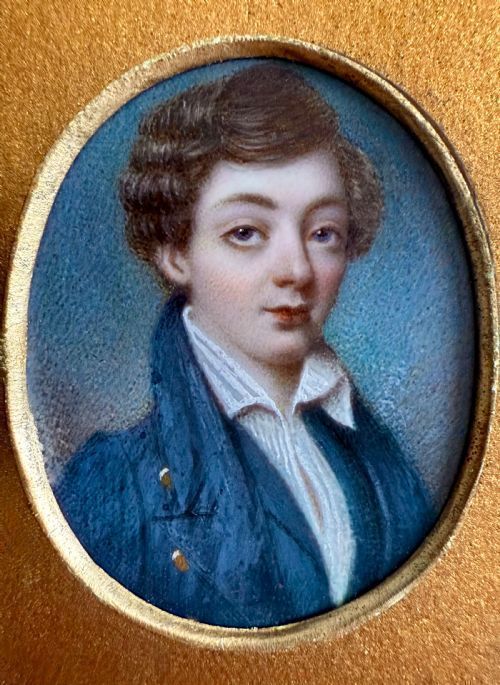
Buyers seeking antique watercolour wall art most frequently encounter framed nineteenth-century landscapes, botanical studies, maritime scenes and portrait miniatures behind glass.
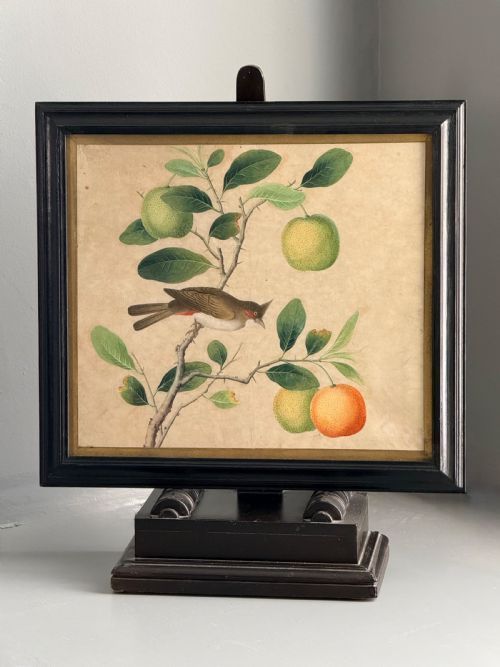
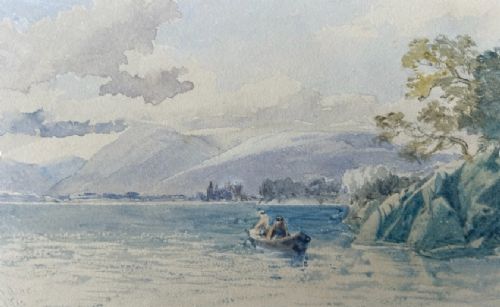
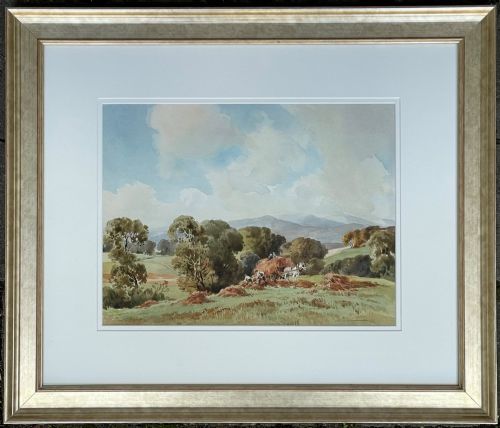
The selections span Regency botanical studies, Victorian coastal views by named artists, Edwardian pastoral landscapes and Chinese export pith and silk paintings.
How they were made
Artists applied water-soluble pigments and gouache onto paper, pith or silk substrates, often utilising fine hair brushes for minute botanical and portrait details.
Finished paintings were typically secured behind protective glass within wooden frames, occasionally accented with gold leaf or gilt wood mouldings.
Several Victorian artists turned their attention to exotic birds and colourful parrots rather than landscapes.
What varies in quality
Quality rests in the precision of the brushwork and the artist's command of light and atmosphere, distinguishing rapid sketches from deeply finished exhibition pieces.
The preservation of the paper and the vibrancy of the original watercolour pigment, free from heavy fading or foxing, dictate the visual strength of the piece.
Original frames matching the period, particularly rosewood or gilt wood surrounds with intact glass, elevate the overall integrity of the artwork.
George Fotherly Hargitt·Thomas Miles Richardson Jnr·James Orrock·Henri Fradelle·William Cannon·Alfred Young Nutt·Percy Lancaster·John Hassall·A. Marie Parsons·Vincent Clare·Ernest Arthur Rowe·Frederick Walker·TB Hardy·Frederick James Kerr
The Antique Watercolour Wall Art Glossary
- Watercolour
- A painting method in which the paints are made of pigments suspended in a water-based solution. These works are traditionally displayed behind glass to protect the absorbent paper.
- Pith paper
- A delicate material derived from the pith of the Tetrapanax papyrifer plant, commonly used in nineteenth-century Chinese export paintings. It has a velvet-like texture that absorbs watercolour pigment deeply.
- Gouache
- An opaque water-based paint that includes a white pigment filler, giving a heavier and more solid appearance than transparent watercolour.
- Portrait miniature
- A small, highly detailed painting, usually depicting a person, executed during the Georgian and Victorian eras. They are frequently housed in small framed or lidded settings.
Antique Watercolour Wall Art: Frequently Asked Questions
How do I care for antique watercolours?
Keep framed pieces away from direct sunlight to prevent the watercolour pigments from fading over time. Maintain a stable room temperature to protect the paper and wooden frames from moisture damage.
Ensure the glass remains sealed to stop dust and humidity from reaching the delicate painted surface. Professional framing using acid-free backing materials helps preserve the paper during long-term display.
What is Chinese export watercolour?
These are works created in China during the nineteenth century specifically for Western buyers and travellers. They frequently depict local customs, junks, and figural scenes on silk or pith paper.
Artists combined traditional Chinese painting techniques with formats that appealed to European collectors of the period.
How do I identify a Victorian watercolour?
Victorian examples often feature pastoral landscapes, maritime views of fishing boats, or detailed botanical studies. They frequently bear signatures, monograms, or period dates from the nineteenth century.
The use of heavy gold leaf or gilt wood frames alongside traditional glazing points to the Victorian era of framing and display.