





Edwardian Woman Picture
An edwardian woman picture captures the poise and elegance of the early twentieth century through delicate portraits and detailed scenes.
Edwardian Woman Picture
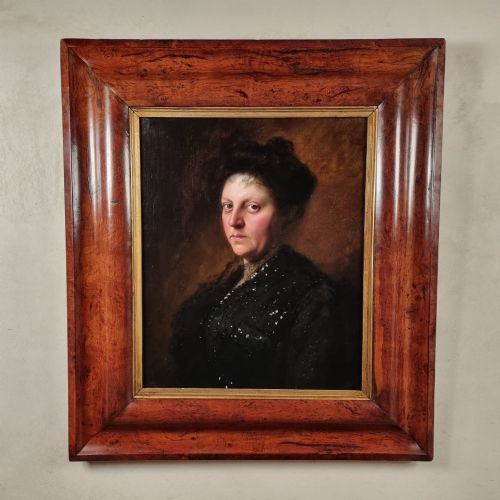
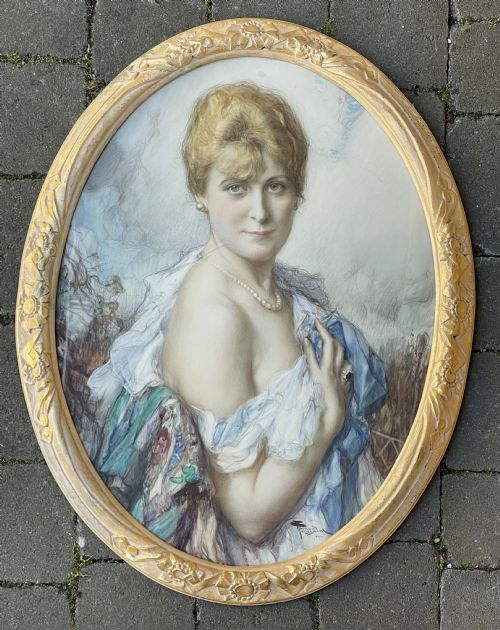
An edwardian woman picture encompasses fine art portraits, framed photography, and delicate watercolours depicting female subjects from the period. Buyers seeking these works will encounter formal oil paintings alongside intimate charcoal drawings and tinted photographs.
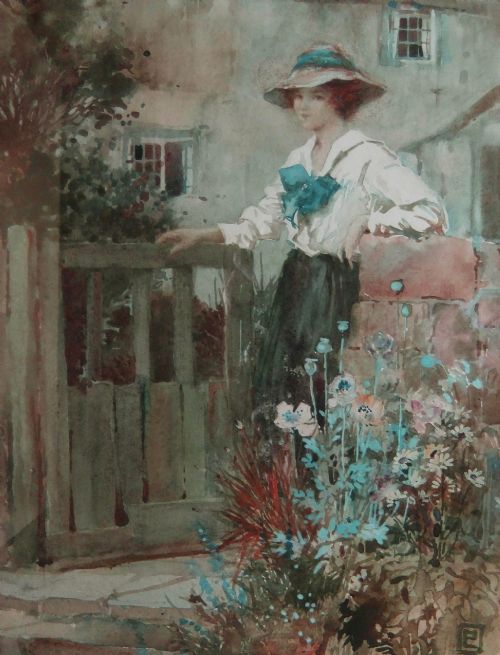
The selections on this page span from Victorian realism through to early twentieth-century British impressionism and the Belle Epoque. Most pieces showcase either formal studio portrayals or pastoral scenes of women engaging with domestic or rural life.
Materials and methods
These works are primarily executed in oil on canvas, watercolour, or charcoal on paper, capturing fine tonal gradations and delicate facial expressions. Many pieces retain their original wooden frames, often finished with gold leaf or giltwood detailing.
Photographic portraits from the era utilise early gelatin silver printing techniques, frequently mounted behind protective glass to preserve the monochrome surface. Painters of the period employed layered brushwork to achieve realistic textures in clothing and foliage.
Edwardian Woman Picture Retail Price Guide 2026
Typical asking prices for edwardian woman picture among the pieces listed under this phrase on Sellingantiques today, from the lower quarter to the upper quarter. They describe what is for sale here now, not the wider market.
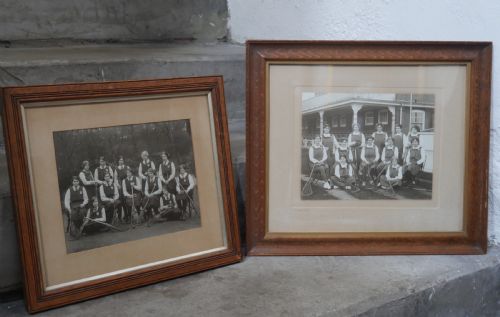
Team spirit survives in a nineteen-fourteen Scottish lacrosse photograph, proving Edwardian women took their sports rather seriously.
Assessing quality and execution
Quality in these works rests upon the artist's ability to render facial expression and anatomical proportion with convincing naturalism. Superior examples demonstrate confident brushwork or precise draughtsmanship, whereas lesser pieces can appear stiff or formulaic in composition.
The integrity of the framing also influences the overall standard, with original period giltwood and gold leaf mouldings adding considerable visual harmony. Preservation of the underlying paper or canvas, free from excessive fading or moisture discolouration, elevates the standing of the piece.
Henry John Yeend King·Claude Cardon·Fernand Toussaint·Reginald G Eves·Percy Lancaster·J D Fergusson
The Edwardian Woman Picture Glossary
- Watercolour
- A painting method in which the paints are made of pigments suspended in a water-based solution. This technique allows for translucent washes that suit delicate portraiture.
- Giltwood
- Wood that has been treated with a thin layer of gold leaf or powder. It provides an ornate, reflective border common in frames of the period.
- Impressionism
- A style of painting that focuses on the accurate depiction of light and its shifting qualities. Artists often used visible brush strokes rather than fine blending.
- Pastoral
- A genre of art depicting rural life and idyllic country scenes. These works frequently place female subjects in peaceful natural settings like streams or cottage gates.
Edwardian Woman Picture: Frequently Asked Questions
What is an edwardian woman picture?
An edwardian woman picture is a painting, drawing, or photograph depicting female subjects created during the early twentieth century. These works range from formal oil portraits to candid watercolours and team photographs.
The genre reflects the artistic styles of the period, including British impressionism and Victorian realism. They serve as visual historical records of fashion, society, and artistic technique.
How do I care for antique watercolours?
Antique watercolours require careful placement away from direct sunlight to prevent the pigments from fading over time. Maintaining a stable indoor humidity helps protect the underlying paper from degrading.
Framing with acid-free mount board and protective glass shields the artwork from atmospheric pollutants. Professional conservation framing ensures the delicate medium remains stable for decades.
How are periods told apart?
Periods are distinguished by examining the clothing, hairstyles, and artistic techniques visible in the artwork. Edwardian pieces often feature soft pastel tones and characteristic Edwardian dress, while Victorian works tend toward heavier realism.
Frame styles and mounting methods also offer clues to the date of creation. Signatures, inscriptions, and artist records help confirm the precise timeline.
Where were these pieces displayed?
Portraits and fine art pieces were traditionally hung in the formal drawing rooms and parlours of period homes. Framed photographs and smaller watercolours often adorned bedroom walls or private studies.
They functioned both as personal mementos of family members and as decorative displays of social standing. Today, they bring historic character to modern interior spaces.