

Vintage Washstand Table
A vintage washstand table brings the practical utility of nineteenth-century bedroom hygiene into modern living spaces with timeless timber and stone.
Vintage Washstand Table
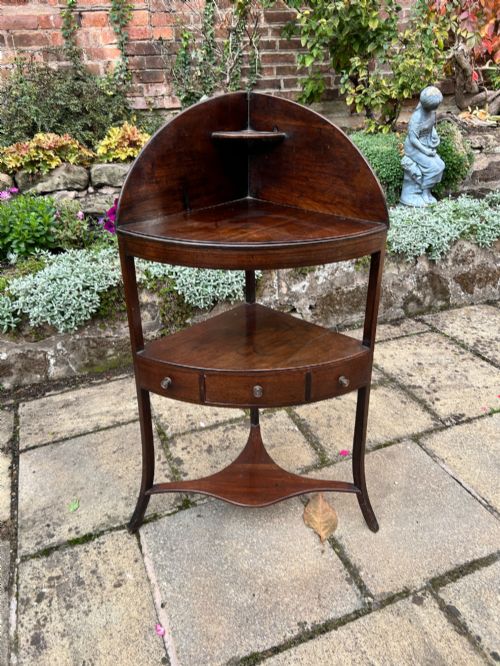
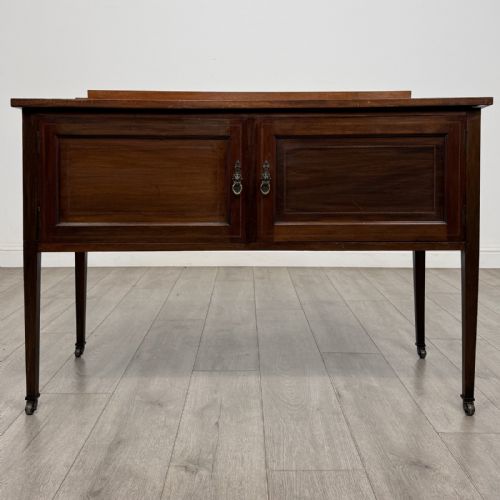
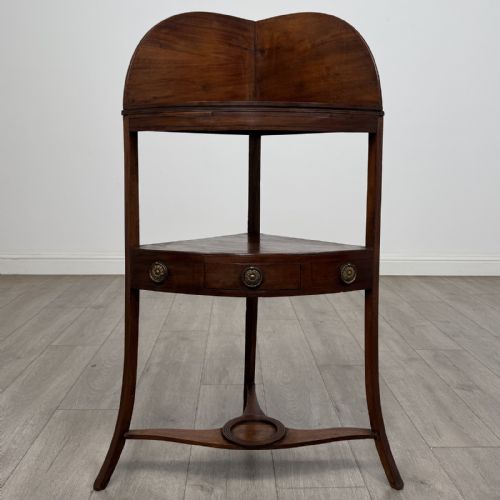
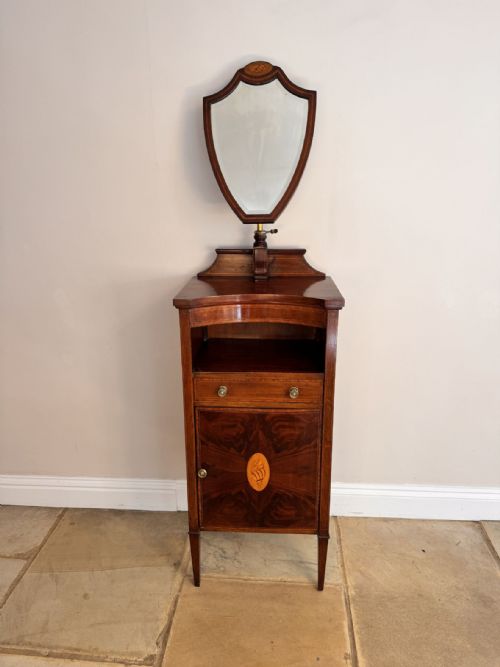
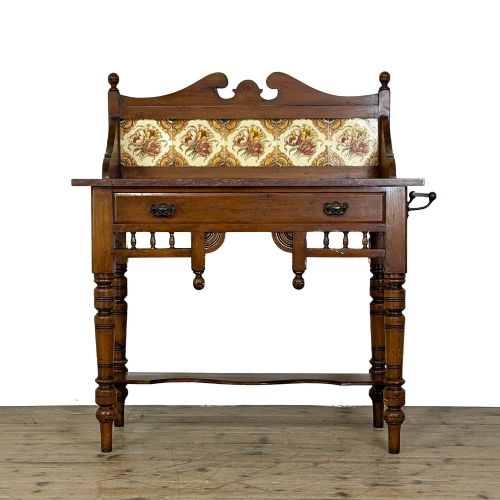
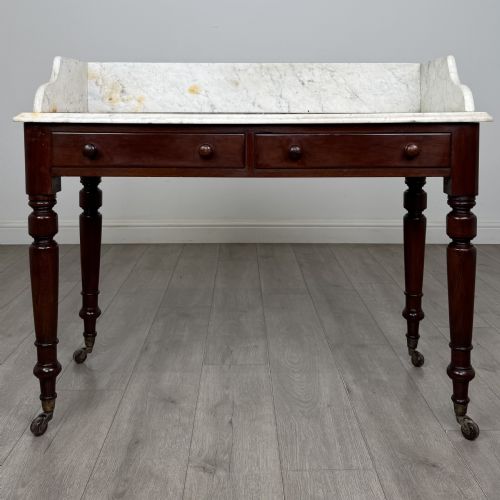
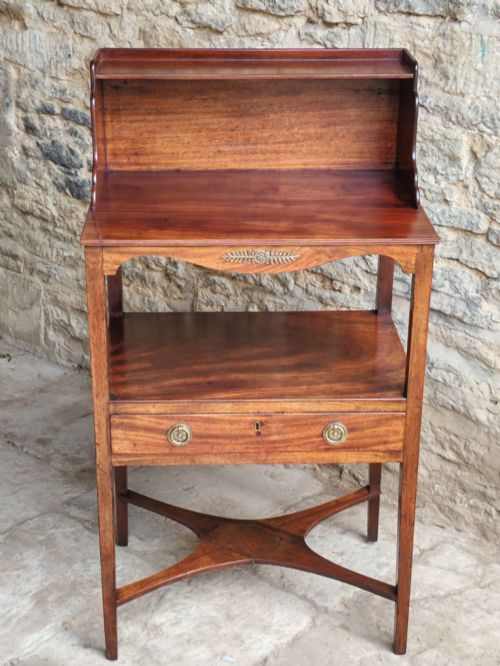
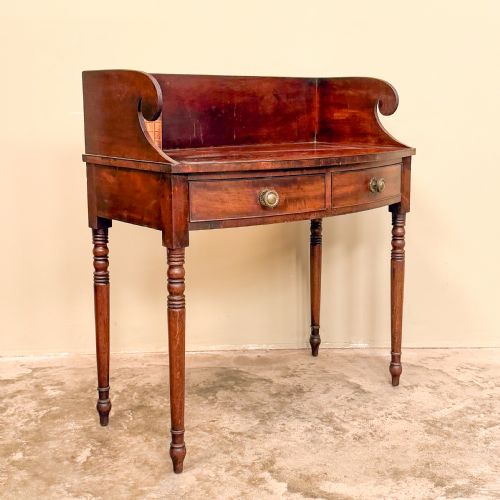
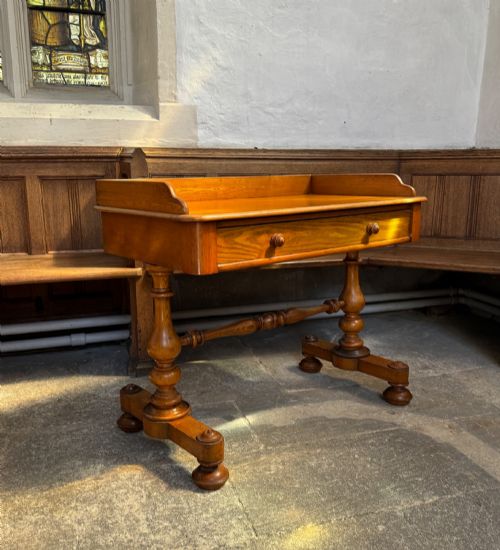
A vintage washstand table is primarily a sturdy piece of bedroom furniture designed originally to hold basins, ewers, and grooming accessories. When you search for a vintage washstand table, you encounter practical items that bridge the gap between antique utility and contemporary side tables.
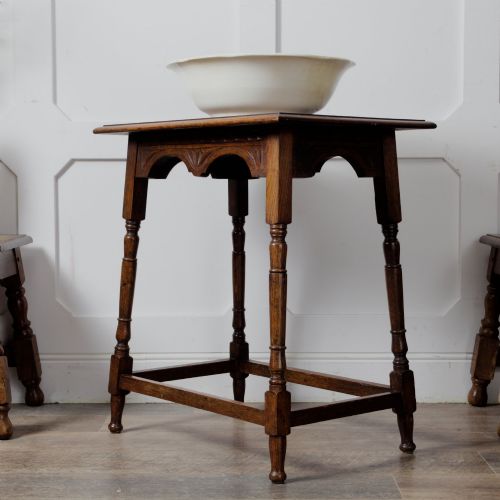
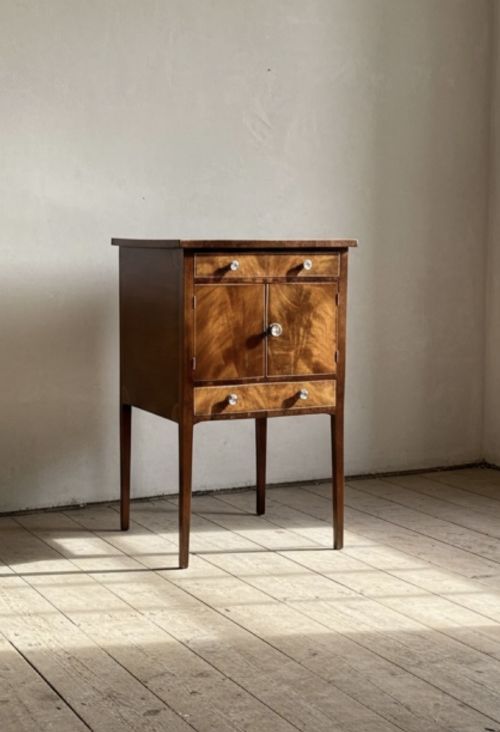
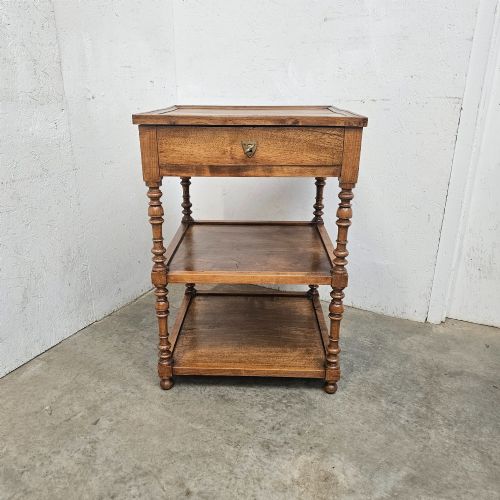
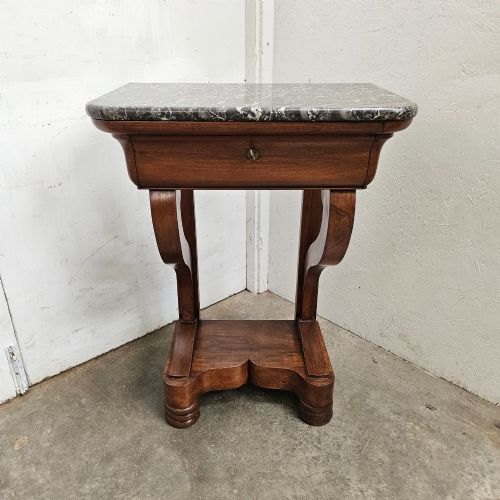
The pieces appearing on this page span the Georgian, Victorian, Edwardian, and Arts and Crafts periods, utilising timbers such as mahogany, pine, oak, and walnut. Many examples incorporate fitted stone surfaces intended to withstand daily splashes and moisture during personal ablutions.
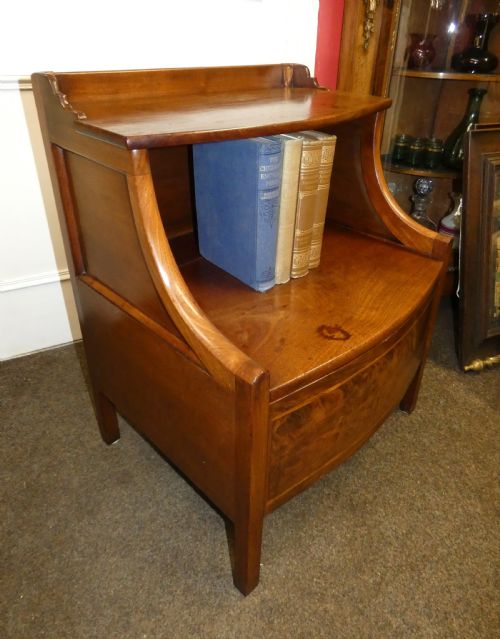
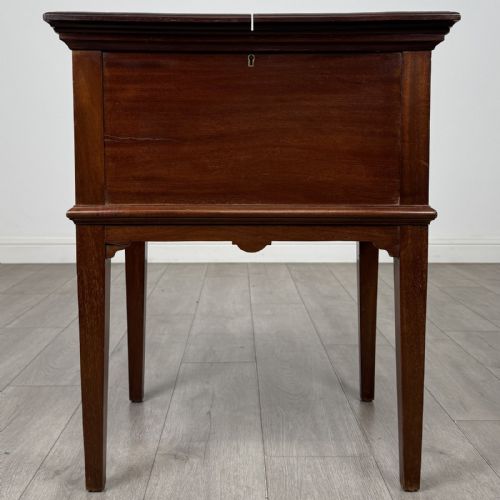
Beyond the standard washstand, listings frequently include related forms like side tables, bedside cabinets, and console tables sharing similar architectural proportions. These objects often display the honest construction and functional drawers characteristic of nineteenth and early twentieth-century domestic life.
Materials and construction methods
Cabinet makers relied heavily on dense hardwoods like mahogany and walnut for high-end pieces, whilst everyday utility furniture frequently utilised pitch pine or oak. Joinery techniques from these periods involved sturdy mortise and tenon frames designed to bear heavy stone slabs.
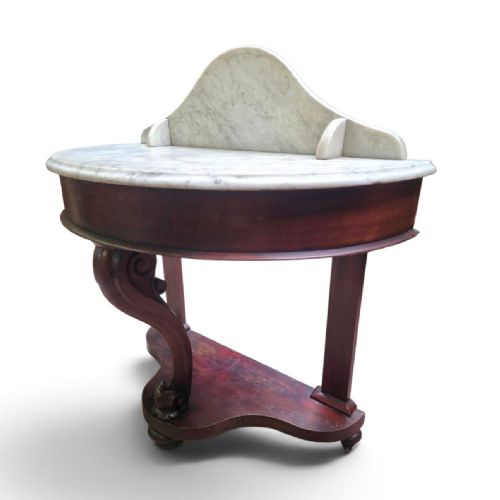
Slabs of white or grey marble were commonly integrated into the top surface to provide a waterproof platform for washing bowls. Secondary woods such as deal appear inside drawer boxes, fastened with hand-cut dovetail joints.
Vintage Washstand Table Retail Price Guide 2026
Typical asking prices for vintage washstand table among the pieces listed under this phrase on Sellingantiques today, from the lower quarter to the upper quarter. They describe what is for sale here now, not the wider market.
Gentlemen once shaved over these exact tables before safety razors turned the morning routine into a bathroom sink affair.
Evaluating craftsmanship and condition
Quality in these pieces is dictated by the selection of timber and the integrity of the integrated marble top. Finer examples exhibit figured mahogany veneers, turned supports, and subtle satinwood stringing rather than plain utilitarian boards.
The presence of original hardware, such as brass pulls and ceramic castors, elevates a piece significantly above examples stripped of their original fittings. Original painted finishes, whether scumble effects or simple pine coats, also define the upper tier of desirability.
James Shoolbred·Harrods
The Vintage Washstand Table Glossary
- Washstand
- A dedicated piece of furniture designed to hold a basin and water jug for morning washing before plumbed bathrooms became standard. These often feature low splashbacks and lower undershelves.
- Scumble
- A decorative painting technique used on pine to imitate the rich grain of more expensive woods like oak or walnut. Artisans applied a translucent glaze over a lighter base coat and dragged combs through it.
- Console table
- A table designed to be fixed against a wall, frequently supported by ornamental legs or brackets. In bedroom settings, lighter versions served dual purposes for grooming.
- Marble top
- A polished stone slab fitted into the upper framework of a table to resist water damage. These heavy inserts require stable underlying timber frames to prevent sagging.
- Arts and Crafts
- A design movement prioritising traditional craftsmanship and simple forms over mass-produced ornamentation. Pieces from this aesthetic emphasise honest construction and visible material grain.
Vintage Washstand Table: Frequently Asked Questions
What is a vintage washstand table used for now?
While originally built to hold washing basins and pitchers in nineteenth-century bedrooms, these tables now serve versatile roles in modern homes. They function brilliantly as hallway console tables, bathroom vanity bases, or distinctive bedside surfaces.
The generous flat top and lower shelves provide practical storage for lamps, books, and everyday items. Their resilient surfaces, especially marble variants, easily accommodate contemporary decorative objects.
How do I care for a marble top washstand?
Marble requires gentle treatment to preserve its polished surface against acidic liquids and staining. Wipe down the stone regularly with a soft damp cloth and mild neutral soap.
Avoid harsh chemical cleaners or abrasive scouring pads that can dull the natural gloss of the stone. Applying a specialist stone sealer periodically helps protect older marble from unexpected moisture rings.
Are these tables waterproof?
The marble-topped versions are inherently well-suited to handling water splashes from their original washing purpose. The stone resists moisture absorption far better than untreated timber surfaces.
Wooden tops, however, feature historic polish finishes that can watermark if left in contact with standing liquids. Using coasters and wiping spills promptly preserves the integrity of the vintage wood finish.
How do I date a vintage washstand?
Dating relies on observing a combination of timber choice, hardware style, and construction methods. Georgian and early nineteenth-century examples often display fine mahogany with hand-cut dovetails and restrained proportions.
Later Victorian and Edwardian pieces frequently introduce heavy turned legs, pitch pine construction, or integrated marble splashbacks. The presence of specific retailer stamps or simpler Arts and Crafts lines helps narrow the manufacturing decade.