





Edwardian Tile Splashback
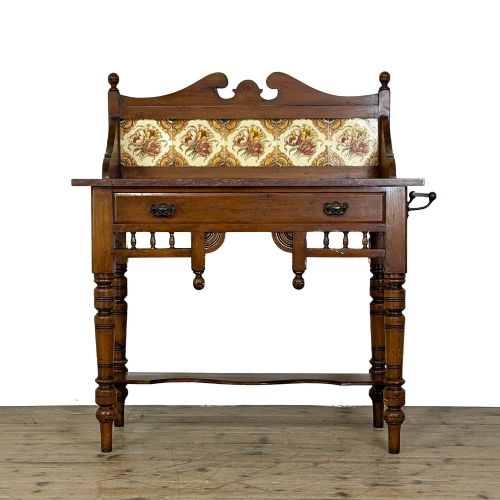
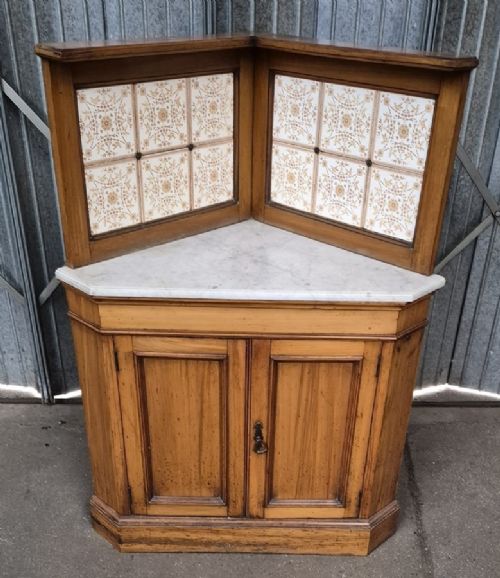
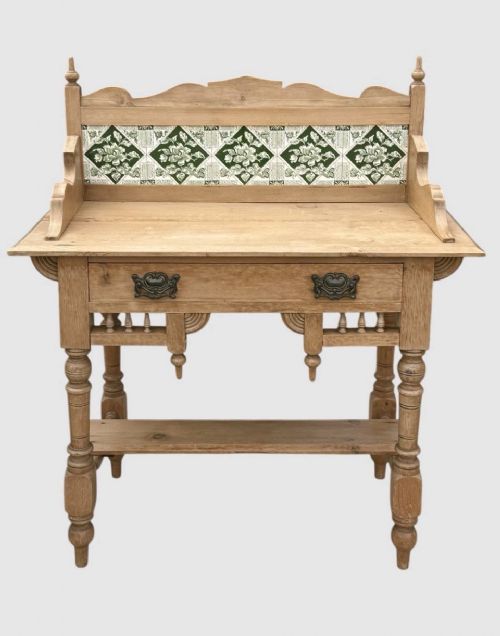
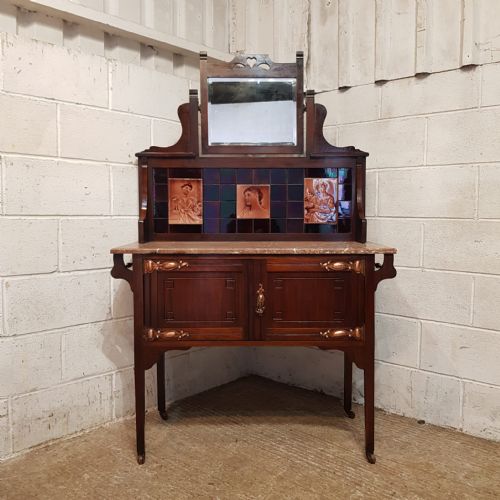
These pieces of edwardian tile splashback incorporate ceramic panels to protect bedroom walls from splashes, combining practical utility with period decorative charm.
Edwardian Tile Splashback
An edwardian tile splashback forms part of washstands and bedroom furniture suites, designed to sit behind a basin and protect the wall from water. Most examples on this page date from the Edwardian and Victorian periods, alongside pieces from around nineteen ten, nineteen hundred, the nineteenth century, and eighteen ninety.
The form appears primarily within washstands and larger bedroom furniture suites, often featuring integrated marble tops paired with ceramic tiled backs. Makers applied these decorative panels to both walnut, mahogany, oak, pine, and brass frameworks, merging sanitation with domestic ornamentation.
Materials and construction
Makers utilised ceramic tiles for the splashback surfaces, combining them with durable timbers such as walnut, mahogany, oak, and pine for the main furniture structures. These wooden frames frequently supported heavy marble tops designed to withstand daily bathroom use.
Craftsmen applied styles ranging from Arts and Crafts and Art Nouveau to the Aesthetic Movement, incorporating brass hardware and occasionally glass elements. The ceramic tiles were set into wooden frames or tile galleries behind the basin area.
Edwardian Tile Splashback Retail Price Guide 2026
Typical asking prices for edwardian tile splashback among the pieces listed under this phrase on Sellingantiques today, from the lower quarter to the upper quarter. They describe what is for sale here now, not the wider market.
Some washstands include small integrated towel rails that double as boot scrapers on rustic pine models.
Judging quality and character
Quality separates through the selection of timber and the artistic execution of the ceramic tiles, where finer examples display superior glaze work and more substantial marble surfaces. The integration between the wooden frame and the tiled gallery dictates the overall structural integrity of the piece.
The stylistic influence also defines the tier of the piece, with Arts and Crafts and Art Nouveau examples often showing greater attention to decorative detail than standard utility washstands. The choice of walnut or mahogany instead of painted pine shifts the character from utilitarian to formal.
Walker And Sons
The Edwardian Tile Splashback Glossary
- Washstand
- A piece of bedroom furniture designed to hold a basin, jug, and washing equipment before the widespread installation of indoor plumbing.
- Tile gallery
- The raised vertical section at the back of a washstand frame designed to hold ceramic tiles that protect the wall.
- Marble top
- A stone slab fitted to the surface of washstands to provide a water-resistant counter for washing utensils.
- Arts and Crafts
- A design movement emphasising craftsmanship, simple forms, and traditional materials that influenced many washstand tiles.
Edwardian Tile Splashback: Frequently Asked Questions
What is an edwardian tile splashback?
An edwardian tile splashback is a decorative and protective ceramic panel assembly fitted to the back of washstands and bedroom furniture suites. These elements defended bedroom walls from water during washing before plumbing became standard.
They appear across various wood types including walnut, mahogany, oak, and pine, often accompanied by marble tops.
How were washstands used?
Washstands served as the primary washing station in bedrooms, holding a basin and jug on the marble or wooden surface. The tile splashback caught water splashes while users washed their hands and face.
They formed an essential part of bedroom furniture suites before plumbed bathrooms replaced them.
How do I identify an Edwardian piece?
Edwardian pieces date from the early twentieth century and often feature lighter timbers, simpler lines, and refined Arts and Crafts or Art Nouveau decorative motifs. They contrast with heavier Victorian designs through their proportions and detailing.
Examining the construction methods and wood types helps distinguish Edwardian items from nineteenth century examples.
Can I use these in modern bathrooms?
These washstands adapt well to modern interiors as bathroom vanity units or decorative hallway consoles. The ceramic tiles and marble tops naturally resist water, making them practical for contemporary settings.
Placing them in modern homes preserves their original function while highlighting their period craftsmanship.