




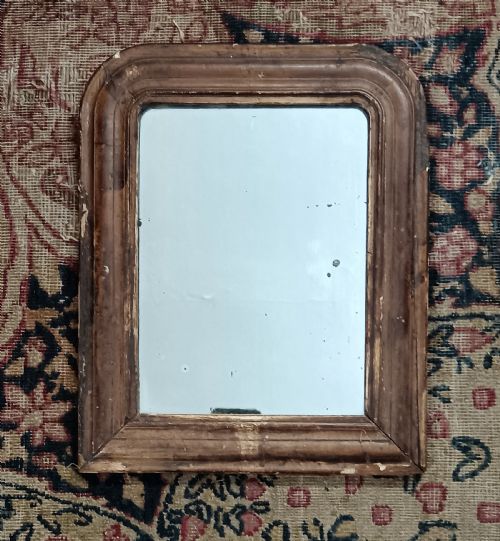


Vintage Walnut Wall Mirror
A vintage walnut wall mirror brings warmth and depth to a room, offering rich timber grain alongside functional glass.
Vintage Walnut Wall Mirror
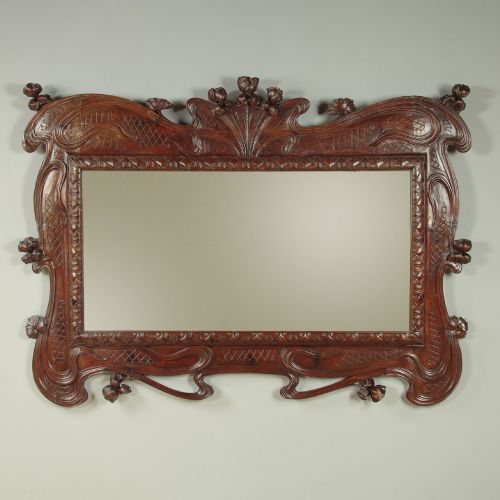
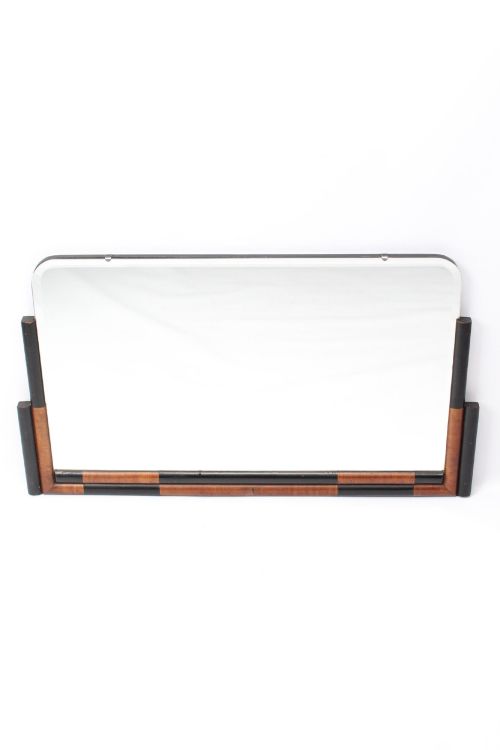
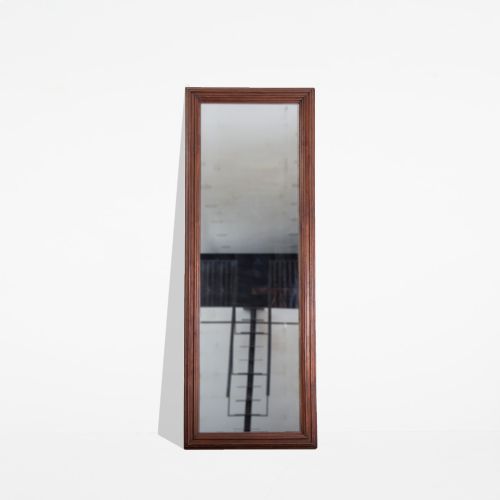
A vintage walnut wall mirror covers formats ranging from eighteenth-century fretwork plates to Art Deco bevelled panels and overmantel designs. Walnut timber frames this selection, often paired with parcel gilt highlights or ebonised details.
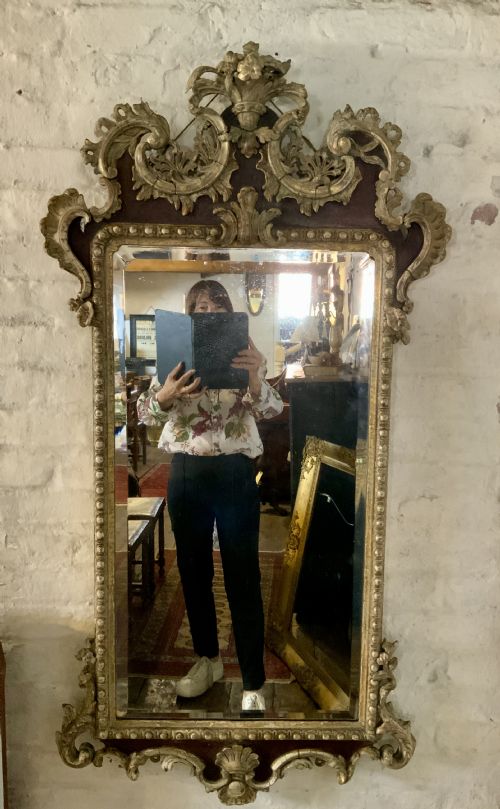
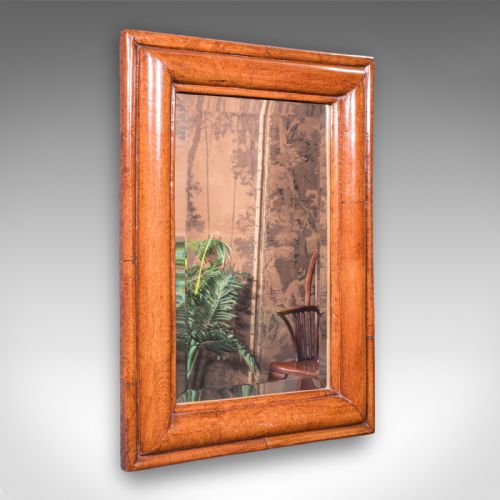
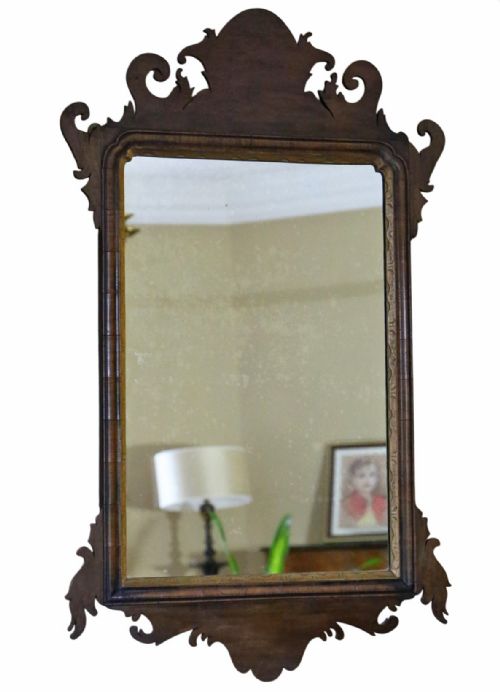
The version most commonly met on this page is the walnut wall mirror from the early twentieth century, frequently drawing on Georgian or Queen Anne revival styles. These pieces utilise figured burr veneers and traditional fret-cut silhouettes to mimic earlier centuries.
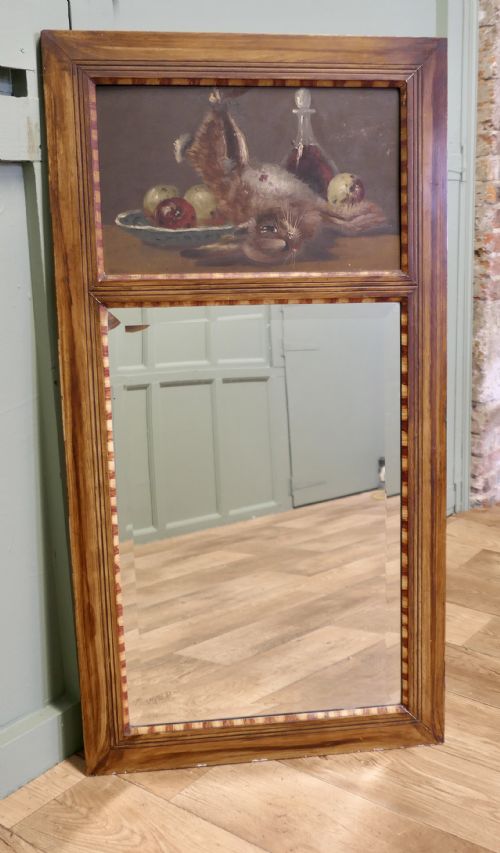
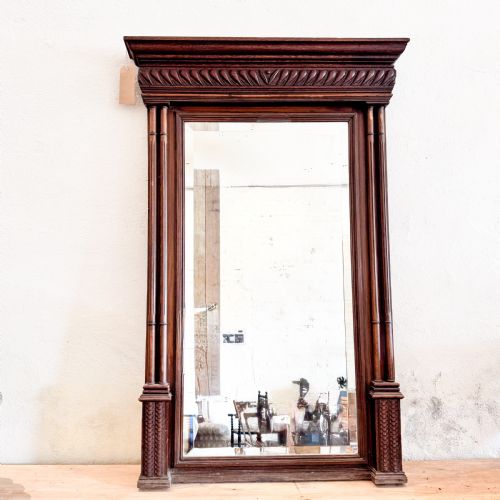
Beyond standard wall hanging plates, related forms include French trumeau pier mirrors, overmantel mirrors for chimney breasts, and functional hall stands combining mirrors with coat racks or valet compartments.
Materials and Construction
Makers constructed these frames using solid walnut and decorative burr walnut veneers applied to secondary pine or oak carcases, occasionally incorporating parcel gilt touches and brass detailing. Timber selection defined the visual character, contrasting dark heartwood with lighter sapwood or swirling grain patterns.
Surface decoration relied on traditional carving, fretwork sawing, and ebonising, alongside applied oil paint or gilding on specific revival pieces. Glaziers supplied mirror glass, sometimes with bevelled edges, set into rebates at the rear of the timber frame.
Among the hall furnishings are clever hybrid items designed to hold your morning hat, visiting keys, and shaving reflection all in one compact spot.
Assessing Quality
Quality in a walnut wall mirror rests upon the crispness of the fretwork carving and the choice of timber veneer. Superior examples display symmetrical burr walnut figures and finely cut scrollwork rather than plain, unfigured boards.
The condition and age of the mirror plate itself contribute heavily to the piece, with original silvering showing subtle oxidisation that distinguishes period glass from modern replacements. Joinery integrity at the frame corners dictates structural survival over decades of hanging.
The Vintage Walnut Wall Mirror Glossary
- Burr walnut
- A veneer sliced from the gnarly growths of a walnut tree, producing swirling, highly decorative grain patterns. Cabinet makers prized this wood for principal display surfaces on high-end furniture.
- Fretwork
- Thin wood pierced with intricate patterns using a fret saw, common on the scrolled crests and aprons of eighteenth-century and revival mirrors. It requires steady hand-sawing skill.
- Trumeau
- A tall pier mirror designed to hang on the wall between two windows, frequently incorporating an oil painting or carved panel above the glass. French examples often feature arched frames.
- Overmantel mirror
- A wide mirror designed specifically to be hung on the wall directly above a fireplace mantelpiece. These pieces often feature brass detailing or horizontal proportions to balance hearth dimensions.
Vintage Walnut Wall Mirror: Frequently Asked Questions
How do I hang a heavy walnut mirror?
Heavy wall mirrors require secure fixing into solid masonry or direct attachment to wall studs using appropriate steel brackets. Avoid relying on single picture wire for large timber and glass frames.
Professional mirror hangers utilise split battens or heavy-duty D-rings screwed firmly into the wooden frame backing to distribute the weight safely.
How do I clean antique mirror glass?
Clean antique mirror plates gently using a soft microfibre cloth and a mild, ammonia-free glass cleaner sprayed onto the cloth rather than directly onto the glass. This prevents moisture seeping behind the silvering.
Exercise caution around the edges where the original backing or foxing is delicate, as harsh chemicals can damage historical silvering.
What is foxing on a mirror?
Foxing refers to the small brown spots and patches that develop behind the glass as the silver backing degrades over time. It is a natural ageing process rather than a structural fault.
Many collectors value original foxing because it confirms the age of the mirror plate and adds authentic character to vintage pieces.
How do I tell an 18th-century mirror from a revival piece?
Eighteenth-century mirrors typically exhibit hand-beveled glass, old pine or oak secondary backing boards with rosehead nails, and timber shrinkage that matches centuries of age. The grain patination shows deep oxidation.
Revival pieces from the twentieth century often use modern screw fixings, machine-cut fretwork, and cleaner, brighter mirror glass without historical wear.