

Vintage Walnut Vitrine
These vintage walnut vitrine options are refined display cabinets that bring warmth and clear presentation to any room.
What a vintage walnut vitrine is
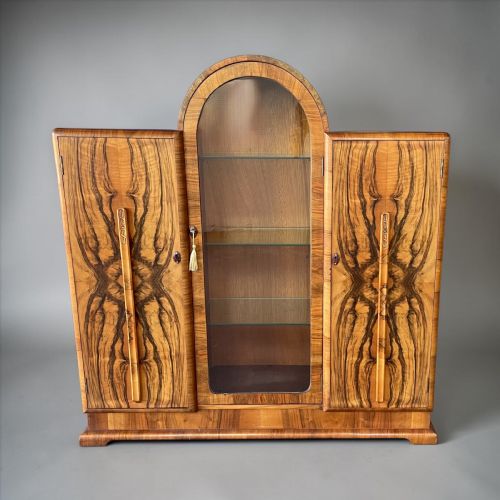
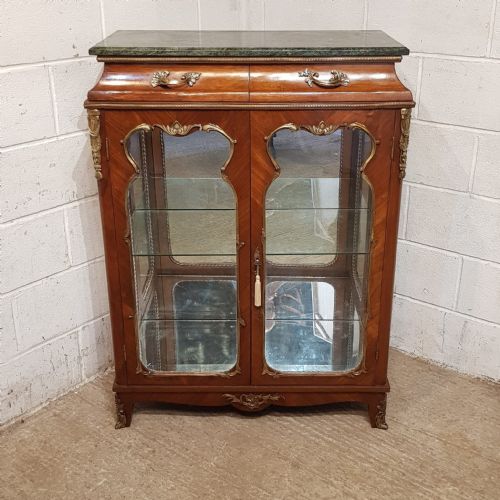
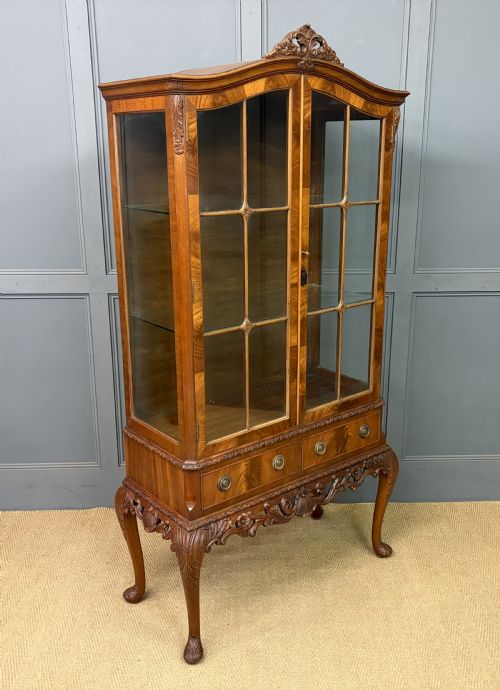
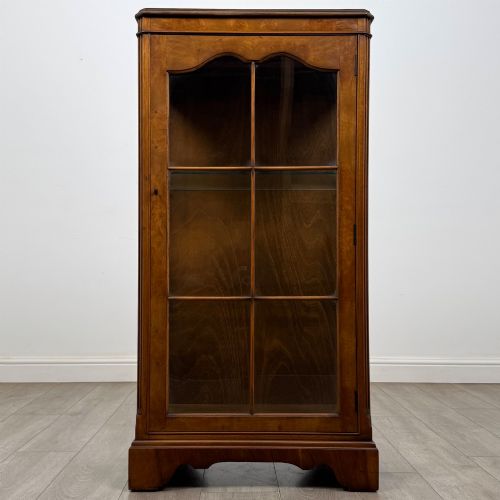
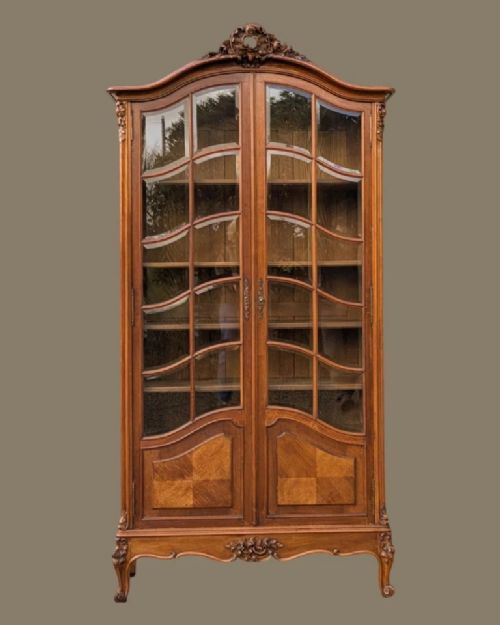
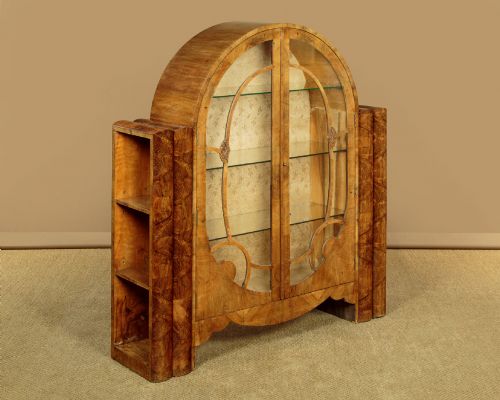
A vintage walnut vitrine provides a designated cabinet for displaying cherished items behind protective glass panels. These pieces span the Edwardian period, 1900, and 1930, capturing both classical revival aesthetics and bold modernist design.
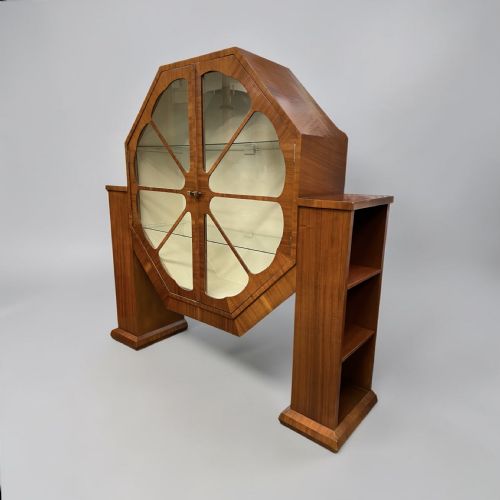
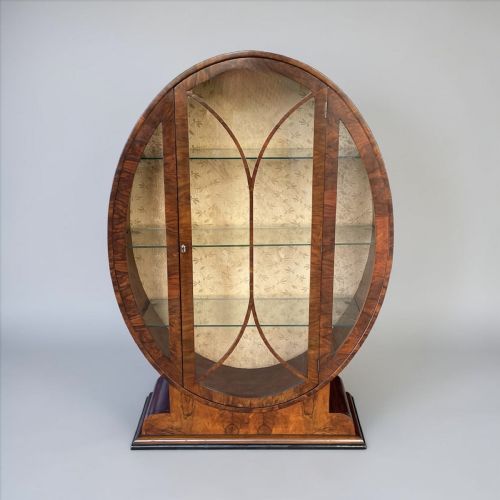
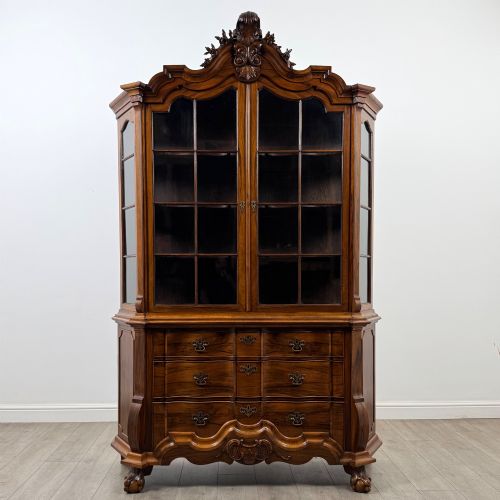
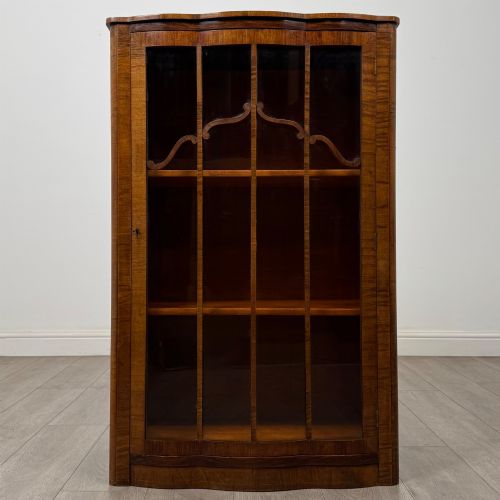
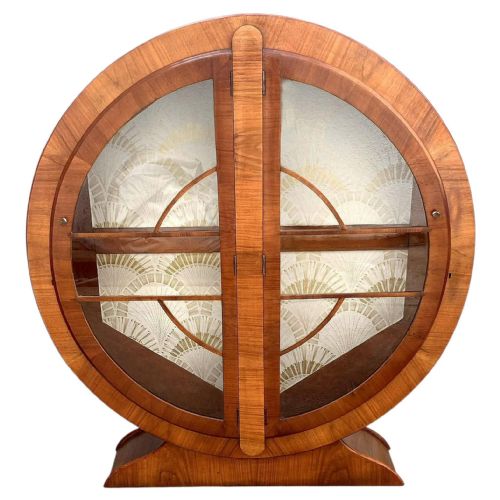
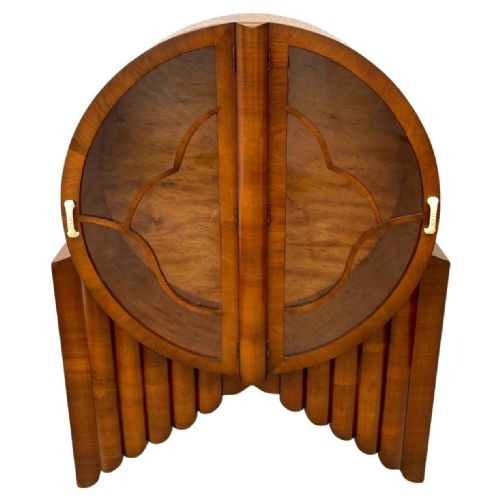
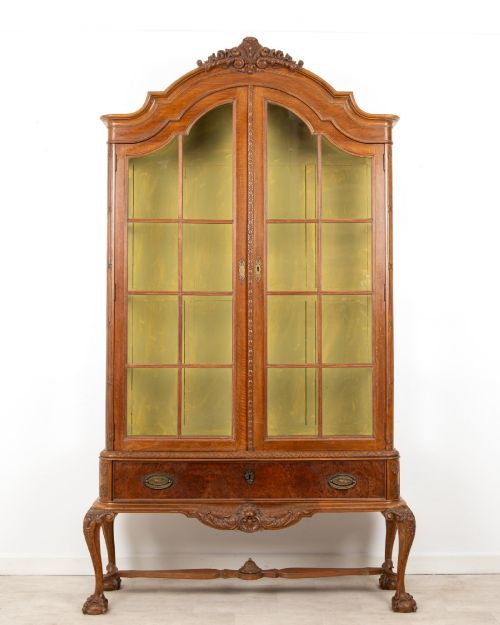
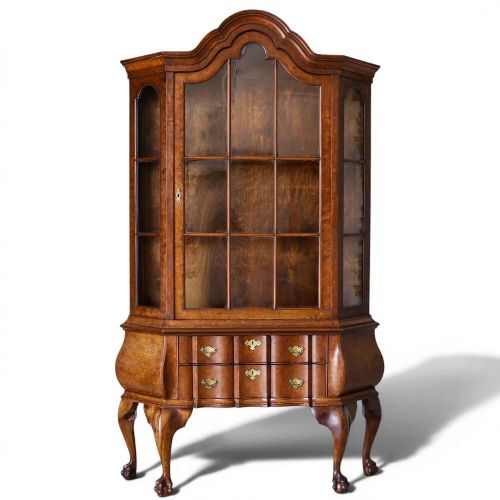
Buyers will most frequently meet pieces attributed to the Art Deco style or the Queen Anne Revival tradition. These display cabinets vary from standard rectangular forms to distinct oval and clove shapes.
Every vintage walnut vitrine serves primarily to elevate domestic display spaces while keeping treasured objects secure from dust. The overarching form remains consistent across eras, relying on glazed doors and visible timber grain to draw the eye.
Materials and construction
Makers utilised solid wood frames enhanced by burr walnut veneer and figured walnut veneers to create striking surface patterns. The natural grain of the walnut takes centre stage across panels and mouldings.
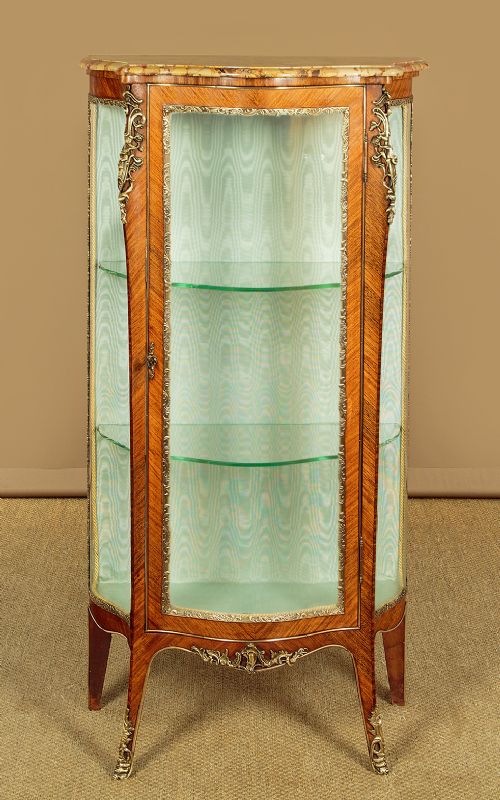
Glass panels are integrated into doors and sides to maximise visibility, supported by brass hardware where appropriate. Selected interiors incorporate fabric linings to provide a soft backdrop for displayed objects.
Retail Price Guide 2026
Typical UK retail prices for vintage walnut vitrine, calculated from the Sellingantiques database of over a million retail prices indexed since 2003. This retail price guide relies exclusively on Sellingantiques data; no external sources or auction records are used, so the figures do not describe the wider market.
Separating the ordinary from the exceptional
Superior examples of a vintage walnut vitrine display exceptional book-matched veneers that demonstrate deliberate pattern placement across the surface. Lesser pieces rely on uniform timber with less dramatic figure.
The sophistication of the silhouette defines the upper tier, seen in unusual geometries like the clove shape or clean Art Deco curves. Standard boxy forms represent the more accessible end of the spectrum.
Rurka
The Vintage Walnut Vitrine Glossary
- Vitrine
- A glass-fronted cabinet designed specifically for the display of fine objects or porcelain. These cases protect contents while offering all-round visibility.
- Burr walnut
- A prized timber harvested from growth deformations on walnut trees, yielding highly decorative swirling patterns. It is typically sliced into veneer for use on prominent cabinet surfaces.
- Figured walnut
- Wood grain possessing an attractive natural pattern, often rippled or mottled, which catches the light. Furniture makers select these boards for exterior doors and drawer fronts.
- Art Deco
- A design movement from the early twentieth century favouring stylised geometry, sleek lines and modern materials. Cabinets from this era often feature rounded corners and streamlined profiles.
- Queen Anne Revival
- A style drawing inspiration from early eighteenth-century English furniture, marked by restrained ornamentation and cabriole influences. Pieces in this tradition lean towards traditional elegance.
Frequently Asked Questions
What is a vintage walnut vitrine?
A vintage walnut vitrine is a glazed display cabinet built from walnut timber, designed to showcase ceramics, glassware, or collectables.
These pieces combine transparent viewing areas with enclosed wooden structures, originating from periods such as the Edwardian era and 1930.
How do I date a vintage walnut vitrine?
Dating relies on stylistic clues, such as the geometric lines of Art Deco pieces from 1930 or the classical revival details found in Edwardian and 1900 examples.
Materials also offer guidance, as figured and burr veneers were utilised differently across these decades.
Where should I place a vintage walnut vitrine?
These cabinets suit dining rooms, living spaces, or hallways where they can anchor a room and hold decorative items safely.
Positioning them away from direct sunlight helps protect the walnut timber and any internal fabric linings from fading.
What styles are available for these cabinets?
The available styles include streamlined Art Deco designs and traditional Queen Anne Revival forms.
Shapes range from simple rectangular display cabinets to oval and clove-shaped silhouettes.