


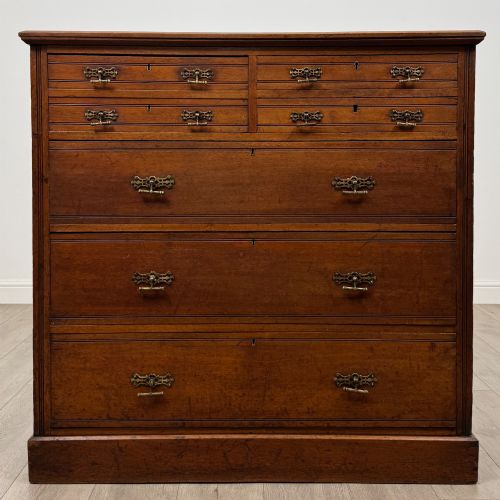
Vintage Walnut Storage Chest
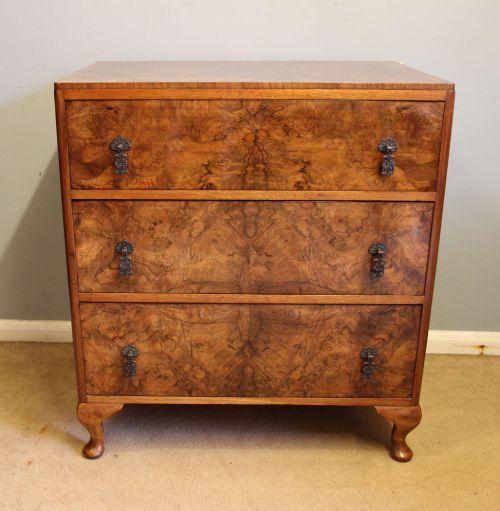
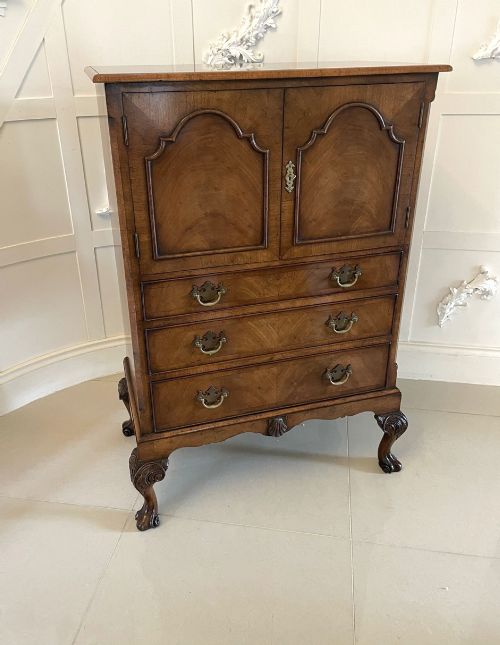
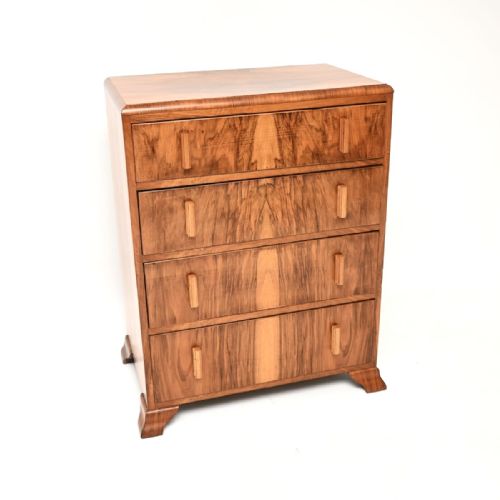
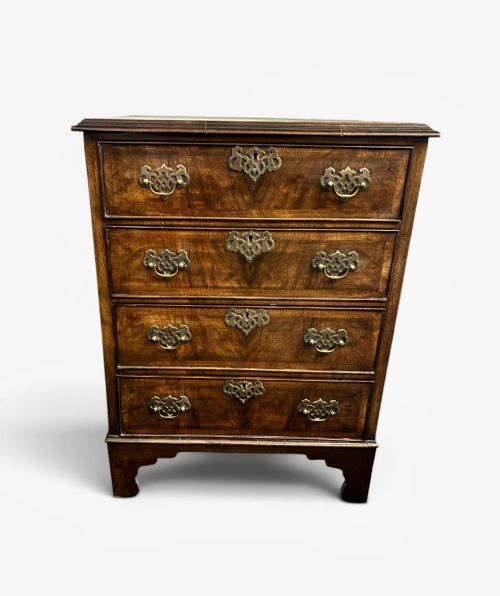
A vintage walnut storage chest brings substantial timber grain and deep domestic utility into a room.

Vintage Walnut Storage Chest
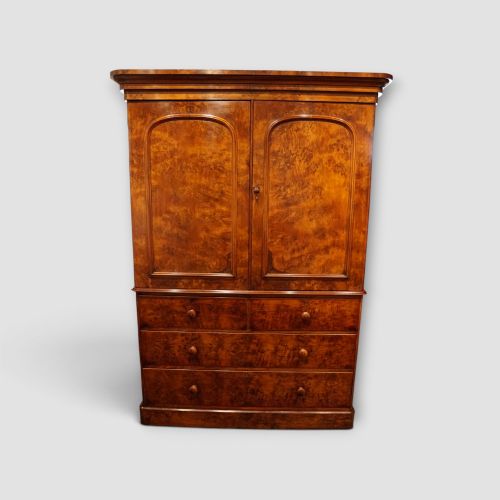
A vintage walnut storage chest encompasses various functional forms designed to hold household goods, ranging from compact bedside units to tallboys and linen presses. Buyers seeking a vintage walnut storage chest frequently encounter pieces originating from the eighteenth century up through the nineteen-thirties, reflecting diverse regional tastes.
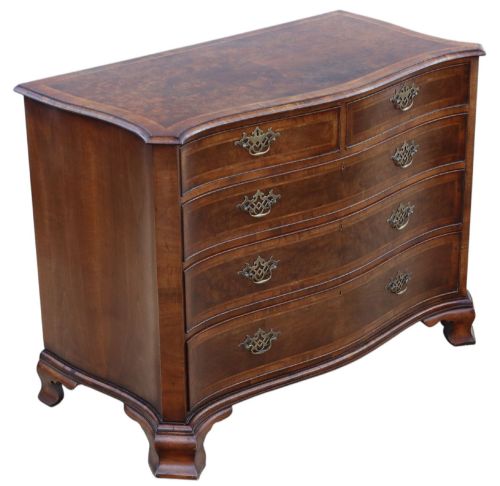
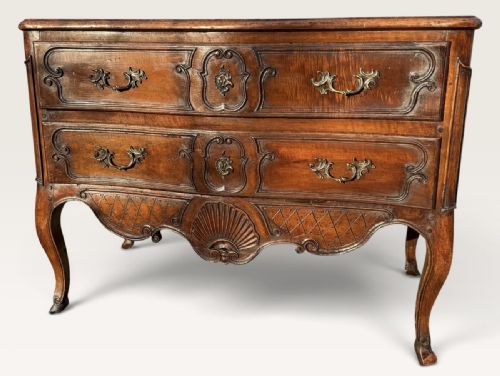
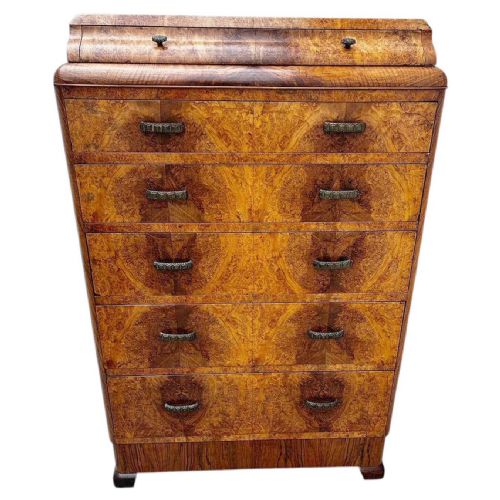
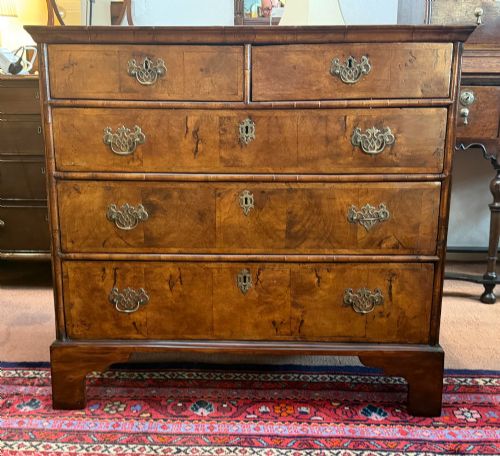
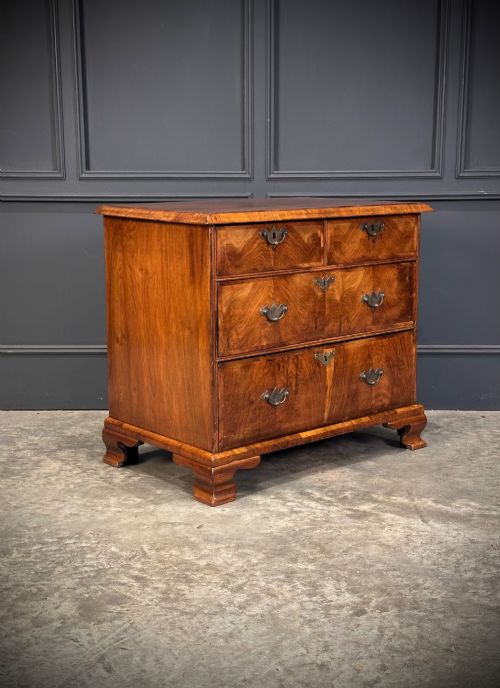
The selection includes serpentine commodes, bow front chests of drawers, and chests on stands spanning Georgian, Victorian, Edwardian, and Art Deco periods. French provincial and Queen Anne styles also appear among the documented items, often incorporating marble tops or elaborate crossbanding.
Makers and workshops from different eras adapted the timber to changing domestic needs, producing tall storage cabinets, music cabinets, and trunks alongside standard drawer configurations. Walnut and burr walnut dominate the structural output, frequently paired with oak or brass details.
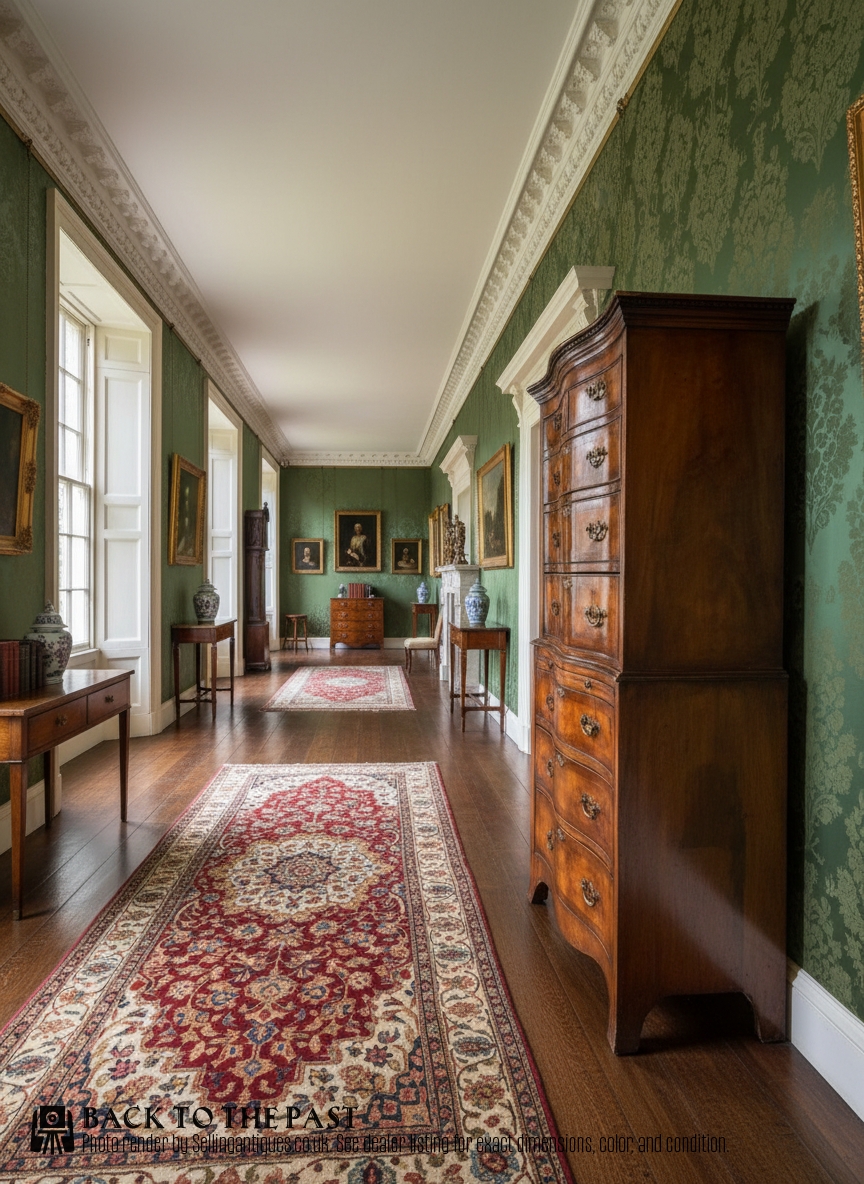
Gradations in Execution
Differences in standard depend heavily on the selection of timber veneers, where highly figured burr walnut or meticulously matched grain patterns elevate the visual presence of a commode or chest. The crispness of crossbanding and the precision of inlaid banding indicate the level of labour invested by the workshop.
Structural integrity relies on the retention of original brass fittings, smooth drawer movement within the carcase, and the stability of marble tops where fitted. Pieces displaying restrained proportion and balanced proportions command greater attention from discerning collectors.
Vintage Walnut Storage Chest Retail Price Guide 2026
Typical asking prices for vintage walnut storage chest among the pieces listed under this phrase on Sellingantiques today, from the lower quarter to the upper quarter. They describe what is for sale here now, not the wider market.
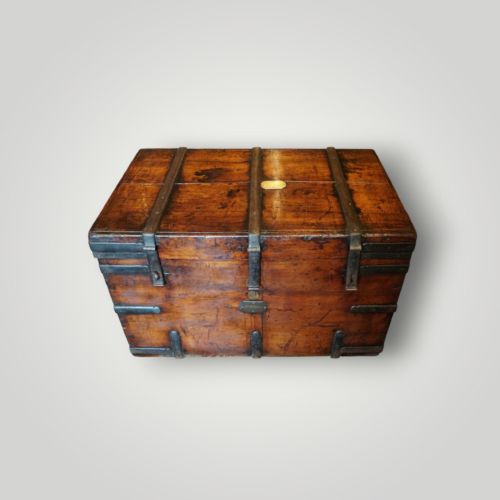
One exceptional Georgian trunk carries iron banding and belonged to a Waterloo Commissary General named Sir Randolph Isham Routh KCB.
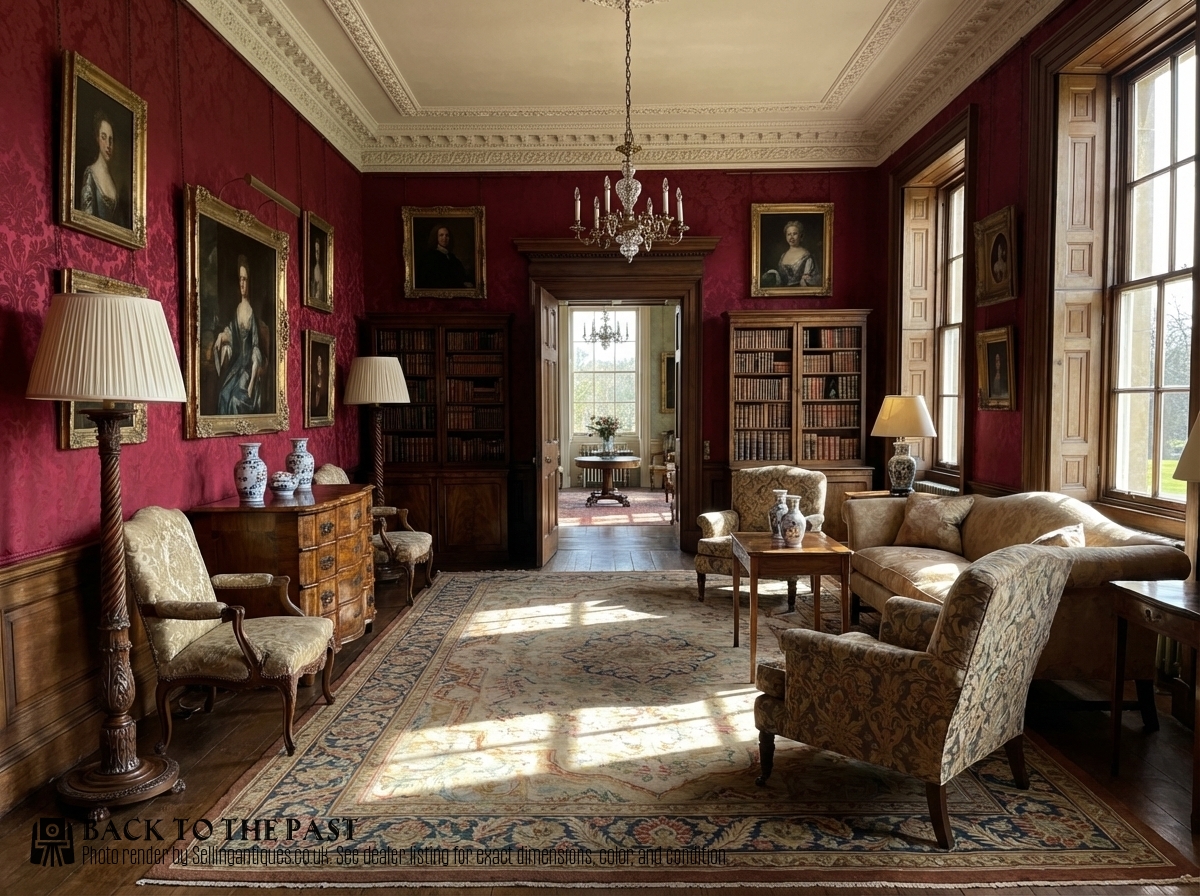
Jas Shoolbred
The Vintage Walnut Storage Chest Glossary
- Burr walnut
- A specialised timber cut from the abnormal growth or burl of a walnut tree, yielding swirling grain patterns prized for decorative veneer work. It is frequently applied to drawer fronts and top surfaces of formal storage pieces.
- Serpentine
- A front profile shaped with a convex centre flanked by concave curves, creating a gentle undulating wave. This contour requires precise woodworking skill and is often found on eighteenth-century and Art Deco commodes.
- Commode
- A low cabinet or chest of drawers designed for domestic storage, often fitted with a marble top on French examples. The term generally denotes a decorative chest rather than a simple utilitarian box.
- Crossbanding
- A narrow strip of veneer laid perpendicular to the grain of the main surface, framing the panel. It provides a neat border that accentuates the central wood selection.
- Tallboy
- A tall chest of drawers consisting of one chest stacked upon another, maximising vertical storage capacity. These pieces gained popularity during the eighteenth century and continued into later revivals.
Vintage Walnut Storage Chest: Frequently Asked Questions
What periods do these chests cover?
The available selection spans from the eighteenth century through Georgian, Victorian, and Edwardian eras up to nineteen-thirties Art Deco designs.
Craftsmen across these centuries utilised walnut solids and veneers in distinct regional styles, including French commodes and English drawer chests.
How do burr walnut and figured walnut differ?
Burr walnut comes from knotty tree growths that produce chaotic, highly decorative swirling patterns across the wood. Figured walnut displays distinct, attractive grain lines without the swirling burl formation.
Both timber types were sliced into thin veneers for decorative furniture fronts.
Are marble tops original to these chests?
Marble tops appear frequently on nineteenth-century French commodes and specific continental storage pieces. These stone slabs provided durable, wipe-clean surfaces for washing utensils or displaying objects.
Grey and rouge marble varieties are recorded among the listings.
How were these chests used historically?
Bedrooms and dressing rooms utilised these pieces to store linens, clothing, and personal items away from dust. Tallboys and linen presses offered segmented compartments for organised household storage.
Smaller cabinets served specialised functions like sheet music storage or bedside containment.
What is a chest on stand?
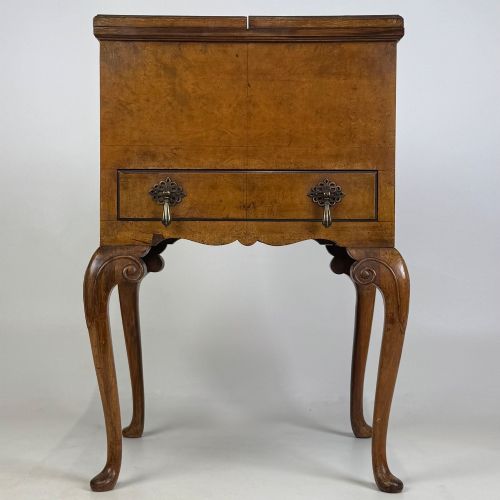
A chest on stand pairs a primary drawer section elevated on an open leg frame rather than resting directly on the floor. This configuration lightens the visual weight of the storage unit.
Such forms emerged during earlier centuries to keep contents away from damp floors.