


Vintage Walnut Sofa
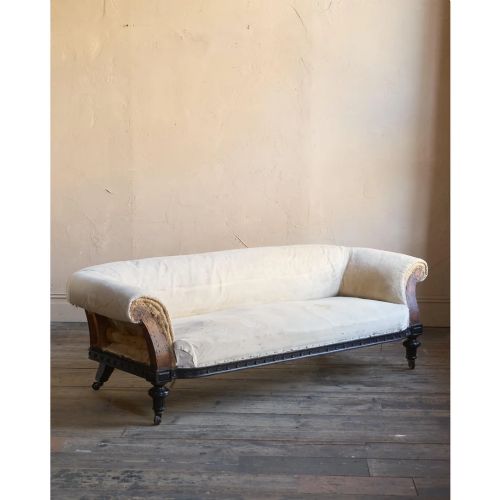
A vintage walnut sofa brings rich timber grain and classic form into a room, spanning periods from the eighteenth century to Art Deco designs.

Vintage Walnut Sofa
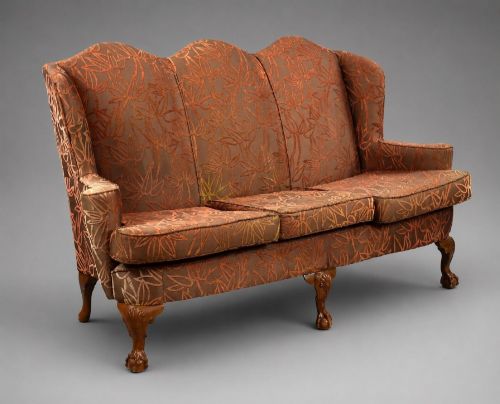
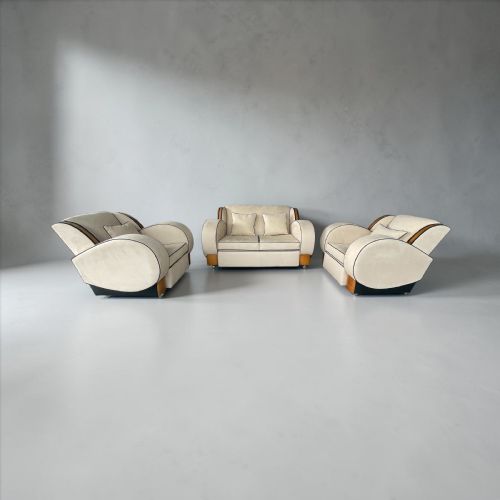
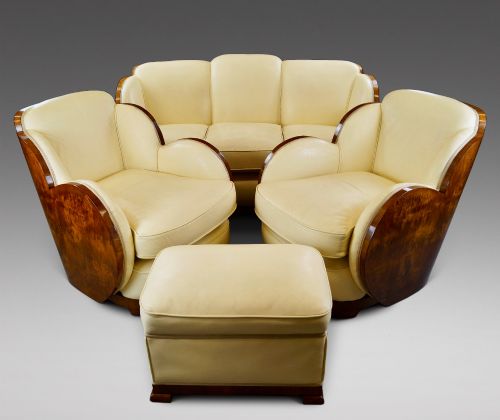
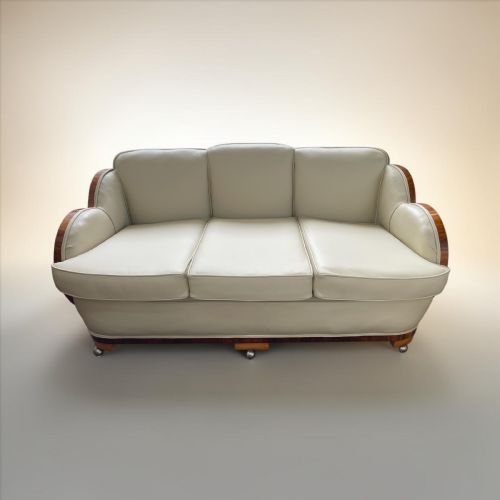
When you search for a vintage walnut sofa, you encounter seating built from rich timbers across the nineteenth and twentieth centuries. These pieces appear in forms ranging from Queen Anne style revivals to Art Deco cloud suites.
The selections span distinct periods, including Victorian, Edwardian, and nineteen-thirties designs. Alongside traditional settees, you find daybeds, lounge suites, and French caned day pieces.
Makers and designers from history influence these objects, with styles drawing on Louis traditions and English revival aesthetics. Upholstery covers fabric, leather, velvet, and textile surfaces.
What varies in quality
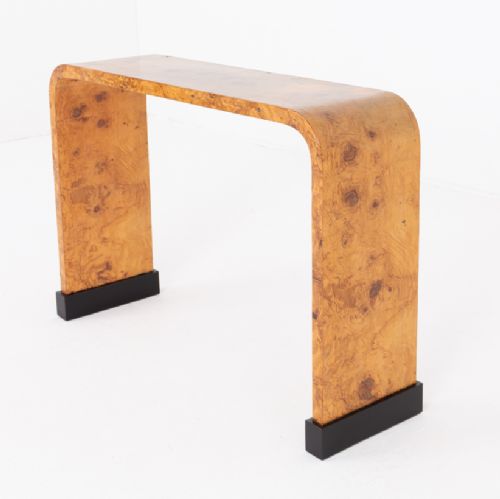
The execution of the timber veneer and the depth of the carving determine the distinction between standard and superior pieces. Figured and burr walnut surfaces demand precise cabinet-making skills.
Frame stability and the integrity of the original upholstery materials dictate the standing of an item. Pieces bearing attribution to known makers display finer joinery and more ambitious silhouettes.
Listings feature walnut furniture spanning from the eighteenth century through the Victorian and Edwardian eras into Art Deco designs.
Hille·Epstein·Harry and Lou Epstein·Howard and Sons·Gilbert Rohde
The Vintage Walnut Sofa Glossary
- Burr walnut
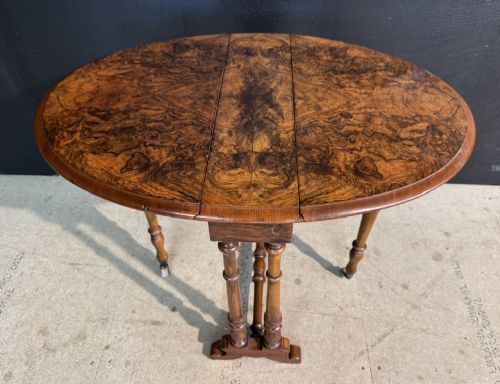
- A veneer taken from the knotted growth of a walnut tree, prized for its swirling grain pattern. It adorns the surfaces of high-end tables and seating frames.
- Bergere
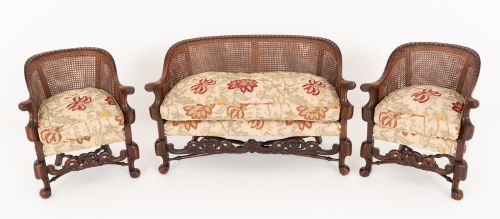
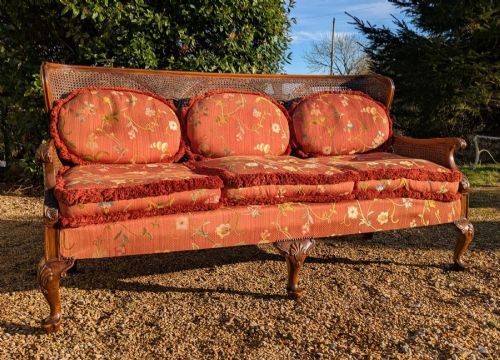
- An enclosed upholstered armchair or sofa with wooden framing and cane panels. The style originated in France and remains popular in revival forms.
- Cloud suite
- An Art Deco seating group characterised by rounded, padded upholstery forms. These pieces often pair walnut elements with leather or velvet covers.
- Caned
- A technique where woven rattan strips form the back or seat panels of a frame. It lightens the visual weight of walnut seating.
- Queen Anne style
- A design aesthetic featuring curved cabriole legs and pad feet. Walnut served as the primary timber for this tradition.
Vintage Walnut Sofa: Frequently Asked Questions
How do I identify a vintage walnut sofa?
Examine the timber grain on the exposed frame surfaces for the characteristic warmth and figure of walnut. Check the structural form against known Victorian, Edwardian, or Art Deco styles.
Look for construction methods appropriate to the period, such as turned legs or carved rails. Attribution marks or maker stamps sometimes appear on the underside of the frame.
Are bergere sofas comfortable?
Bergere sofas combine a rigid wooden frame and cane panels with loose or fitted cushions. The cane provides structural support while the cushions supply the seating comfort.
Feather fillings often accompany these pieces to enhance the softness of the seat. Their ergonomic shape supports upright sitting rather than deep lounging.
How should I care for walnut wood?
Maintain walnut frames by keeping them away from direct sunlight and excessive heat sources. This prevents the timber and veneer from drying out or splitting.
Dust the wood regularly with a dry cloth and apply suitable furniture polish sparingly. Avoid placing damp items directly onto the wooden surfaces.