



Padded Arm Settee
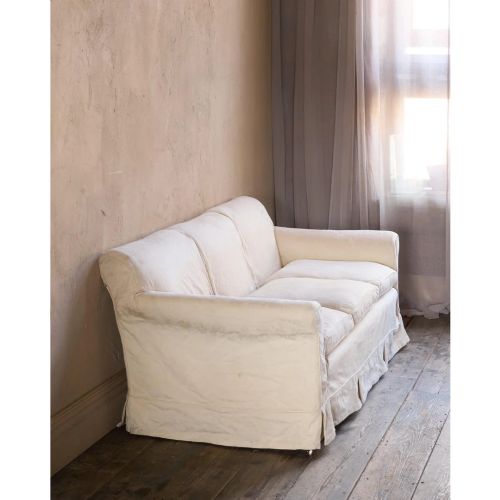
A padded arm settee offers deep seating and sprung comfort, bringing traditional character and seating capacity to any room.
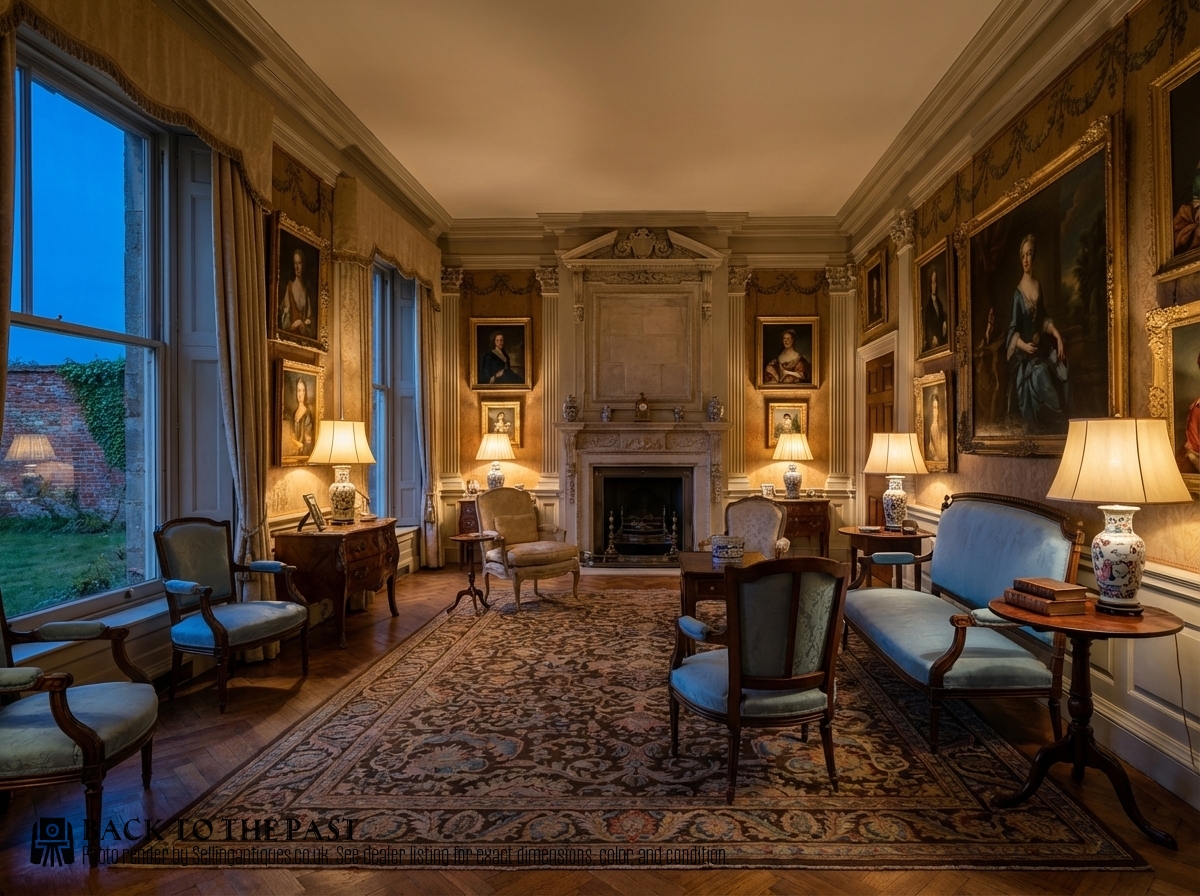
Padded Arm Settee
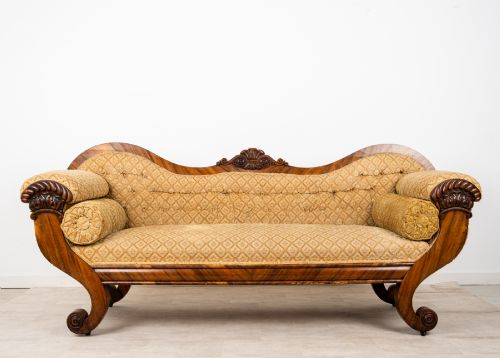
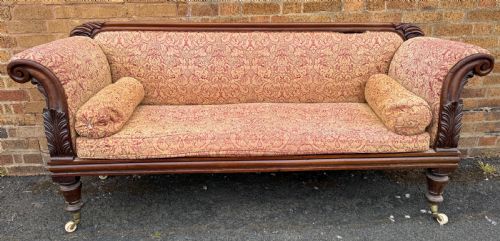
A padded arm settee covers various forms of upholstered seating from the nineteenth century through the Edwardian era, including two-seater and three-seater configurations. These pieces frequently appear in styles such as Victorian, William IV, Edwardian, and French Rococo Revival.
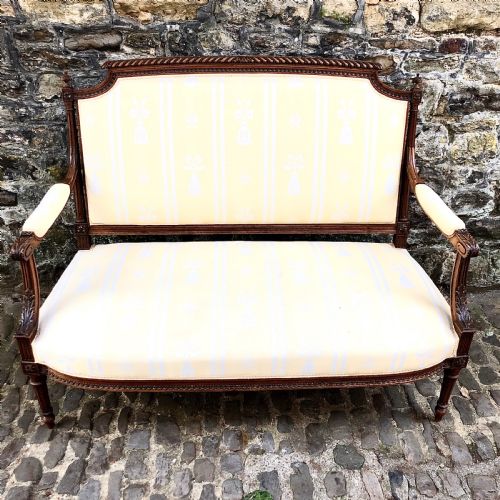
Buyers encounter frameworks ranging from walnut and mahogany to rosewood and gilt finishes. Many examples incorporate scroll ends, carved details, or inlay work, alongside country house and Howard style influences.
The selection includes specialised forms like hall seats and end of bed sofas alongside traditional parlor seating. Originating across British and continental workshops, each piece displays the distinct design characteristics of its period.

How they were made
Frames are constructed from solid hardwoods including mahogany, walnut, and rosewood, often featuring hand-carved scroll ends or structural woodwork. Inlaid decoration is applied to timber surfaces on specific Victorian and Edwardian examples.
Upholstery techniques involve traditional stuffing and springs covered in materials such as velvet, fabric upholstery, and standard fabrics. Brass fittings appear on select models to accent the timber and frame construction.
One compact model is specifically designated as an end of bed sofa.
What varies in quality
The refinement of timber carving and the precision of inlaid details separate standard framing from exceptional craftsmanship. Sculpted scroll ends and solid walnut or rosewood structures indicate higher workshop standards.
The choice of covering material, from standard fabric to rich velvet and specialised upholstery, influences the tactile presence of the seating. Frame integrity and the complexity of the upholstered padded arms determine the overall execution of the settee.
The Padded Arm Settee Glossary
- Scroll end
- A term for the outward-curving wooden or upholstered terminal of a settee arm. This shape defines many nineteenth-century designs.
- Inlay
- A decorative technique where contrasting woods are inserted into the primary timber surface. It appears on late nineteenth-century and Edwardian frames.
- Upholstery
- The padded and covered components of the seating structure. It involves springs, stuffing, and outer fabric layers.
- Open arm
- A chair or settee arm design featuring exposed woodwork rather than fully padded construction. Walnut frames frequently utilise this open format.
Padded Arm Settee: Frequently Asked Questions
What is a padded arm settee?
A padded arm settee is an upholstered seating piece designed for multiple occupants, featuring cushioned armrests. These items span various historical periods and stylistic traditions.
They serve as functional seating and decorative furnishings in living spaces, halls, and bedrooms across different interior schemes.
How do I date a settee?
Dating relies on identifying stylistic markers, timber choices, and construction methods associated with periods like the Victorian era or Edwardian times. Details such as scroll arms and inlay work provide key chronological clues.
Comparing the woodwork and upholstery style against documented examples from the same era helps narrow down the decade of production.
Where were these settees used?
Historically, these settees furnished the principal rooms of country houses, parlors, and grand reception halls. Specific variations like hall seats were placed in entrance areas.
Today, they integrate well into modern living rooms and studies, providing both historic charm and practical seating capacity.
What woods are common?
Mahogany, walnut, and rosewood are the primary hardwoods found in the frames of these antique settees. Cabinetmakers selected these timbers for their strength and grain visual appeal.
Some examples also feature gilt frames or inlaid decorative elements to enhance the visual presentation of the timber.