



Vintage Walnut Clock
A vintage walnut clock brings deep grain and precise mechanical movement into a room, offering both history and utility.
Vintage Walnut Clock
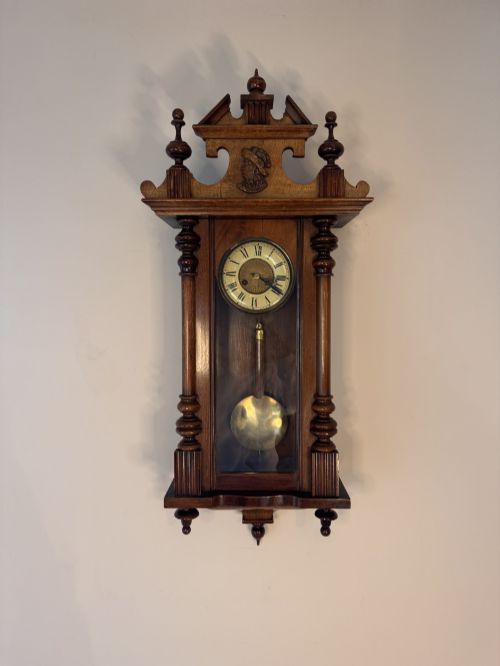
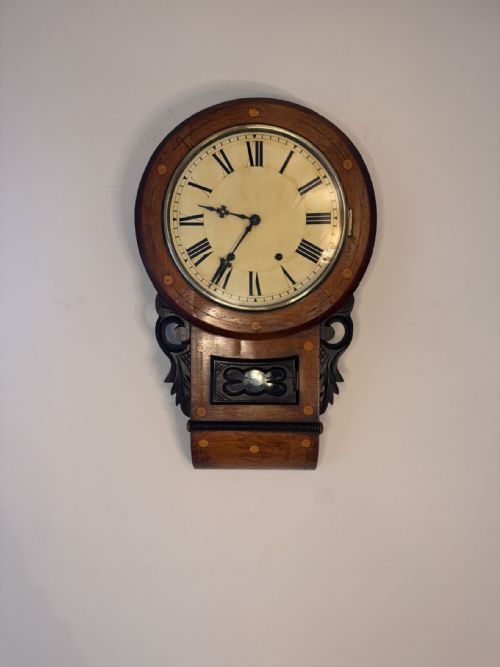
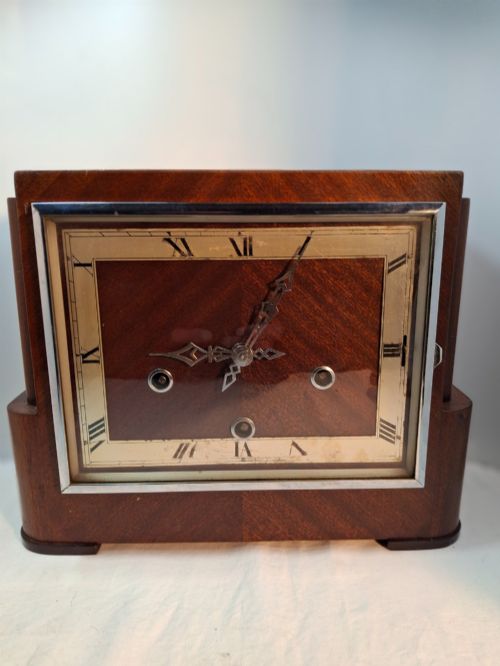
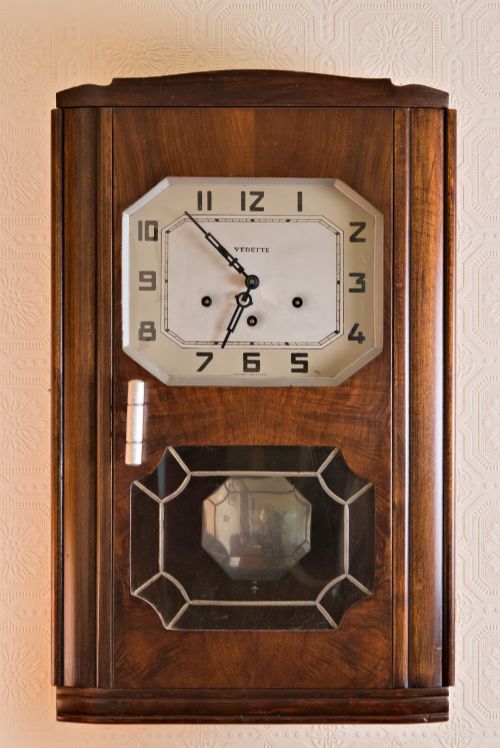
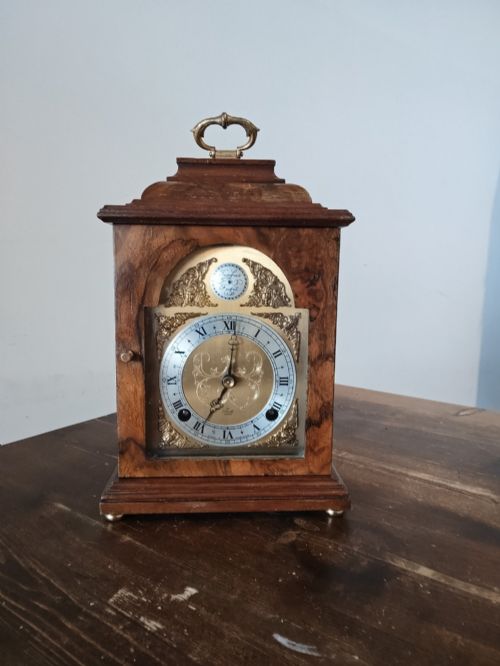
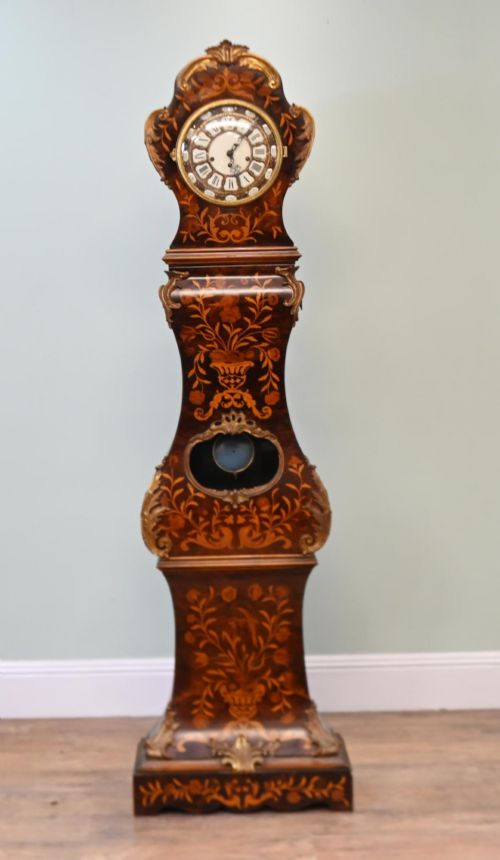
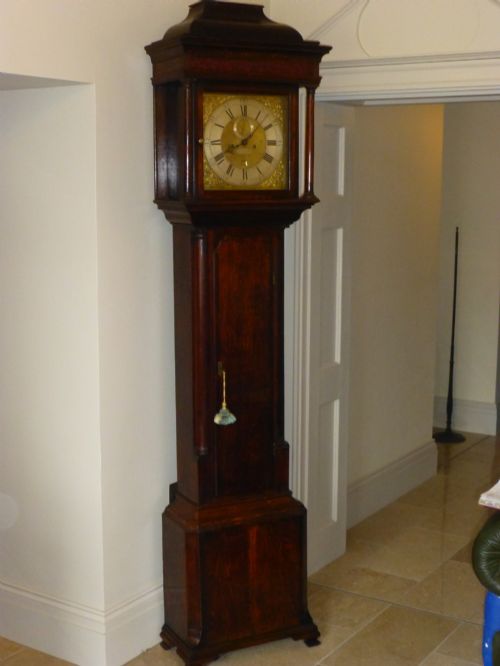
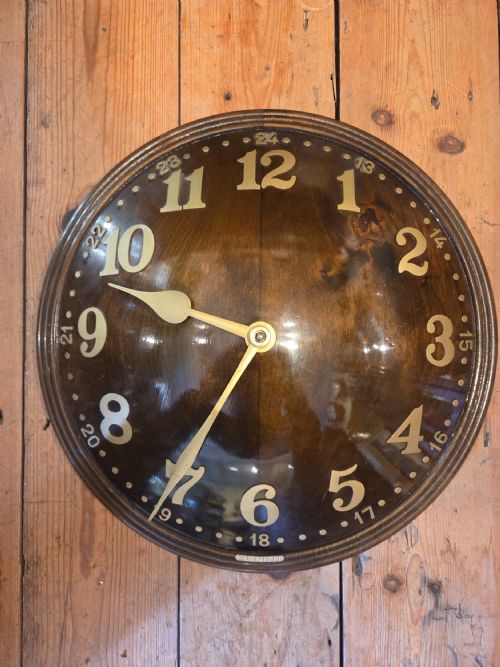
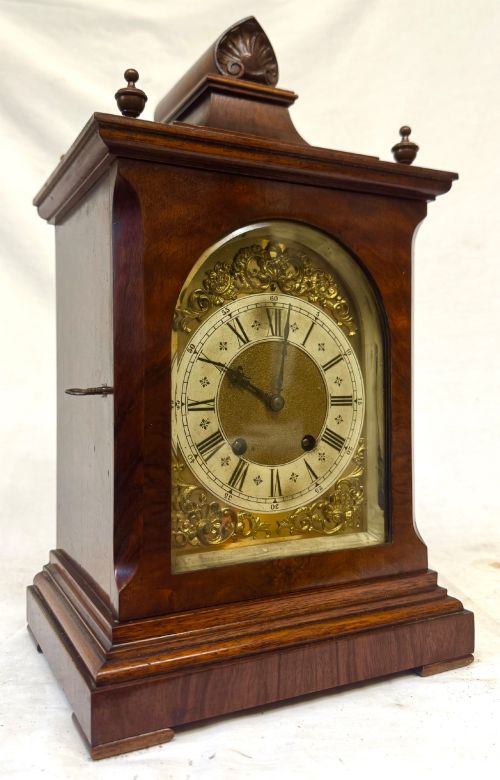
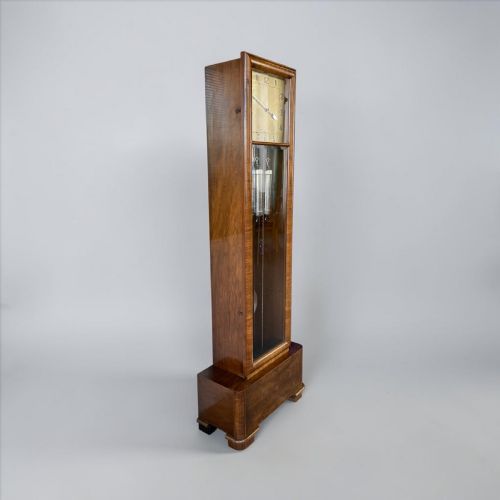
A vintage walnut clock encompasses everything from tall longcase and grandfather pieces to compact mantel, wall, and desk timepieces produced across the nineteenth and twentieth centuries. The selection on this page leans heavily toward twentieth-century mantel and grandmother clocks alongside earlier Victorian and Georgian floor models.
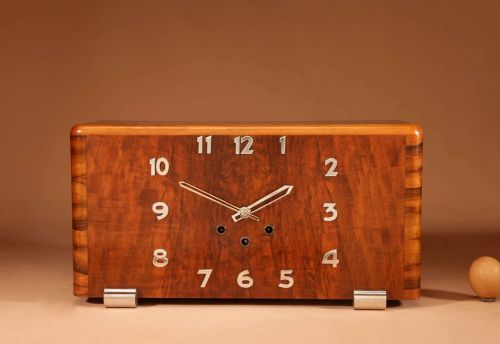
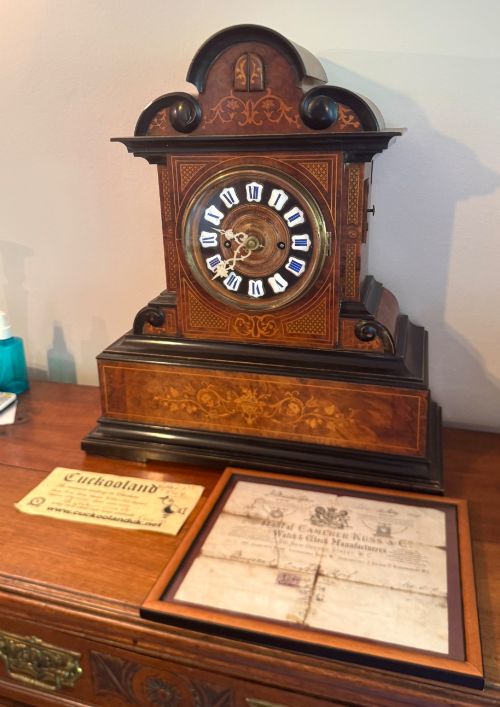
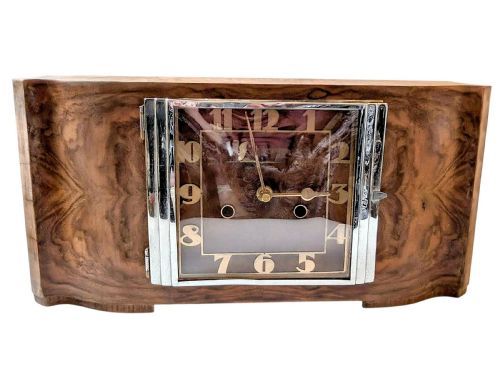
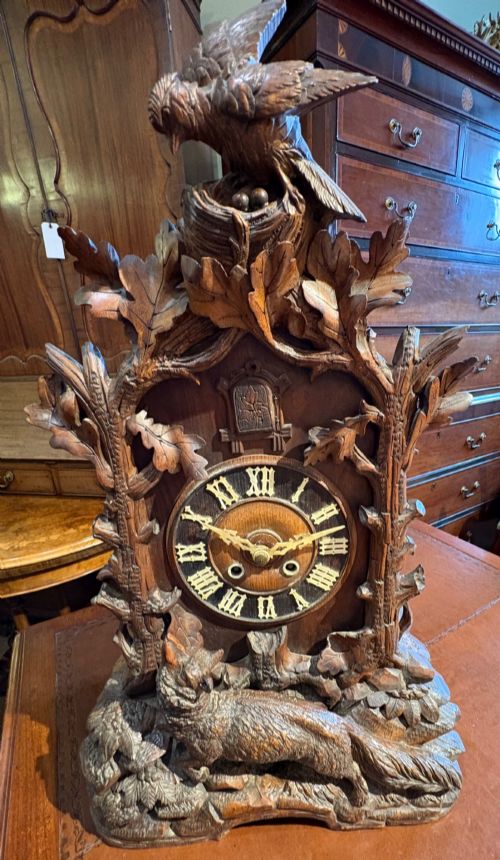
Makers and workshops utilise plain walnut, figured veneers, and burr walnut to create casings in styles ranging from Victorian and Edwardian to Art Deco and Black Forest. Buyers encounter standing, wall-hanging, and shelf-resting designs equipped with various striking movements, chimes, and visible dials.
Forms vary from modest bracket clocks to tall musical longcase designs, demonstrating how walnut timber adapted to changing interior fashions over successive centuries.
Materials and Construction
Cabinetmakers constructed the bodies using solid walnut or applied figured and burr walnut veneers over secondary timbers such as oak, pairing the warm wood tones with brass dials, bezels, and glass panels.
Movements incorporate brass gears, enamel or metal dials, and occasionally chrome details in later Art Deco pieces, driven by weights, springs, or pendulums.
Vintage Walnut Clock Retail Price Guide 2026
Typical asking prices for vintage walnut clock among the pieces listed under this phrase on Sellingantiques today, from the lower quarter to the upper quarter. They describe what is for sale here now, not the wider market.
The listings span from the seventeenth century through to the mid-twentieth century, featuring oak, brass, glass, and burr walnut across multiple styles.
Assessing Quality and Craftsmanship
The standard of a piece rests upon the selection and matching of the walnut veneer, the crispness of any carved detailing or marquetry inlay, and the complexity of the interior mechanism.
Clocks featuring signed movements by established makers or intricate musical and striking complications sit at the upper end of the scale, whilst simpler time-only pieces represent more modest production.
Mappin and Webb·Walker and Hall·Elliott·H Haller
The Vintage Walnut Clock Glossary
- Burr walnut
- A prized veneer taken from the growth burls of the walnut tree, showing swirling, organic patterns.
- Grandmother clock
- A slender, scaled-down version of a longcase clock, standing shorter than a traditional grandfather clock.
- Bracket clock
- A portable mantel clock, originally designed to sit on a wall bracket.
- Skeletonised
- A design exposing the internal mechanical movement of the clock or barometer through a transparent or open dial.
- Carillon
- A set of bells tuned to play a melody, often found in chiming mantel and wall clocks.
Vintage Walnut Clock: Frequently Asked Questions
How do I wind a mechanical walnut clock?
Most spring-driven models require a key inserted into the dial holes to gently tighten the mainsprings, whilst weight-driven longcase pieces require pulling the chains or winding cords to raise the hanging weights.
Care must be taken not to over-wind the mechanism, stopping as soon as resistance is met to protect the internal gears.
Where should I place a longcase clock?
Tall floor clocks require a stable, dry interior wall away from direct sunlight, central heating vents, and damp exterior surfaces to protect the timber casing and wood movement.
Positioning the case on a level floor ensures the pendulum swings evenly and the clock keeps accurate time.
What is the difference between a mantel and a bracket clock?
Historically, bracket clocks were built with a handle and intended to rest upon wall-mounted shelves, whereas mantel clocks were designed specifically to sit flat on a fireplace shelf or sideboard.
Over time the terms became interchangeable, though both describe portable tabletop timepieces housed in decorative wooden cases.
How do I date an antique walnut clock?
Dating relies on examining the casework style, such as Victorian carving or Art Deco geometric lines, alongside any maker signatures, dial materials, and movement signatures.
Consulting the specific construction methods and wood types used in the chassis helps narrow down the period of manufacture.