

Vintage Wall Consoles
Vintage wall consoles unite practical hall furniture with ornate architectural display, bringing surface space and sculptural presence to compact spaces.
Vintage Wall Consoles
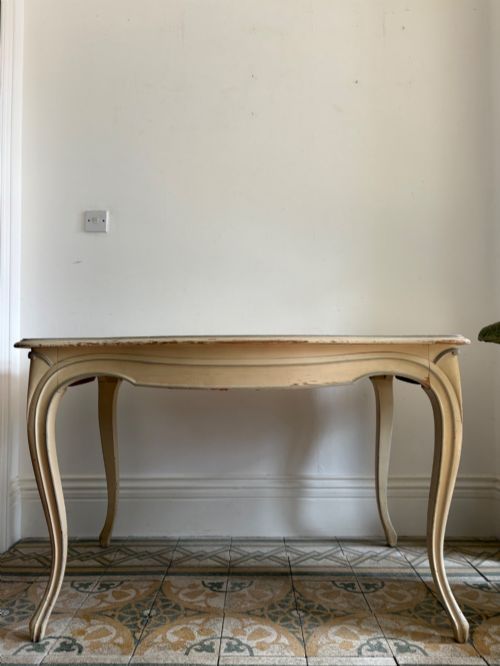
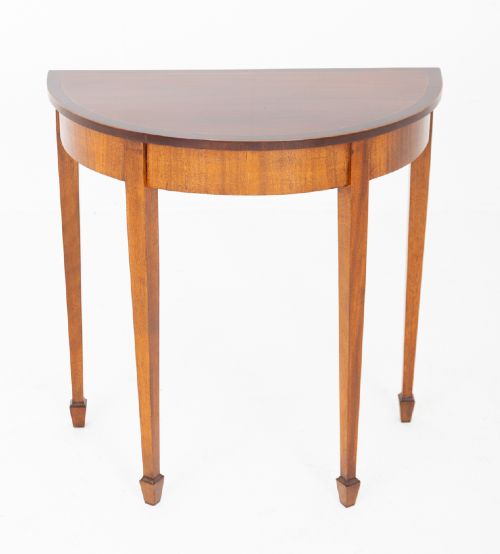
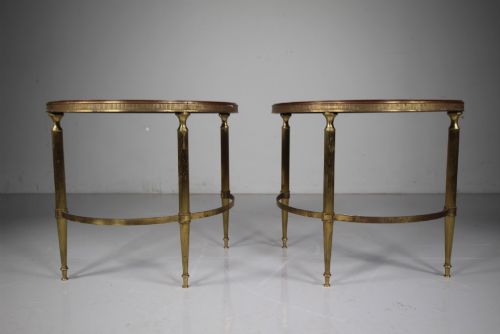
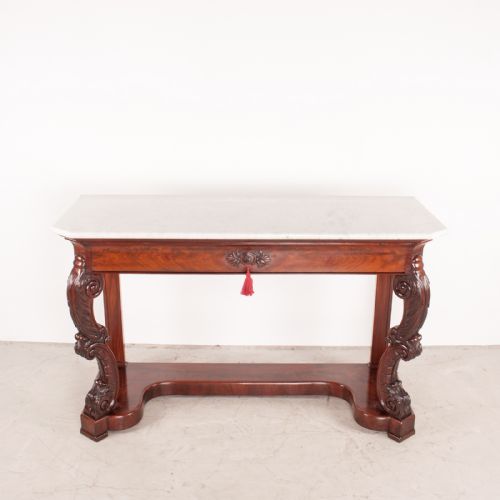
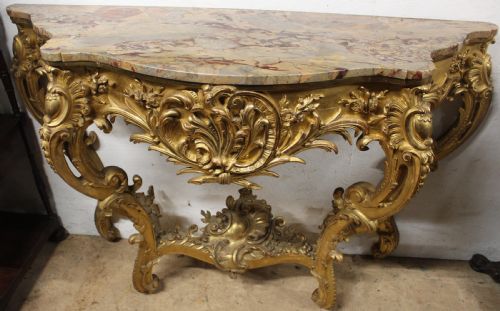
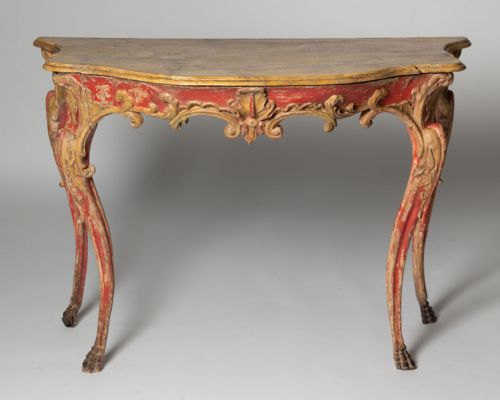
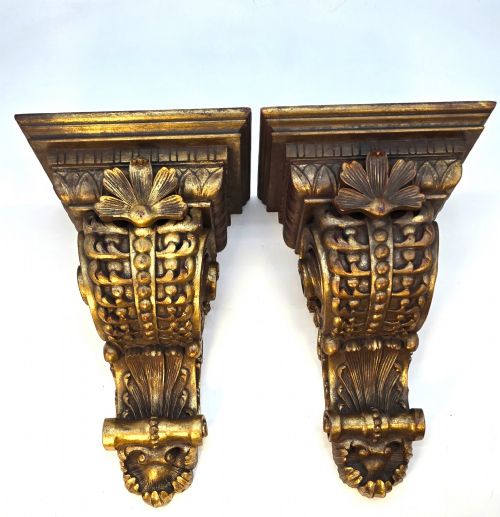
Vintage wall consoles encompass a diverse range of space-saving tables and architectural supports designed to sit flush against a room's vertical surface. When exploring vintage wall consoles, buyers frequently encounter demi-lune hall tables, carved wooden wall brackets, and stone-topped ledges originating from the eighteenth to the twentieth centuries.
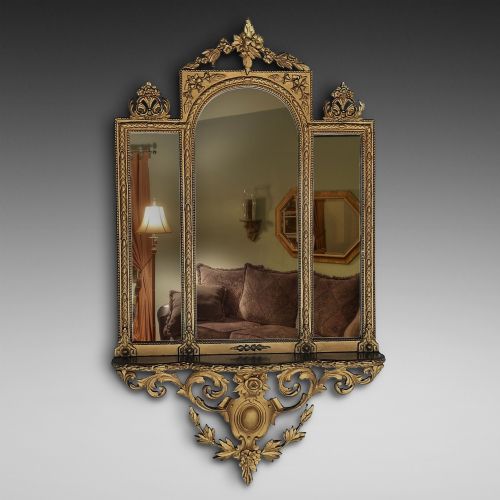
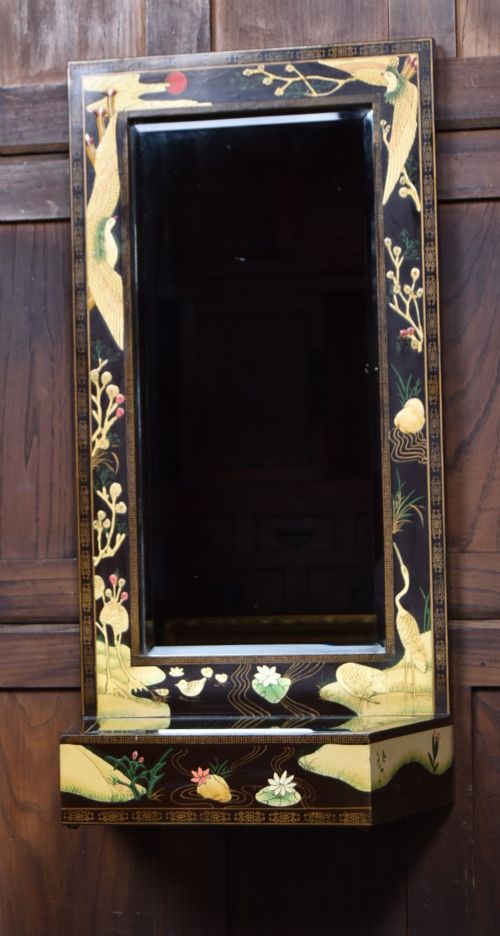
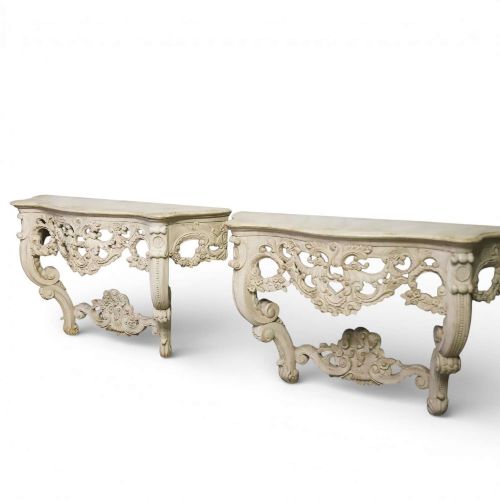
The selections span distinct regional aesthetics, particularly French provincial interpretations, Italian rococo giltwood, and sturdy English mahogany or oak pieces. Many designs incorporate matching wall mirrors or utilise a semi-circular footprint to fit neatly into narrow hallways and intimate drawing rooms.
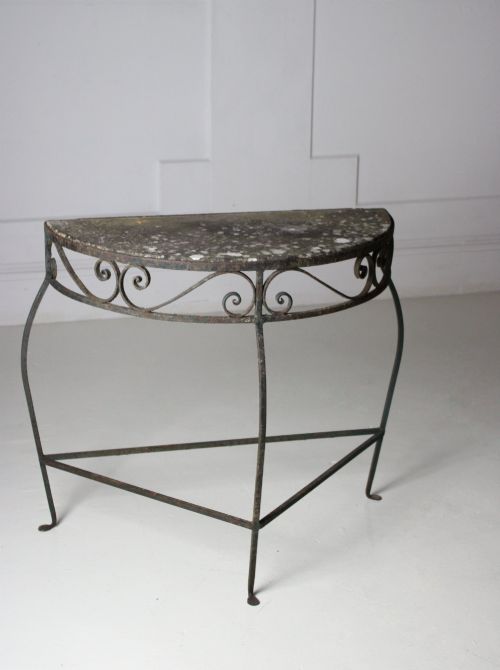
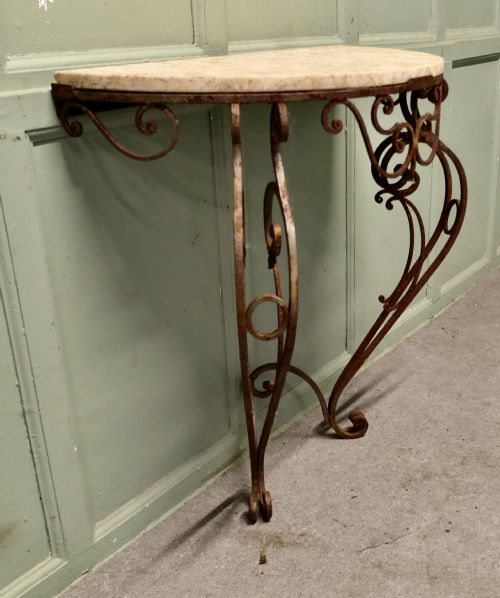
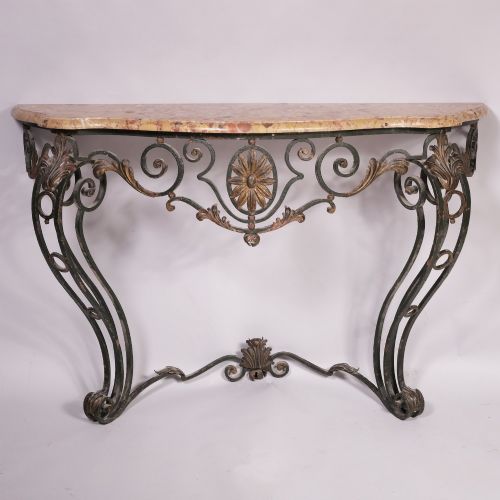
Forms vary from robust wrought iron frames fitted with cool marble slabs to delicate hand-carved wooden brackets designed to display ornamental objects. These items serve the dual purpose of surface utility and decorative wall anchoring, reflecting the domestic habits of past periods.
Materials and Construction Methods
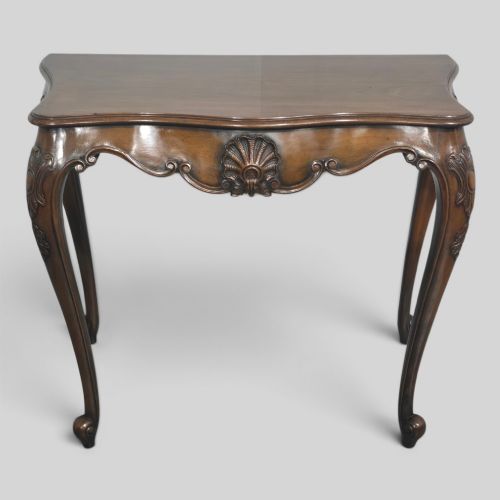
Cabinetmakers and artisans utilised dense hardwoods such as mahogany, walnut, and oak, often shaping them into curved demi-lune profiles or supporting them with cabriole legs. Surface decoration frequently involved applied gesso, intricate hand-carving, or rich giltwood leaf applied to wooden structures.
Heavy slabs of marble or inset suede provide durable, contrasting table surfaces on iron, brass, or wooden bases. Wrought iron and cast brass also appear regularly, lending structural rigidity and industrial or neoclassical contrast to stone-topped ledges.
Painted finishes in cream, antique white, or dark tones seal the timber beneath, sometimes paired with inlaid veneers like satinwood or burr walnut. These varied techniques allow the structural integrity of the wall-mounted or leg-supported frame to sustain heavy stone and decorative ornaments.
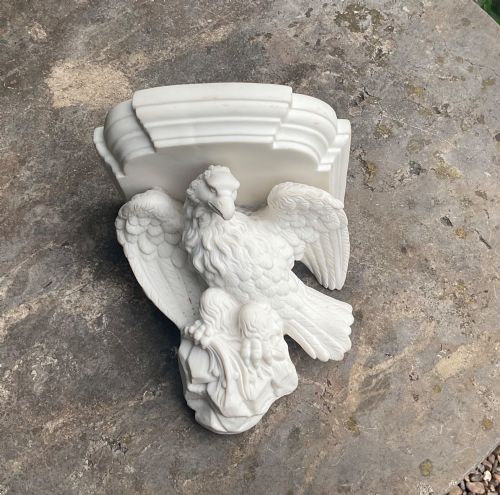
Parian eagle wall brackets stand ready to hold your spectacles after a long day of reading nineteenth-century literature.
Markers of Superior Craftsmanship
Excellence in these objects rests upon the crispness of the hand-carving and the depth of the gilding applied over gesso grounds. Superior examples display fluid, confident lines in serpentine wooden frames and tight, precise joints in the underlying timber construction.
The selection of materials dictates the upper tier of the range, visible in thick, well-veined marble slabs and finely figured burr walnut or satinwood veneers. Artisanal execution is evident where decorative elements remain sharp and balanced rather than heavy or indistinct.
Proportion and structural stability separate standard joinery from masterwork production, ensuring that wall brackets and console legs bear weight securely while maintaining artistic grace. Original painted surfaces or patinated giltwood retain a depth that mechanical finishing fails to replicate.
Epstein and Co·Maple and Co
The Vintage Wall Consoles Glossary
- Demi-Lune
- A half-moon shape characteristic of tables designed to stand flat against a wall. This profile maximises floor clearance in narrow hallways.
- Giltwood
- Timber coated with gold leaf over a prepared gesso layer. It defines ornate mirrors and console frames from continental and English traditions.
- Gesso
- A plaster-like mixture applied to wood surfaces to create a smooth base for carving or gilding. It allows intricate relief ornamentation on frames and brackets.
- Console Table
- A table supported by wall brackets or front legs, designed to fit flush against a vertical surface. They frequently carry heavy marble tops.
- Wall Bracket
- A projecting architectural shelf attached directly to a wall for displaying objects. They are frequently carved from wood or cast in porcelain.
- Serpentine
- A gently undulating line curving inward and outward across the front edge of a table top. This contour demands advanced woodworking skill.
Vintage Wall Consoles: Frequently Asked Questions
How do I secure a wall console?
Wall consoles and brackets require sturdy fixings into structural masonry or timber studs to bear the weight of heavy stone tops. Many designs combine wall-mounting brackets with floor-resting legs for balanced support.
Professional installation ensures the piece remains flush against the plaster without shifting under load. Secure anchoring protects both the vintage timber frame and any decorative objects placed upon the surface.
Where should I place a wall console?
These pieces excel in narrow entryways, hallways, and landings where floor space is restricted but surface area is needed. Placing a console beneath a matching wall mirror creates a balanced focal point in a dining room or reception space.
Their shallow depth allows them to function in corridors without obstructing foot traffic. They also provide practical display ledges in living rooms for lighting and ornaments.
How do I clean marble top consoles?
Stone surfaces require gentle wiping with a damp cloth and mild, neutral soap to preserve the polished finish. Avoid acidic cleaners and abrasive scouring pads that etch or dull the natural marble.
Regular dusting of carved wooden frames and giltwood prevents grime from settling into intricate crevices. Careful maintenance protects the original patina developed over decades of use.
What is the difference between a console and a side table?
Console tables are specifically designed to stand flat against a wall, frequently relying on wall fixtures or front legs for support. Side tables are free-standing items meant to be viewed from multiple angles within a room.
Consoles often feature demi-lune or rectangular tops engineered to maximise wall space. Side tables maintain four independent legs and a finished back suitable for open placement.