




Antique Wall Corbel
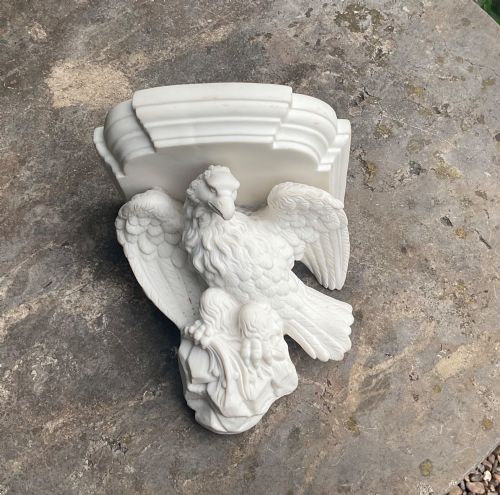
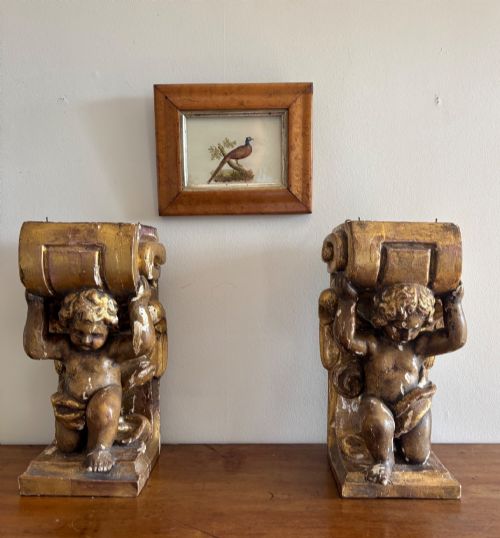
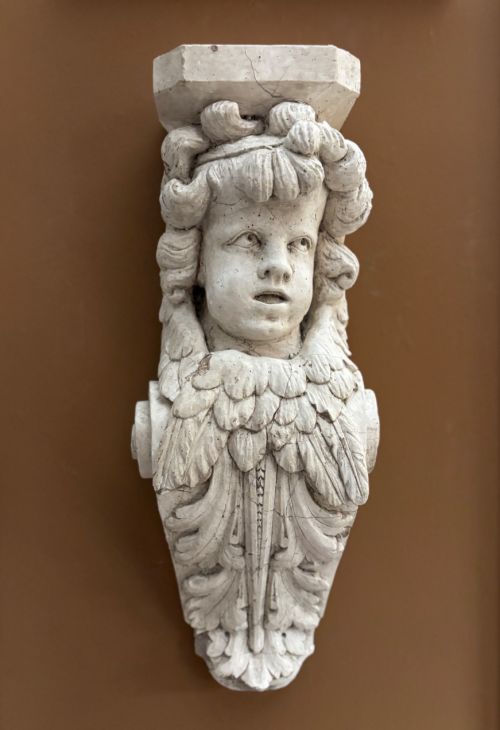
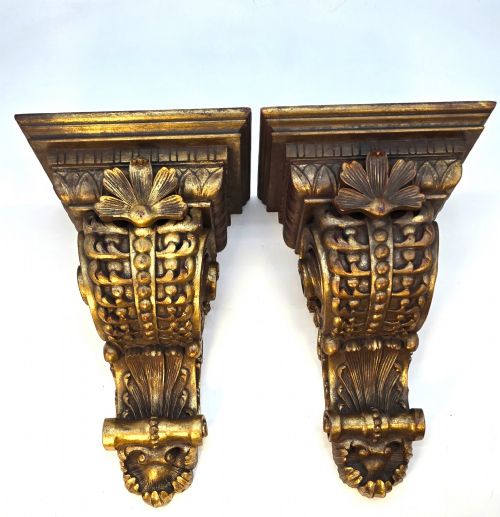
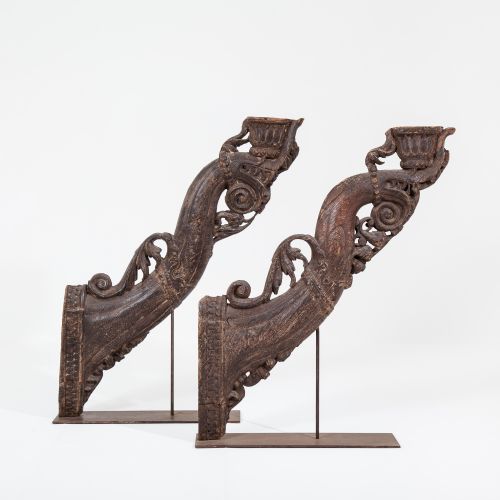
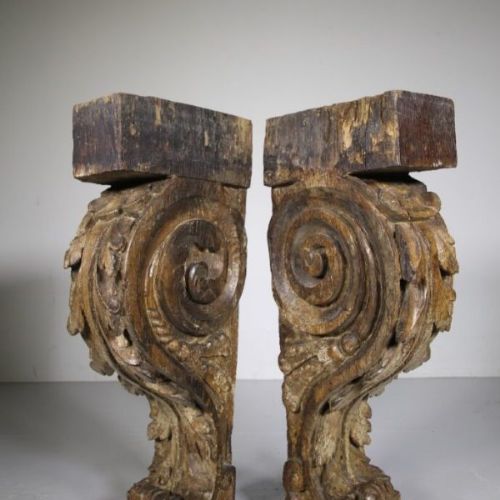
These antique wall corbel examples bring heavy structural stone, carved oak, and gilded wood directly onto vertical surfaces.
Antique Wall Corbel
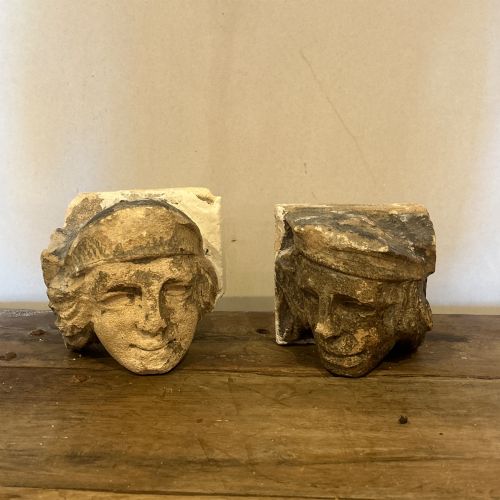
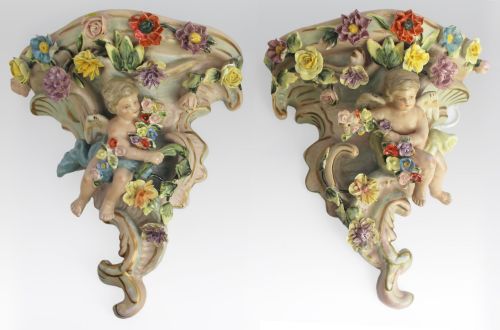
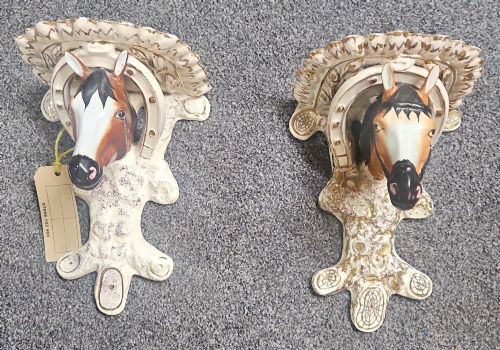
An antique wall corbel provides architectural support or display space, originating as stone or timber projections built into masonry to bear heavy loads. On this page, those structural elements appear alongside decorative wall brackets, architectural fragments, and console shelves designed to carry busts, clocks, or porcelain.
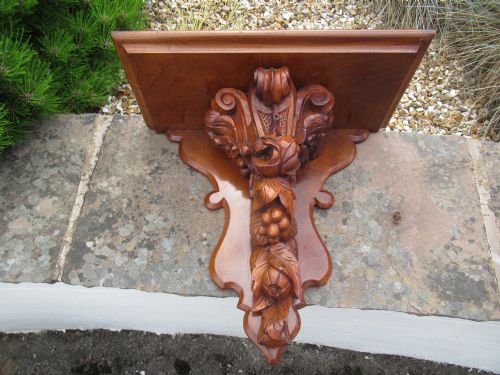
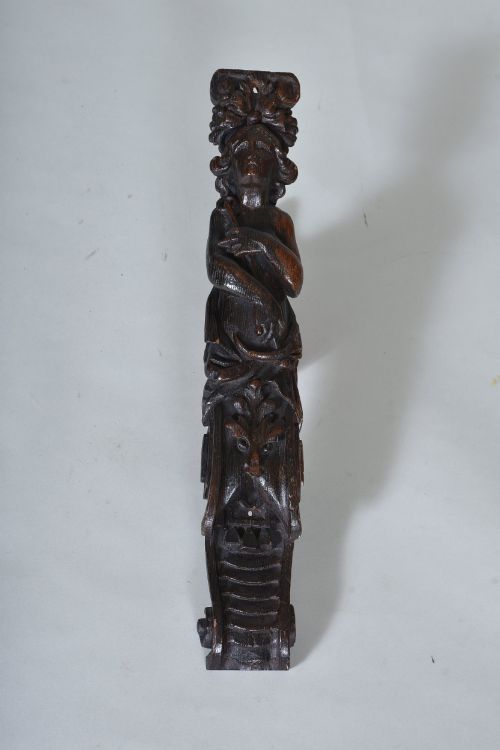
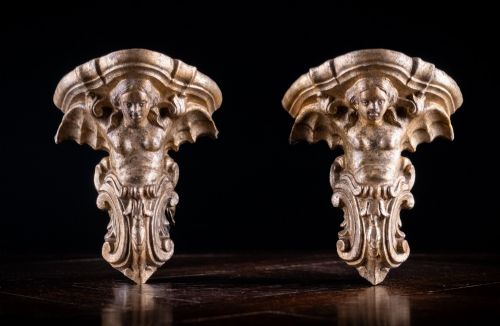
The selections span from medieval limestone and seventeenth-century carved oak fragments to nineteenth-century walnut brackets, giltwood carvings, and nineteenth-century porcelain and terracotta forms. Buyers encounter single pieces as well as matched pairs suited for flanking mirrors or fireplaces.
Stylistic influences range widely, covering Rococo Revival curves, Baroque motifs, Neoclassical symmetry, and Gothic ecclesiastical carvings. Pieces surface in walnut, pine, oak, limestone, cast iron, and painted wrought iron.
What varies in quality
Depth and sharpness of the hand carving separate standard production work from master craftsmanship, particularly where human figures, cherubs, or acanthus leaves emerge from the wood or stone. Crisp undercut details demonstrate superior skill compared to soft, rounded moulding.
Integrity of the original surface finish, whether intact gilding on gesso or aged patination on raw oak, dictates the visual authority of the piece. Later overpainting or stripped timber alters the historical weight of the object.
A nineteenth-century master carver named Luigi Frullini signed a piece depicting the devil, reminding us that woodcarvers enjoyed dark subjects.
Luigi Frullini·Minton·Meissen
The Antique Wall Corbel Glossary
- Corbel
- A structural projection of stone, wood, or metal built into a wall to support weight above it. In domestic settings, these often transitioned into purely decorative brackets.
- Giltwood
- Timber treated with gesso and covered in thin gold leaf. This surface treatment reflects candle or natural light in formal interiors.
- Architectural fragment
- A surviving portion of a larger dismantled building or ruin. These pieces retain historical tool marks and weathering from their original exterior or interior context.
- Putto
- A plump, naked child figure often depicted in Renaissance and Revival art. Sculptors rendered these winged or unwinged figures in wood, stone, and porcelain.
- Capital
- The uppermost member of a column or pilaster. These architectural elements frequently appear adapted into decorative wall brackets.
Antique Wall Corbel: Frequently Asked Questions
How were antique wall corbels originally used?
Builders used stone and timber corbels to support heavy ceiling beams, roof timbers, or projecting balconies in medieval and early modern architecture.
Over subsequent centuries, the form was adapted into smaller wooden and ceramic brackets designed to display clocks, porcelain figures, and portrait busts indoors.
Are these pieces strong enough to hold heavy items?
Solid oak, stone, and cast iron brackets possess substantial load-bearing capacity if properly anchored to structural wall studs or masonry.
Lighter plaster, terracotta, and elaborately carved giltwood items are primarily decorative or suited for modest display weights.
How do I date an antique wall corbel?
Dating relies on identifying the primary material, tool marks left by saws and chisels, and the prevailing artistic style of the carving.
Revival pieces from the nineteenth century often mimic seventeenth-century Baroque or medieval Gothic motifs, requiring close inspection of timber shrinkage and surface wear.
Can I hang wall brackets on drywall?
Hanging heavy wooden or stone brackets requires direct fastening into wall studs or solid brickwork using appropriate heavy-duty fixings.
Lighter porcelain or iron shelf brackets may use heavy wall anchors depending on the total weight they need to support.