

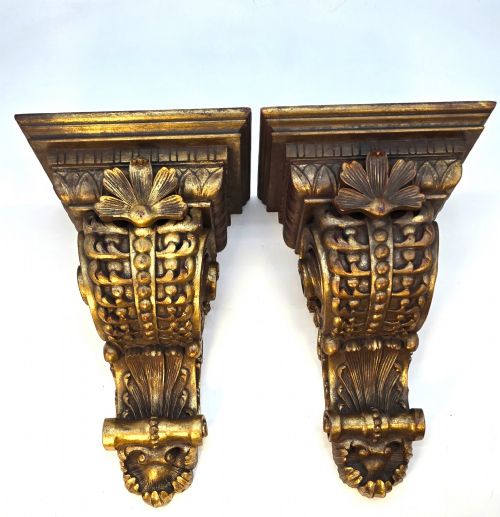


Carved Wood Console Bracket
A carved wood console bracket provides sturdy architectural support while serving as an ornate display surface on any wall.
Carved Wood Console Bracket
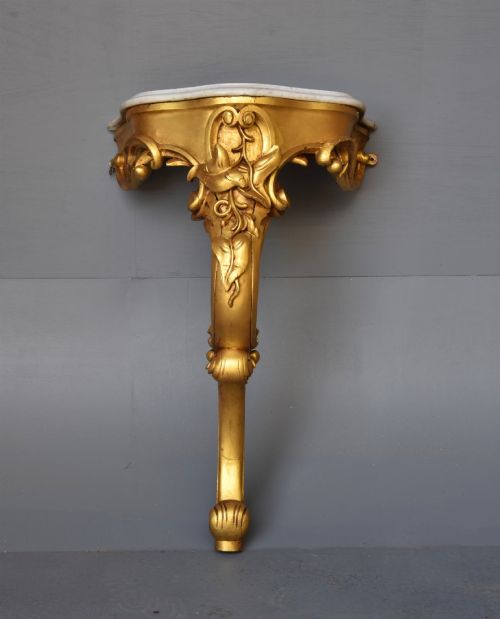
A carved wood console bracket is typically encountered as a decorative wall bracket, shelf, or console table element designed to project outward from vertical surfaces. The items on this page span the 17th through the 20th centuries, including Victorian and earlier periods.
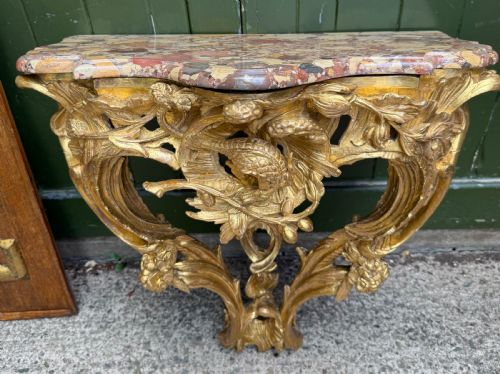
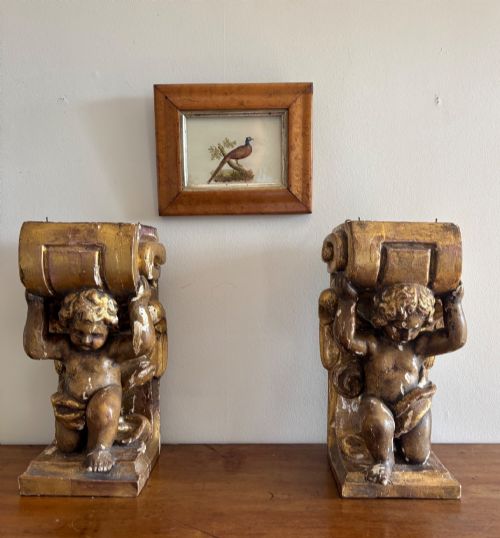
Forms range from simple wall brackets and corbels to elaborate console tables with marble tops, giltwood finishes, and mirrors. Many examples originate from Italian, French, and Anglo-Indian workshops, reflecting distinct regional design histories.
Materials and construction methods
Construction relies heavily on carved solid woods such as walnut, rosewood, and general timber frameworks, which are then shaped into intricate scrolls, figures, and architectural motifs.
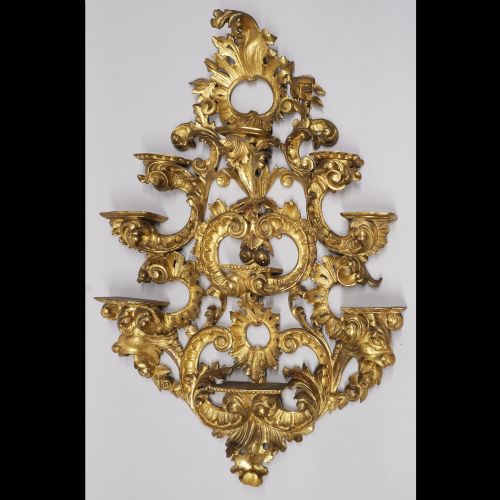
Surface treatments frequently incorporate gesso applied over wood before receiving layers of gold leaf or giltwood, alongside painted and polished finishes.
Listings feature items spanning the 17th, 18th, and 19th centuries, alongside pieces from the 1920s and 1930s.
Distinguishing craftsmanship and finish
Quality is determined by the depth and precision of the hand-carving, particularly in figurative elements such as cherubs or complex foliage where finer execution yields greater definition.
The integrity and application of the original gilding, gesso, and marble tops distinguish superior examples from standard production pieces.
Luigi Frullini
The Carved Wood Console Bracket Glossary
- Giltwood
- Wood that has been coated with thin gold leaf or gold paint. This finish creates a luminous reflective surface common on decorative brackets.
- Gesso
- A plaster-like mixture applied to wood surfaces to prepare them for gilding or painting. It allows carvers to achieve sharp relief details.
- Corbel
- A structural piece of stone, wood, or metal jutting from a wall to carry a superincumbent weight. In these listings, they function as decorative wall brackets.
- Console
- A bracket or table supported by brackets fixed to a wall. These items often feature integrated shelves or marble tops.
- Rococo Revival
- A 19th-century style inspired by the 18th-century Rococo movement, characterised by asymmetrical scrollwork and natural motifs.
Carved Wood Console Bracket: Frequently Asked Questions
How were console brackets used historically?
Historically, console brackets supported heavy architectural elements, busts, or decorative vases in grand interiors. They were mounted directly to masonry or wood-panelled walls to create ornamental display space without floor-standing furniture.
Over time, smaller domestic versions emerged to hold clocks, candlesticks, or porcelain collections in sitting rooms and hallways.
What is the difference between a bracket and a console table?
A bracket is a wall-mounted support projection designed primarily to hold a small shelf or decorative object. It relies entirely on the wall for stability.
In contrast, a console table includes a tabletop surface and often incorporates front legs alongside wall-mounting brackets for added structural support.
How do I identify Italian styles from French designs?
Italian carved brackets often display heavier Baroque and Neoclassical influences, utilising deep, robust scrolling and rich gilding. Their forms tend to emphasise strong architectural presence and classical proportions.
French designs, particularly those in the Rococo style, lean toward lighter asymmetry, organic curves, and elaborate giltwood or painted finishes.
How should I care for a giltwood bracket?
Giltwood surfaces require gentle dusting with a soft, dry cloth to prevent abrasion of the delicate gold leaf layer. Moisture and harsh chemical cleaners must be avoided entirely to preserve the underlying gesso.
Placement away from direct sunlight and heat sources ensures the wood substrate remains stable and prevents the finish from cracking over time.