





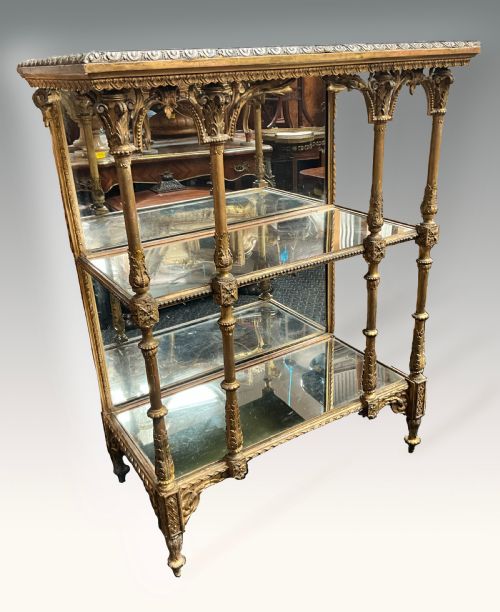


Victorian Giltwood Shelf
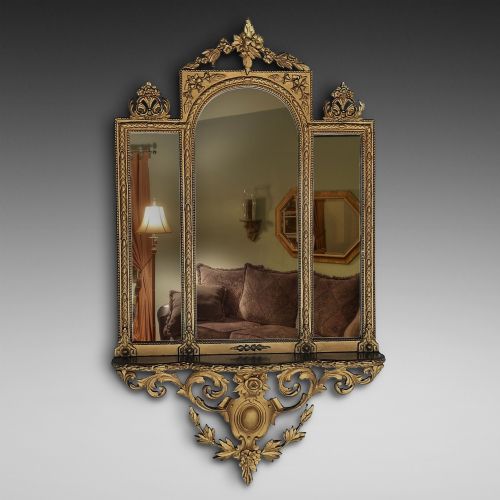
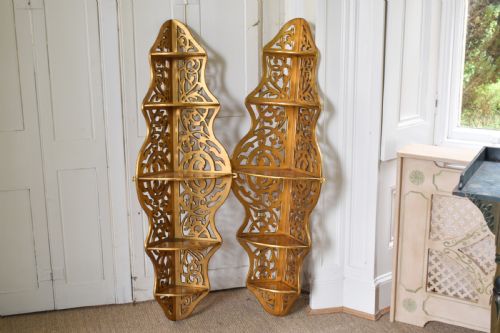
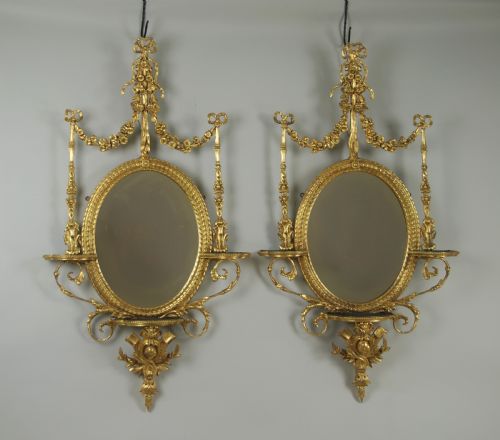
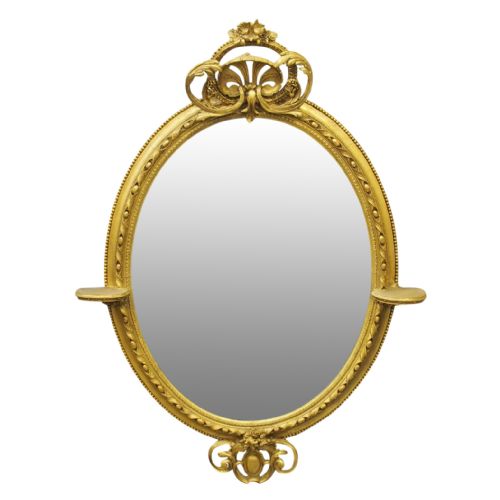
These Victorian giltwood shelf pieces bring genuine nineteenth-century character to a room, offering functional display surfaces paired with opulent gilded frames.
Victorian Giltwood Shelf
A victorian giltwood shelf combines functional display space with decorative architectural presence, often taking the form of corner shelves, wall brackets, or mirrored display ledges. These pieces emerge from the nineteenth century, spanning decades from eighteen sixty to eighteen ninety.
The most common examples on this page are wall shelves, display brackets, and overmantel mirrors fitted with integrated brackets. Makers designed them to catch the light in principal rooms, frequently drawing on Rococo Revival, Neoclassical, and French Chateau styles.
Buyers encounter various formats, from single carved brackets to matched pairs designed to balance a fireplace or window. Each piece reflects the Victorian domestic desire for ornate wall furniture that maximised both display capacity and perceived light.
Materials and Construction
The foundation of a victorian giltwood shelf typically involves timber such as wood or walnut, shaped to form the structural core. Artisans then applied layers of gesso and composition over the carved wooden base to build up crisp decorative details and mouldings.
Gilding completed the surface, using gold leaf or metal leaf applied over the prepared gesso to achieve a brilliant metallic sheen. Mirrored glass frequently formed the backing panel of wall brackets and overmantels, amplifying the decorative impact and reflecting interior light.
Victorian Giltwood Shelf Retail Price Guide 2026
Typical asking prices for victorian giltwood shelf among the pieces listed under this phrase on Sellingantiques today, from the lower quarter to the upper quarter. They describe what is for sale here now, not the wider market.
Some Victorian shelf brackets feature carved cherubs peering out from beneath the display ledge, keeping a watchful eye on the trinkets placed above them.
Evaluating Quality and Craftsmanship
Quality in a victorian giltwood shelf rests upon the depth and sharpness of the carved woodwork and gesso ornament. Superior examples display hand-carved details with clean undercuts, whereas lesser pieces rely heavily on moulded composition that can appear soft or repetitive.
The preservation of the original gilt surface dictates much of the visual success of the piece. Depth of tone, the subtlety of burnished highlights against matte areas, and the harmonious integration of the shelf brackets into the frame structure separate standard production from finer examples.
The Victorian Giltwood Shelf Glossary
- Giltwood
- Wood that has been coated with gold leaf or metal leaf. This finish gives the object its distinctive metallic brilliance and protects the timber beneath.
- Gesso
- A plaster-like mixture applied to wood surfaces as a base for gilding. It allows craftsmen to carve and stamp intricate ornamental details before applying gold leaf.
- Composition
- A mouldable mixture of whiting, resin, glue, and oil pressed into decorative reliefs. Makers used it as a cost-effective alternative to hand-carving deep ornamentation.
- Pier glass
- A tall mirror designed to hang on the pier, the strip of wall between windows. These mirrors often incorporate integrated shelves or console brackets.
- Overmantel mirror
- A large mirror designed specifically to sit above a fireplace mantelpiece. Many nineteenth-century versions include built-in display shelves or brackets for ornaments.
Victorian Giltwood Shelf: Frequently Asked Questions
How were these shelves used in Victorian homes?
Victorian households utilised these wall shelves and brackets to display small decorative objects, figurines, and pocket watches. They served as both functional furniture and prominent decorative statements in drawing rooms and parlours.
By placing them near windows or above mantelpieces, owners used the integrated mirrors and gilded surfaces to bounce natural and candlelight around the room.
How do I date a Victorian giltwood piece?
Dating relies upon examining the construction techniques, timber types, and prevailing decorative styles evident in the frame. Pieces from eighteen sixty often lean heavily into elaborate Rococo Revival motifs, while later nineteenth-century examples might incorporate cleaner Neoclassical lines.
The backing boards, fixing methods, and the composition of the gesso layer also provide reliable clues for establishing the decade of manufacture.
What is the difference between a wall bracket and a pier glass?
A wall bracket is primarily designed as a projecting shelf supported by a decorative corbel or backplate, intended for holding small objects. A pier glass is a substantial wall mirror, often featuring integrated brackets or a shelf at its base.
While both share giltwood finishes and nineteenth-century origins, the pier glass prioritises reflective glass surface area over display capacity.
How should I care for antique giltwood?
Preserving giltwood requires gentle dusting with a soft, dry ostrich feather duster to prevent abrasive particles from scratching the delicate metal leaf surface. Avoid using chemical cleaners, liquid polishes, or damp cloths, as moisture and solvents easily damage old gesso and gold leaf.
Keep the pieces away from direct sunlight and excessive humidity to prevent the underlying wood and composition from shifting.