

Vintage Vanity with Mirror
A vintage vanity with mirror anchors a bedroom with functional elegance, offering a dedicated spot for daily routines while displaying period craftsmanship.
Vintage Vanity with Mirror
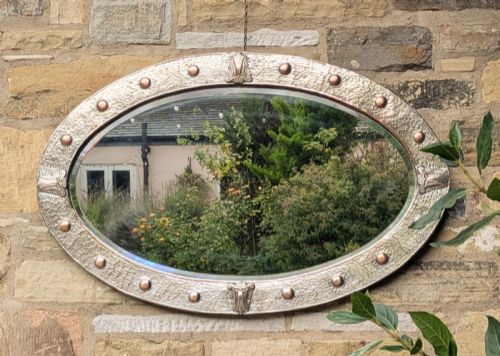
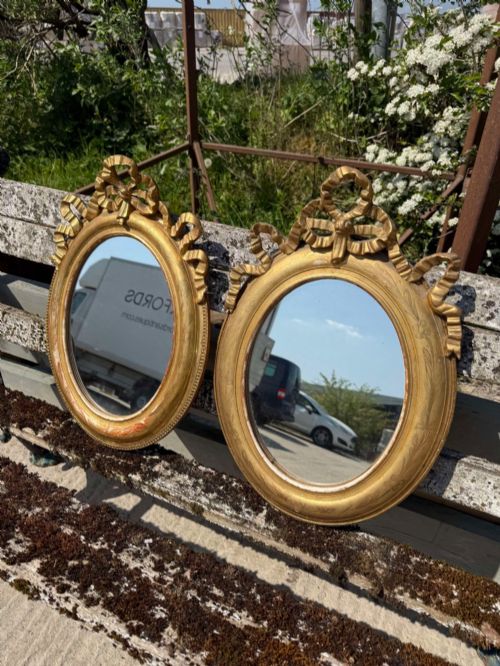
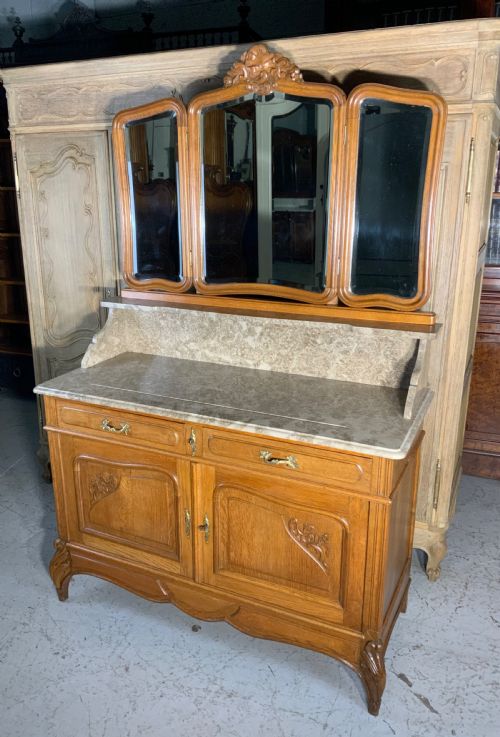
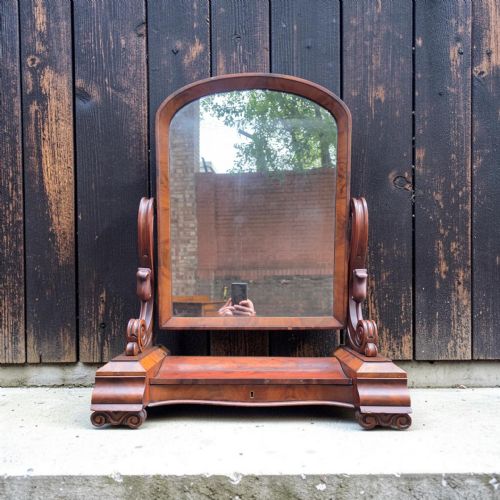
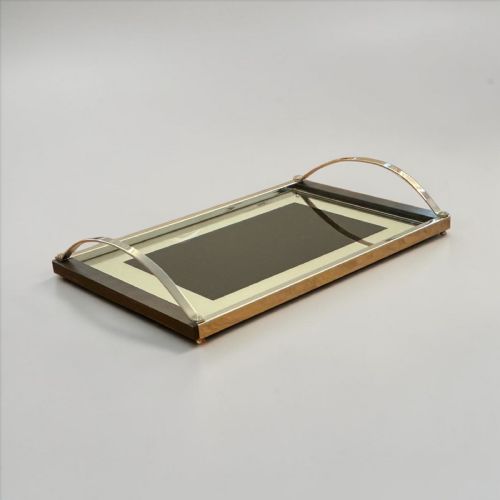
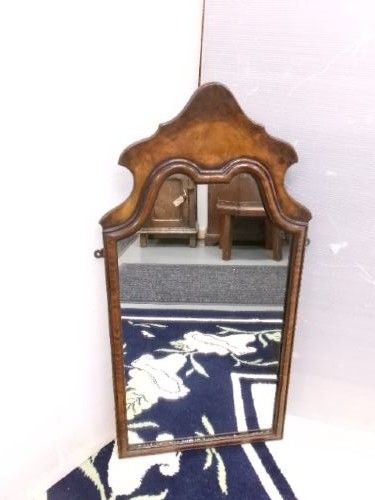
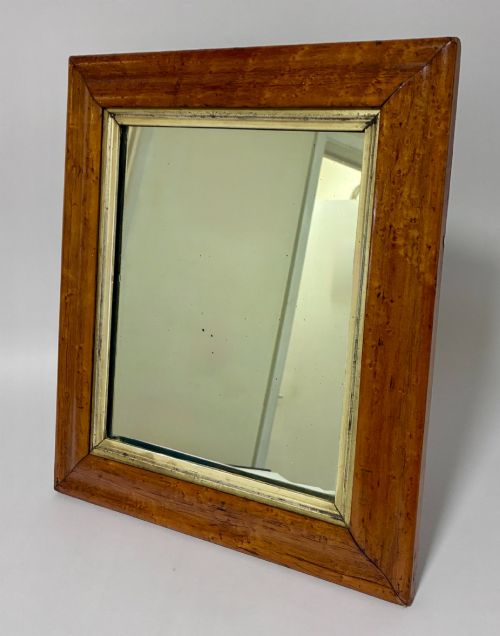
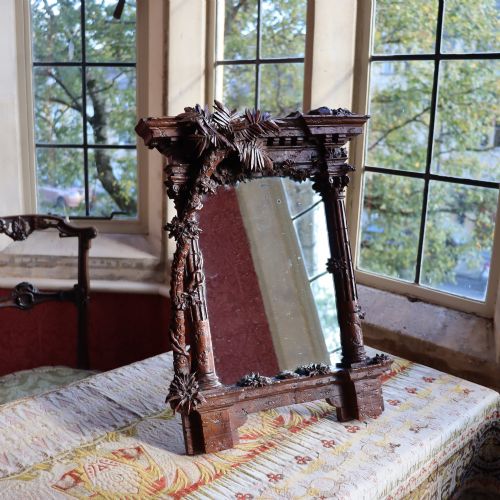
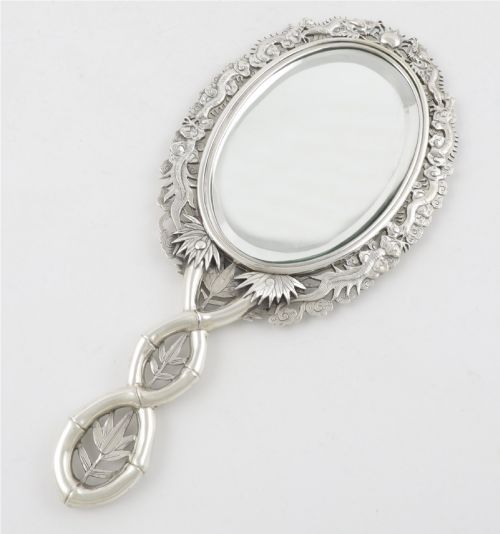
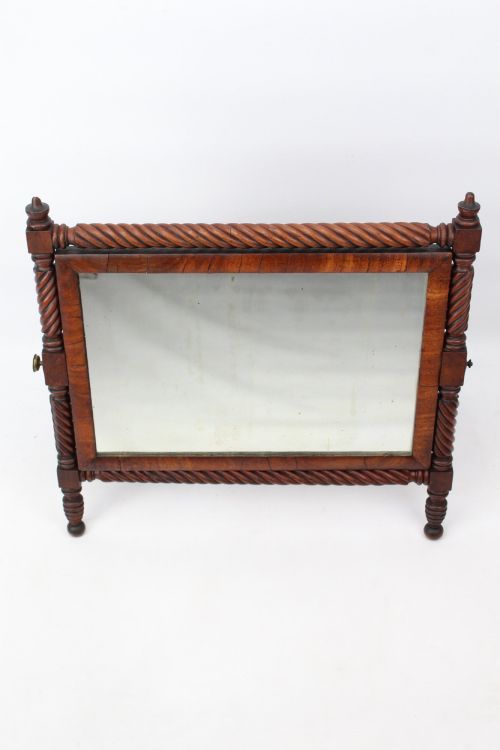
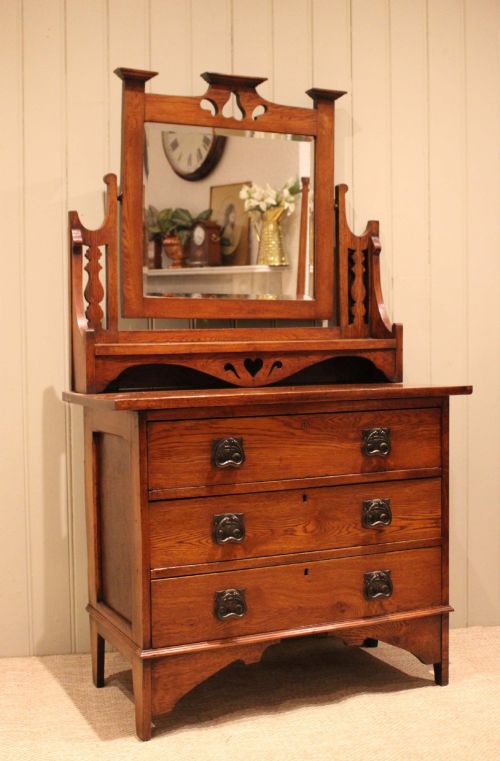
A vintage vanity with mirror spans a variety of historical periods, ranging from the ornate lines of the 18th century through the solid proportions of the Victorian and Edwardian eras, up to the sleek geometry of Art Deco pieces. Buyers encounter everything from compact tabletop toilet mirrors to large pedestal dressing tables equipped with triple glass panels.
The form evolved significantly over time, transitioning from simple box dressing mirrors and bureau combinations to substantial dressing chests fitted with adjustable shield or rectangular mirrors. Woods such as mahogany, walnut, and oak dominate the selection, often complemented by specialised veneers like burr walnut and satinwood.
Materials and Construction
Cabinet makers utilised dense hardwoods like mahogany and oak for structural integrity, applying figured and burr walnut veneers to primary visual surfaces to create striking grain patterns. Joinery relied on traditional methods, ensuring that dressing chests and tables withstood daily use.
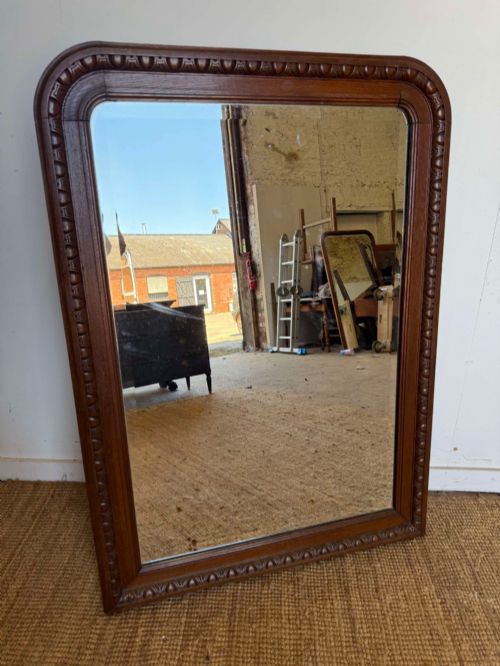
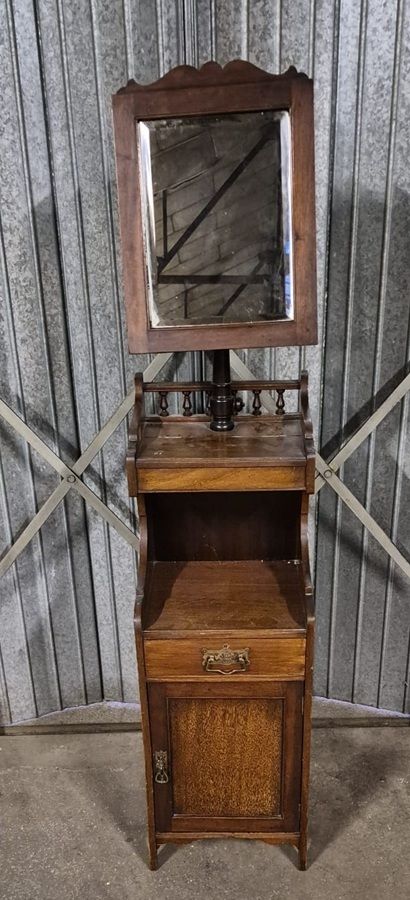
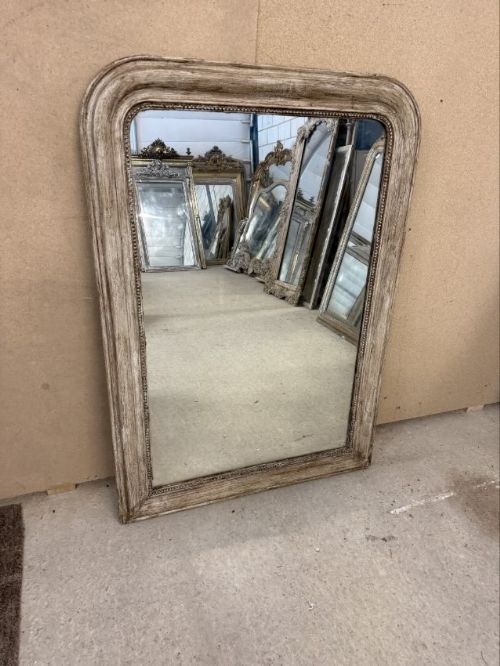
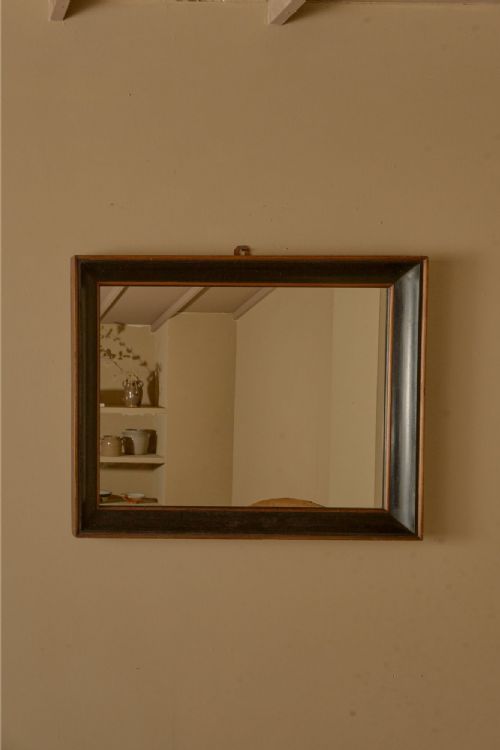
Reflecting plates utilised mirror glass, occasionally bevelled, housed within frames of carved wood or pressed brass. Details such as fret-cut decoration, inlay work, and original metal hardware define the construction standards of these pieces.
Vintage Vanity with Mirror Retail Price Guide 2026
Typical asking prices for vintage vanity with mirror among the pieces listed under this phrase on Sellingantiques today, from the lower quarter to the upper quarter. They describe what is for sale here now, not the wider market.
Current listings feature pieces spanning the 18th century through the 1930s, constructed predominantly from mahogany, walnut, and oak.
Assessing Quality
Quality rests upon the selection of timber and the sophistication of the veneer work, with finely figured burr walnut or satinwood commanding attention over standard plain surfaces. The integration of the mirror frame with the main body of the dressing table reveals the maker's precision.
Originality of components, including the mirror plate, brass fittings, and structural hardware, elevates a piece significantly. Superior examples maintain their fitted drawers, original polish, and balanced proportions without heavy restoration.
Heals·Maurice Adams·Chippendale
The Vintage Vanity with Mirror Glossary
- Shield mirror
- A dressing glass shaped like a heraldic shield, typically mounted on pivots between upright supports. This form became popular during the Georgian period and returned in Edwardian revivals.
- Burr walnut
- Timber taken from the wart or burl of a walnut tree, yielding highly decorative swirling grain patterns. Cabinet makers prized this material for veneering prominent drawer fronts and surfaces on high-end dressing tables.
- Toilet mirror
- A smaller tabletop glass designed to sit upon a chest of drawers or a dedicated stand. Early examples often incorporated small storage drawers in the base.
- Pedestal dressing table
- A large vanity featuring twin banks of drawers supporting a central writing or dressing surface with an attached mirror. They provide substantial storage beneath the desktop.
- Bevelled glass
- A mirror plate with edges angled and polished down to a thinner margin. This technique adds depth and catches light differently than flat-edged glass.
Vintage Vanity with Mirror: Frequently Asked Questions
How do I date a vintage vanity?
Dating relies on identifying primary woods, construction techniques, and stylistic markers characteristic of specific eras such as Victorian, Edwardian, or Art Deco.
Examining drawer joints, backboards, and mirror fixing hardware provides further clues to the period of manufacture.
Are the mirrors original?
Many surviving pieces retain their original mirror plates, which can often be identified by slight foxing, minor silvering loss, or age-related imperfections in the glass.
Replacements are common due to the fragility of glass over a century or more of use.
How do I care for a wood vanity?
Maintain the timber surfaces by applying quality beeswaxes periodically and avoiding exposure to direct sunlight and extreme humidity fluctuations.
Clean mirror glass gently with standard glass cleaner, taking care not to let moisture seep behind the plate edge.
Can dressing table mirrors be detached?
Most dressing chest and table mirrors attach via side screws and pivots, allowing the glass assembly to be removed for ease of transport.
Tabletop variants sit independently on their own bases without permanent fixings to a larger piece.