


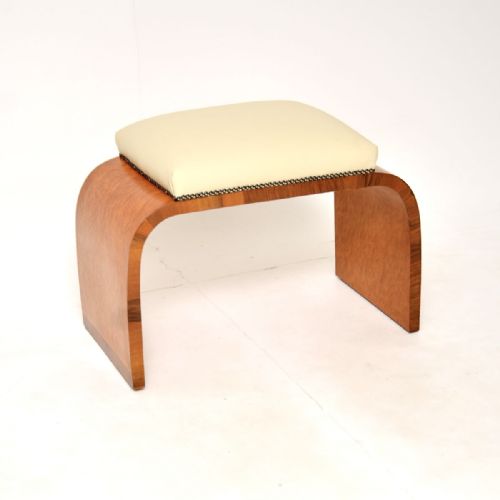
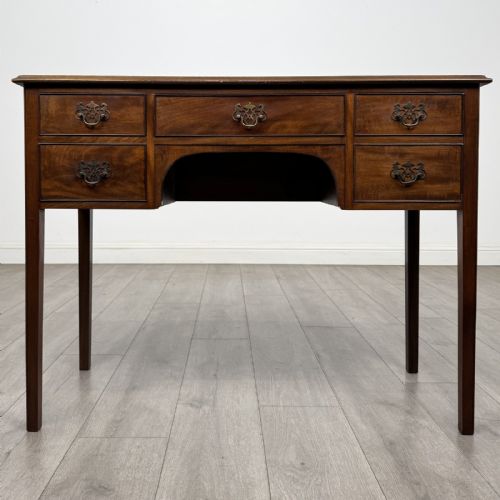

Vintage Vanity Table
A vintage vanity table offers a dedicated spot for daily grooming, combining practical storage with period charm.
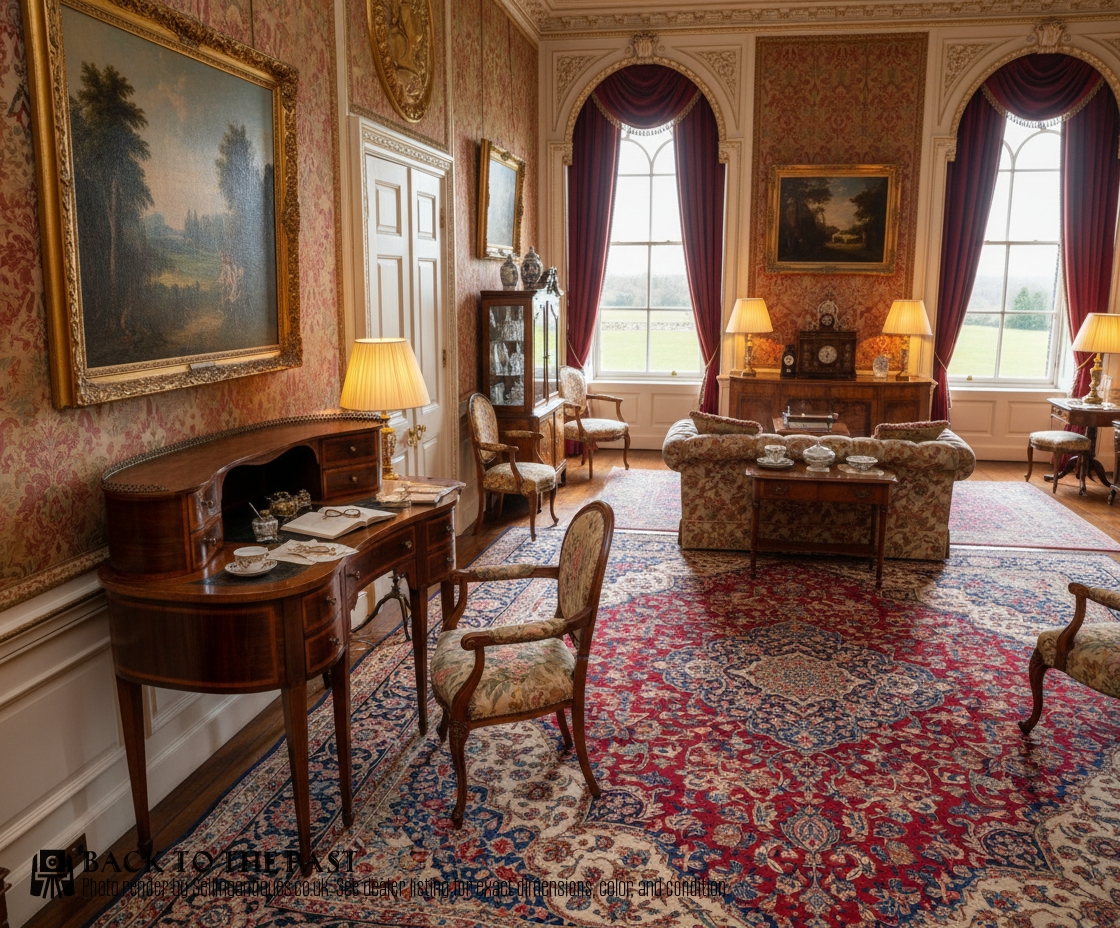
Vintage Vanity Table
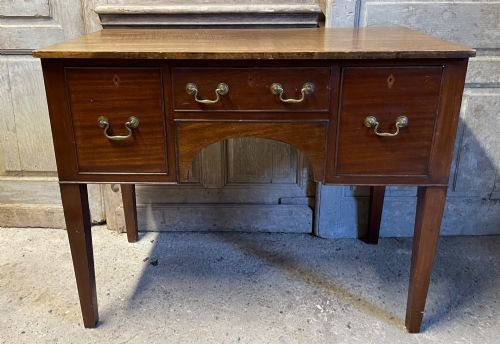
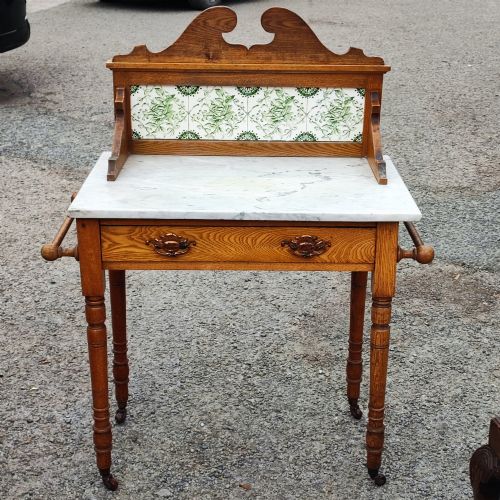
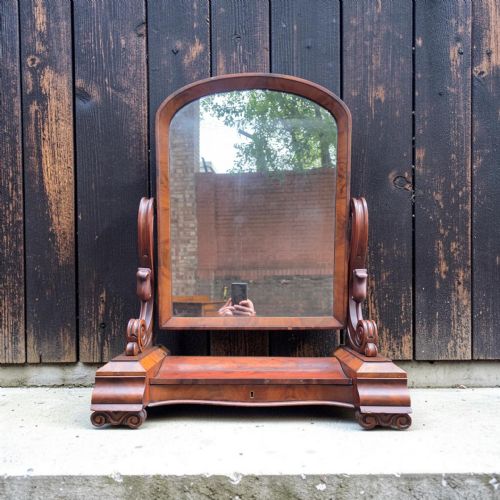
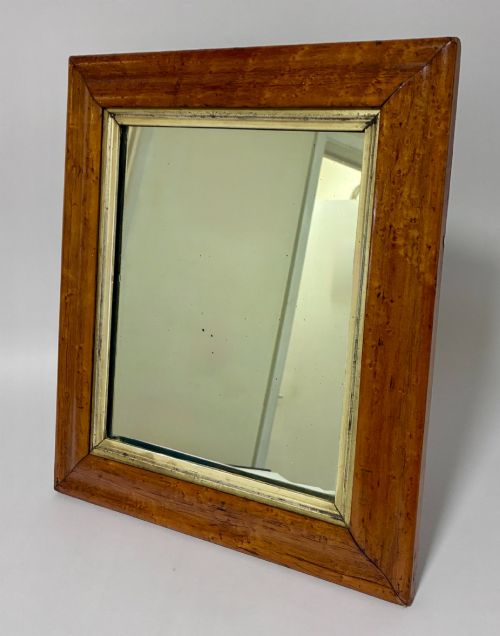
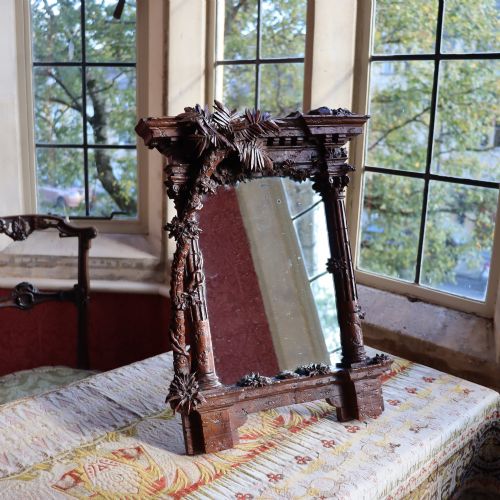
When you search for a vintage vanity table, you encounter a range of forms spanning the nineteenth and twentieth centuries, including dressing tables, writing tables, and table-top mirrors. The most prevalent examples on this page date from the Edwardian era, the nineteen-twenties, and the nineteen-thirties, often arriving complete with matching stools or swing mirrors.
Makers utilised diverse woods like mahogany, walnut, burr walnut, and satinwood to construct these pieces. Styles range from Victorian and Edwardian traditionalism to clean Art Deco and Queen Anne revival forms.
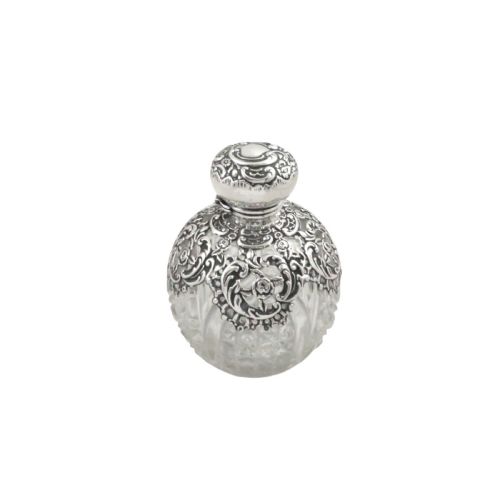
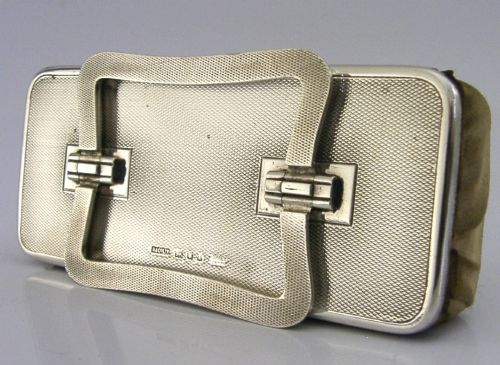
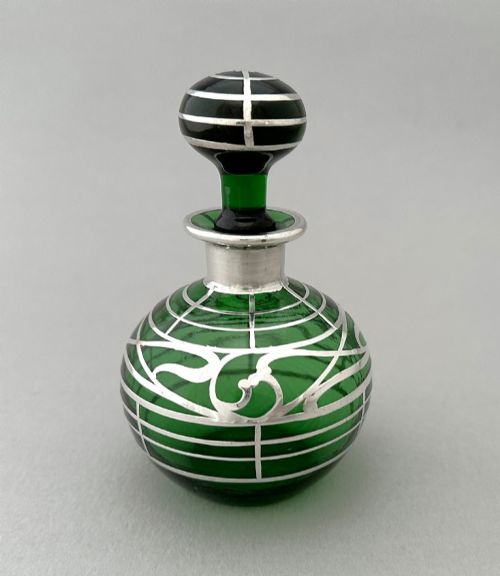
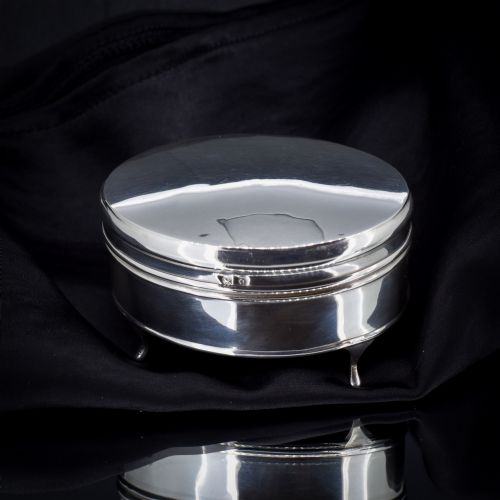
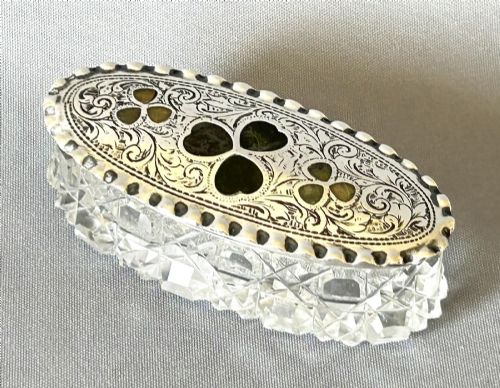
Alongside full dressing pieces, you frequently find smaller related accessories such as sterling silver trinket boxes, glass scent bottles, and footstools. These items reflect the domestic routines of earlier periods and fit easily into modern bedrooms.
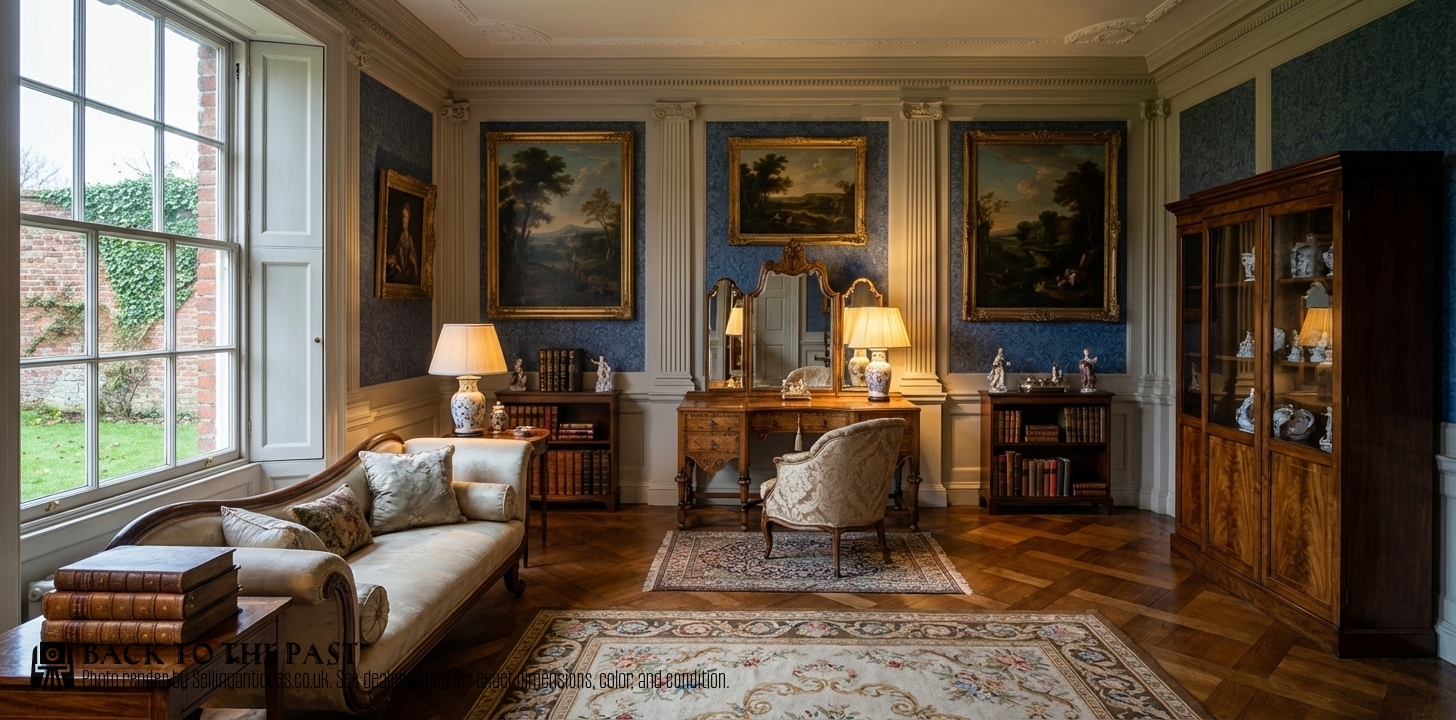
How they were made
Cabinet makers relied heavily on figured and burr walnut, mahogany, and maple veneers to create rich surface patterns on dressing tables and desks. Solid timbers like oak and pine formed sturdy structural frames and internal drawers.
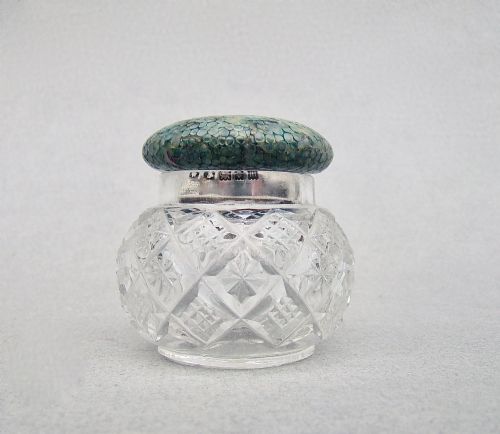
Metal and glass accents played a functional and decorative role, with brass hardware, sterling silver mounts, guilloche enamel, and Kralik glass appearing on mirrors and trinket boxes. Hand-carved wooden details adorned stools and mirror frames during Victorian and Edwardian periods.
Vintage Vanity Table Retail Price Guide 2026
Typical asking prices for vintage vanity table among the pieces listed under this phrase on Sellingantiques today, from the lower quarter to the upper quarter. They describe what is for sale here now, not the wider market.
Listings feature woods from mahogany and oak to exotic kingwood, alongside sterling silver and glass.
What varies in quality
The choice of timber grain defines the visual appeal, where matched burr walnut or figured mahogany veneers elevate a piece far above plain surfaces. Superior examples display careful selection of wood matching across drawers, panels, and dressing mirrors.
Construction methods and hardware integration also set pieces apart. Fine items feature original silver mounts, intact guilloche enamel work, and robust joinery that keeps triple mirrors and pedestal drawers steady.
A. J. Pepper & Co·Henry Clifford Davis·A. Bromet & Co·Maples of London and Paris·WMF
The Vintage Vanity Table Glossary
- Dressing table
- A low bedroom table fitted with drawers and a mirror for personal grooming and cosmetic storage. These pieces often include dedicated compartments for small accessories.
- Swing mirror
- A mirror mounted on pivots within a vertical frame, allowing the glass to tilt back and forth. This form sits either on top of a bureau or forms part of a larger dressing table.
- Cheval mirror
- A full-length plate glass mirror supported in a free-standing frame that permits the whole glass to swing. It provides a complete view for dressing.
- Guilloche enamel
- A decorative technique where intricate geometric patterns are mechanically engraved beneath a translucent enamel layer. It appears frequently on twentieth-century dressing table jars and trinket boxes.
- Lowboy
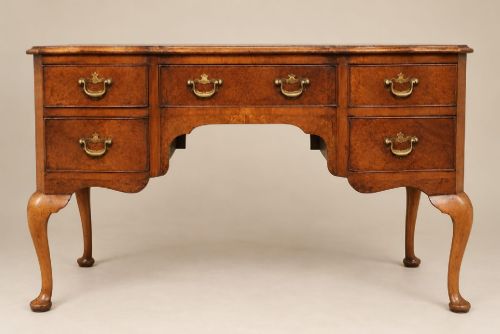
- A small seventeenth or eighteenth-century table with drawers, often used as a dressing table or side table. These pieces typically rest on slender cabriole or straight legs.
Vintage Vanity Table: Frequently Asked Questions
How do I style a vintage vanity table in a modern bedroom?
Pair the dressing table with a neutral bedroom backdrop to let the figured wood grain or painted finish stand out. Keep everyday items minimal on the surface, using period silver trinket boxes or glass jars for tidy storage.
Position the piece near natural light to make the most of the attached swing or triple mirrors. A contrasting stool in fabric or carved wood completes the setup without overcrowding the floor space.
What is the difference between a vanity table and a writing table?
A vanity table specifically accommodates grooming and cosmetics, usually incorporating built-in mirrors, smaller compartments, and matching stools. Writing tables focus on a flat, clean surface for correspondence with kneehole space underneath.
In practice, many Edwardian and nineteenth-century examples overlap in form, as lighter tables served multiple domestic duties depending on the room they occupied.
How do I identify Art Deco vanity tables?
Art Deco dressing tables rely on geometric symmetry, streamlined shapes, and striking veneers such as birdseye maple or burr walnut. They often feature large circular or triple mirrors that emphasise clean, curved lines rather than ornate carvings.
Hardware is typically minimal, letting the figured wood patterns and contrasting timber inlays take visual precedence.
Can I use a table-top mirror on any chest of drawers?
Table-top mirrors work well on standard chests of drawers provided the surface area matches the footprint of the mirror frame. Ensure the weight is evenly distributed so the piece remains stable during adjustment.
Consider the height of the chest relative to your seating to ensure the swing mirror angles correctly for comfortable daily use.