
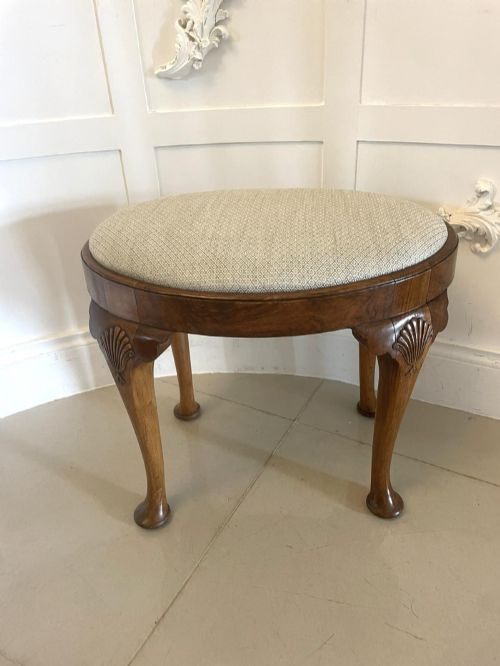
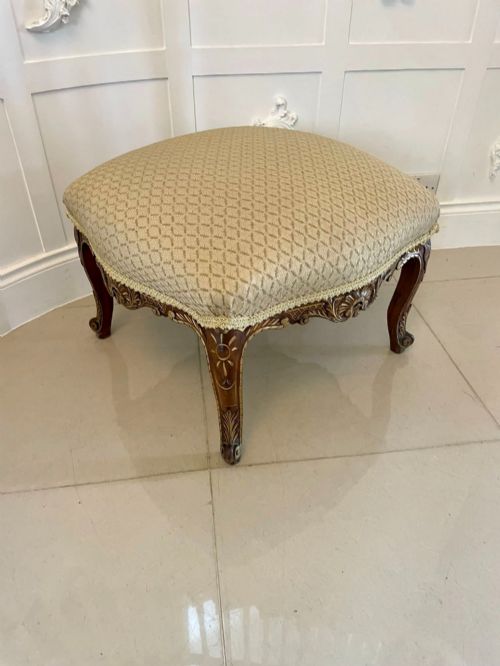
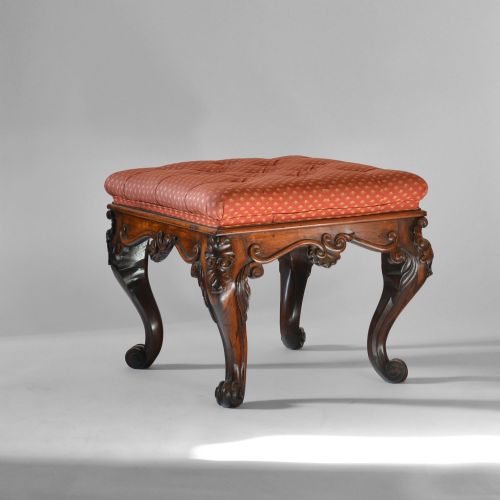
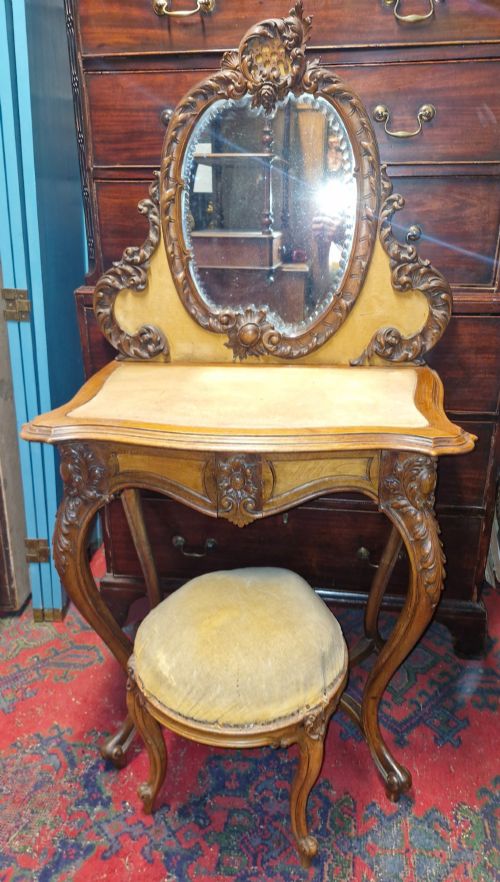
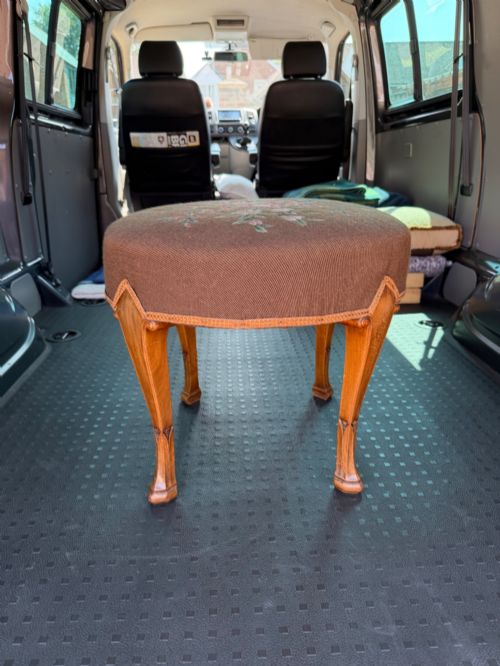
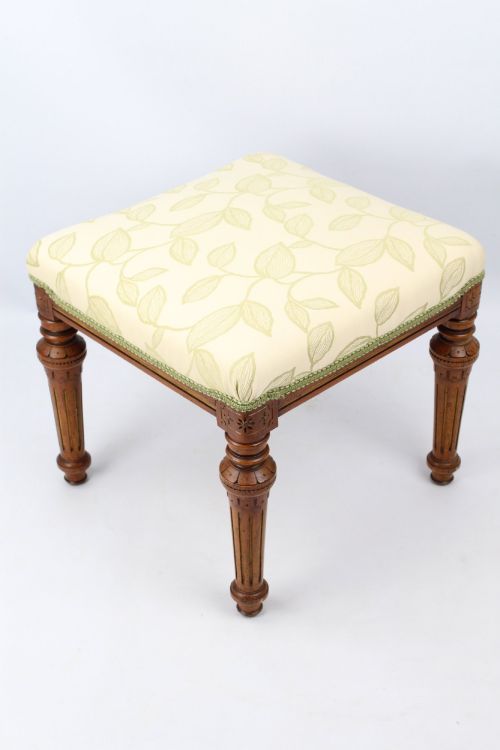
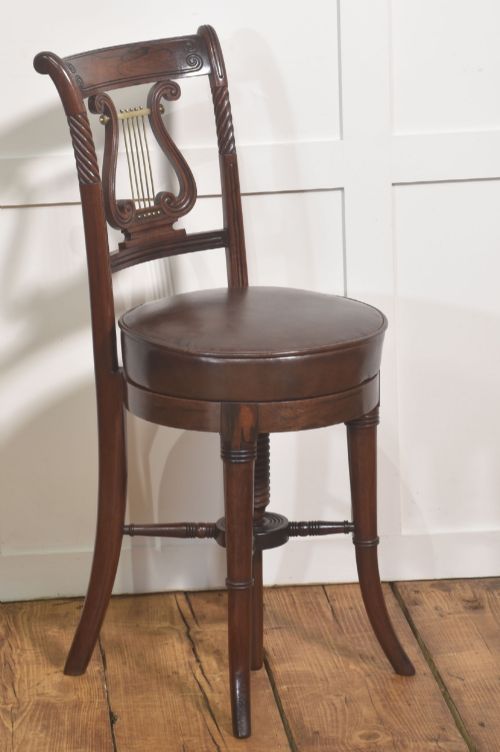
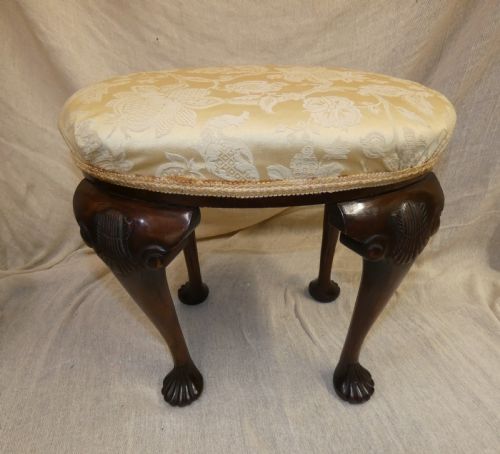
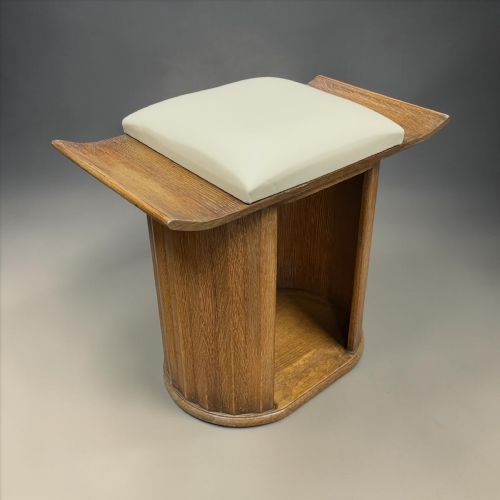
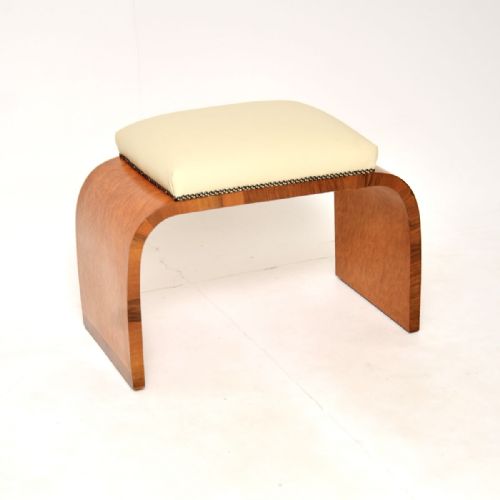


Vintage Vanity Table Stool
These vintage vanity table stool examples provide practical low seating for dressing areas, combining period character with everyday utility.
Vintage Vanity Table Stool
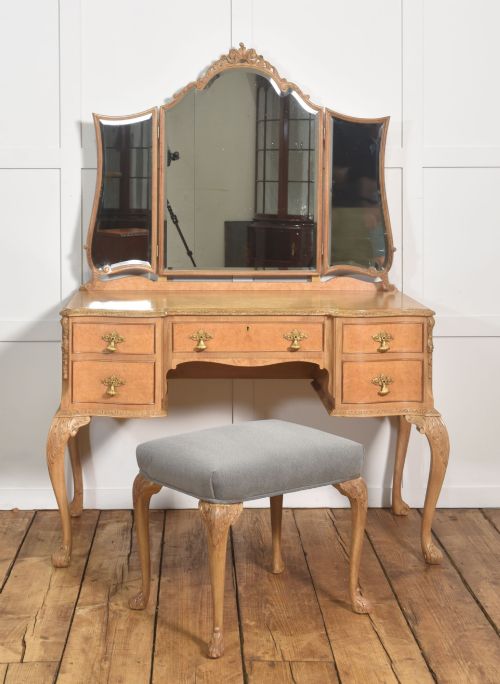
When you search for a vintage vanity table stool, you encounter low seating designed specifically to accompany dressing tables and mirrors in bedrooms or boudoirs. These pieces serve a functional role while offering distinct period craftsmanship from the nineteenth and twentieth centuries.
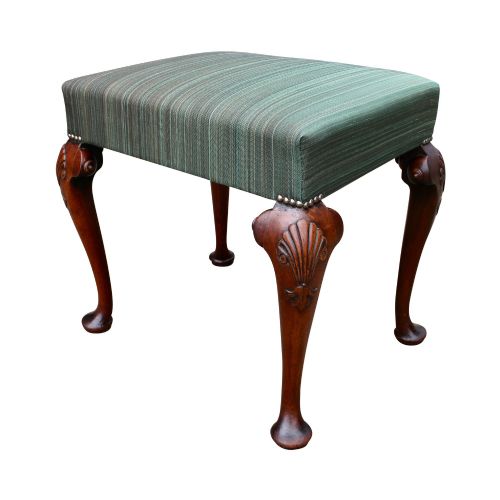
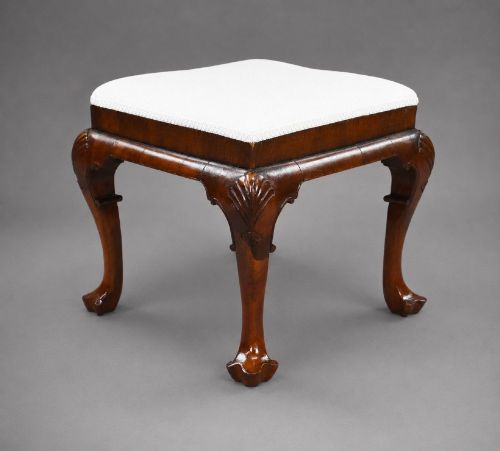
The versions you meet most frequently on this page span the Victorian era, the Edwardian period, and the Art Deco style of nineteen thirty. Forms range from simple rectangular frames to cabriole leg designs and circular boudoir stools.
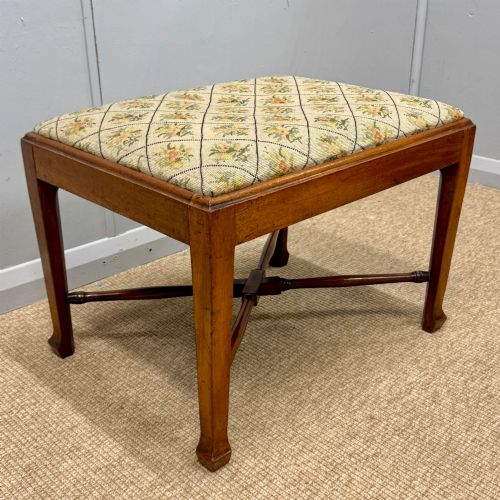
Makers produced these seats in various woods including walnut, mahogany, oak, and sycamore, often pairing the frames with upholstered tops in velvet, leather, fabric, or needlepoint.
How they were made
Cabinet makers utilised dense hardwoods such as walnut, mahogany, and oak to construct sturdy frames that could withstand daily use. Woodworkers shaped supports into cabriole legs, twisted ropes, or clean geometric lines depending on the prevailing style.
Upholsterers finished the tops with traditional materials including leather, velvet, fabric, and needlepoint, sometimes incorporating storage compartments beneath the seat. Gilt, paint, and carved detailing enhanced the exterior appearance of the wood.
Listings feature pieces spanning from the eighteen fifties through to nineteen thirty, showing how dressing stool styles evolved from heavy Victorian walnut to sleek Art Deco designs.
What varies in quality
The standard of carving and timber selection dictates the distinction between standard production and top tier pieces. Finely figured walnut, birds eye maple, and detailed hand carving set finer examples apart from simpler utilitarian frames.
Original upholstery condition and structural rigidity also define the grade of a piece. Solid joinery and well preserved wood finishes indicate superior original manufacture.
Harry and Lou Epstein
The Vintage Vanity Table Stool Glossary
- Cabriole leg
- A furniture leg that curves outward at the knee and inward at the ankle, finishing in a pad or scroll foot. This shape derives from ancient Chinese forms and gained popularity during the eighteenth and nineteenth centuries.
- Cross stretcher
- An X shaped brace connecting the legs of a stool or table to provide additional structural stability. Makers employed this feature on larger or heavier pieces.
- Birds eye maple
- A figure in maple wood that resembles tiny, swirling eyes disrupting the grain. Cabinet makers prized this veneer for high quality decorative surfaces.
- Gilt
- A thin layer of gold leaf or gold paint applied to the surface of wood or gesso. This technique added decorative brilliance to Victorian and revival frames.
- Needlepoint
- A type of counted thread embroidery stitched onto canvas to create durable seat covers. Artisans utilised wool threads in varied patterns for vintage upholstery.
Vintage Vanity Table Stool: Frequently Asked Questions
What is a vintage vanity table stool used for?
These low seats provide comfortable seating while using a dressing table or mirror for grooming and preparation. They fit neatly underneath most dressing furniture when not in use.
Many examples also double as piano stools or small occasional seats in bedrooms and dressing rooms.
How do I date a vintage vanity table stool?
Dating relies on identifying the prevailing wood, construction methods, and decorative styles. Victorian pieces often feature heavy carved walnut or mahogany, while nineteen thirty items show clean Art Deco lines or sycamore frames.
Matching the design characteristics to known periods helps establish the approximate age of the piece.
Are these stools comfortable for daily use?
Most pieces provide firm, supportive seating appropriate for short periods spent at a dressing table. Upholstered tops in leather, velvet, or fabric offer varying degrees of padding depending on the original design.
Many listings include restored covers that provide a fresh surface for everyday sitting.
How do I choose the right height?
Selecting the correct height involves measuring the clearance beneath your dressing table and the distance to the tabletop surface. Stools generally sit lower than standard dining chairs to ensure comfortable leg room.
Adjustable mechanisms on certain nineteenth century models allow you to alter the height to suit your specific table.