




Vintage Vanity Casket
A vintage vanity casket gathers the small treasures of a dressing table, taking form in exotic woods and precious metals.
Vintage Vanity Casket
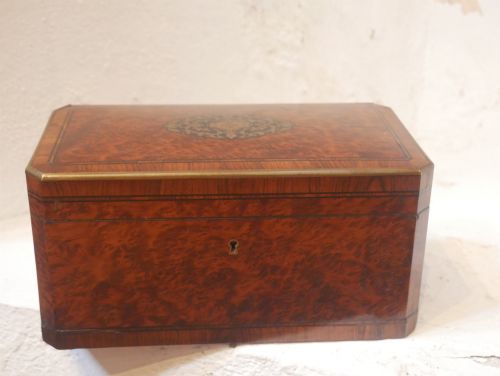
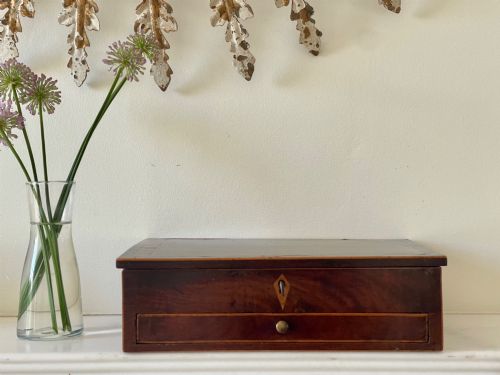
A vintage vanity casket is a repository for jewellery, trinkets, and sewing implements, designed to sit upon a dressing table or desk. When searching for a vintage vanity casket, buyers encounter forms ranging from simple rectangular boxes to fully fitted cabinets with internal trays.
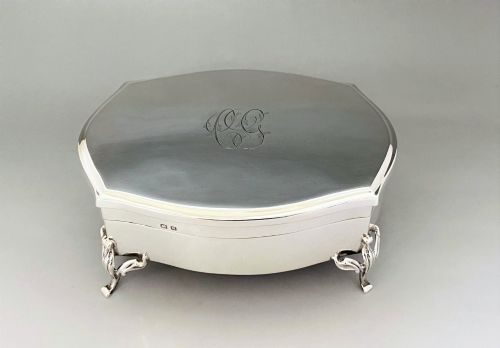
The selections span multiple periods, with Victorian and Edwardian examples appearing frequently alongside Georgian and Art Deco designs. Makers housed these items in timber carcasses or fashioned them entirely from solid silver and brass.
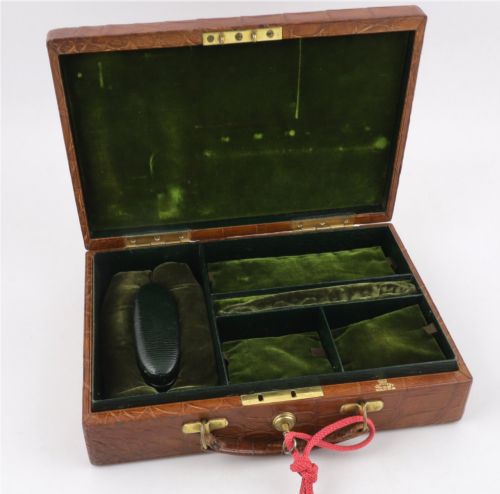
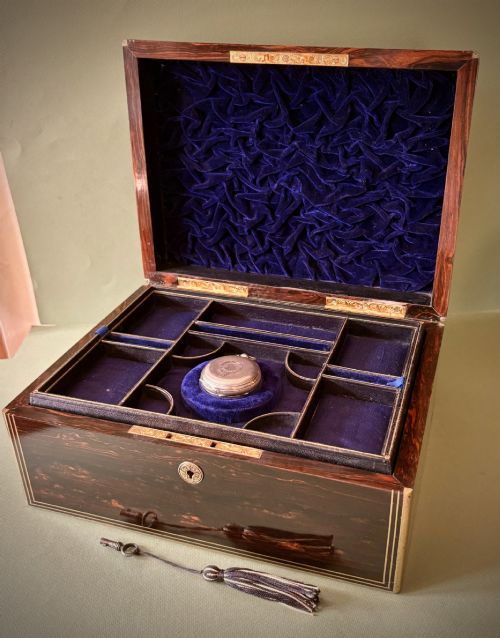
Object types include jewellery boxes, work boxes, and dressing table caskets intended to hold keepsakes. Many retain their original velvet or silk linings, whilst others provide compartments for rings and watches.
How they were made
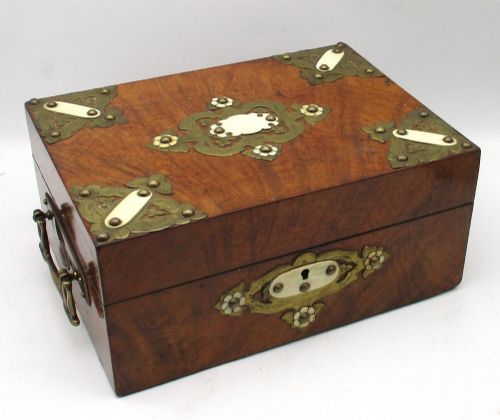
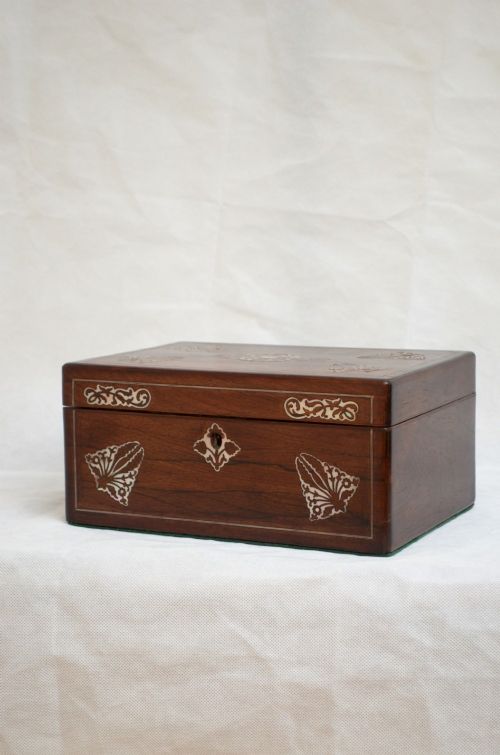
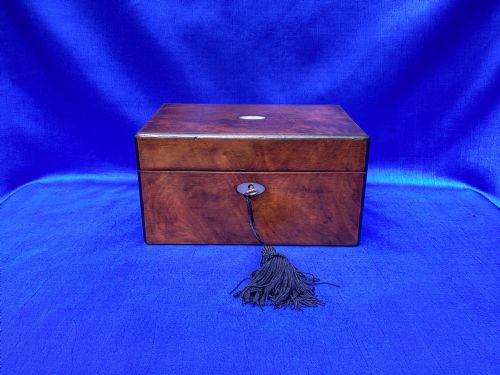
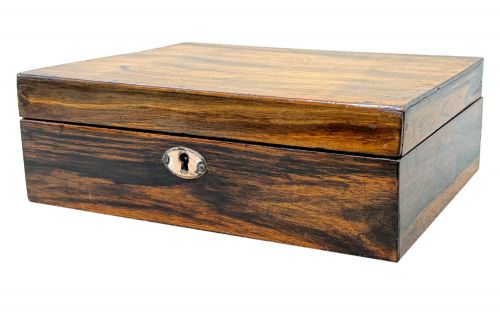
Craftsmen built timber frames from hardwoods such as rosewood, walnut, coromandel, and mahogany, often applying intricate veneers or marquetry inlay. Interiors frequently incorporate mother-of-pearl, satinwood, and fitted velvet trays to protect delicate contents.
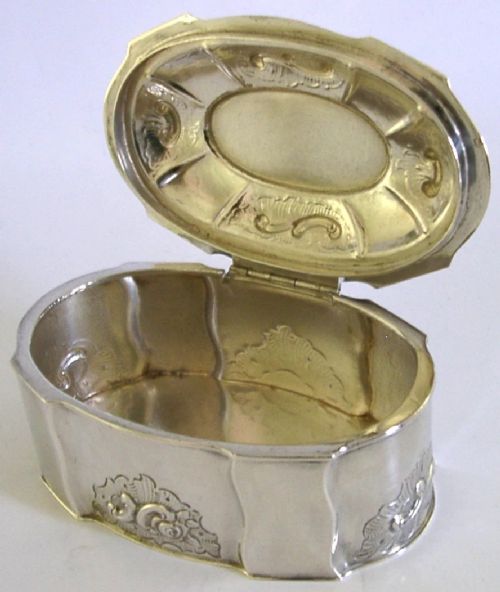
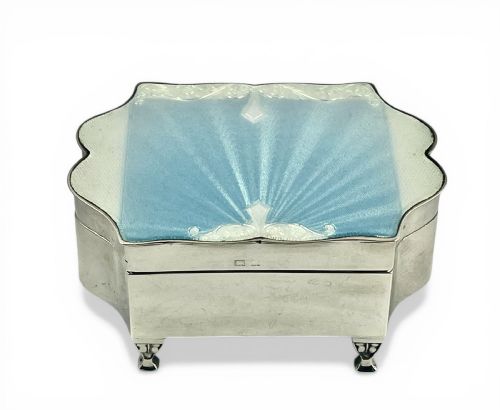
Metalworkers utilised sterling silver, brass, and German silver to cast hinged caskets, sometimes incorporating blue enamel, tortoiseshell, or cut glass panels. Leather and crocodile skin examples rely on rigid structural cores lined with silk or velvet.
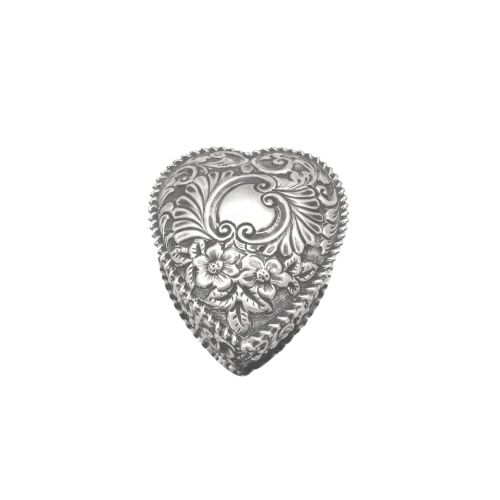
A tiny velvet heart hides away inside a Victorian silver trinket box, waiting to hold a lost love letter.
What varies in quality
Quality rests in the integrity of the construction and the choice of materials, from solid silver stampings to dense timbers like coromandel and amboyna. Finer pieces demonstrate precise marquetry, meticulous mother-of-pearl inlay, and intact interior trays.
The presence of original velvet linings, working locks with keys, and hallmarked precious metals elevate a piece. Lesser examples show simpler construction in standard mahogany or basic brass without fitted compartments.
Tahan Paris·J C Vickery·Mappin & Webb·Posen of Frankfurt and Berlin·Deakin & Francis
The Vintage Vanity Casket Glossary
- Marquetry
- The art of applying pieces of veneer to a structure to form decorative patterns. Craftsmen utilised various coloured woods to create pictorial scenes on box lids.
- Coromandel
- A dense, heavy timber from Asia featuring dark brown grain with contrasting streaks. It was highly prized for luxury Victorian work boxes and vanity cases.
- Tunbridge ware
- Small wooden objects decorated with tiny mosaic tiles formed from differently coloured woods. This technique created intricate geometric designs on the lids of ladies boxes.
- Hallmark
- An official stamp applied to precious metals indicating purity and origin. Silver caskets often carry these marks to verify sterling standard manufacture.
- Work box
- A container equipped for sewing and needlework implements. These interiors typically contain small compartments, bone tools, and satin linings.
Vintage Vanity Casket: Frequently Asked Questions
What is a vanity casket used for?
These caskets served to organise and secure jewellery, rings, cuff links, and sewing tools upon a dressing table. Their partitioned interiors kept delicate personal items separate and protected.
Over generations, they transitioned from daily dressing accessories into decorative display pieces and safe repositories for family keepsakes.
How do I identify the period?
Dating relies on stylistic clues, construction methods, and material choices associated with eras like the Victorian, Edwardian, or Art Deco periods. Silver elements often bear hallmarks that provide precise assay years.
Timber preferences also shift across decades, with coromandel and heavy rosewood marking mid nineteenth century pieces while ebonised finishes and enamels point toward later decades.
Are original linings common?
Many pieces retain their fitted velvet, silk, or satin interiors, though some show wear consistent with age and use. Trays and compartments often remain intact inside rosewood and mahogany carcasses.
When linings survive, they frequently include specialised slots for rings, watches, and pins tailored to nineteenth and twentieth century accessories.
How should I care for wooden caskets?
Wooden surfaces benefit from stable room humidity and protection from direct sunlight to prevent veneer and marquetry from lifting. Gentle dusting maintains the polish of rosewood, walnut, and mahogany.
Leather and crocodile skin variants require similar dry environments, whilst velvet interiors should be kept free of moisture to protect delicate fabrics.