






Vintage Vanity Bench
A vintage vanity bench brings a touch of period charm to a dressing area while offering a practical seat for daily routines.
Vintage Vanity Bench
A vintage vanity bench covers a variety of compact seating forms designed for dressing tables, bedrooms, and pianos. Buyers searching for a vintage vanity bench most frequently encounter Edwardian and Art Deco examples, alongside Victorian and nineteenth-century pieces.
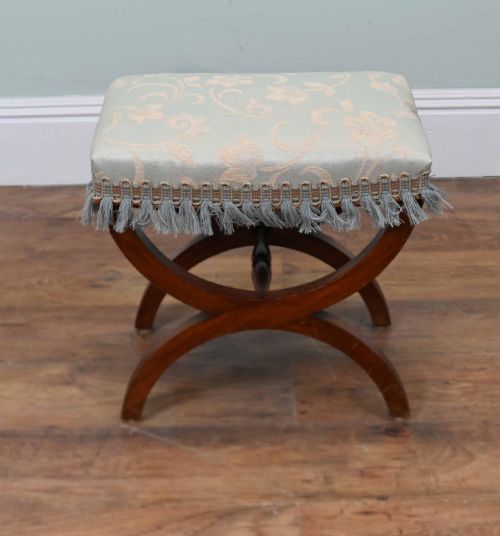
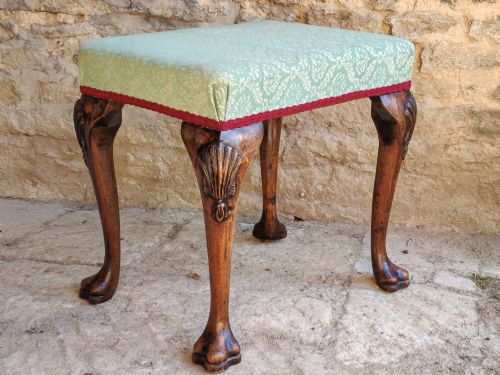
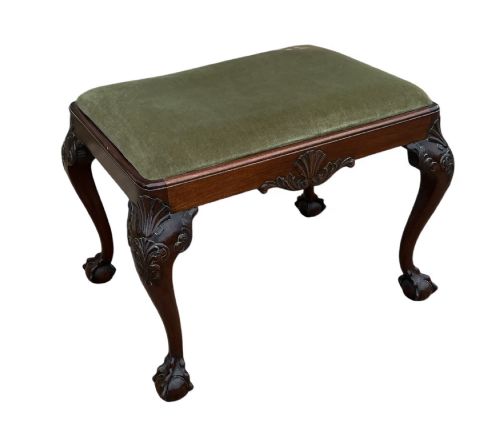
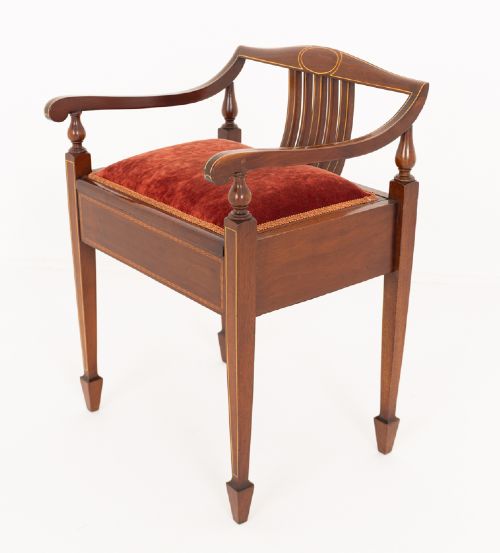
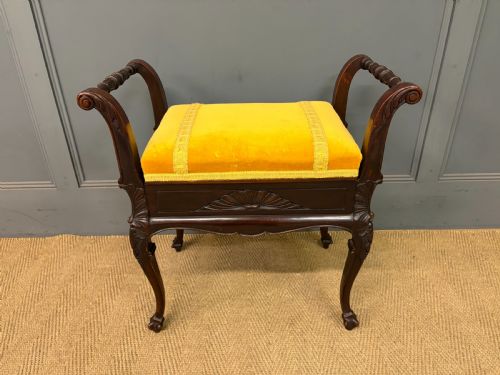
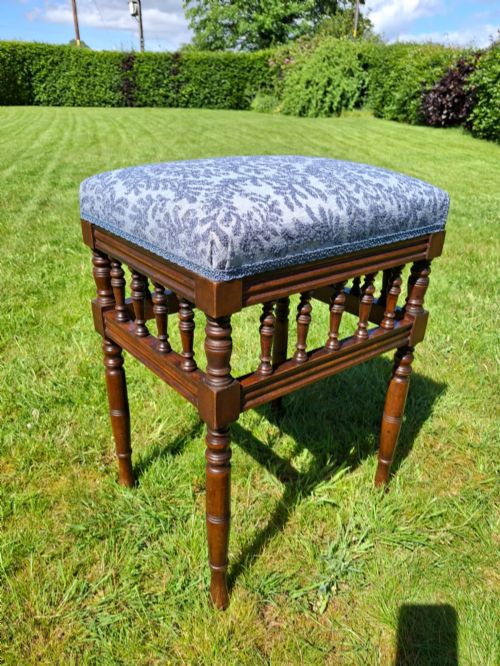
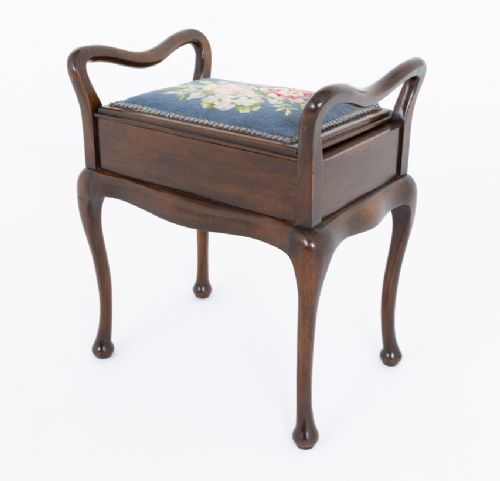
The selection ranges from simple wooden stools to upholstered piano stools, duet stools, and dressing table stools. Object types span footstools, ottomans, and small benches featuring cabriole legs, cross stretchers, and storage compartments.
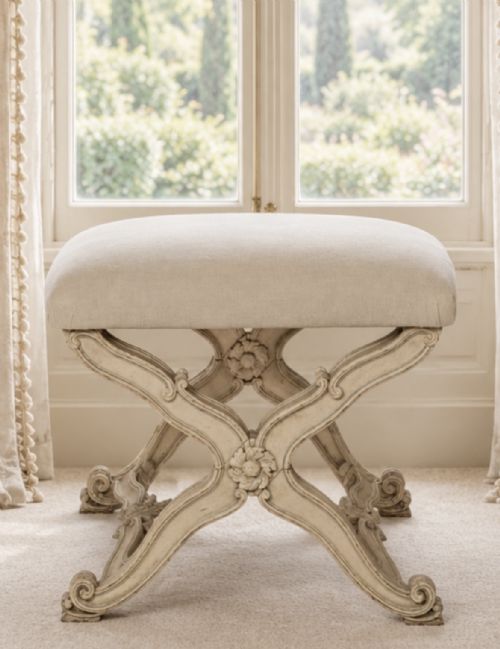
Stylistic influences vary widely across the selection, encompassing French Provincial, Queen Anne, Chippendale, Sheraton Revival, and Anglo-Indian designs. These pieces function equally well as low seats or accent furniture in contemporary interiors.
How they were made
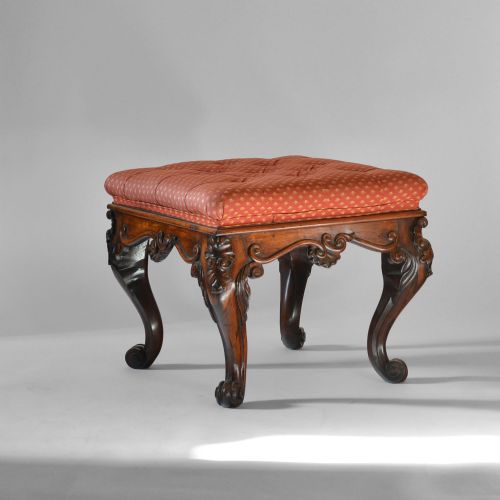
Frames rely on traditional timbers such as mahogany, walnut, oak, teak, rosewood, and sycamore, occasionally enhanced by exotic veneers like birds eye maple. Carved giltwood, ebonised finishes, and painted surfaces appear frequently among French and period styles.
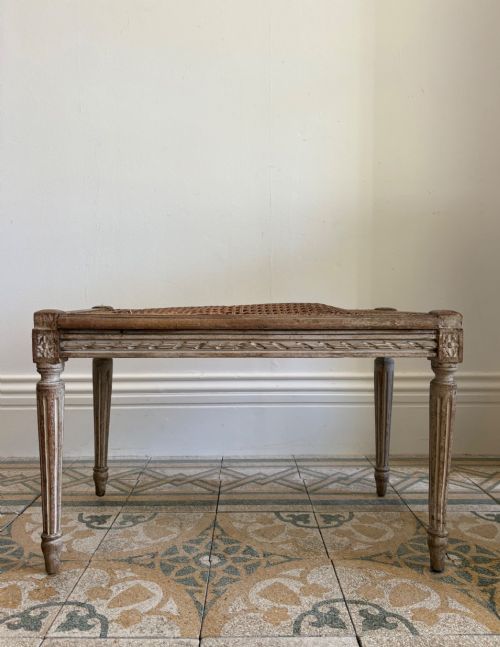
Upholstery incorporates diverse textiles including patterned fabrics, plush velvet, leather, needlepoint tapestry, and woven rattan. Traditional padding and buttoning techniques finish the seats, sometimes paired with new contemporary covers during restoration.
Vintage Vanity Bench Retail Price Guide 2026
Typical asking prices for vintage vanity bench among the pieces listed under this phrase on Sellingantiques today, from the lower quarter to the upper quarter. They describe what is for sale here now, not the wider market.
Listings span multiple eras from the nineteenth century through the Edwardian period and into 1930s Art Deco designs.
What varies in quality
The distinction between standard items and finer examples lies in the integrity of the timber frame and the precision of carved details. Cabinetmakers working in walnut or mahogany employed crisp joinery and robust stretcher supports that endure through generations.
Upholstery and finish quality also dictate distinction, from simple woven rattan to finely stitched needlepoint tapestry and butter-soft leather. Signed works by notable makers or distinctive veneers elevate specific examples above standard utility furniture.
Harry and Lou Epstein
The Vintage Vanity Bench Glossary
- Cabriole leg
- A furniture leg that curves outward and then tapers inward, mimicking an animal's curving leg. This form appears frequently on eighteenth-century revivals and Victorian seating.
- Cross stretcher
- Wooden bars connecting the legs near the base to provide additional structural stability. They often feature central turnings or decorative junctions.
- Duet stool
- An elongated piano stool or bench designed to seat two players side by side. Many incorporate hinged lids revealing internal music storage.
- Needlepoint
- Hand-stitched embroidery executed on a stiff open-weave canvas, commonly utilised for traditional seat covers. It provides durable texture and intricate decorative patterns.
- Ebonised
- Timber treated with a dark stain or finish to imitate ebony. This technique gained popularity during the nineteenth century for dramatic aesthetic effect.
Vintage Vanity Bench: Frequently Asked Questions
What is a vintage vanity bench used for?
These compact seats provide comfortable perches for sitting in front of a dressing table or vanity mirror. They also serve double duty as piano seats, footstools, or low accent pieces in hallways and bedrooms.
Many examples include built-in storage compartments beneath hinged seats, making them useful for keeping small personal items tucked away neatly.
How do I identify an Art Deco vanity bench?
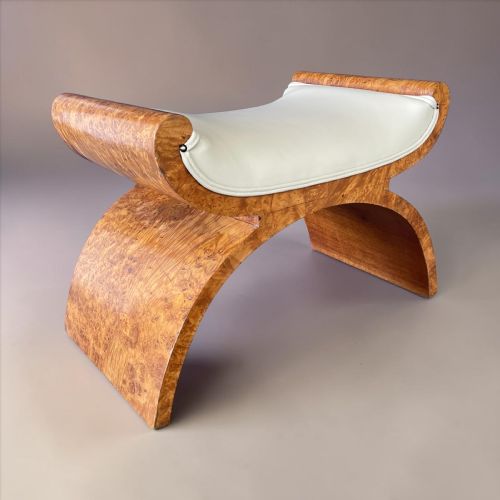
Art Deco benches typically date from the 1930s and showcase streamlined silhouettes with geometric geometry. Look for figured walnut, birds eye maple, or sycamore veneers paired with smooth leather upholstery.
Unlike ornate Victorian or Edwardian pieces, these later designs favour clean lines and polished wood grains over carved ornamentation.
Can I use a piano stool as a vanity bench?
Piano stools make ideal vanity benches due to their similar proportions and compact height. Many vintage piano stools feature adjustable mechanisms or upholstered tops that complement bedroom decors.
Duet versions offer a wider seating area if you require extra room at a larger dressing desk.
How do I care for antique wood and upholstery?
Maintain wooden frames by dusting regularly with a soft cloth and applying appropriate beeswax occasionally to nourish the grain. Avoid placing furniture in direct sunlight or near heat sources to prevent timber cracking.
Upholstered sections benefit from gentle surface cleaning suited to the specific textile, whether leather, velvet, or woven tapestry.