


Vintage Uzbek Textile Art
Vintage uzbek textile art brings rich Central Asian heritage into modern rooms through heavily embroidered panels, wall hangings and tribal weavings.
Vintage Uzbek Textile Art
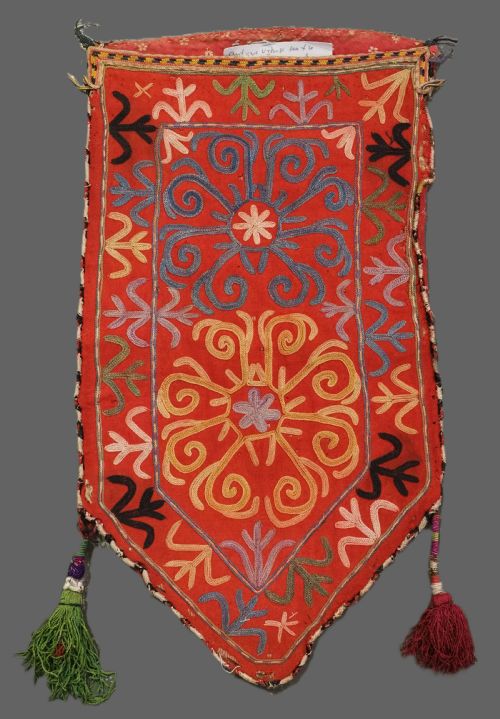
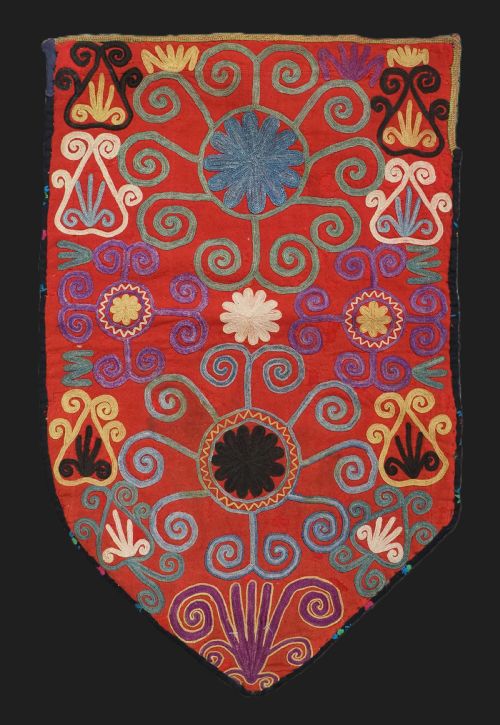
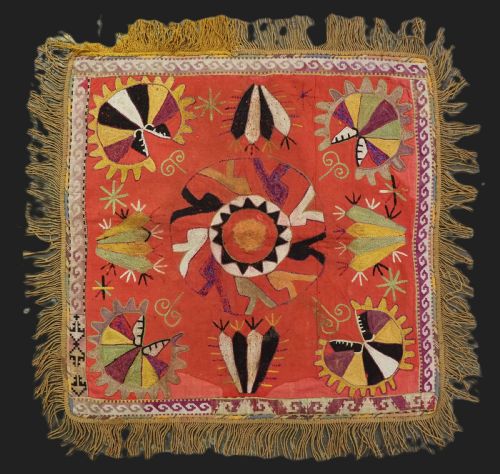
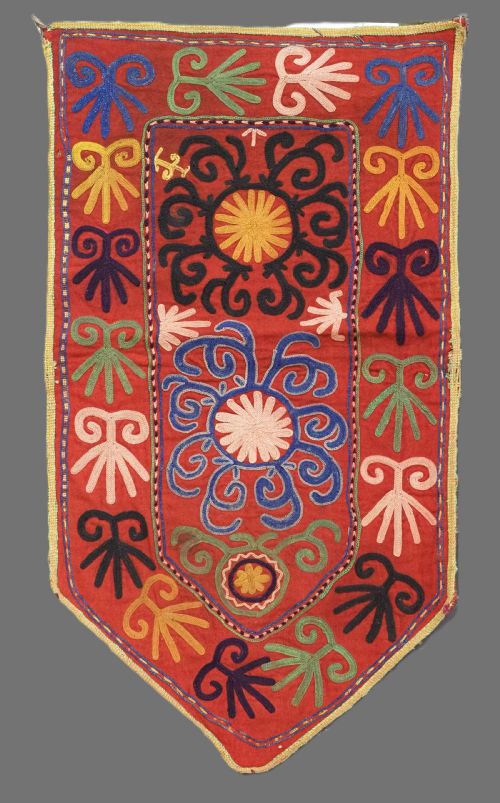
When browsing vintage uzbek textile art, collectors encounter a diverse range of ceremonial hangings, tribal embroideries and woven panels originating from Central Asia. These works span the nineteenth and early twentieth centuries, capturing traditional domestic and ritual crafts from regions such as Bokhara, Tashkent and Samarkand.
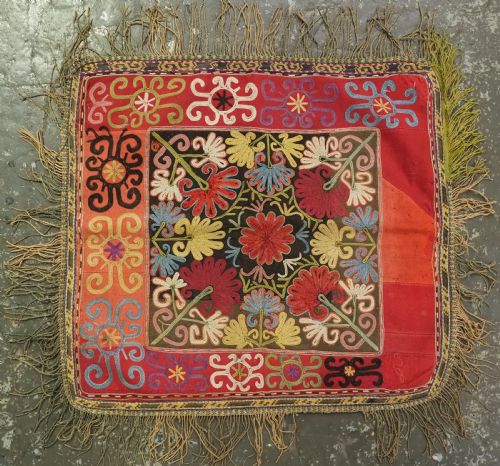
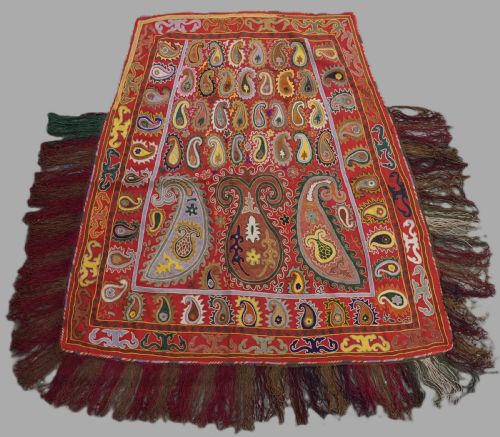
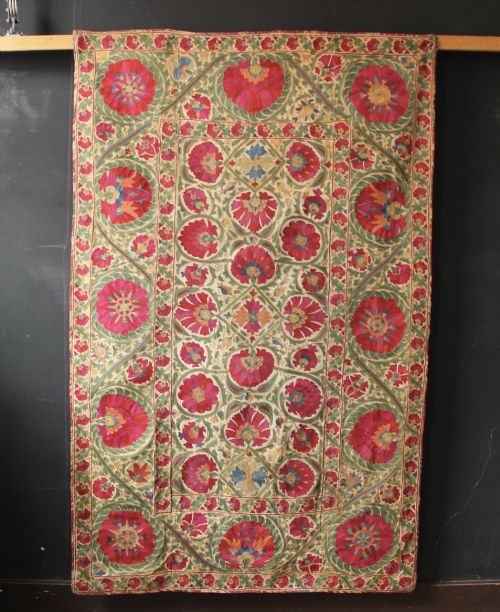
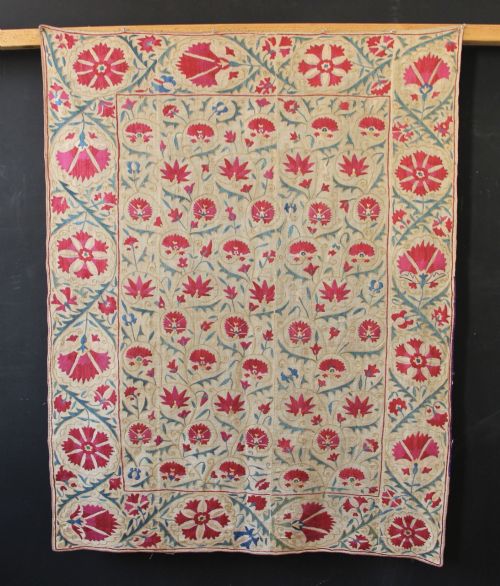
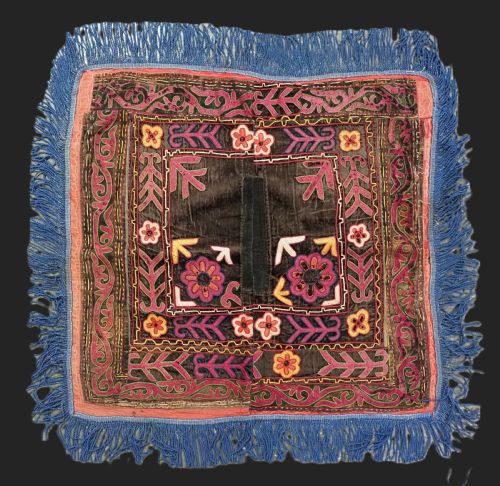
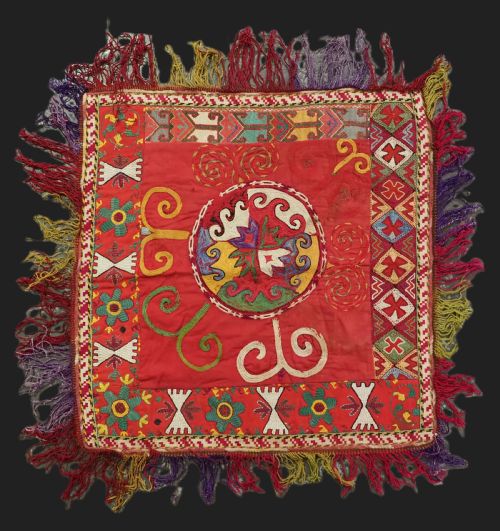
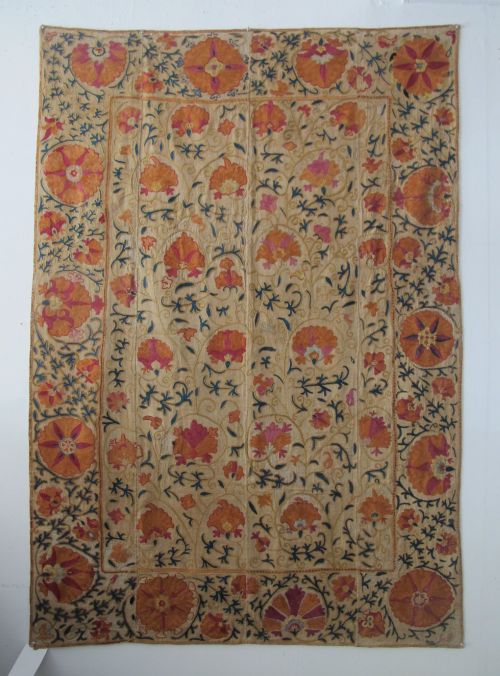
The most frequent examples found in this category include intricate suzani panels, embroidered dowry items and ikat garments. Pieces range from large wall art to smaller tribal trappings like saddle covers and bed decorations.
Makers utilised traditional regional motifs and distinct layouts, drawing upon Central Asian tribal and folk art styles. Buyers select these textiles to introduce historical depth, rich pigments and tactile warmth into contemporary interiors.
Materials and construction
Makers constructed these textiles primarily using natural cotton or wool grounds embellished with vibrant silk thread. Artisans often quilted and padded specific garments for winter use, creating deeply textured surfaces through dense needlework.
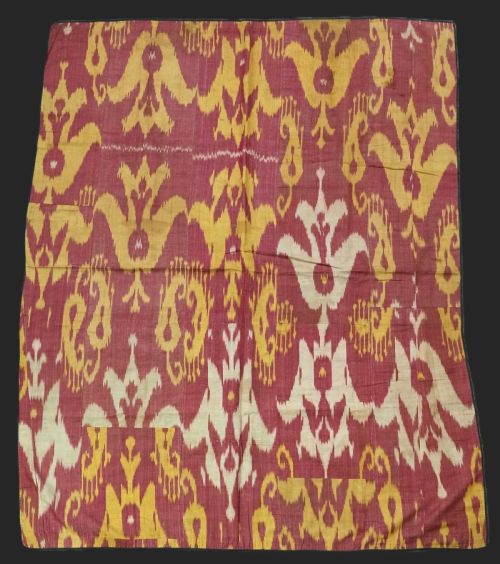
Ikat panels and coats rely on resist-dyeing techniques applied to silk and semi-silk adras fabrics before weaving. Embroidered suzanis feature meticulous hand-stitched motifs set against dyed cotton foundations, sometimes finished with delicate wool fringe.
Current selections span from the mid-nineteenth century to the early twentieth century, utilising silk, cotton, wool and velvet across various regional styles.
Judging the work
The distinction between standard examples and exceptional pieces rests primarily on the density of the needlework and the complexity of the design layout. Fully embroidered palak suzanis or intricate tribal ilgich panels require vast amounts of labour, elevating the visual impact of the work.
Pigment preservation and ground fabric integrity also separate tiers of quality. Works retaining rich, saturated colour schemes and robust cotton or silk foundations demonstrate superior initial materials and careful subsequent preservation.
The Vintage Uzbek Textile Art Glossary
- Suzani
- An embroidered hanging originating from Central Asia, typically worked in silk thread on a cotton or linen ground. These large decorative textiles were traditionally made as part of a bride's dowry.
- Ikat
- A dyeing technique where yarns are pattern-dyed before being woven into fabric. This method produces distinctive, slightly blurred pattern edges characteristic of Central Asian panels and coats.
- Ilgich
- A specific type of embroidery produced by the Lakai tribe, often used for wall hanging or domestic storage. These pieces frequently feature geometric and zoomorphic tribal motifs.
- Adras
- A traditional hybrid fabric woven with a silk warp and a cotton welt. It provides a durable yet lustrous foundation for garments and decorative panels.
- Nim Suzani
- A half-sized or smaller version of a standard suzani hanging. These were designed for more intimate domestic spaces within traditional homes.
Vintage Uzbek Textile Art: Frequently Asked Questions
How were these textiles originally used?
These items served various ceremonial and domestic functions within traditional Central Asian households. Many pieces functioned as wall hangings, wedding furnishings or dowry components.
Other examples included functional items such as horse covers, bed decorations and quilted winter coats.
Where do these pieces originate?
The inventory originates from Central Asia, specifically within historical centres and tribal regions of Uzbekistan. Prominent towns and areas associated with these works include Bokhara, Tashkent, Samarkand and Shakrisabz.
Nomadic groups like the Lakai tribe also contributed distinct regional embroidery traditions.
How do I care for a textile hanging?
Display these delicate historical items away from direct sunlight to prevent natural dye fading. Mounting them properly on neutral fabric supports distributes weight evenly across the antique textile.
Avoid chemical cleaning methods and consult a specialist textile conservator for maintenance advice.
How can I tell periods apart?
Nineteenth-century examples frequently display natural dye palettes and finely spun hand-woven foundation cottons. Early twentieth-century pieces often introduce broader design scales and modified colour combinations.
Examining the density of the silk embroidery and the specific tribal motifs provides further clues to dating.